How Dock and Dine Waterfront Restaurants Operate
Waterfront dining by boat, commonly known as dock and dine, allows captains to tie up their vessels directly at a restaurant pier, courtesy dock, or adjacent marina slip to enjoy a meal. Unlike arriving by car, pulling into a dockside restaurant involves assessing slip availability, tidal water depths, wind direction, and specific docking rules set by the establishment. Some locations provide dedicated dock attendants to catch lines, while others operate on a strictly self-service, first-come, first-served basis where boaters manage their own docking maneuvers.
Restaurants with water access generally fall into three operational categories: private dining docks exclusively reserved for patrons during their meal, shared commercial slips managed by a harbor facility, and public town wharves located within walking distance of the dining room. A dock side restaurant attached to an active marina often provides sturdier floating docks, fresh water, and electrical connections, whereas standalone piers might only feature wooden pilings and fixed docks that demand closer attention to rising or falling water levels.
Understanding docking fees before arrival prevents unwelcome surprises at the table. While many casual docksides restaurant locations offer complimentary dockage for the duration of your meal, others charge a modest hourly rate or require proof of a minimum dining spend. In heavily trafficked boating corridors, courtesy docks typically enforce a strict time limit—often between one and two hours—to ensure all visiting boaters have an equitable opportunity to land and eat.
Mastering Courtesy Docks and Tie-Up Etiquette
Pulling into a busy dining pier requires preparation well before you enter the fairway. Fenders should be deployed on both the port and starboard sides at the appropriate gunwale height, and bow and stern lines must be cleared, coiled, and ready on deck. Approaching an unfamiliar restaurant dock at idle speed reduces wake disruption for diners seated along the water and gives the captain sufficient time to spot submerged hazards, outcroppings, or cleats occupied by neighboring vessels.
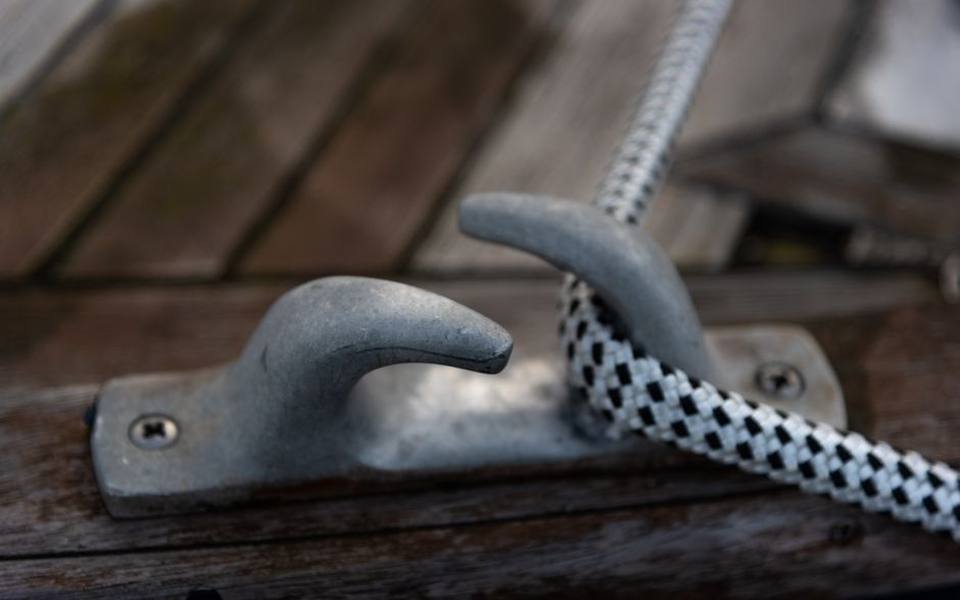
Once alongside, securing the vessel properly protects both your boat and nearby craft. Boaters should use both spring lines and breast lines whenever possible to minimize fore-and-aft surging caused by passing cruiser wakes. If the venue lacks dedicated courtesy docks, checking nearby facilities that offer transient slips allows you to tie up securely for an extended afternoon lunch without the pressure of a quick table turnaround.
Good dockside manners require sharing limited dock space thoughtfully. Tying up directly in the center of a long face dock blocks other vessels from utilizing the remaining space; instead, aim to secure your craft close to the forward or rear edge of the dock line. Never leave shore power cords, long painter lines, or water hoses stretched across dock walking surfaces, as waitstaff and fellow boaters constantly traverse these boardwalks carrying food, supplies, and children.
Marina-Based Dining Versus Standalone Waterfront Piers
Choosing between a full dockside marina restaurant and an independent waterfront pier comes down to the protection and amenities your boat requires. Marina-based venues sit inside sheltered basins behind breakwaters or quiet canal forks, protecting your hull from open-water chop and high-speed boat wakes while you dine. These properties also frequently offer on-site fuel docks, pump-out stations, and clean restroom facilities, making them practical mid-day staging points during longer voyages.
Standalone piers located along main river channels or coastal bays offer romantic open-water views and direct access, but they carry distinct operational risks. Without a protective sea wall, boats tied to an exposed pier take the brunt of passing wakes from thoughtless skippers, which can cause severe dock rash or strained cleat hardware. Tying up at an isolated "the dock restaurant" establishment on a river bend also demands a constant eye on river currents, which can pin a boat against pilings or pull it away during departure.
Depth soundings around standalone restaurants can be notoriously uneven compared to dredged marina basins. Silt, runoff, and unrecorded shoals often accumulate near natural shorelines, meaning the water at the outer end of the dock might measure ten feet deep while the inner slips hold barely two feet at low tide. Reviewing local sounding charts or hailing the staff on VHF before tucking into an unfamiliar inside slip saves your running gear from striking bottom.
Cruising South Florida and Palm Beach Waters
South Florida is widely regarded as one of the country's premiere dock-and-dine capitals, thanks to year-round boating weather and an interconnected Intracoastal Waterway lined with hospitality venues. In our directory tracking marinas in Florida across more than 900 facilities, a substantial portion feature on-site or adjacent dining options. Boaters traveling through these southern corridors enjoy everything from laid-back tiki bars to white-tablecloth establishments with dedicated dockmasters guiding arrivals.
For boaters targeting waterfront dining west palm beach options, navigation requires sharp awareness of drawbridge schedules, tidal currents, and no-wake speed restrictions. The Lake Worth Lagoon and surrounding channels experience strong tidal flows that run parallel to dock faces, requiring assertive throttle control when maneuvering into tight slips. Furthermore, bridge openings along the coastal route operate on set half-hour or on-demand schedules that can easily stretch a quick lunch run into an extended afternoon voyage.
Another fixture of the coastal Florida dining scene is the dry dock waterfront restaurant model, where dining operations share acreage with dry-stack boat storage facilities. At these locations, boaters can either arrive via the water into designated staging basins or dine directly adjacent to active boat racks where forklifts launch craft. The sheltered canals around Palm Beach County provide dozens of protected docks where boaters can step off the gunwale straight onto the dining patio.
Exploring Coastal Tidewaters and Cape Fear Havens
Further north along the Atlantic seaboard, tidewater dining presents a different set of navigational variables governed by expansive marshes, shifting sandbars, and substantial tide cycles. When planning an outing through coastal North Carolina, boaters should explore listings for marinas in North Carolina to pinpoint facilities with stable water depths along coastal river mouths. The transition from sound waters to inland rivers demands careful route planning around marked channels.
When exploring waterfront dining wilmington nc boaters must respect the dynamic hydrological forces of the Cape Fear River and the nearby Intracoastal cut. The Cape Fear River carries powerful currents and heavy commercial vessel traffic, meaning restaurant docks near the historic downtown riverwalk require robust spring lines and heavy-duty chafing gear. Docking into the current rather than running with it is an essential technique here, providing the captain with essential steering leverage at low speeds.
Surrounding barrier islands and soundside channels near Wrightsville Beach offer protected salt-marsh docking alternatives. These locations provide serene water views and easier docking than the main shipping channel, though skippers must keep a close eye on the tide tables. A slip that features four feet of water under the keel during high-tide appetizers might leave your running gear resting in thick marsh mud by the time dessert arrives.
Sheltered Bays, Estuaries, and Coastal Inlets
Traditional coastal seafood shacks situated along bays and estuaries capture the quintessential spirit of on-water dining. Venues operating in the classic dock of the bay restaurant style often nestle into natural harbors, where salt breezes and calm shallows create an inviting backdrop. Because these establishments rely on natural coastal features rather than deep industrial harbors, the approach channels can be labyrinthine, weaving through sand flats, submerged grass beds, and oyster reefs.
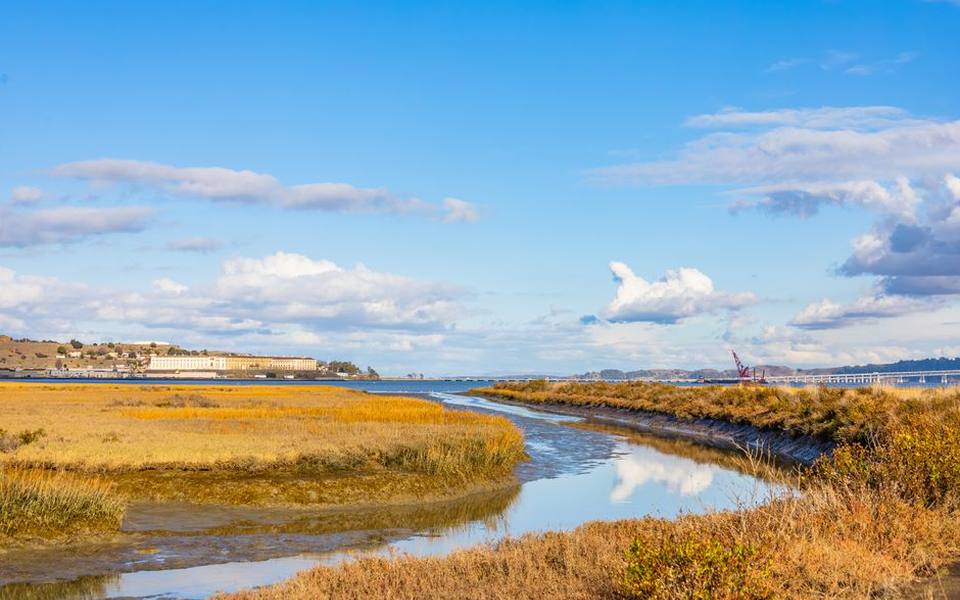
Entering these shallow bays requires keeping a dedicated lookout on the bow and maintaining a strict displacement speed. Local navigation aids in back-bay estuaries may consist of unlit daymarks or privately maintained stakes that differ significantly from federally maintained deep-water buoys. A reliable depth sounder with a shallow-water alarm is vital equipment when navigating toward low-profile wooden docks nestled in coastal shallows.
Additionally, bay-area seafood establishments often experience localized wake surges from working commercial fishing boats and recreational watercraft passing through adjacent inlets. When tying up at an estuary dock, always allow ample fender clearance along the piling faces and avoid tying your lines drum-tight. Allowing moderate line travel accommodates the rise and fall of wake trains without ripping deck hardware out of your boat's fiberglass cap.
Family-Friendly Dockside Stops and Safety Protocols
Taking the entire crew out for lunch at a dockside family restaurant requires extra forethought regarding dock stability, gangway steepness, and onboard safety. Floating docks provide level, consistent stepping points directly onto the pier regardless of the tide stage, making them significantly safer for young children and older passengers. Fixed wooden piers, by contrast, often require climbing vertical wooden dock ladders at low tide, which can be treacherous for inexperienced family members.
Before allowing family members to disembark, the boat must be fully secured with engine ignitions turned off and keys removed. A sudden surge from a passing boat can open a dangerous gap between the hull and the dock rub rail, creating a severe pinch risk for anyone stepping across prematurely. Designating one adult to hold the vessel snug against the bull rail while passengers step ashore one at a time is the safest disembarkation procedure.
Managing table waits while managing a boat adds another layer of complexity. Popular weekend waterfront spots often have dining waits exceeding an hour, during which courtesy dock limits may lapse. Having a crew member call ahead or send someone ashore to place your party on the seating list while the boat idles outside the marina basin helps prevent lingering at an active courtesy slip beyond permissible time windows.
Planning Dining Outings with Launches and Day Rentals
You do not need to own a permanently moored cruiser to enjoy dockside dining; trailer boaters and casual vacationers can seamlessly integrate on-water meals into their day trips. Trailer captains can launch in the morning using a local public or private boat ramp located within an easy cruising radius of their chosen dining venue. Planning your route from the launch ramp ensures you know fuel burn rates, bridge clearance restrictions, and transit times ahead of your meal reservations.
Vacationers seeking a relaxed meal on the water without bringing their own rig can leverage harbor operations that offer boat rentals on-site. Renting a sturdy pontoon boat or center console for half a day provides the flexibility to explore coastal islands before pulling into a designated guest slip for an alfresco waterfront lunch. Pontoon platforms, in particular, offer wide perimeters, easy boarding gates, and forgiving rubber bumpers that make dining-dock arrivals stress-free.
When trailering or renting, always align your launch and retrieval schedule with restaurant timing. Launching during the mid-morning lull allows you to reach the restaurant dock just before the noon rush, securing the best open slips. Similarly, finishing your meal before peak late-afternoon return hours keeps you from waiting in long boat-ramp queues when retrieving your trailer at day's end.
Night Returns, Navigation Hazards, and Skipper Responsibilities
Evening dinners on the water offer unmatched sunset vistas, but returning to home port after dark transforms a routine cruise into an exercise in high-stakes navigation. Shoreline illumination from waterfront bars, condos, and decorative pier lighting creates severe background glare, making it exceptionally difficult to spot unlit channel markers, floating debris, or crab pot buoys. Operating at a reduced, prudent speed after dusk is essential to allow adequate reaction time.
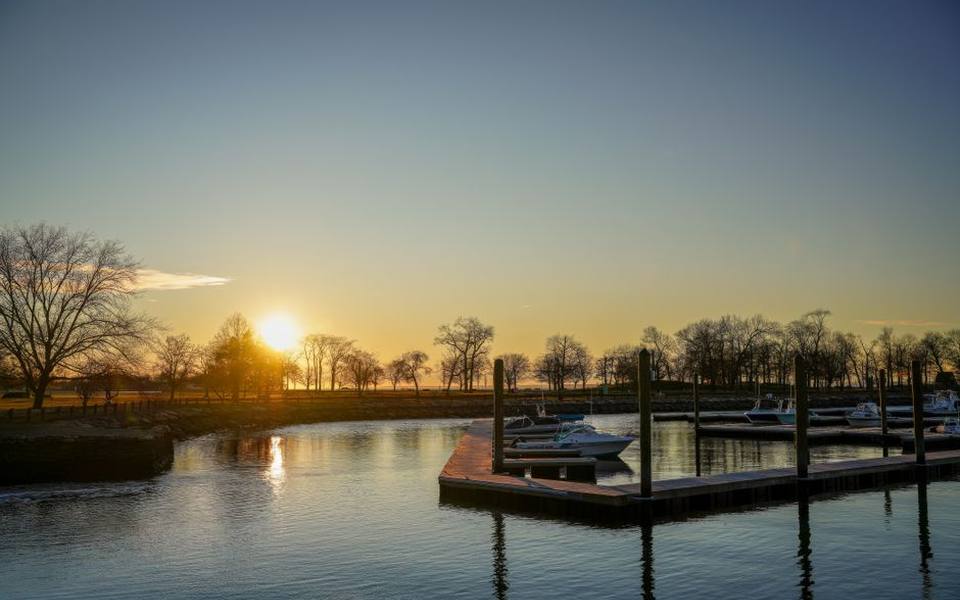
Before untying from the dinner dock, verify that your vessel's red and green forward navigation lights and white 360-degree all-round white light are fully functional. Carrying a reliable marine-grade spotlight or high-lumen flashlight aids in picking out reflective reflective channel markers and dock pilings during your final marina approach. However, avoid shining spotlights directly toward other moving vessels, as this destroys night vision for oncoming skippers.
The most critical factor in safe dockside dining is the designated captain. Marine law enforcement agencies maintain strict zero-tolerance policies regarding boating under the influence across all state and federal waterways. Operating a boat requires complex spatial awareness, constant monitoring of navigation instruments, and split-second helm adjustments that are critically compromised by alcohol, making a completely sober operator non-negotiable.
Pre-Trip Verification and Navigational Planning
Successful dock-and-dine excursions depend heavily on preliminary research conducted before untying your dock lines. Dock availability fluctuates drastically depending on the weather, weekend regattas, and seasonal tourist volume. Calling the restaurant hostess or marina office ahead of time to verify courtesy dock depths, maximum allowable boat lengths, and current dock attendant staffing saves time and prevents arrival at an overcrowded or unsuitable pier.
Examine your marine navigation apps or paper charts for fixed bridge heights, overhead power cable clearances, and known shallow-water bottlenecks along your route. An unexpected low bridge can trap a vessel equipped with an arch, radar tower, or fishing outriggers, forcing an unexpected detour just when dinner reservations are approaching. Noting the local tidal range informs you whether bridge clearances will be tighter during high water or channel depths dangerously skimpy at low tide.
Using comprehensive regional resources across the country allows boaters to identify well-equipped facilities with verified transient accommodations and waterfront dining. Whether exploring local inland lakes, protected sounds, or oceanic passages, consulting independent marina directories helps captains map out secure slips, accessible fuel docks, and reliable dining docks for an enjoyable day on the water.
Published 2026-09-21 · reviewed with each rebuild, last September 2026.
Find marinas near you
The directory lists 7,143 marinas by state and city — pick your state or use the “Near me” button in the header.
More guides
-
 Safety
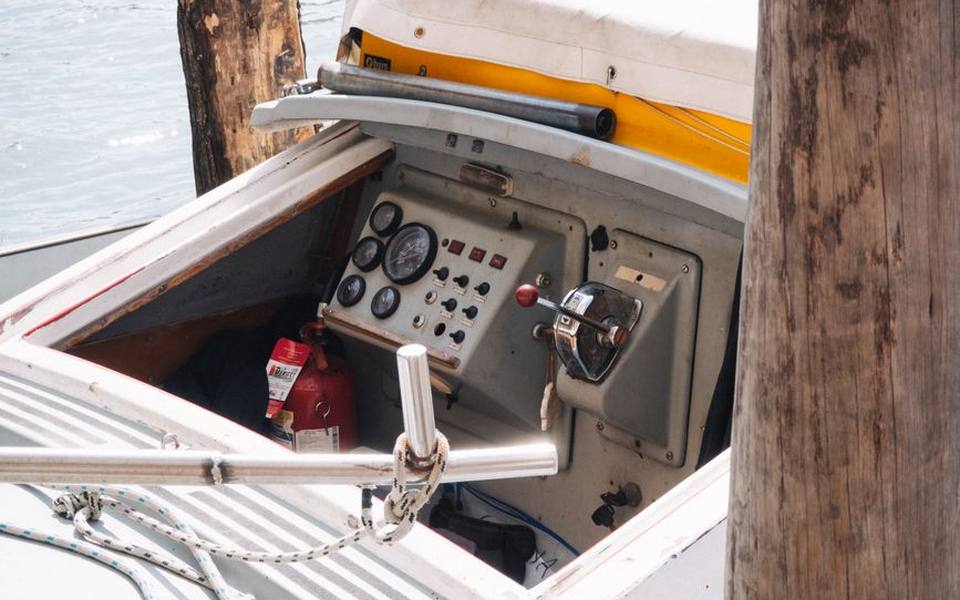
Boat Fire Extinguisher Inspection: Schedule, Checklist, and Costs
-
 Money
MoneyBoat Club Membership Costs: Initiation Fees, Monthly Dues, and Ownership Comparison
-
 Storage
Boat Winterization and Storage: Costs, Checklist, and Shrink Wrapping Guide
-
 Storage
Boat Slips and Docking Fees: How Much Does It Cost to Keep a Boat in the Water?
-
 Owning
Essential Nautical Terms and Practical Boating Knowledge: From the Helm to Harbor Life
-
 Owning
A Practical Guide to Boat Mooring: Buoys, Lines, and Technique
-
 Safety
Essential Boat Safety Gear, Marine Electronics, and Equipment Guide
-
 Service
Outboard Engine Service and Rebuild Costs: What Boat Owners Should Expect to Pay
-
 Safety
Marine Weather Forecasts and Warnings: Reading NOAA Reports and Coastal Maps
-
 Safety
Boating Safety Certification and Licensing: State Requirements and Exam Prep
-
 Service
Saltwater and Freshwater Fishing Charters: Choosing Inshore, Offshore, and Deep Sea Trips
-
 Owning
Bareboat Yacht Charters: How to Rent, Qualifications, and Cruising Preparation
-
 Buying
Pontoon & Tritoon Boats: Buying, Renting, Models, and Pricing Guide
-
 Owning
Holiday Boat Parades and Coastal Festivals: Viewing Guide and Schedules
-
 Buying
A Complete Guide to Buying Used Boats: Valuations, Inspections, and Registration
-
 Owning
Dockside Bait Systems, Live Bait Sourcing, and Fish Cleaning Station Setup
-
 Safety
Marine Fire Safety Inspection and Extinguisher Maintenance
-
 Storage
Complete Guide to Boat Winterization, Shrink Wrapping, and Storage Covers
-
 Buying
Electric Boat Motors and Trolling Systems: The Practical Conversion Guide
-
 Owning
A Practical Guide to Public Boat Launches, Kayak Ramps, and Water Access
-
 Owning
Marine Lithium Batteries vs AGM: Setup, Charging, and Performance
-
Service
Boat Fiberglass & Gelcoat Repair Guide: Fixing Cracks, Blisters & Scratches
-
Service
Marine Fuel Tank Cleaning and Rust Removal Guide
-
Safety
USCG Captain's License Guide: OUPV 6-Pack Requirements and Renewal
-
Buying
Boat Dinghies and Inflatables Guide: Types, Motors, and Selection
-
Service
Boat Towing Services and Marine Assistance Memberships Explained
-
Owning
Boat Lettering, Registration Numbers, and Custom Vinyl Decals
-
Service
Outboard Motor and Lower Unit Maintenance, Repair, and Marine Diesel Guide
-
Buying
Shallow Water Anchor Systems: Power-Pole vs. Minn Kota Talon & Raptor
-
 Service
Complete Guide to Marine Bottom Paint and Antifouling Application
-
Owning
Cruising America's Great Loop: Route Planning, Boat Choice, and Cruising Resources
-
Service
Boat and Fishing Charters: Complete Guide to Styles, Rates, and Booking
-
Buying
Personal Watercraft and Jet Ski Guide: Models, Rentals, and Buying
-
 Owning
Marine Supply Stores and Chandleries: Outfitting Your Boat
-
Safety
Marine Weather Forecasts and NOAA Wave Reports: A Practical Boater's Guide
-
Safety
USCG Boat Registration, Boater Education, and Navigational Safety Rules
-
Owning
Marine Lithium Batteries, Solar Panel Systems, and Trickle Charging Guide
-
Service
Boat Trailer Maintenance: Bearings, Replacement Kits, and Towing Prep
-
Safety
Marine VHF Radio Frequencies, Channels, and Electronics Setup
-
 Service
Complete Boat Hull Maintenance Guide: Washing, Acid Cleaners, Gelcoat Repair, and Antifouling Paint
-
Service
Fixing Inflatable Boat Leaks and Replacing Worn Bimini Top Canvas
-
Owning
Buoy Mooring Setup, Dock Lines, Cleat Hitch Knots, and Anchor Pins
-
 Owning
Boat Trim Tabs Guide: Lenco, Zipwake, Bennett, and Electric vs Hydraulic
-
Owning
Upgrading Boat Swim Platforms, Boarding Ladders, and Marine Vinyl Seating
-
Owning
Best Gifts for Boaters, Practical Marine Accessories, and Kayak Storage Racks