Finding and Evaluating Public Water Access Points
Finding reliable public boat access begins with understanding the difference between fully developed municipal facilities, state-managed recreation areas, and primitive shoreline points. While full-service parks usually feature multi-lane concrete slabs, staging lanes, and courtesy docks, primitive access sites might simply offer a cleared gravel path suited only for lightweight skiffs or hand-carried hulls. Determining which facility fits your rig prevents getting stuck or blocking launch traffic on busy weekend mornings.
Before heading out, consult regional access maps and satellite views to verify that the entry road supports the turning radius of your trailer. Some rural sites have low-hanging branches, sharp gravel switchbacks, or narrow access aprons that make reversing difficult for longer rigs. You also need to confirm operating hours, seasonal opening dates, and whether local management requires a municipal sticker or recreation access pass for your vehicle.
Physical conditions at an unfamiliar public boat launch can shift throughout the season due to silt buildup, weed growth, or seasonal water drawdowns. Arriving during daylight on your first visit allows you to visually inspect water depth, verify dock stability, and look for submerged hazards before backing your trailer into the water. Taking ten minutes to observe another boater launch provides valuable insight into local currents, ramp slickness, and docking conditions.
Understanding Launching Ramp Anatomy and Dock Systems
A typical launching ramp is engineered with a concrete slab sloped at roughly twelve to fifteen percent to allow trailers to submerge without submerging the tow vehicle's rear axle. Most modern concrete surfaces feature transverse V-grooves cut across the slope to channel water away and give vehicle tires traction. Identifying the condition of these grooves helps you decide whether engaging four-wheel drive is necessary when pulling a heavy boat back up the grade.
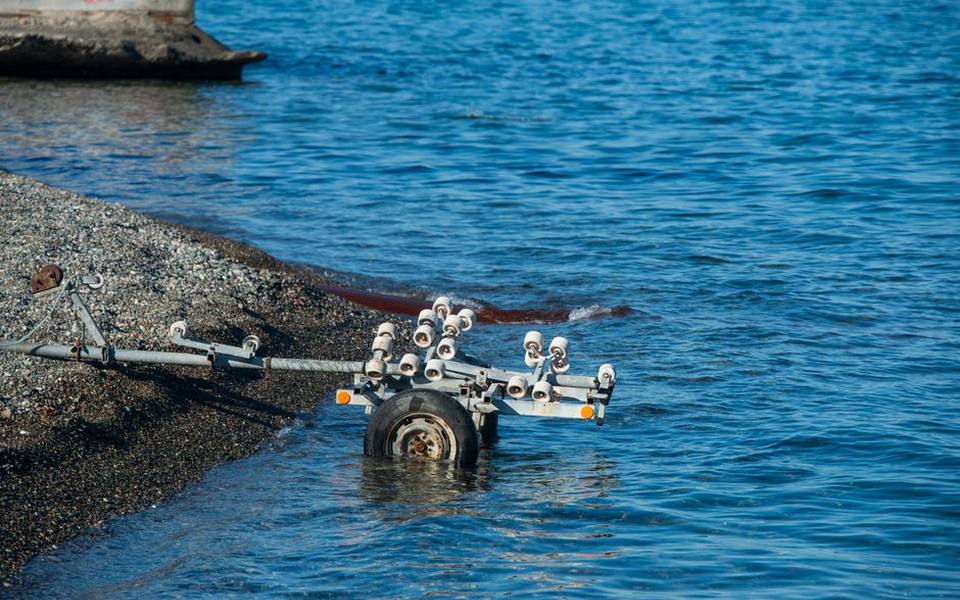
The layout of ramps for docks plays an equally critical role in how smoothly your launch or retrieval proceeds. Boarding piers and courtesy docks are usually positioned directly beside the ramp lanes so that solo boaters can secure their craft immediately after floating off the bunk boards. In areas with significant water level fluctuations, these walkways are designed as articulated floating docks connected to the shore by hinged gangways.
Understanding how far the ramp slab extends below the waterline prevents one of the most common launch accidents: backing off the concrete edge. Power loading by previous boaters often digs deep scour holes right at the underwater termination of the slab. If trailer tires drop past the edge into a scour hole, pulling the trailer out can damage axles, bent leaf springs, or snag crossmembers against the concrete lip.
Navigating DNR Boat Launches and State Agency Facilities
Across the country, fish and wildlife agencies maintain thousands of entry points commonly known as dnr boat launches, designed to give anglers and pleasure boaters dependable access to inland lakes and rivers. These sites are generally built to standardized state specifications, offering concrete planks, paved parking stalls for vehicles with trailers, and basic sanitation facilities. They are strategically positioned near productive fishing grounds and navigable channels to support local recreational boating without overcrowding private facilities.
Using a state-managed dnr boat launch often requires paying a modest daily access fee or displaying an annual vehicle recreation passport on your windshield. In northern states with extensive inland waterways, such as marinas in Michigan, access passes help fund ongoing dredging, seasonal dock repairs, and ramp winterization. Failing to display the required permit can result in civil citations, so inspect the fee kiosk near the entry gate before unhooking your safety chains.
Many state wildlife facilities also feature invasive species wash-down stations and disposal bins situated near the tie-down areas. Biologists rely on boaters to drain all livewells, bilge compartments, and lower units before pulling onto public roadways to prevent the cross-contamination of aquatic vegetation and non-native mollusks. Taking five minutes to pull drain plugs and spray down the trailer frame protects the fishery and keeps these state-funded properties open and well maintained.
Dedicated Canoe and Kayak Access Along Mixed-Use Waters
Launching non-motorized paddlecraft at high-traffic powerboat ramps can quickly become stressful and hazardous due to steep inclines, prop wash, and continuous trailer movement. Consequently, park systems increasingly construct dedicated kayak access areas and soft-bank canoe launch points separated from motorized lanes. These zones feature gradual slopes, grass or sandy gravel transitions, and low water velocity that allow paddlers to safely stage their gear without competing against heavy fiberglass runabouts and tow rigs.
A well-planned canoe and kayak launch typically includes short-term unloading stalls near the shoreline, allowing paddlers to transfer heavy plastic hulls, paddles, and coolers without lugging them across expansive parking lots. After unloading, drivers move their vehicles to standard parking stalls to keep the launch path clear for others. This segregation reduces shoreline congestion and protects lightweight composite or thermoformed hulls from sharp concrete ramp edges and submerged metal trailer hardware.
When entering a mixed-use water body from a designated paddle launch, you should always maintain high situational awareness regarding departing powerboats. Motorized vessels restricted to marked navigation channels often have blind spots directly over their bows at low speeds. Hugging the designated non-motorized buffer zone until you clear the marina or boat ramp basin ensures you avoid heavy wakes, tight propeller churn, and distracted operators backing trailers down nearby ramps.
Purpose-Built Kayak Ramps and Low-Profile Docks
Specialized kayak ramp installations solve one of the greatest hurdles in paddle sports: getting in and out of a narrow cockpit without rolling into the water. These setups often incorporate floating low-profile docks with integrated launch saddles, roller chutes, or stabilizing grab bars. By dropping the dock surface within a few inches of the water line, paddlers can sit down cleanly without awkwardly lowering their center of gravity from a tall dock built for high-sided motorboats.
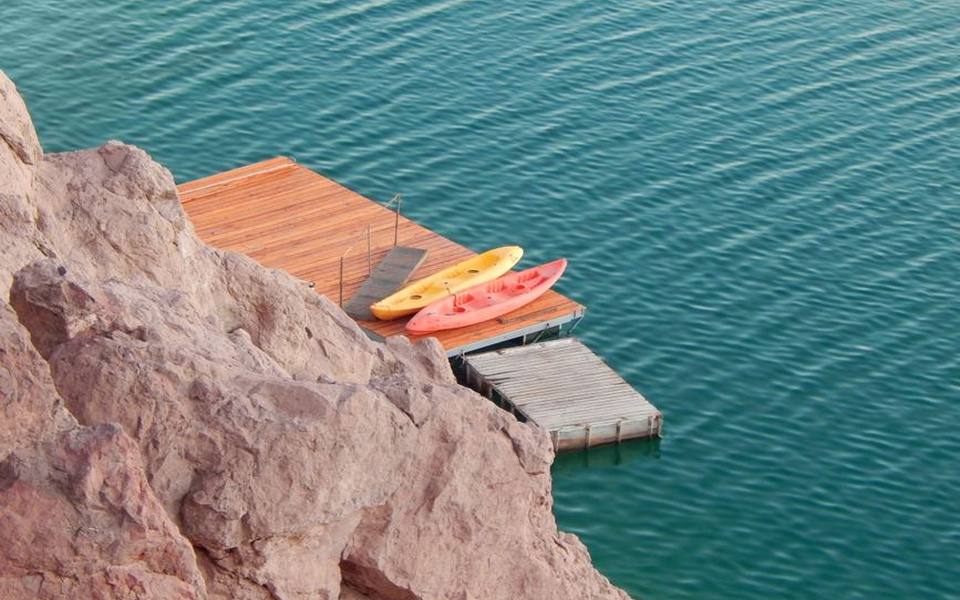
Using a roller-equipped kayak ramp involves sliding the hull into a recessed cradle, securing the paddle across the coaming or into side brackets, and straddling the cockpit while gripping the overhead handrails. Once seated firmly, a simple push against the support rails launches the boat smoothly into the channel. Upon return, lining up with the submerged guide rollers allows you to glide back onto the dock platform without scratching the hull bottom against rocky shorelines.
These purpose-built ramps are also engineered to accommodate adaptive paddlers, providing transfer benches and wider boarding paths for individuals with limited mobility. Maintaining these facilities requires users to clean mud and sand from the rollers after each launch, as grit can lock up the bearings. Treating specialized paddle ramps with care guarantees that local agencies continue investing in universal paddling infrastructure on public water bodies.
Tidal Challenges at Saltwater Facilities
Launching in coastal environments requires an extra layer of planning because tidal fluctuations can transform an easy concrete incline into an exposed mudflat or an impossibly steep drop within a few hours. High-volume saltwater locations, such as the regional facilities near Puget Sound and access points around the Point Defiance boat launch, experience substantial tidal ranges that dictate launch and recovery schedules. Boaters visiting coastal marinas in Washington must check tide charts carefully to avoid backing off ramp ends at low water.
Low-tide cycles often expose green marine algae, sea lettuce, and wet slime on the lower concrete slabs that can severely compromise tire traction. When retrieving a boat during a minus tide, tow vehicles without four-wheel drive or locking differentials may spin their tires helplessly on the slick slope. Having an observer watch your tire placement and keeping the vehicle's drive wheels on dry, grooved concrete higher up the ramp prevents your rig from sliding backwards.
In addition to traction issues, tidal currents running perpendicular to coastal ramp basins can push boats sideways into dock pilings or neighboring trailers during recovery. When approaching the ramp dock in strong saltwater cross-currents, maintain steady steerage until your bow reaches the shelter of the breakwater or bulkhead. Coastal boaters should also rig extra spring lines to prevent their vessels from swinging underneath floating dock fingers as the water level drops.
Great Lakes Launch Basins and Protected Waterways
Inland seas like the Great Lakes present unique wind and surge challenges that require heavy-duty access engineering. Prominent shoreline hubs, such as the Mazurik boat access facility on the western basin of Lake Erie, are specifically constructed with massive stone breakwalls and wave-attenuating baffles to isolate the launching lanes from open-water rollers. These protected basins allow anglers and pleasure cruisers to load and secure their vessels even when four-foot chop pounds the exterior shoreline.
When planning a launch on large lakes, such as those accessed through marinas in Ohio, monitoring offshore wind direction is just as critical as checking wind speed. A strong sustained wind pushing water into a shallow bay can produce sudden seiche events that raise or lower the basin water level by several feet over the course of an afternoon. If a rapid water drop occurs, ramps that had ample depth at dawn may suddenly lack sufficient clearance to float deep-draft hulls.
Navigating out of these engineered harbor basins requires paying strict attention to channel markers, as entrance jetties often trap shifting sandbars outside the protected rock walls. Local authorities dredge these entrance channels periodically, but storm action can create submerged shoals overnight. Keep your vessel at idle speed until you clear the outermost daymarkers, and scan the surrounding water for breaking waves that signal unexpected shallow points near the breakwater heads.
Ramp Etiquette and Efficient Staging Protocols
The single most effective way to ensure a calm, safe day on the water is mastering launch etiquette before your trailer touches the concrete incline. Preparation must take place entirely within the designated staging lanes away from the water. In the staging area, load your coolers and fishing tackle, disconnect the rear transom straps, install the bilge drain plug, turn on the battery master switch, and run the engine compartment blower before waiting in line.
Once an active lane opens, back down the ramp steadily and without hesitation, using your vehicle's mirrors to keep the trailer aligned between the painted stripes or dock edges. If you launch after dark, turn off your vehicle's primary headlights and leave only parking lights illuminated while reversing. Blinding other drivers with headlights makes it nearly impossible for them to judge dock clearances or see nearby pedestrians walking on the ramp apron.
After the boat floats free from the trailer bunks or rollers, move it immediately to the far end of the boarding pier or paddle it clear of the active lane while the driver parks the tow vehicle. Active launch lanes are designed for continuous motion, not for warming up engines, rigging lines, or waiting for tardy crew members. When retrieving at the end of the day, reverse the process by winching up the boat and pulling immediately to the tie-down zone to complete post-trip chores.
Permits, Parking Regulations, and Temporary Dockage
Public launch facilities operate under strict parking enforcement to preserve order between motorized rigs and standard vehicles. Most access lots designate elongated pull-through stalls exclusively for vehicles towing trailers, while single cars are restricted to standard perimeter spaces. Parking a standalone passenger car in a long trailer stall can result in substantial fines or vehicle towing, as it deprives trailering boaters of the turning radius and parking length they need.
Fee structures at public water access points vary widely depending on the managing jurisdiction, ranging from free municipal landings to card-operated automated gates or cash envelope honor boxes. Keeping a small reserve of cash or checking whether an online payment app is required ensures you can display valid parking documentation before launching. Failing to post a receipt on your vehicle dashboard can spoil a relaxing day on the water with an unexpected municipal fine.
Boaters needing extended dockage beyond the standard fifteen-minute courtesy limit must look beyond public ramp boarding piers. Public launch docks are strictly reserved for active loading and unloading, meaning leaving a boat tied up while grabbing lunch is prohibited. If you plan an overnight trip or a full-day stopover, consider reserving space at facilities with transient slips where vessels can be legally moored without blocking essential public water access.
Ramp Hazards, Water Fluctuations, and Vehicle Recovery
Even seasoned boaters can encounter unexpected hazards when dealing with changing reservoir pools, drought conditions, or frozen launch surfaces in the shoulder seasons. As water levels fall during late summer or winter drawdowns, the usable length of an incline shrinks dramatically. Checking regional water authority gauges or contacting nearby boat ramp operators helps you confirm that adequate water depth exists above the ramp apron before driving down.
When recovering a boat on a steep or wet incline, never disconnect the winch strap or safety chain until the trailer has completely cleared the water and sits on level pavement. Winch clutch mechanisms can slip under the strain of a heavy hull on a slope, sending an unsecured vessel crashing back onto the ramp concrete. Similarly, inspect the bow eye and trailer winch post periodically to verify that mounting bolts remain tight against the vibration of trailering.
If your tow vehicle begins to slip backward during recovery, resist the urge to stomp on the accelerator, which merely burns rubber and glazes the wet concrete with melted tread. Instead, apply the emergency brake gently, engage four-wheel drive low range if equipped, and place wheel chocks behind the rear tires if necessary. Having a passenger slowly guide your vehicle while maintaining smooth, gentle throttle pressure will walk even heavy setups safely up the slope.
Published 2026-09-21 · reviewed with each rebuild, last September 2026.
Find marinas near you
The directory lists 7,143 marinas by state and city — pick your state or use the “Near me” button in the header.
More guides
-
 Safety
Boat Fire Extinguisher Inspection: Schedule, Checklist, and Costs
-
 Money
MoneyBoat Club Membership Costs: Initiation Fees, Monthly Dues, and Ownership Comparison
-
 Storage
Boat Winterization and Storage: Costs, Checklist, and Shrink Wrapping Guide
-
 Storage
Boat Slips and Docking Fees: How Much Does It Cost to Keep a Boat in the Water?
-
 Owning
Essential Nautical Terms and Practical Boating Knowledge: From the Helm to Harbor Life
-
 Owning
A Practical Guide to Boat Mooring: Buoys, Lines, and Technique
-
 Safety
Essential Boat Safety Gear, Marine Electronics, and Equipment Guide
-
 Service
Outboard Engine Service and Rebuild Costs: What Boat Owners Should Expect to Pay
-
 Safety
Marine Weather Forecasts and Warnings: Reading NOAA Reports and Coastal Maps
-
 Safety
Boating Safety Certification and Licensing: State Requirements and Exam Prep
-
 Service
Saltwater and Freshwater Fishing Charters: Choosing Inshore, Offshore, and Deep Sea Trips
-
 Owning
Bareboat Yacht Charters: How to Rent, Qualifications, and Cruising Preparation
-
 Buying
Pontoon & Tritoon Boats: Buying, Renting, Models, and Pricing Guide
-
 Owning
Holiday Boat Parades and Coastal Festivals: Viewing Guide and Schedules
-
 Buying
A Complete Guide to Buying Used Boats: Valuations, Inspections, and Registration
-
 Owning
Waterfront Dining and Dockside Restaurants: Boater's Guide to Dock and Dine
-
 Owning
Dockside Bait Systems, Live Bait Sourcing, and Fish Cleaning Station Setup
-
 Safety
Marine Fire Safety Inspection and Extinguisher Maintenance
-
 Storage
Complete Guide to Boat Winterization, Shrink Wrapping, and Storage Covers
-
 Buying
Electric Boat Motors and Trolling Systems: The Practical Conversion Guide
-
 Owning
Marine Lithium Batteries vs AGM: Setup, Charging, and Performance
-
Service
Boat Fiberglass & Gelcoat Repair Guide: Fixing Cracks, Blisters & Scratches
-
Service
Marine Fuel Tank Cleaning and Rust Removal Guide
-
Safety
USCG Captain's License Guide: OUPV 6-Pack Requirements and Renewal
-
Buying
Boat Dinghies and Inflatables Guide: Types, Motors, and Selection
-
Service
Boat Towing Services and Marine Assistance Memberships Explained
-
Owning
Boat Lettering, Registration Numbers, and Custom Vinyl Decals
-
Service
Outboard Motor and Lower Unit Maintenance, Repair, and Marine Diesel Guide
-
Buying
Shallow Water Anchor Systems: Power-Pole vs. Minn Kota Talon & Raptor
-
 Service
Complete Guide to Marine Bottom Paint and Antifouling Application
-
Owning
Cruising America's Great Loop: Route Planning, Boat Choice, and Cruising Resources
-
Service
Boat and Fishing Charters: Complete Guide to Styles, Rates, and Booking
-
Buying
Personal Watercraft and Jet Ski Guide: Models, Rentals, and Buying
-
 Owning
Marine Supply Stores and Chandleries: Outfitting Your Boat
-
Safety
Marine Weather Forecasts and NOAA Wave Reports: A Practical Boater's Guide
-
Safety
USCG Boat Registration, Boater Education, and Navigational Safety Rules
-
Owning
Marine Lithium Batteries, Solar Panel Systems, and Trickle Charging Guide
-
Service
Boat Trailer Maintenance: Bearings, Replacement Kits, and Towing Prep
-
Safety
Marine VHF Radio Frequencies, Channels, and Electronics Setup
-
 Service
Complete Boat Hull Maintenance Guide: Washing, Acid Cleaners, Gelcoat Repair, and Antifouling Paint
-
Service
Fixing Inflatable Boat Leaks and Replacing Worn Bimini Top Canvas
-
Owning
Buoy Mooring Setup, Dock Lines, Cleat Hitch Knots, and Anchor Pins
-
 Owning
Boat Trim Tabs Guide: Lenco, Zipwake, Bennett, and Electric vs Hydraulic
-
Owning
Upgrading Boat Swim Platforms, Boarding Ladders, and Marine Vinyl Seating
-
Owning
Best Gifts for Boaters, Practical Marine Accessories, and Kayak Storage Racks