Understanding Winterization Requirements and Typical Costs
Preparing a boat for freezing weather is essential preventative maintenance that protects engine blocks, exhaust manifolds, internal plumbing, and hull structures from costly freeze cracks. When ambient temperatures drop below freezing, standing water expands by roughly nine percent, which can easily split a cast-iron engine block or fracture brass sea valves within hours. Professional winterization packages typically range from $150 to $400 for a single outboard motor, while sterndrive and inboard configurations commonly cost between $300 and $700 depending on displacement. For larger cabin cruisers with multi-zone freshwater systems, marine heads, and onboard generators, professional yard bills can reach $800 to $1,500.
The total expense largely depends on whether you contract a marine technician to complete the service or handle the labor yourself. A do-it-yourself approach generally requires between $80 and $200 in materials, including non-toxic marine antifreeze, fuel stabilizers, crankcase motor oil, specialized gear lubricants, replacement fuel filters, and fogging oil. Beyond raw supplies, some marina service centers bundle haul-out fees, bottom pressure washing, and shrink wrapping into seasonal packages, which lowers the itemized expense compared to purchasing each service individually.
Choosing between professional servicing and do-it-yourself maintenance comes down to mechanical experience and warranty obligations. Newer marine engines often require stamped service records from certified technicians to maintain factory warranty coverage over multiple seasons. If you choose to manage the work independently, following manufacturer shop manuals and using dedicated marine-grade fluids ensures your vessel emerges in the spring without cracked internal components, ruptured hoses, or seized pumps.
The Complete Pre-Freeze Winterization Checklist
A structured winterization routine begins at the fuel dock and moves systematically through propulsion, plumbing, and electrical banks. Start by running the propulsion unit up to operating temperature so engine oil flows freely, which allows suspended contaminants to drain completely during the seasonal oil change. Replace both the engine oil filter and the primary fuel-water separating filter, then treat the remaining fuel supply with an ethanol-compatible stabilizer to prevent varnish buildup and phase separation across months of inactivity.
For the cooling system, technicians thoroughly flush internal raw water passages with clean fresh water before introducing protective fluids. In closed-cooling setups, test the engine coolant with a refractometer to verify freezing point depression down to at least minus twenty degrees Fahrenheit. On raw-water-cooled engines, open block petcocks, heat exchangers, and lower manifold drains to evacuate trapped water, followed by pumping non-toxic propylene glycol antifreeze through the system until a rich pink fluid exits the exhaust ports.
Domestic plumbing requires equal vigilance to prevent fractured lines behind bulkheads and beneath deck soles. Drain the potable freshwater tank completely, bypass the domestic water heater tank to avoid wasting antifreeze, and pump non-toxic pink marine antifreeze through every faucet, showerhead, transom washdown, and head supply valve. Finally, disconnect the negative terminal on all deep-cycle and cranking battery banks, top off lead-acid fluid levels if applicable, and connect an automated multi-stage smart maintainer in a dry, ventilated storage space.
How to Properly Shrink Wrap a Vessel for Winter
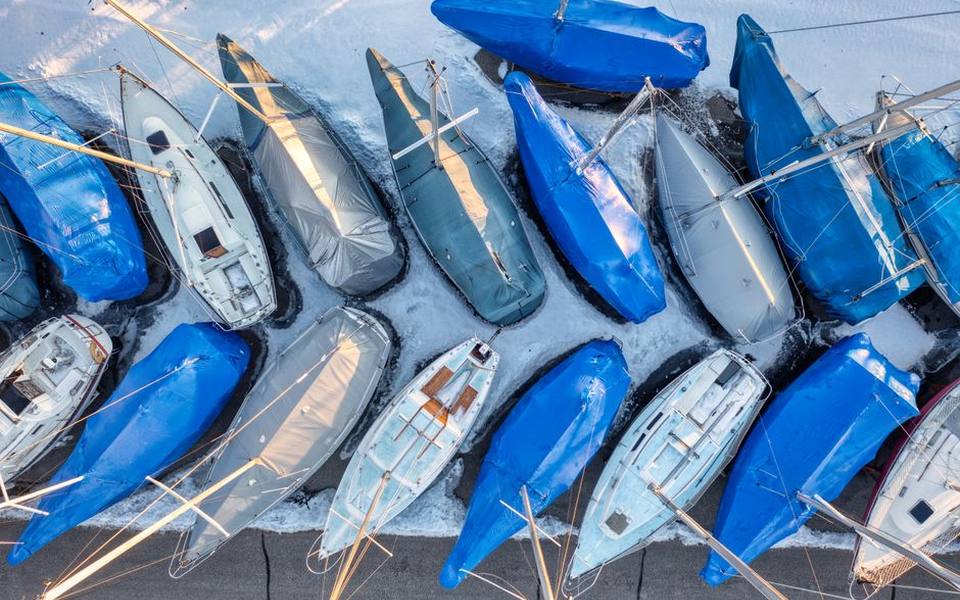
Shrink wrapping provides a custom, drum-tight exterior barrier that sheds heavy snow loads, resists ultraviolet degradation, and keeps leaves and vermin out of the cockpit. The process begins by constructing a supportive structural skeleton, generally made from clean two-by-four uprights joined by heavy woven polyester strapping. This frame creates a high-pitch ridge pole along the centerline of the boat, ensuring rainwater and melting snow slide off freely instead of pooling on unsupported flat vinyl decks.
Once the frame is secure, technicians run a durable perimeter cord beneath the boat rub rail and drape premium virgin polyethylene shrink wrap across the entire vessel. The film is typically seven to eight mils thick to withstand high winter wind gusts and prolonged snow cover. After folding the lower edge of the plastic around the perimeter band and pinning it in place with tensioning rings, a high-output propane heat tool is swept along the perimeter to lock the skirt tightly against the hull sides.
Applying heat across the main canopy requires consistent, fluid sweeps from the bottom perimeter upward to achieve uniform tension without burning holes through the film. Technicians immediately install louvered plastic vents along the peak to promote continuous cross-flow air circulation, which prevents internal condensation and mold blooms. Hanging several reusable desiccant bags inside enclosed cabin spaces and adding an optional zippered access door allows convenient winter inspections without tearing the protective film.
Comparing Storage Options and Calculating Seasonal Yard Rates
Boat owners must weigh three primary storage formats: outdoor dry storage, unheated indoor facilities, and climate-controlled indoor rack buildings. Outdoor dry storage in a secure boatyard is generally the most economical choice, typically running between $20 and $50 per linear foot for the winter season. Heated indoor storage eliminates the strict requirement for deep engine winterization and protects high-end electronics from deep freezes, but rates typically range from $75 to $160 per foot depending on local demand and building overhead.
Geography plays a decisive role in seasonal storage availability and pricing structures across North America. Boaters storing craft in colder northern destinations such as marinas in Michigan or full-service facilities across marinas in New York face hard winter freeze cycles that make indoor dry storage highly competitive. In contrast, coastal regions with mild winters may offer year-round wet storage, though wet wintering requires bubblers or ice-eaters around pilings to prevent surface ice from crushing hulls or pulling dock pilings out of the mud bed.
When evaluating commercial yard quotes, always confirm what auxiliary line items are included in the headline figure. Many commercial boatyards charge separate fees for tractor hauling, blocking cribbing, seasonal cradle rental, and spring crane splash-down. Checking your vessel insurance policy beforehand is equally vital, as many marine underwriters specify strict winter haul-out deadlines and require proof of professional winterization if a freeze-related hull or mechanical claim arises.
Deep Cleaning the Hull and Exterior Running Gear
Cleaning the running surface immediately following autumn haul-out saves significant labor, as algae, scum, and encrusted marine organisms harden quickly once exposed to dry air. While the bottom remains wet from the travel lift or trailer, a commercial pressure washer operating around 1,500 to 2,000 PSI removes slime layers and clinging vegetation without stripping sound barrier coats. Avoid placing high-pressure spray nozzles too close to transducer faces, shaft seals, or external trim tab hydraulic ram bellows.
Tackling persistent waterline stains and exhaust soot requires chemical cleaners tailored specifically to fiberglass gelcoat. Mild oxalic-acid-based solutions break down yellow mineral halos and iron tannin stains chemically within minutes, eliminating the need for coarse scouring pads that leave microscopic surface scratches. After applying the cleaner with a soft-bristled deck brush and allowing it to dwell briefly, rinse the topsides thoroughly with freshwater to prevent streak marks on surrounding aluminum rub rails.
Prior to applying winter covers or shrink wrap, inspect structural running gear, through-hull intake strainers, and sacrificial zinc anodes. Replace degraded zinc anodes that have eroded beyond fifty percent of their original physical volume, as depleted anodes offer no cathodic protection during extended layups. Applying a high-grade carnauba paste wax or polymer sealant over clean topside gelcoat seals surface pores, keeping industrial fallout, tree sap, and acid rain from staining the hull during off-season storage.
Fuel and Holding Tank Maintenance for Extended Storage
Managing fuel systems before long-term storage prevents phase separation in modern ethanol-blended gasoline and bacterial growth in marine diesel. The most effective approach for cleaning a fuel tank involves running the system low, inspecting the bottom of the tank with an optical probe for sludge deposits, and using a specialized fuel polishing pump to filter out sediment and suspended moisture. If heavy phase separation has already occurred in a gasoline tank, the safest solution is to completely pump out the degraded fuel and dispose of it responsibly rather than attempting to restore it with chemical additives.
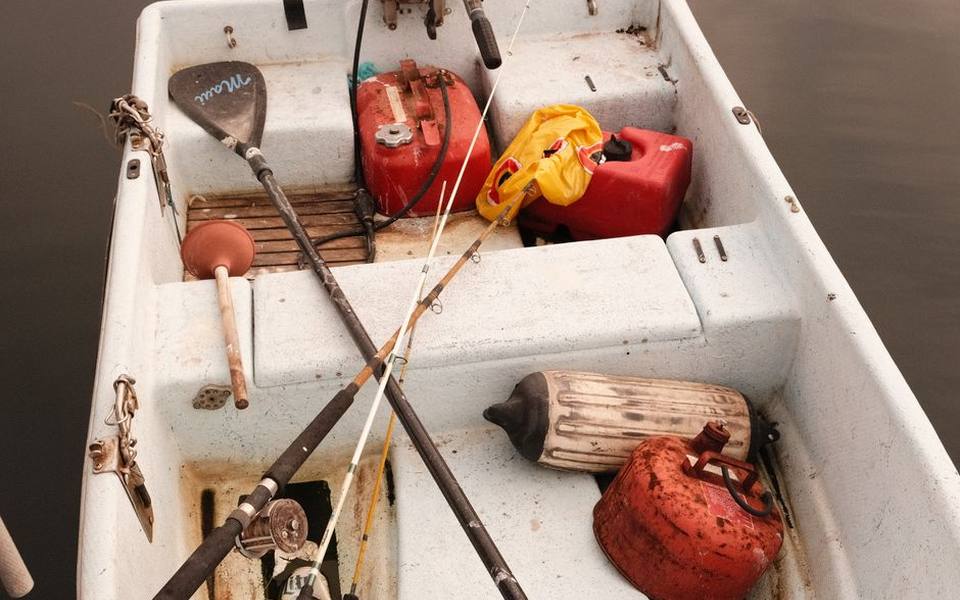
Diesel fuel tanks face distinct biological challenges during extended storage, particularly microbial blooms that thrive at the fuel-water boundary layer. Treating diesel fuel with an EPA-registered biocide before topping off the tank to roughly ninety percent capacity limits internal condensation on aluminum tank walls while starving biological colonies. Regularly servicing the water separator bowl and draining any standing droplets from bottom petcocks keeps the fuel system pristine until spring engine recommissioning.
Sanitation systems also require thorough chemical treatment before temperatures fall below freezing. Marine holding tanks benefit from the same bio-enzymatic digesters commonly recognized as the best solutions for RV black water systems, which use natural bacteria and targeted enzymes to liquefy sludge and eliminate odor-causing anaerobic compounds. After pumping out the holding tank completely at an authorized pump-out station, flush several gallons of clean water mixed with enzymatic cleaner through the toilet bowl, empty the tank again, and draw non-toxic marine antifreeze through the macerator pump.
Winter Care and Selection for Electric Trolling Motors
Modern electric trolling motors require dedicated seasonal inspection to protect electronic heading sensors, brushless lower units, and high-voltage wiring circuits. Begin your maintenance routine by removing the propeller to check the drive pin and inspect the prop shaft for discarded monofilament or braided fishing line. Tangled line easily cuts through rubber armature shaft seals, allowing lake water to infiltrate the internal motor housing where it corrodes magnets and shorts electronic windings over the winter.
Boaters looking to upgrade during the off-season generally gravitate toward top-rated brushless trolling motors featuring digital GPS anchor lock, automated stow and deploy linkages, and quiet pulse-width modulation speed controls. When selecting a motor, match the shaft length precisely to your vessel bow height to prevent prop cavitation in chop, and calculate battery bank voltage based on your boat total displacement. Upgrading from traditional brushed motors to modern brushless units significantly reduces amp draw while delivering higher thrust in heavy river currents.
Battery care remains the most critical factor in preserving electric trolling motor performance during sub-zero storage periods. Advanced lithium iron phosphate (LiFePO4) packs must not be charged when cell temperatures drop below freezing, as cold charging can cause irreversible metallic lithium plating on internal anodes. Disconnect lithium or AGM battery banks from the motor, store them in a climate-controlled basement or insulated garage at roughly fifty to seventy percent charge, and inspect terminal hardware for corrosion.
Mastering Slip Docking Maneuvers During Seasonal Haul-Out
Autumn haul-out often brings brisk winds and shifting tidal currents, turning the process of docking in a narrow slip into a challenging exercise in boat handling. Successful docking relies on understanding directional thrust and using bare steerageway speed, maintaining just enough forward momentum to hold your line without losing rudder authority. Always approach the dock into the prevailing wind or current whenever possible, which provides natural braking action and gives the helmsman precise control over forward headway.
Crew coordination and line management matter far more than engine horsepower when maneuvering near commercial travel lift wells. Secure a midship spring line to a cleat on the finger pier before attempting to wrestle bow or stern lines; a tensioned spring line arrests forward momentum smoothly and pulls the boat parallel to the dock fendering. Keep crew members seated with hands inside the gunwales, never allowing anyone to jump to the dock or attempt to manually fend off a moving multi-ton vessel.
If you are navigating unfamiliar waters to reach an inland haul-out boatyard, take time to study approach channels and staging docks in advance. Many skippers utilize designated marinas with transient slips for an overnight stay before hauling out, allowing engines to cool properly and giving crews time to de-rig canvas. For trailerable boats, selecting protected marinas with boat launch access shields your tow vehicle and trailer from heavy crosswinds while backing down the ramp.
Off-Season Boating Planning: Courses, Charters, and Preparation
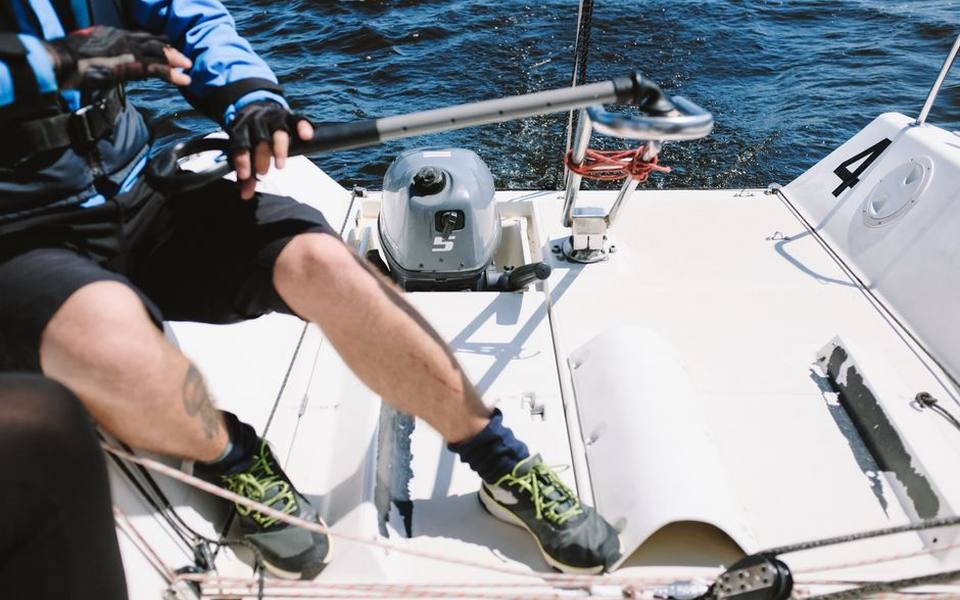
The cold winter months offer a productive window for skippers and families to expand their seamanship skills through formal shore-side education. Enrolling in structured sailing courses for beginners provides fundamental mastery over aerodynamic sail trim, rules of the road, knot work, and basic navigation charts before ever setting foot on a live deck. Most introductory courses combine winter classroom study with hands-on spring tiller sessions aboard small centerboard dinghies or responsive twenty-foot keelboats.
Winter is also the ideal time to map out warm-weather vacations and compare seasonal water sports equipment rentals along coastal waterways. If you plan to explore southern destinations like marinas in Florida, researching watercraft options ahead of time avoids holiday surges; typical jet ski rental rates generally fall between $85 and $160 per hour depending on peak holiday scheduling, engine displacement, and safety equipment inclusions offered through marinas offering boat rentals.
Finally, establishing a structured spring recommissioning calendar while your boat sits winterized ensures you beat the seasonal service rush come April. Create an inventory of spare impellers, zinc anodes, bottom paint quarts, and fuel filters so components are in hand before commercial marine supply houses experience supply chain delays. Inspect dock lines, life jackets, and visual distress flares for expiration dates, setting the stage for a smooth, trouble-free launch day when warmer weather returns.
Published 2026-09-20 · reviewed with each rebuild, last September 2026.
Find marinas near you
The directory lists 7,143 marinas by state and city — pick your state or use the “Near me” button in the header.
More guides
-
 Safety
Boat Fire Extinguisher Inspection: Schedule, Checklist, and Costs
-
 Money
MoneyBoat Club Membership Costs: Initiation Fees, Monthly Dues, and Ownership Comparison
-
 Storage
Boat Slips and Docking Fees: How Much Does It Cost to Keep a Boat in the Water?
-
 Owning
Essential Nautical Terms and Practical Boating Knowledge: From the Helm to Harbor Life
-
 Owning
A Practical Guide to Boat Mooring: Buoys, Lines, and Technique
-
 Safety
Essential Boat Safety Gear, Marine Electronics, and Equipment Guide
-
 Service
Outboard Engine Service and Rebuild Costs: What Boat Owners Should Expect to Pay
-
 Safety
Marine Weather Forecasts and Warnings: Reading NOAA Reports and Coastal Maps
-
 Safety
Boating Safety Certification and Licensing: State Requirements and Exam Prep
-
 Service
Saltwater and Freshwater Fishing Charters: Choosing Inshore, Offshore, and Deep Sea Trips
-
 Owning
Bareboat Yacht Charters: How to Rent, Qualifications, and Cruising Preparation
-
 Buying
Pontoon & Tritoon Boats: Buying, Renting, Models, and Pricing Guide
-
 Owning
Holiday Boat Parades and Coastal Festivals: Viewing Guide and Schedules
-
 Buying
A Complete Guide to Buying Used Boats: Valuations, Inspections, and Registration
-
 Owning
Waterfront Dining and Dockside Restaurants: Boater's Guide to Dock and Dine
-
 Owning
Dockside Bait Systems, Live Bait Sourcing, and Fish Cleaning Station Setup
-
 Safety
Marine Fire Safety Inspection and Extinguisher Maintenance
-
 Storage
Complete Guide to Boat Winterization, Shrink Wrapping, and Storage Covers
-
 Buying
Electric Boat Motors and Trolling Systems: The Practical Conversion Guide
-
 Owning
A Practical Guide to Public Boat Launches, Kayak Ramps, and Water Access
-
 Owning
Marine Lithium Batteries vs AGM: Setup, Charging, and Performance
-
Service
Boat Fiberglass & Gelcoat Repair Guide: Fixing Cracks, Blisters & Scratches
-
Service
Marine Fuel Tank Cleaning and Rust Removal Guide
-
Safety
USCG Captain's License Guide: OUPV 6-Pack Requirements and Renewal
-
Buying
Boat Dinghies and Inflatables Guide: Types, Motors, and Selection
-
Service
Boat Towing Services and Marine Assistance Memberships Explained
-
Owning
Boat Lettering, Registration Numbers, and Custom Vinyl Decals
-
Service
Outboard Motor and Lower Unit Maintenance, Repair, and Marine Diesel Guide
-
Buying
Shallow Water Anchor Systems: Power-Pole vs. Minn Kota Talon & Raptor
-
 Service
Complete Guide to Marine Bottom Paint and Antifouling Application
-
Owning
Cruising America's Great Loop: Route Planning, Boat Choice, and Cruising Resources
-
Service
Boat and Fishing Charters: Complete Guide to Styles, Rates, and Booking
-
Buying
Personal Watercraft and Jet Ski Guide: Models, Rentals, and Buying
-
 Owning
Marine Supply Stores and Chandleries: Outfitting Your Boat
-
Safety
Marine Weather Forecasts and NOAA Wave Reports: A Practical Boater's Guide
-
Safety
USCG Boat Registration, Boater Education, and Navigational Safety Rules
-
Owning
Marine Lithium Batteries, Solar Panel Systems, and Trickle Charging Guide
-
Service
Boat Trailer Maintenance: Bearings, Replacement Kits, and Towing Prep
-
Safety
Marine VHF Radio Frequencies, Channels, and Electronics Setup
-
 Service
Complete Boat Hull Maintenance Guide: Washing, Acid Cleaners, Gelcoat Repair, and Antifouling Paint
-
Service
Fixing Inflatable Boat Leaks and Replacing Worn Bimini Top Canvas
-
Owning
Buoy Mooring Setup, Dock Lines, Cleat Hitch Knots, and Anchor Pins
-
 Owning
Boat Trim Tabs Guide: Lenco, Zipwake, Bennett, and Electric vs Hydraulic
-
Owning
Upgrading Boat Swim Platforms, Boarding Ladders, and Marine Vinyl Seating
-
Owning
Best Gifts for Boaters, Practical Marine Accessories, and Kayak Storage Racks