The Difference Between a Boating License and a Safety Certificate
In the recreational boating world, people frequently talk about getting a boating license, but in almost every state, that is not technically what you receive. Unlike motor vehicle departments that issue renewable driving licenses subject to point deductions and routine expiration dates, marine authorities usually require an education credential known as a safe boating certificate or boater education card. Once earned, this credential typically does not expire and serves as lifetime proof that you understand fundamental navigational rules, emergency procedures, and watercraft handling.
A true maritime license, such as an operator of uninspected passenger vessels credential issued by the United States Coast Guard, is designated specifically for commercial captains carrying paying passengers. For recreational skippers taking family out for an afternoon cruise, state laws focus on baseline competency rather than professional commercial licensing. Confusion often arises because enforcement officers ask for your card just as a police officer asks for a driver's license, leading many newcomers to search for licensing requirements when they simply need an approved recreational course.
Understanding this distinction saves time and prevents you from enrolling in expensive commercial maritime training when your local marina or natural resources agency only requires basic certification. Whether you operate an outboard runabout, a cabin cruiser, or a personal watercraft, completing the required educational curriculum fulfills your statutory obligation. It provides the legal authorization you need to operate a vessel on public waters without running afoul of marine patrol agencies.
Why NASBLA Approval Determines State Reciprocity
When evaluating education providers, the single most critical detail to verify is whether the curriculum carries formal approval from the National Association of State Boating Law Administrators, universally abbreviated as NASBLA. Working in direct partnership with the United States Coast Guard, NASBLA establishes national education standards that cover essential seamanship, sound navigational etiquette, and core emergency protocols. Without this specific accreditation, a certificate issued by a private school or club may not meet your state wildlife agency's legal criteria.

Interstate reciprocity represents the primary practical advantage of taking a NASBLA-approved program. If you complete your coursework in your home state and travel elsewhere for a weekend getaway, most other jurisdictions will recognize your home credential as valid on their waters. This prevents traveling boaters from having to retake separate exams in neighboring states, provided the credential physically reflects recognized standards. State marine law enforcement officers look specifically for the official logo or state seal printed on your card during dockside verifications.
Before paying tuition or investing several study evenings into an online course, confirm that the syllabus includes national standard compliance. Reputable course providers prominently display their approval status on their introductory enrollment pages. Choosing an unauthorized provider can result in wasted money, invalid paperwork during an unexpected law enforcement encounter, and an embarrassing ticket that forces you to retake an authorized examination anyway.
Navigating State Laws and Phased Implementation Schedules
Recreational vessel requirements vary across the country, creating a complex legal landscape for new skippers. Some jurisdictions enforce laws based on birth dates, requiring anyone born after a specific target year to hold an education card, while older boaters are grandfathered in without mandatory schooling. For example, boaters planning trips to coastal destinations often check regulations for marinas in Florida, where operators born on or after January 1, 1988, must carry approved photo identification alongside their boater safety card.
Other states have moved toward universal phase-in schedules that gradually eliminate grandfather clauses altogether. In the Northeast, skippers visiting marinas in New York face progressive mandates under Brianna's Law, which systematically expands mandatory education across every age bracket until all motorized watercraft operators must hold certification regardless of age. Similarly, skippers docking at marinas in California are required to obtain the state-issued boater card as phased implementation reaches complete coverage across all age demographics.
Personal watercraft operations almost universally carry stricter mandates than traditional motorized vessels. Many states enforce higher minimum operator ages for jet skis, prohibit young operators from riding without direct adult supervision, or ban minors from operating them under any circumstances. Before heading out, you should always consult your local Department of Natural Resources or state police marine division website to review the exact age thresholds and horsepower restrictions applicable to your specific vessel class.
Classroom Instruction Versus Online Self-Paced Courses
Prospective boaters can generally choose between structured in-person classroom instruction and self-paced digital platforms to complete their training. Traditional classroom classes, frequently organized by volunteer units of the Coast Guard Auxiliary, America's Boating Club, or state conservation officers, typically run over a single weekend or across several weekday evenings. These in-person settings provide immediate access to seasoned mariners who can share localized navigational wisdom, tidal nuances, and practical advice tailored directly to regional waterways.
Online learning platforms have become the dominant choice for busy recreational owners because they allow students to progress through training modules on their own schedule. High-quality digital courses use interactive animations, voiceovers, and scenario-based review questions to reinforce concepts such as buoyage systems and right-of-way rules. Most systems let you log in from desktop computers or mobile devices, saving your progress across multiple sessions so you can absorb dense technical material without sitting through an exhaustive eight-hour lecture.
Choosing between formats usually comes down to personal learning style and immediate time constraints. If you appreciate hands-on demonstrations of knot tying, physical chart plotting, and live question-and-answer exchanges with experienced boaters, an in-person workshop is well worth your weekend. If your schedule requires studying after work or late at night, an accredited online option delivers the exact same legal credential once you complete the final timed or untimed assessment.
Core Topics Covered on the Safety Examination
Regardless of whether you study in a community center or behind a laptop screen, the underlying curriculum covers a standard set of nautical fundamentals. A substantial portion of the exam focuses on the international and inland navigational rules of the road. Students must learn how to identify stand-on vessels and give-way vessels during crossing, overtaking, and head-on situations. Mastering these steering principles ensures you make predictable, defensive maneuvers when meeting other boats in congested channels.
Aids to navigation constitute another heavily tested topic on every state examination. You will study the United States lateral buoyage system, memorizing the classic rule of returning from sea with red markers kept on your starboard side. Beyond simple channel buoys, tests address regulatory markers such as white buoys with orange geometric shapes that signal speed limits, swim areas, shallow shoals, and restricted military or environmental zones that boaters must recognize immediately from a distance.
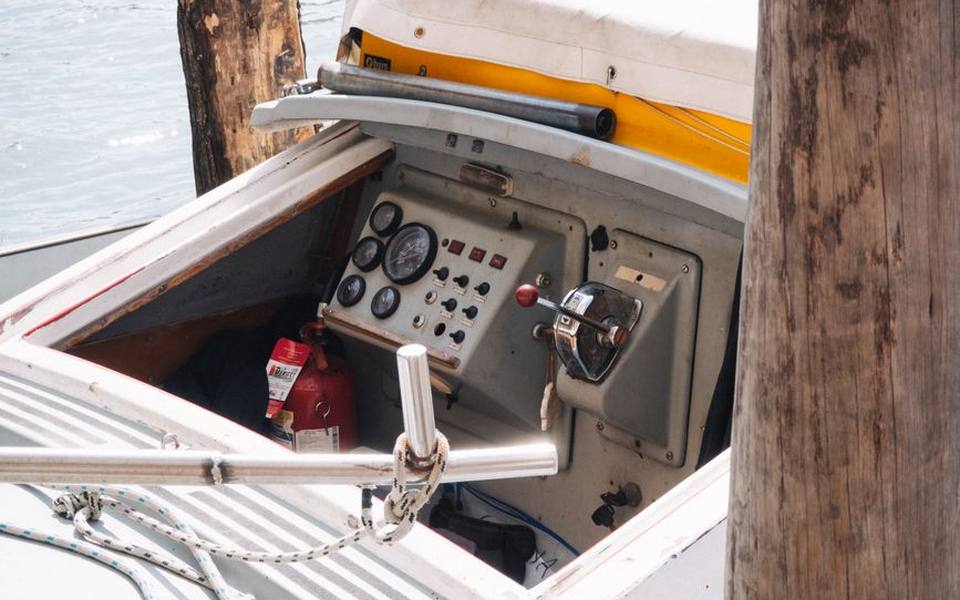
Finally, comprehensive modules examine onboard safety gear requirements, emergency response protocols, and legal liabilities. You will learn life jacket classifications, mandatory fire extinguisher ratings based on vessel length, sound-signaling requirements, and visual distress equipment. Courses also cover environmental stewardship, fuel spill prevention, proper ventilation procedures to prevent bilge explosions, and the severe civil and criminal penalties associated with operating a motorized watercraft while intoxicated.
Practical Preparation and Tackling Practice Tests
Achieving a passing score on your final certification test requires more than casually skimming the study modules. Most states require students to score at least seventy to eighty percent on a multiple-choice exam consisting of forty to sixty questions. While the material is straightforward, questions are often written to test precise definitions, such as distinguishing between vessel operating privileges in narrow channels or recognizing specific nighttime navigation light configurations on commercial tugs and barges.
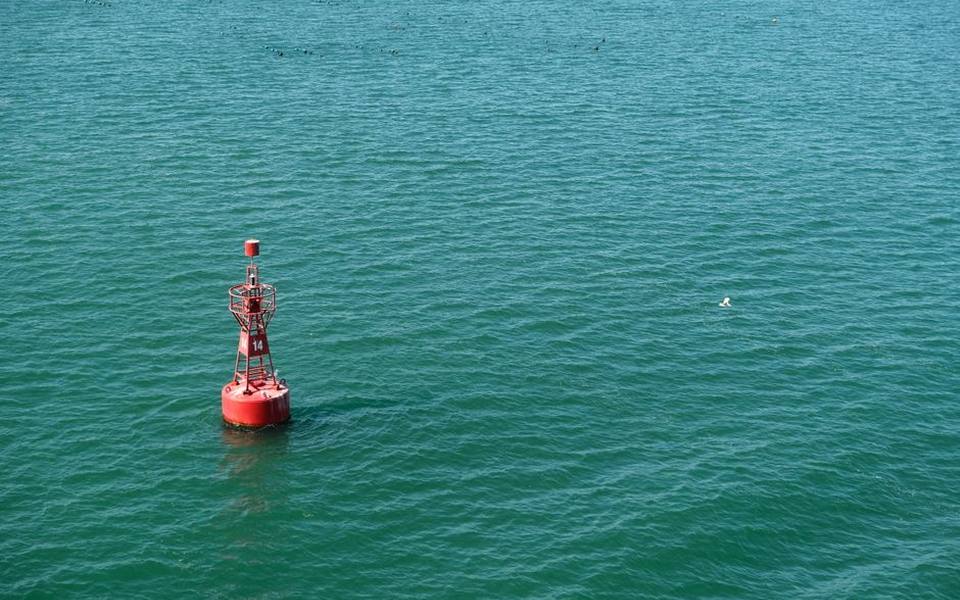
Working through multiple online practice tests is the most reliable way to identify gaps in your nautical knowledge before taking the scored exam. Pay special attention to questions concerning required safety equipment, as exact extinguisher ratings and child life jacket laws vary depending on vessel dimensions and local jurisdiction. If you miss a practice question regarding night navigation or wake-crossing courtesy, return to that specific textbook chapter and reread the foundational rule until the logic becomes second nature.
Pacing yourself during the evaluation prevents careless mistakes caused by misreading question stems or confusing port and starboard light colors. Read every scenario fully before reviewing the answer choices, noting whether the question asks for the vessel required to maintain course or the vessel required to turn. In most modern online setups, the testing software allows you to review your answers prior to final submission, giving you an opportunity to catch unintended selections.
Receiving Your Official Card and Carrying Proof on Board
After passing your evaluation, the procedure for receiving your physical proof of certification depends on your state natural resources office. Many online course providers issue an immediate digital certificate or temporary paper permit that allows you to operate legal vessels right away. Your permanent plastic wallet card is typically mailed within two to six weeks, depending on state administrative processing timelines and seasonal backlogs heading into late spring.
In an increasing number of states, wildlife agencies coordinate directly with departments of motor vehicles to place an official marine endorsement directly on your regular driver's license. When renewing your state driver's credential, you can present your boating certificate number to have a small anchor symbol or official educational notation printed on the card. This convenience eliminates the need to carry an extra plastic credential every time you step foot onto a boat.
Keep in mind that possessing a certificate does you no good if you cannot present it during an inspection. Marine law enforcement officers will not simply take your word for it if you are stopped for a routine safety check or moving violation. Whether you keep the physical plastic card tucked into your vessel registration pouch, store a laminated card inside your wallet, or maintain an approved digital wallet pass on your smartphone, ensure valid proof is always readily accessible aboard.
Rental Guidelines and Out-of-State Travel Considerations
Vacationers who do not own a vessel frequently assume they are exempt from educational mandates when renting watercraft, but state laws increasingly apply to commercial liveries as well. Many marine rental operations located near busy waterways require renters to provide proof of completed boater education before turning over the keys. When customers lack a card, select states permit operators to issue a temporary, single-day rental checklist after conducting a mandatory ten-minute dockside briefing.
These short-term rental permits are strictly valid for the duration of that specific rental contract and do not grant ongoing operating privileges once your vacation ends. If you frequently book vessels from marinas offering on-site boat rentals across different lakes or coastal bays, completing a permanent NASBLA-approved course eliminates paperwork hurdles and qualifies you for rental access across nearly every commercial outfitter in the country.
Cruising between states on longer itineraries requires careful attention to regional operational standards. When docking at facilities with transient slips in neighboring states, your home state certificate will protect your operating privileges under reciprocity pacts, but you must still obey the host state's local equipment rules, wake zones, and speed limitations. Navigating waters like interstate reservoirs or boundary rivers requires staying informed on which state's environmental police have jurisdiction over specific channels.
Dockside Inspections and Law Enforcement Encounters
Routine interactions with conservation officers, county harbor patrols, and Coast Guard boarding teams are standard elements of recreational boating. Unlike road traffic stops, marine law enforcement agencies have broad authority to perform safety equipment and credential checks on vessels operating in public waters, even without an obvious moving violation. Knowing your paperwork is in order keeps these routine interactions fast, polite, and completely stress-free.
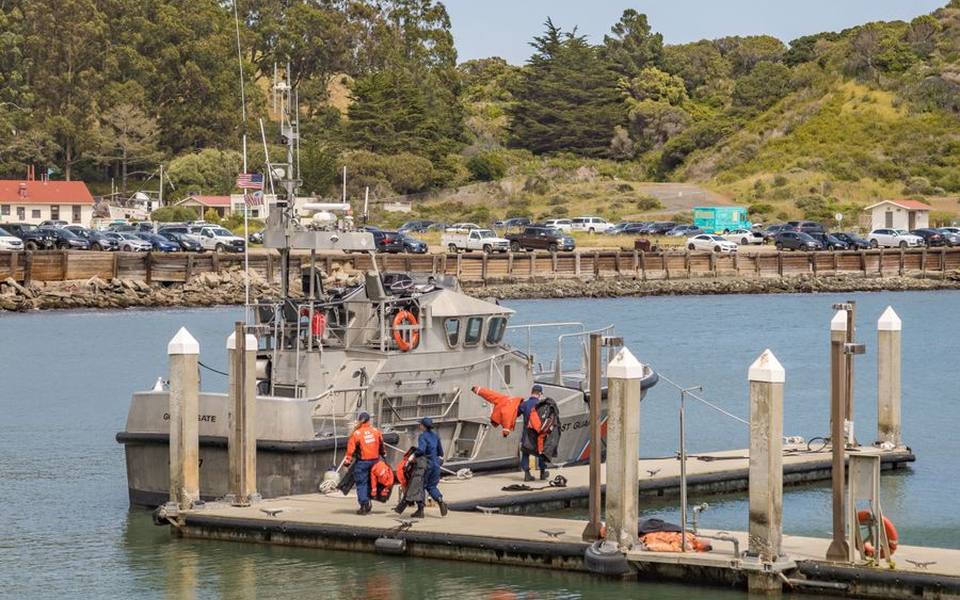
Officers regularly position themselves near busy launch facilities, observing behavior as boaters queue for a boat launch ramp during peak morning and afternoon hours. Beyond checking for your boater education certificate, inspectors look for properly fitted personal flotation devices for every soul on board, functional fire extinguishers, sound-producing horns or whistles, valid registration stickers, and clean bilges free from excessive fuel fumes or uncontained oil leaks.
Operating without a mandatory safety certificate when state law requires one typically results in an infraction citation that carries a monetary fine. In some states, repeating offenses escalate penalties, and conservation officers possess the statutory authority to escort an uncertified skipper back to the marina or public dock, terminating the day's voyage immediately. Carrying your credentials ensures your boat outing remains enjoyable and avoids frustrating court dates or unexpected administrative fines.
Insurance Savings and Continuing Boating Education
Holding a safe boater certificate provides financial advantages that extend beyond avoiding citations from marine patrol units. The vast majority of marine insurance underwriters offer premium discounts to policyholders who submit certified proof of completed boater education. Because statistical data clearly links formal training with reduced collision risks and lower claim frequencies, insurers frequently reduce annual liability and hull damage premiums for certified owners.
Baseline certification should be viewed as an entry point into seamanship rather than the finish line of your nautical education. Recreational boating involves dynamic environments where weather conditions change suddenly, tides shift, and electronic navigation systems can fail without warning. Once you master core fundamentals, continuing your maritime education with specialized courses in coastal navigation, radar interpretation, basic marine diesel maintenance, and electronic chart plotting will significantly enhance your onboard confidence.
Local flotillas and community yachting associations routinely run affordable seminars covering seasonal topics like heavy-weather seamanship, anchoring in complex anchorages, and advanced trailering procedures. Investing time into expanding your practical knowledge protects your investment, keeps your guests safe, and fosters greater enjoyment every time you slip the lines and point your bow toward open water.
Published 2026-09-21 · reviewed with each rebuild, last September 2026.
Find marinas near you
The directory lists 7,144 marinas by state and city — pick your state or use the “Near me” button in the header.
More guides
-
 Safety
Boat Fire Extinguisher Inspection: Schedule, Checklist, and Costs
-
 Money
MoneyBoat Club Membership Costs: Initiation Fees, Monthly Dues, and Ownership Comparison
-
 Storage
Boat Winterization and Storage: Costs, Checklist, and Shrink Wrapping Guide
-
 Storage
Boat Slips and Docking Fees: How Much Does It Cost to Keep a Boat in the Water?
-
 Owning
Essential Nautical Terms and Practical Boating Knowledge: From the Helm to Harbor Life
-
 Owning
A Practical Guide to Boat Mooring: Buoys, Lines, and Technique
-
 Safety
Essential Boat Safety Gear, Marine Electronics, and Equipment Guide
-
 Service
Outboard Engine Service and Rebuild Costs: What Boat Owners Should Expect to Pay
-
 Safety
Marine Weather Forecasts and Warnings: Reading NOAA Reports and Coastal Maps
-
 Service
Saltwater and Freshwater Fishing Charters: Choosing Inshore, Offshore, and Deep Sea Trips
-
 Owning
Bareboat Yacht Charters: How to Rent, Qualifications, and Cruising Preparation
-
 Buying
Pontoon & Tritoon Boats: Buying, Renting, Models, and Pricing Guide
-
 Owning
Holiday Boat Parades and Coastal Festivals: Viewing Guide and Schedules
-
 Buying
A Complete Guide to Buying Used Boats: Valuations, Inspections, and Registration
-
 Owning
Waterfront Dining and Dockside Restaurants: Boater's Guide to Dock and Dine
-
 Owning
Dockside Bait Systems, Live Bait Sourcing, and Fish Cleaning Station Setup
-
 Safety
Marine Fire Safety Inspection and Extinguisher Maintenance
-
 Storage
Complete Guide to Boat Winterization, Shrink Wrapping, and Storage Covers
-
 Buying
Electric Boat Motors and Trolling Systems: The Practical Conversion Guide
-
 Owning
A Practical Guide to Public Boat Launches, Kayak Ramps, and Water Access
-
 Owning
Marine Lithium Batteries vs AGM: Setup, Charging, and Performance
-
Service
Boat Fiberglass & Gelcoat Repair Guide: Fixing Cracks, Blisters & Scratches
-
Service
Marine Fuel Tank Cleaning and Rust Removal Guide
-
Safety
USCG Captain's License Guide: OUPV 6-Pack Requirements and Renewal
-
Buying
Boat Dinghies and Inflatables Guide: Types, Motors, and Selection
-
Service
Boat Towing Services and Marine Assistance Memberships Explained
-
Owning
Boat Lettering, Registration Numbers, and Custom Vinyl Decals
-
Service
Outboard Motor and Lower Unit Maintenance, Repair, and Marine Diesel Guide
-
Buying
Shallow Water Anchor Systems: Power-Pole vs. Minn Kota Talon & Raptor
-
 Service
Complete Guide to Marine Bottom Paint and Antifouling Application
-
Owning
Cruising America's Great Loop: Route Planning, Boat Choice, and Cruising Resources
-
Service
Boat and Fishing Charters: Complete Guide to Styles, Rates, and Booking
-
Buying
Personal Watercraft and Jet Ski Guide: Models, Rentals, and Buying
-
 Owning
Marine Supply Stores and Chandleries: Outfitting Your Boat
-
Safety
Marine Weather Forecasts and NOAA Wave Reports: A Practical Boater's Guide
-
Safety
USCG Boat Registration, Boater Education, and Navigational Safety Rules
-
Owning
Marine Lithium Batteries, Solar Panel Systems, and Trickle Charging Guide
-
Service
Boat Trailer Maintenance: Bearings, Replacement Kits, and Towing Prep
-
Safety
Marine VHF Radio Frequencies, Channels, and Electronics Setup
-
 Service
Complete Boat Hull Maintenance Guide: Washing, Acid Cleaners, Gelcoat Repair, and Antifouling Paint
-
Service
Fixing Inflatable Boat Leaks and Replacing Worn Bimini Top Canvas
-
Owning
Buoy Mooring Setup, Dock Lines, Cleat Hitch Knots, and Anchor Pins
-
 Owning
Boat Trim Tabs Guide: Lenco, Zipwake, Bennett, and Electric vs Hydraulic
-
Owning
Upgrading Boat Swim Platforms, Boarding Ladders, and Marine Vinyl Seating
-
Owning
Best Gifts for Boaters, Practical Marine Accessories, and Kayak Storage Racks