The Reality of Chartering a Vessel on Your Own Command
A bareboat rental gives you complete command of a sailing or motor yacht without a paid captain or crew on board. When you sign the charter agreement, you step into the role of skipper, assuming total legal and operational responsibility for the vessel, your crew, and any damage that occurs during the voyage. Charter bases hand over the keys only after confirming that someone in your party has the skills to manage navigation, close-quarters docking, anchoring, and onboard mechanical systems in varying weather conditions.
The terminology often varies depending on the cruising ground, with international operators frequently describing the arrangement as a bareboat hire. Regardless of whether you call it a charter, hire, or lease, the core premise remains identical: the company supplies a seaworthy, fully equipped yacht, and you supply the seamanship. If your experience is light, charter companies generally allow you to hire a local checkout skipper for the first day or two to help you settle in before going solo.
While many travelers start their boating journey with basic runabouts from marinas offering on-site boat rentals, stepping up to a liveaboard cruising yacht requires a much broader skill set. You are not simply driving from point A to point B; you are managing a complex floating home equipped with auxiliary diesel engines, alternating electrical systems, pressurized plumbing, marine heads, and comprehensive navigation suites that demand regular attention.
Before setting foot on the dock, you need an honest appraisal of your abilities and the comfort level of your crew. Cruising shorthanded or with inexperienced passengers turns every docking maneuver, anchor drop, and squall into an all-hands event. Taking the time to understand the demands of bareboat operations beforehand transforms what could be a stressful challenge into one of the most rewarding adventures on the water.
Sailing Resumes, Certifications, and Skipper Qualifications
To secure a charter vessel, the designated captain must submit a detailed sailing resume outlining previous experience as skipper of record. Charter companies review the size of vessels you have handled, the waters you have sailed, recent charter history, and whether your experience matches the displacement and rig of the yacht you wish to book. Having twenty years of dinghy racing experience is respected, but bases want to see demonstrated command of a thirty-five to fifty-foot auxiliary cruiser.

Formal certifications are not always legally mandatory in domestic waters, but having credentials from recognized organizations like the American Sailing Association (ASA) or US Sailing simplifies the approval process. For domestic itineraries, completing coursework through the bareboat cruising level usually satisfies the base manager. If you plan to cruise internationally, many jurisdictions require an International Certificate of Competence (ICC) or an equivalent formal qualification before issuing cruising permits.
Charter bases frequently conduct a short dockside interview or an on-water checkout before handing over total control. The base captain might ask you to back out of a narrow slip, pick up a mooring buoy under power, or talk through basic diesel engine troubleshooting. Failing an on-water checkout does not necessarily cancel your vacation, but it typically means the company will mandate a hired captain at your expense until the base staff feels confident in your handling.
Base Logistics and Navigating Mooring Field Charters
Most bareboat operations run out of dedicated charter hubs designed to get dozens of yachts turned around, inspected, and dispatched every week. Understanding the cadence of base operations helps you plan your arrival, provisioning, and departure smoothly. Early boarding options are sometimes available, allowing your crew to sleep aboard the first evening at the dock, unpack gear, and familiarize themselves with the layout before attending briefings the following morning.
In world-class destinations, many cruising routes revolve around organized mooring fields rather than traditional marina docks. Opting for moorings bareboat charters allows you to explore delicate reef systems and crowded anchorages where dropping ground tackle might damage seabed habitats or drag on poor holding ground. Base managers provide local charts indicating approved mooring areas, fee schedules, and the specific pennant configurations used across different island or harbor jurisdictions.
Operating around moorings requires clear communication between the helm and the bow watch. Approaching a mooring buoy into the wind or current at idle speed prevents running over the painter, which can quickly wrap around your propeller or rudder. Once secured with your own bridal lines, you gain the peace of mind that comes with tested mooring hardware, freeing you up to enjoy the anchorage without the continuous anchor watch required in open roadsteads.
Selecting the Right Hull: Monohulls versus Multihulls
Choosing between a traditional monohull and a modern cruising catamaran defines your entire onboard experience, fuel consumption, and handling characteristics. Monohulls offer unmatched upwind sailing performance, a classic ocean-going feel, and the ability to squeeze into tighter marina slips. They tend to be more affordable to rent and appeal to purists who enjoy the dynamic helm response and natural heel of a single displacement hull.
Catamarans have surged in popularity across bareboat fleets due to their immense living space, flat sailing profile, and shallow draft. With twin engines spaced far apart, catamarans can pivot in their own length, which eases close-quarters maneuvering once you learn to steer using the throttles rather than the wheel. The expansive cockpit, salon, and forward trampolines offer exceptional comfort at anchor, making them an ideal platform for larger groups or families.
However, multihulls carry specific operational challenges that skippers must respect. Their wide beam makes finding slip availability at commercial docks far more difficult, and many facilities charge up to one-and-a-half or two times the standard dockage rate. Additionally, catamarans do not heel to spill wind pressure like monohulls do, requiring the skipper to reef sails earlier based strictly on wind instruments rather than the physical lean of the boat.
Mastering the Technical Systems Briefing at the Dock
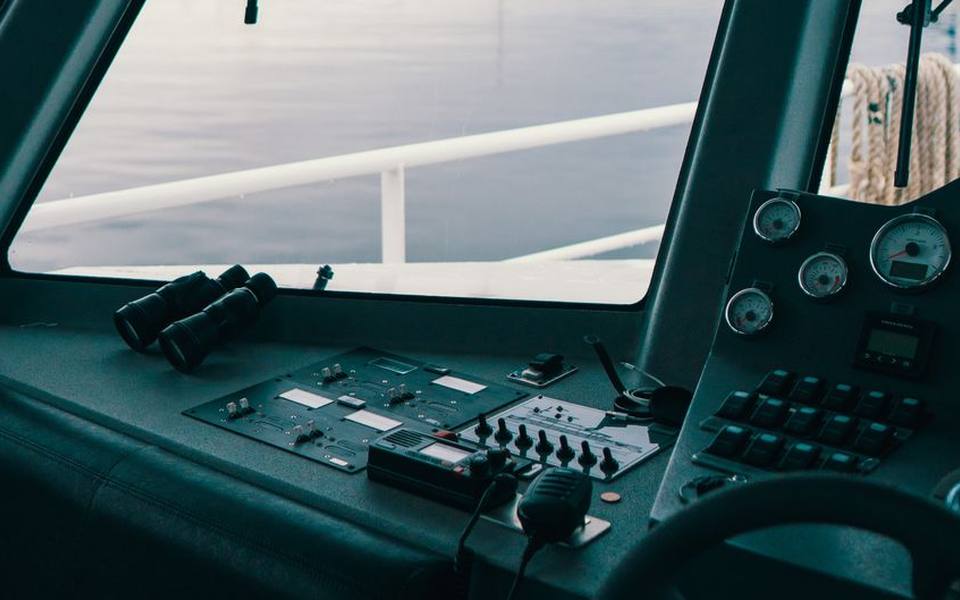
Before casting off, the charter company will guide you through a comprehensive technical checkout of the yacht. This briefing is your best opportunity to discover where everything is located and test every critical system with an experienced technician standing beside you. Do not rush this process; taking detailed notes and running through every switch on the electrical distribution panel will save hours of frustration out on the water.
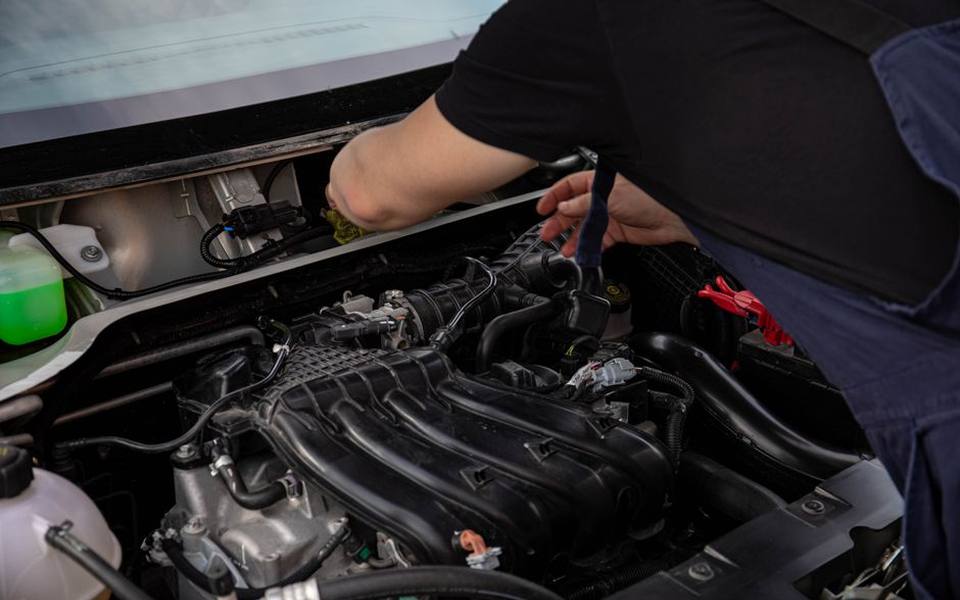
Pay special attention to the auxiliary engine and daily check procedures. You should locate the raw water sea strainer, coolant reservoir, dipstick, fuel shut-off valves, and spare impeller kits. Ensure you understand how to switch battery banks, monitor house voltage, and operate the onboard marine heads. Marine plumbing systems are notoriously sensitive, and base managers will make it very clear that clearing a clogged head caused by improper waste disposal is universally billed to your security deposit.
Inventory the safety equipment, emergency tiller, bilge pump switches, and ground tackle thoroughly. Verify that the anchor windlass operates under power and check the length of chain marked on the rode. Confirming that your fresh water tanks are completely topped up and that the galley propane solenoids shut off properly ensures your crew remains safe, comfortable, and self-sufficient while away from base support.
Plotting Courses, Tides, and Cruising Ground Constraints
A successful bareboat charter depends on realistic route planning tailored to the weather, tides, and stamina of your crew. It is tempting to draft ambitious itineraries with long passage days, but pushing hard against prevailing winds quickly exhausts passengers. Leaving flexibility in your schedule allows you to stay an extra day in a protected cove or sit out localized squalls without feeling pressured to travel in marginal conditions.
Cruising grounds like the protected waters of Florida offer shallow sandbars, mangrove passes, and Intracoastal access, while high-latitude destinations like Washington introduce substantial tidal ranges, heavy currents, and cold-water considerations. Base briefings always include geographic boundaries known as red zones where charter boats are strictly prohibited from navigating due to submerged hazards, restricted military areas, or lack of salvage coverage.
Always review the daily weather forecast before pulling the anchor each morning, checking both general sea state predictions and localized thermal breezes. When arriving at popular harbors, plan to reach your chosen anchorage by early afternoon. Finding a reliable swinging room or securing an empty mooring ball becomes significantly more difficult as dusk approaches and charter traffic peaks.
Managing Tankage, Power, and Marina Slips Mid-Voyage
Living off the grid requires active resource management from every member of the crew. Modern charter yachts carry substantial fresh water and fuel capacity, but wasteful habits can drain reserves in a couple of days. Teaching passengers to take short navy showers and shut off running taps preserves your water supply and avoids unexpected detours to commercial fuel docks for emergency top-offs.
Managing the yacht's house battery bank is equally vital, especially when running refrigeration and cabin fans in warm climates. Most vessels require running the auxiliary engine or generator for an hour or two each morning and evening to keep batteries above fifty percent depth of discharge. Neglecting battery monitoring can result in spoiled provisions, tripping navigation electronics, or an inability to crank the windlass when weighing anchor.
When you need to replenish supplies, arrange pump-out services, or enjoy an evening on shore, reserving space in advance at facilities with transient slips provides secure tie-ups and shore power connections. Making marina reservations ahead of time is especially important on weekends or during holiday peak seasons, as berths that accommodate charter-sized beams book up weeks in advance.
Onboard Safety Protocols and Emergency Procedures
As skipper, you are responsible for conducting a crew safety orientation before leaving the slip. Walk everyone through the location and operation of personal flotation devices, fire extinguishers, flares, and sound signals. Assign specific responsibilities for emergency scenarios, such as designating one crew member to press the MOB button on the chartplotter and keep visual contact with an overboard passenger while you execute recovery maneuvers.
Charter boats carry VHF radios as their primary lifeline to base operations and local coast guards. Keep your radio tuned to VHF Channel 16 while underway, maintaining proper radio watch protocol. Base managers establish daily radio roll calls or dedicated operational frequencies where you can report your position, request technical advice, or receive updated weather advisories relevant to your cruising zone.
Understand the realistic scope of chase-boat assistance provided by the charter company. While bases maintain support craft for mechanical breakdowns like broken alternator belts or starter solenoid failures, they cannot respond instantly if you are cruising miles away from the home marina. Maintaining self-reliance, keeping sea-cocks closed when not in use, and avoiding unnecessary risks protects your vessel and everyone aboard.
Understanding Insurance, Security Deposits, and True Costs
The advertised daily or weekly charter rate represents only a portion of the total financial commitment for a bareboat trip. Charter contracts universally require a security deposit, typically held on a major credit card, to cover potential damages, lost gear, or unpumped holding tanks. Base operators generally offer a daily damage waiver option, which reduces your out-of-pocket deductible to a manageable amount in exchange for a non-refundable daily fee.
Cruising down the coast of California or navigating coastal passages incurs variable expenses that must be factored into the overall budget. These line items include diesel fuel consumed, pump-out station fees, mooring field nightly permits, national park entry tags, and provisioning costs. Dinghy outboards and tender hulls are frequently excluded from standard damage waivers, meaning the skipper carries full financial exposure for lost outboards or grounded tenders.
Read the cancellation policies, bad-weather guarantees, and mechanical failure terms very carefully before signing. Reputable companies provide credit or compensation if a verified mechanical breakdown keeps you stranded at the dock for more than four continuous daylight hours. Knowing your contractual rights and obligations ensures that accounting surprises do not dampen an otherwise incredible voyage.
Returning the Boat and Completing the Checkout Debrief
On the final morning of your charter, you will return the vessel to the base marina according to the agreed schedule. Most contracts require you to top off the diesel tanks and hold up receipts proving the tanks were filled right before handover. Plan your arrival with plenty of margin to maneuver around busy fuel docks and coordinate with base staff on VHF as you approach the marina entrance.
Base dockmasters often send a chase boat or a staff skipper to assist you into the marina slip, relieving you of the stress of docking in unfamiliar, tight quarters after a long cruise. Once secured, a service technician will board the boat to conduct an inventory check and test all electrical and mechanical systems to ensure no gear was damaged or misplaced during your journey.
In many warm-water charter bases, a contract diver conducts a thorough underwater inspection of the hull, keel, rudder, and propeller while you unpack your personal belongings. If the underwater gear and internal inventory are cleared without discrepancies, the base manager signs off on the checkout form, releasing your security deposit hold and closing out your bareboat agreement.
Published 2026-09-21 · reviewed with each rebuild, last September 2026.
Find marinas near you
The directory lists 7,143 marinas by state and city — pick your state or use the “Near me” button in the header.
More guides
-
 Safety
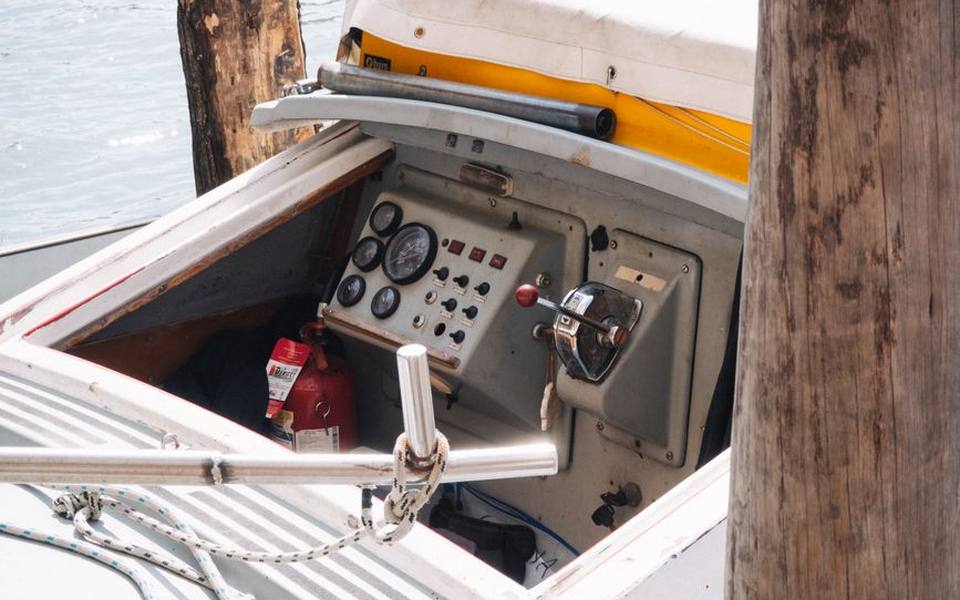
Boat Fire Extinguisher Inspection: Schedule, Checklist, and Costs
-
 Money
MoneyBoat Club Membership Costs: Initiation Fees, Monthly Dues, and Ownership Comparison
-
 Storage
Boat Winterization and Storage: Costs, Checklist, and Shrink Wrapping Guide
-
 Storage
Boat Slips and Docking Fees: How Much Does It Cost to Keep a Boat in the Water?
-
 Owning
Essential Nautical Terms and Practical Boating Knowledge: From the Helm to Harbor Life
-
 Owning
A Practical Guide to Boat Mooring: Buoys, Lines, and Technique
-
 Safety
Essential Boat Safety Gear, Marine Electronics, and Equipment Guide
-
 Service
Outboard Engine Service and Rebuild Costs: What Boat Owners Should Expect to Pay
-
 Safety
Marine Weather Forecasts and Warnings: Reading NOAA Reports and Coastal Maps
-
 Safety
Boating Safety Certification and Licensing: State Requirements and Exam Prep
-
 Service
Saltwater and Freshwater Fishing Charters: Choosing Inshore, Offshore, and Deep Sea Trips
-
 Buying
Pontoon & Tritoon Boats: Buying, Renting, Models, and Pricing Guide
-
 Owning
Holiday Boat Parades and Coastal Festivals: Viewing Guide and Schedules
-
 Buying
A Complete Guide to Buying Used Boats: Valuations, Inspections, and Registration
-
 Owning
Waterfront Dining and Dockside Restaurants: Boater's Guide to Dock and Dine
-
 Owning
Dockside Bait Systems, Live Bait Sourcing, and Fish Cleaning Station Setup
-
 Safety
Marine Fire Safety Inspection and Extinguisher Maintenance
-
 Storage
Complete Guide to Boat Winterization, Shrink Wrapping, and Storage Covers
-
 Buying
Electric Boat Motors and Trolling Systems: The Practical Conversion Guide
-
 Owning
A Practical Guide to Public Boat Launches, Kayak Ramps, and Water Access
-
 Owning
Marine Lithium Batteries vs AGM: Setup, Charging, and Performance
-
Service
Boat Fiberglass & Gelcoat Repair Guide: Fixing Cracks, Blisters & Scratches
-
Service
Marine Fuel Tank Cleaning and Rust Removal Guide
-
Safety
USCG Captain's License Guide: OUPV 6-Pack Requirements and Renewal
-
Buying
Boat Dinghies and Inflatables Guide: Types, Motors, and Selection
-
Service
Boat Towing Services and Marine Assistance Memberships Explained
-
Owning
Boat Lettering, Registration Numbers, and Custom Vinyl Decals
-
Service
Outboard Motor and Lower Unit Maintenance, Repair, and Marine Diesel Guide
-
Buying
Shallow Water Anchor Systems: Power-Pole vs. Minn Kota Talon & Raptor
-
 Service
Complete Guide to Marine Bottom Paint and Antifouling Application
-
Owning
Cruising America's Great Loop: Route Planning, Boat Choice, and Cruising Resources
-
Service
Boat and Fishing Charters: Complete Guide to Styles, Rates, and Booking
-
Buying
Personal Watercraft and Jet Ski Guide: Models, Rentals, and Buying
-
 Owning
Marine Supply Stores and Chandleries: Outfitting Your Boat
-
Safety
Marine Weather Forecasts and NOAA Wave Reports: A Practical Boater's Guide
-
Safety
USCG Boat Registration, Boater Education, and Navigational Safety Rules
-
Owning
Marine Lithium Batteries, Solar Panel Systems, and Trickle Charging Guide
-
Service
Boat Trailer Maintenance: Bearings, Replacement Kits, and Towing Prep
-
Safety
Marine VHF Radio Frequencies, Channels, and Electronics Setup
-
 Service
Complete Boat Hull Maintenance Guide: Washing, Acid Cleaners, Gelcoat Repair, and Antifouling Paint
-
Service
Fixing Inflatable Boat Leaks and Replacing Worn Bimini Top Canvas
-
Owning
Buoy Mooring Setup, Dock Lines, Cleat Hitch Knots, and Anchor Pins
-
 Owning
Boat Trim Tabs Guide: Lenco, Zipwake, Bennett, and Electric vs Hydraulic
-
Owning
Upgrading Boat Swim Platforms, Boarding Ladders, and Marine Vinyl Seating
-
Owning
Best Gifts for Boaters, Practical Marine Accessories, and Kayak Storage Racks