What the OUPV Six-Pack License Authorizes
An Operator of Uninspected Passenger Vessels credential, commonly known as an OUPV or six-pack captain's license, authorizes you to operate uninspected commercial passenger vessels carrying up to six paying passengers. The license is issued by the National Maritime Center under the United States Coast Guard. It represents the foundational tier of commercial boat captain certification, making it the legal standard for small-craft charter fishing, eco-tours, private harbor cruises, and personalized sailing excursions across domestic waters.
The designation uninspected does not mean the Coast Guard neglects safety standards on these craft. Instead, it indicates that the vessel is not subject to the formal structural inspections and engineering plans required for larger passenger craft carrying seven or more individuals. Because the boat itself undergoes fewer industrial inspections, the Coast Guard relies heavily on the qualifications, seamanship, and situational awareness of the licensed master at the helm to keep everyone on board safe.
This certification is divided into geographical endorsements based on where your qualifying sea service took place. The inland endorsement authorizes commercial trips on rivers, bays, and lakes. The Great Lakes endorsement permits operations on designated Great Lakes waterways. The near-coastal endorsement allows you to run trips out to one hundred miles offshore along ocean boundaries, which is ideal if you plan to guide offshore sportfishing trips or coastal deliveries.
Merchant Mariner Credential Structure Explained
When you earn your license, the Coast Guard does not hand you a single paper certificate to hang on the wall. Commercial operators receive a Merchant Mariner Credential, which is an official passport-style booklet that consolidates your maritime endorsements, ratings, and operational limits into one recognized national document. Even if recreational boaters refer casually to their credential as an OUPV license, its legal identity is an entry inside your federal merchant mariner record.
Holding a valid credential proves you have met rigorous federal background checks, documented genuine time on the water, passed approved marine examinations, and demonstrated basic medical fitness. The credential functions as your professional passport in the marine trades. Whether you take clients out for sportfishing charters, run launch tenders, or manage fleet operations for waterfront boat rentals on-site, your credential serves as verifiable proof of compliance.
Understanding this credential structure prevents confusion when applying for employment or marine insurance. Companies looking for a qualified master will ask to inspect your physical credential booklet alongside your medical card. Your endorsement line will explicitly state the tonnage limits and route restrictions authorized by the National Maritime Center, giving marine insurance underwriters the assurance they need to write commercial policies for your vessel.
Documenting Sea Service Time and Vessel Experience
The most labor-intensive part of qualifying for your initial captain's license involves gathering and proving your documented sea time. For a basic inland endorsement, the Coast Guard requires a minimum of three hundred and sixty days of vessel operation since you turned sixteen. For a near-coastal endorsement, you must log three hundred and sixty days total, with at least ninety of those days spent navigating ocean or near-coastal waters beyond the boundary line.
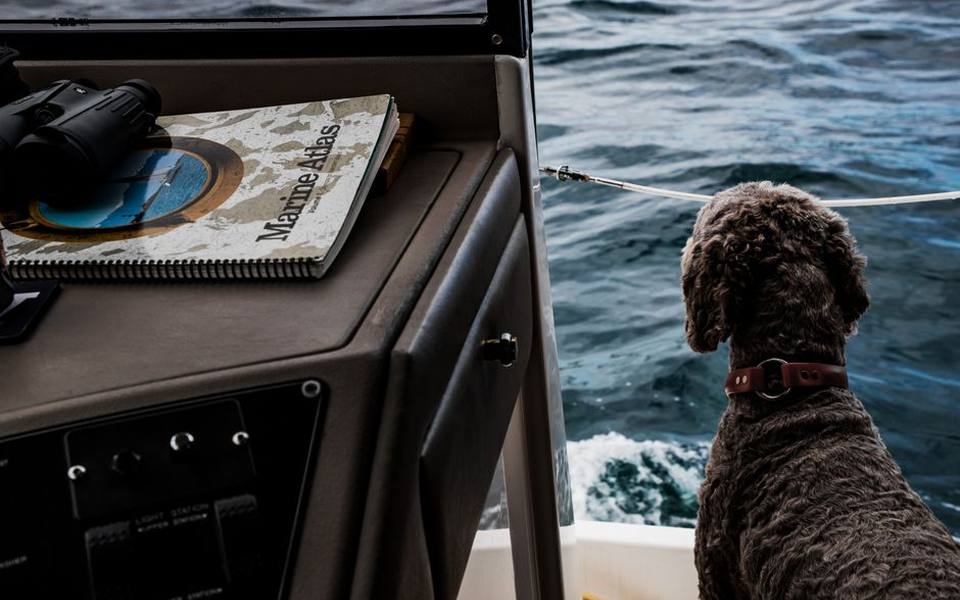
In the eyes of federal maritime regulators, a single qualifying day counts as at least four hours underway on the water within a twenty-four-hour calendar window. You can accumulate qualifying sea time on your own recreational boats, vessels owned by friends or relatives, or commercial craft where you served as crew. Time spent tied up at a slip doing engine maintenance or detailing fiberglass does not count toward your operational sea time totals.
You prove your experience using official Small Vessel Sea Service forms or detailed logbooks that list the vessel registration numbers, vessel length, propulsion type, and specific bodies of water traversed. If you log hours across saltwater flats or barrier islands around busy hubs like marinas in Florida, having vessel owners countersign each service sheet ensures your application sails smoothly through reviewer checks without bureaucratic holds.
Physical Standards and the Coast Guard Medical Certificate
A captain must possess the physical agility, vision, and mental clarity required to handle emergencies on open water. Before receiving your merchant credential, you must complete an extensive physical examination documented on Coast Guard form CG-719K. This comprehensive evaluation covers cardiovascular health, peripheral vision, hearing acuity, blood pressure stability, and musculoskeletal mobility needed to climb ladders or handle heavy mooring gear in rough seas.
Vision requirements receive intense scrutiny during the medical review process. Applicants must demonstrate uncorrected vision of at least twenty-two hundred in each eye, correctable to twenty-forty, along with normal color perception tested through approved color plate systems. Recognizing red, green, and white navigational aids at night is critical to collision prevention, so individuals with severe color blindness may face operational restrictions or require specialized lantern testing.
Once your medical paperwork passes National Maritime Center physician review, you receive an official United States Coast Guard medical certificate. This small blue card details your medical qualification dates and any required waivers, such as wearing corrective lenses while on duty. While your merchant mariner booklet typically remains valid for five years, the accompanying medical certificate for entry-level passenger carriage generally carries a shorter two-year expiration cycle.
First Aid, Drug Testing, and Security Clearances
In addition to logging sea days and passing your physical, you must satisfy three non-negotiable safety prerequisites before applying. First, you must hold a valid Transportation Worker Identification Credential, known as a TWIC card. Issued by the Transportation Security Administration, this security clearance involves fingerprinting, identity verification, and an extensive federal background check designed to protect national port facilities and commercial waterways.
Second, you must provide proof of passing an approved Department of Transportation five-panel drug screen within one hundred and eighty days of submitting your application packet. Active mariners must maintain enrollment in a random drug testing consortium or provide employer verification showing they have participated in a compliant testing program. The Coast Guard maintains a strict zero-tolerance standard for dangerous drugs among all credentialed vessel masters.
Third, you need current certification in cardiopulmonary resuscitation and basic first aid from an accepted training provider. Courses must include hands-on practical demonstrations and have been completed within one year of your application date. When operating miles from emergency medical services, a captain is the primary first responder responsible for stabilizing injuries or heart emergencies until shore assistance arrives.
Training Courses versus Testing at Regional Centers
To earn your credential, you must pass four challenging written exams: Navigation Rules of the Road, General Navigation, Deck General, and Vessel Safety. The Rules of the Road exam is notoriously demanding, requiring a score of ninety percent to pass, while the remaining sections require seventy percent. Applicants choose between sitting for exams at a Coast Guard Regional Exam Center or attending an approved maritime training school.
Taking tests directly through a federal exam center is often less expensive in terms of registration fees, but it requires completely independent self-study. Many applicants find the complex plotting questions and legal phrasing difficult to master without professional instruction. If you fail any section twice at an exam center, scheduling retakes can introduce significant delays into your commercial career plans while waiting for available testing slots.
Most prospective captains choose Coast Guard-approved training academies located near major maritime centers, such as marinas in New York. These approved courses allow you to complete coursework and take the final proctored exam directly through the school. Passing an approved school test waives the need to sit for testing at a federal exam center, offering higher first-time pass rates.
Uniform Standards and Commercial Vessel Regulations
Many mariners preparing for commercial work wonder about attire requirements and search for guidelines in the official Coast Guard uniform manual. That detailed military manual dictates dress uniforms, ribbons, and insignia exclusively for active-duty and reserve Coast Guard personnel. As a civilian merchant mariner or charter captain, you are not governed by military uniform codes, and wearing official Coast Guard service dress or military emblems is strictly unauthorized.
Instead, private vessel operators follow commercial maritime conventions and practical safety dress codes. Most charter operations, sailing schools, and corporate yacht deliveries expect captains to wear neat, functional marine attire. This typically includes non-marking deck shoes, UV-protective shirts, polarized eyewear, and professional maritime logos. Looking polished and commanding authority builds immediate confidence among paying passengers who step onto your vessel for the first time.
Commercial compliance focuses on operational safety rather than military attire. Your vessel must carry all required commercial safety gear, including properly sized personal flotation devices equipped with lights, throwable cushions, visual distress signals, and marine fire extinguishers. When operating out of busy public access points like a boat launch ramp, local law enforcement and marine safety officers inspect your equipment, not your shirt buttons.
Submitting Your Complete Application to the Coast Guard
Once you gather your sea service forms, medical clearance, course completion certificates, drug screen results, and TWIC receipt, you are ready to assemble your final submission packet. You must complete form CG-719B, which is the primary application for a Merchant Mariner Credential. Incomplete forms, missing signatures, or mismatched middle names across documents represent the most frequent reasons for lengthy processing delays.
Application and evaluation fees are paid online through the federal Pay.gov portal. You must print your electronic payment receipt and include it directly inside your submission package. You then submit the entire digitized package via secure email to your nearest Coast Guard Regional Exam Center. The exam center confirms that your paperwork is structurally complete before forwarding the file to the National Maritime Center in West Virginia.
The evaluation process at the National Maritime Center typically takes several weeks, depending on national application volumes and medical review backlogs. You can track your credential status online through the merchant mariner tracking portal as it moves through security screening, qualification evaluation, and final credential production. Once approved, your new credential booklet is mailed directly to your physical address.
Step-by-Step Guide to Renewing Your Captain's License
Your merchant mariner credential is valid for five years from the date of issue, after which it must be renewed to remain legally active. Operating a charter vessel with an expired credential carries severe civil penalties and immediately invalidates your marine commercial insurance. The Coast Guard offers a one-year administrative grace period after expiration to renew without retaking exams, but you cannot legally run charters during that lapsed window.
To qualify for a standard renewal, you must demonstrate at least three hundred and sixty days of documented sea service during the preceding five years. If your commercial work has slowed down and you lack sufficient days on the water, you can fulfill the renewal requirement by passing an approved open-book renewal exercise or completing an approved refresher course through an authorized maritime training provider.
The renewal package requires form CG-719B, an updated medical physical evaluation on form CG-719K-E or CG-719K, proof of a clean drug screening, and a valid TWIC card or security exemption. Submitting your renewal paperwork roughly four to six months before your expiration date ensures your new credential arrives before the old one lapses, preventing costly disruptions to your seasonal charter business.
Launching Operations from Public and Private Facilities
Holding your credentials in hand marks the beginning of your professional charter business or commercial delivery career. Setting up operations requires securing reliable dockage, liability insurance, and shore access that accommodates paying clients safely. Many charter operators establish their base at facilities that offer dedicated passenger pick-up zones, fueling services, and ample vehicle parking for visiting guests.
If you plan an itinerant schedule running fishing charters or yacht deliveries up and down the coast, you will often need temporary dockage. Securing reservations at marinas with transient slips allows you to stage multi-day excursions or pick up private charter parties in unfamiliar harbors. Maintaining good relationships with harbor masters helps you secure dockage during peak holiday weekends and tournament seasons.
Professional mariners working along expansive coastal waterways, such as those navigating marinas in California, know that credential compliance is an ongoing professional commitment. Staying current with navigational chart updates, local harbor notices to mariners, and routine vessel maintenance ensures that every passenger journey under your command remains safe, lawful, and profitable.
Published 2026-09-21 · reviewed with each rebuild, last September 2026.
Find marinas near you
The directory lists 7,143 marinas by state and city — pick your state or use the “Near me” button in the header.
More guides
-
 Safety
Boat Fire Extinguisher Inspection: Schedule, Checklist, and Costs
-
 Money
MoneyBoat Club Membership Costs: Initiation Fees, Monthly Dues, and Ownership Comparison
-
 Storage
Boat Winterization and Storage: Costs, Checklist, and Shrink Wrapping Guide
-
 Storage
Boat Slips and Docking Fees: How Much Does It Cost to Keep a Boat in the Water?
-
 Owning
Essential Nautical Terms and Practical Boating Knowledge: From the Helm to Harbor Life
-
 Owning
A Practical Guide to Boat Mooring: Buoys, Lines, and Technique
-
 Safety
Essential Boat Safety Gear, Marine Electronics, and Equipment Guide
-
 Service
Outboard Engine Service and Rebuild Costs: What Boat Owners Should Expect to Pay
-
 Safety
Marine Weather Forecasts and Warnings: Reading NOAA Reports and Coastal Maps
-
 Safety
Boating Safety Certification and Licensing: State Requirements and Exam Prep
-
 Service
Saltwater and Freshwater Fishing Charters: Choosing Inshore, Offshore, and Deep Sea Trips
-
 Owning
Bareboat Yacht Charters: How to Rent, Qualifications, and Cruising Preparation
-
 Buying
Pontoon & Tritoon Boats: Buying, Renting, Models, and Pricing Guide
-
 Owning
Holiday Boat Parades and Coastal Festivals: Viewing Guide and Schedules
-
 Buying
A Complete Guide to Buying Used Boats: Valuations, Inspections, and Registration
-
 Owning
Waterfront Dining and Dockside Restaurants: Boater's Guide to Dock and Dine
-
 Owning
Dockside Bait Systems, Live Bait Sourcing, and Fish Cleaning Station Setup
-
 Safety
Marine Fire Safety Inspection and Extinguisher Maintenance
-
 Storage
Complete Guide to Boat Winterization, Shrink Wrapping, and Storage Covers
-
 Buying
Electric Boat Motors and Trolling Systems: The Practical Conversion Guide
-
 Owning
A Practical Guide to Public Boat Launches, Kayak Ramps, and Water Access
-
 Owning
Marine Lithium Batteries vs AGM: Setup, Charging, and Performance
-
Service
Boat Fiberglass & Gelcoat Repair Guide: Fixing Cracks, Blisters & Scratches
-
Service
Marine Fuel Tank Cleaning and Rust Removal Guide
-
Buying
Boat Dinghies and Inflatables Guide: Types, Motors, and Selection
-
Service
Boat Towing Services and Marine Assistance Memberships Explained
-
Owning
Boat Lettering, Registration Numbers, and Custom Vinyl Decals
-
Service
Outboard Motor and Lower Unit Maintenance, Repair, and Marine Diesel Guide
-
Buying
Shallow Water Anchor Systems: Power-Pole vs. Minn Kota Talon & Raptor
-
 Service
Complete Guide to Marine Bottom Paint and Antifouling Application
-
Owning
Cruising America's Great Loop: Route Planning, Boat Choice, and Cruising Resources
-
Service
Boat and Fishing Charters: Complete Guide to Styles, Rates, and Booking
-
Buying
Personal Watercraft and Jet Ski Guide: Models, Rentals, and Buying
-
 Owning
Marine Supply Stores and Chandleries: Outfitting Your Boat
-
Safety
Marine Weather Forecasts and NOAA Wave Reports: A Practical Boater's Guide
-
Safety
USCG Boat Registration, Boater Education, and Navigational Safety Rules
-
Owning
Marine Lithium Batteries, Solar Panel Systems, and Trickle Charging Guide
-
Service
Boat Trailer Maintenance: Bearings, Replacement Kits, and Towing Prep
-
Safety
Marine VHF Radio Frequencies, Channels, and Electronics Setup
-
 Service
Complete Boat Hull Maintenance Guide: Washing, Acid Cleaners, Gelcoat Repair, and Antifouling Paint
-
Service
Fixing Inflatable Boat Leaks and Replacing Worn Bimini Top Canvas
-
Owning
Buoy Mooring Setup, Dock Lines, Cleat Hitch Knots, and Anchor Pins
-
 Owning
Boat Trim Tabs Guide: Lenco, Zipwake, Bennett, and Electric vs Hydraulic
-
Owning
Upgrading Boat Swim Platforms, Boarding Ladders, and Marine Vinyl Seating
-
Owning
Best Gifts for Boaters, Practical Marine Accessories, and Kayak Storage Racks