Demystifying Watercraft Names and Marine Propulsion
First-time boaters often use the term jet ski to describe any small personal watercraft, but the market actually consists of several distinct manufacturers and design philosophies. Kawasaki originally trademarked the Jet Ski moniker for its stand-up and sit-down craft, while Yamaha introduced the WaveRunner series and Sea-Doo developed its own comprehensive lineup. When people mention Sea-Doo waverunners, they are essentially blending two rival brands that have spent decades innovating hull designs, closed-loop cooling, and electronic braking systems.
Unlike conventional boats driven by external props, personal watercraft rely on an internal impeller that pulls lake or ocean water through an intake grate beneath the hull and discharges it at high velocity through a steerable nozzle. This internal propulsion makes personal watercraft exceptionally agile, responsive to quick throttle inputs, and capable of operating in shallower depths than traditional prop-driven runabouts. However, steering authority depends directly on water jet thrust, which requires operators to understand that dropping the throttle abruptly removes their ability to turn quickly.
Modern personal watercraft have evolved well beyond the compact, single-rider playboats of earlier decades into sophisticated marine machines. You will find lightweight recreational platforms engineered for quick spins around a bay, full-sized three-passenger touring vessels equipped with cruise control and audio systems, and specialized hulls built specifically for tow sports or offshore fishing. Grasping these differences is essential whether you plan to rent for a sunny afternoon or invest in your own slip or trailer setup.
Jet Boats Compared to Sit-Down Watercraft and Runabouts
While standard personal watercraft carry between one and three passengers seated in tandem, the popularity of jet propulsion led to the development of dedicated jet boats. Marine builders, including Sea-Doo during its production years and other major propulsion pioneers, scaled up internal impellers to power full fiberglass cockpits ranging from sixteen to over twenty-four feet. A Sea-Doo jet boat or modern twin-engine jet runabout delivers the shallow-draft safety of an enclosed impeller alongside the seating capacity, windshield protection, and open layout of a traditional bowrider.
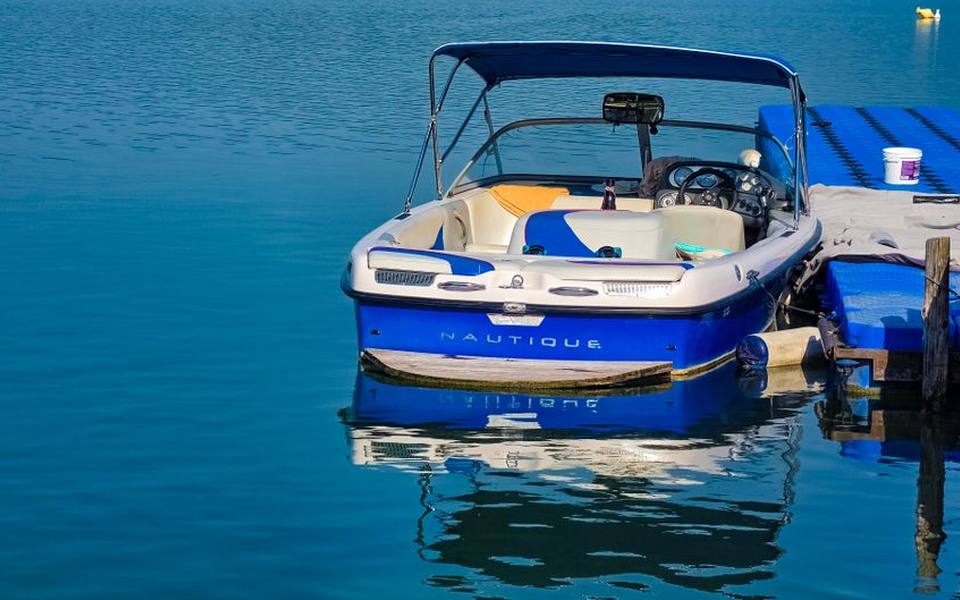
Comparing classic boats and jet skis comes down to how your group intends to spend time on the water. Traditional sterndrives and outboards offer superior tracking at slow speeds and predictable low-rpm docking manners, whereas jet boats excel at rapid acceleration, safe swimming around the transom without an exposed propeller, and pulling skiers across shallow sandbars. On the other hand, traditional personal watercraft provide solo agility, effortless trailering, and an intimate connection to the water that no multi-passenger hull can replicate.
If you want to spend an entire weekend exploring distant harbors or sandbars with a large crew, pairing a runabout with an accompanying watercraft often provides the best of both worlds. Many groups staging trips from marinas with transient slips bring both a primary family cruiser and a personal watercraft so younger riders can explore backwater coves while parents relax on the main deck.
What to Expect When Booking Watercraft Rentals
Renting a personal watercraft offers a straightforward way to get out on the water without taking on the responsibilities of monthly slip fees, insurance, or winterizing. Most commercial water sport rental operations structure their bookings in hourly, half-day, or full-day increments, with rates typically covering safety gear, an operational walkthrough, and an initial tank of marine fuel. Before booking, check whether fuel refills are billed at a flat rate or calculated upon return, as running full-throttle through an entire session burns gasoline quickly.
Outfitters that offer wave runner rentals maintain strict operating rules to safeguard both novice riders and their rental fleets. Operators are generally required to show valid identification, meet minimum age requirements that typically range from eighteen to twenty-one for primary renters, and hold a recognized state boater education certificate if born after a designated year. Most rental services supply standard Coast Guard-approved life vests equipped with impact protection, along with a mandatory wrist lanyard connected directly to the engine kill switch.
Before you head away from the livery dock, pay close attention to the safety briefing. Staff will define the boundaries of your riding zone, point out shallow shoals or submerged hazards, and outline local no-wake zones where you must idle. Knowing how your specific rental craft brakes, shifts into neutral, and handles off-throttle turns will help you avoid the common dock bumps and near-misses that catch inexperienced operators off guard.
Coordinating Multi-Craft Outings with Mixed Fleets
Rental outfitters across freshwater resort destinations frequently provide mixed fleets to accommodate diverse family gatherings and corporate outings. Operations styled like lake shores watercraft and boat rentals often feature pontoon boats, stand-up paddleboards, and high-performance waverunners docked side by side. Combining a jetski pontoon package allows larger groups to establish a stable floating home base complete with shade canopies and coolers, while smaller groups take turns carving wakes on the personal watercraft.
When planning an outing through regional liveries—similar to the mixed-fleet models seen at popular hubs like Luther's pontoon waverunner & kayak rentals or Wet & Wild wave runner rentals—advance coordination is vital. Mixed excursions mean balancing differing speeds, fuel capacities, and passenger comfort levels. A pontoon moves at a leisurely cruising pace, making it ideal for carrying non-swimmers, toddlers, and picnic lunches, whereas personal watercraft naturally move much faster and burn through their fuel reserves far quicker.
To keep a mixed fleet outing safe, agree on predetermined rendezvous points along the shoreline or inside protected coves. Watercraft operators should avoid buzzing close to the pontoon or crossing its bow, as the resulting chop can make pontoon passengers uncomfortable and create collision hazards. Treating the pontoon as an anchor station where watercraft can tie up gently during idle time ensures that everyone enjoys their share of both high-energy riding and relaxed floating.
Coastal Touring and Open-Water Ocean Crossings
While lake riding features relatively predictable chop and clearly defined shorelines, taking a watercraft onto coastal waters introduces ocean swells, tidal currents, and sudden weather shifts. Adventurous riders frequently participate in organized open-water excursions, such as the famous Catalina jetski run across the San Pedro Channel in Southern California, where riders cover nearly thirty miles of open Pacific waters each way. Such crossings demand careful preparation, stable sea conditions, and a craft engineered for offshore stability.
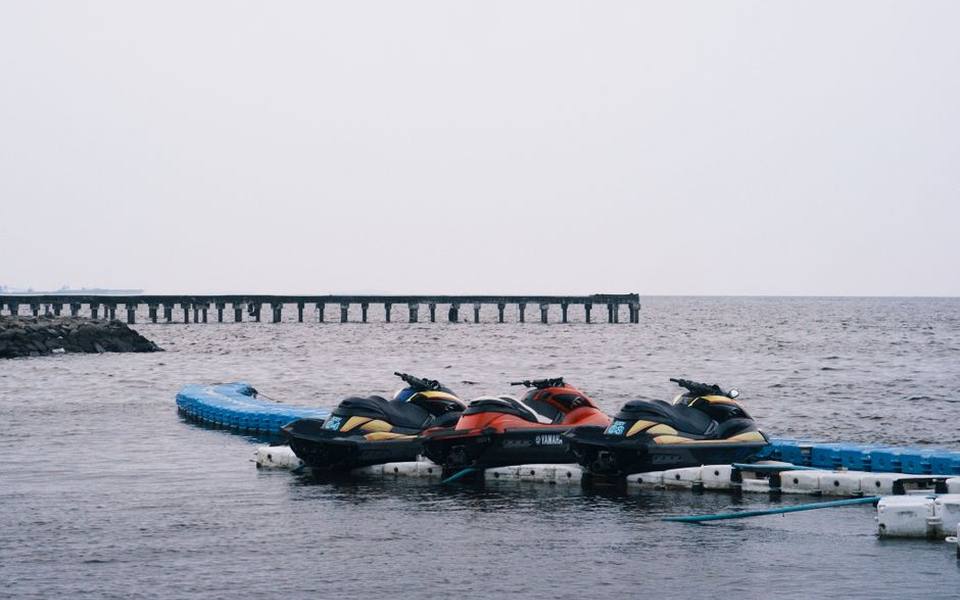
Navigating coastal sounds and ocean swells requires touring-class watercraft built on deep-V fiberglass hulls that slice through heavy chop rather than bouncing across the surface. Riders venturing into coastal waters near marinas in California or the barrier island networks along marinas in Florida must factor in shifting wind directions, coastal fog, and long stretches without refueling docks. Fuel management is critical; running on the lower third of your tank during an ocean crossing leaves zero margin for navigation errors or rising swell heights.
Ocean touring also requires specific safety equipment that exceeds standard lake gear. Operators should wear full wetsuits to combat hypothermia from extended wind exposure, attach waterproof marine VHF radios to their life vests, and mount dedicated GPS plotters rather than relying exclusively on cell phones that lose signal miles offshore. Traveling in groups of three or more craft ensures that if one engine experiences mechanical trouble, other riders can tow the disabled unit or call for marine assistance.
Choosing the Right Category of Personal Watercraft
If you decide to step beyond renting and purchase your own craft, the first major decision is selecting the right platform category. The personal watercraft market divides primarily into four distinct segments: rec-lite, standard recreational, luxury touring, and performance. Rec-lite models, built using proprietary lightweight composite materials, provide an affordable, nimble ride ideal for calm lakes and smaller towing vehicles, but their lighter hulls can feel skittish in heavy chop.
Standard recreational and tow-focused models represent the core of the consumer market. These machines seat two to three riders comfortably, offer stable fiberglass hulls, and generate sufficient low-end torque to pull tubes, wake skaters, and water skiers. They usually incorporate practical boarding ladders, multi-level passenger seats, and generous bow storage compartments that can accommodate day bags, tow ropes, and emergency gear without crowding the footwells.
At the top of the spectrum sit luxury touring and offshore performance models. These feature supercharged four-cylinder four-stroke engines capable of rapid acceleration, paired with stepped hulls, variable trim systems, electronic cruise control, and massive fuel capacities. While exciting, supercharged powerplants consume premium fuel at an accelerated pace and require strict maintenance schedules, making naturally aspirated engines the preferred choice for buyers prioritizing long-term reliability and lower operating costs.
Trailering Logistics and Launch Ramp Protocol
Owning a personal watercraft means mastering the launch ramp, where poor preparation often leads to frustration and delays. Because personal watercraft trailers are relatively light, they can sit high behind larger trucks, making backing up tricky if you cannot see the trailer frame over your tailgate. Installing taller guide poles on the trailer bunks helps you track the trailer angle in your side mirrors and guides the watercraft smoothly into position during retrieval.
Always complete your launch preparations in the staging area well before backing down to the water. Install your drain plugs, secure your engine lanyard, disconnect trailer tie-down straps, and load your life vests and dock lines while parked on dry ground. When your turn comes at boat ramps, simply back down until the trailer bunks submerge, release the safety winch strap, and float the craft off cleanly before parking your tow vehicle immediately.
On busy holiday weekends, ramp courtesy keeps the traffic moving smoothly. Never leave your watercraft tied up across the center lane of a launch dock while you park your truck; move it to the far outside corner or hold it in shallow water by hand. If you prefer to skip the trailer routine entirely during peak summer months, look for facilities featuring on-site dry racks, floating shore docks, or marinas offering on-site boat rentals that keep transient dock space open for visiting day-boaters.
What to Inspect When Buying a Used Watercraft
The used personal watercraft market provides an accessible path to ownership, but hidden abuse can turn an apparent bargain into a costly repair project. When inspecting a pre-owned craft, start by looking closely underneath the hull. Turn the craft on its trailer or crouch below to check the fiberglass keel and intake tunnel for deep gouges, stress cracks, or makeshift patch repairs that indicate violent grounding on rocky shorelines.
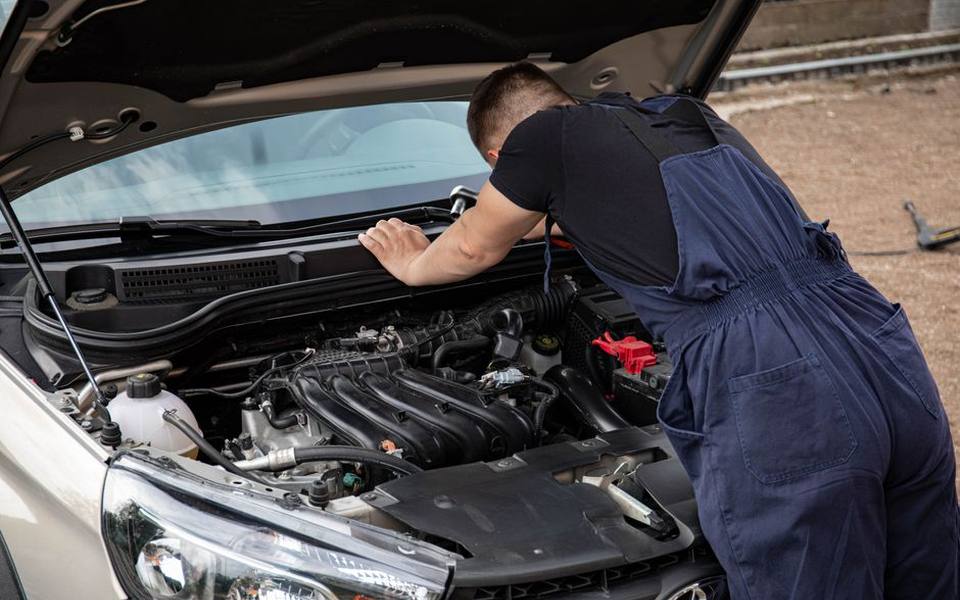
Next, shine a flashlight directly into the intake grate to examine the stainless steel or aluminum impeller and the surrounding wear ring. The gap between the impeller blades and the wear ring should be razor-thin and uniform all the way around; any nicks, bends, or noticeable gaps will cause severe cavitation, causing the engine to rev high while producing little forward thrust. Check the condition of the steering nozzle bushings and reverse bucket mechanisms for loose play or salt corrosion.
Under the engine hatch, look for telltale rust stains, corroded electrical harnesses, and oil leaks around the valve cover. For supercharged models, ask the seller for documentation confirming supercharger clutch rebuilds, which manufacturers typically recommend at intervals around one hundred hours. Always insist on a cold-engine start and, whenever possible, a water test to verify that the cooling system flows freely, the exhaust shows no white smoke, and the craft reaches full operating rpm without hesitating.
Maintenance Routines and Saltwater Care
Routine maintenance on a modern four-stroke personal watercraft is relatively straightforward, but consistency is essential for preserving engine life. After every single outing in salt or brackish water, connect the craft's garden hose flush port to fresh water while running the engine according to manufacturer steps—engine running before water turns on, and water turned off before engine shuts down—to prevent backfilling the exhaust valves with fresh water.
Salt residue acts as an aggressive corrosive on electrical connections, hose clamps, and aluminum engine blocks. Spraying down the exterior hull and wiping the dry engine bay with an anti-corrosion marine lubricant protects delicate wiring harnesses and throttle cables from seizing. Similarly, keeping the hull waxed prevents UV chalking on painted fiberglass surfaces and preserves the gloss finish on composite decks that sit exposed to direct sunlight.
If you operate in colder northern climates, winterizing prevents catastrophic freeze damage to the exhaust system and intercooler channels. Winterization involves running marine-safe non-toxic antifreeze through the cooling lines, fogging the cylinders with protective oil, adding fuel stabilizer to a fresh tank of gasoline, and removing the battery to store it on a smart trickle charger. Storing the craft on a properly fitted trailer with bow raised allows any trapped moisture inside the bilge to drain out completely.
Safety Regulations and Water Etiquette
Operating a personal watercraft carries legal responsibilities that differ significantly from driving an automobile or running a large cabin cruiser. Law enforcement agencies strictly enforce life jacket mandates; every individual on board must wear an approved Type III or equivalent personal flotation device at all times while underway, regardless of age or swimming capability. The safety lanyard attached to the ignition kill switch must be clipped securely to the driver's vest or wrist to ensure immediate engine cutoff if the operator falls off.
Understanding local right-of-way rules prevents collisions in crowded harbor channels and lake recreation basins. Personal watercraft must yield to vessels restricted in their ability to maneuver, commercial ships, sailboats under sail, and human-powered craft like kayaks and paddleboards. When crossing paths with another powerboat, the vessel to your right holds the right of way, requiring you to alter course clearly and pass astern of them.
Finally, respectful water etiquette preserves access privileges for all watercraft enthusiasts. Avoid repetitive high-speed circling near private docks, swimming beaches, or moored boats, as personal watercraft engine tones carry easily across water and frustrate shoreline property owners. Observing no-wake zones protects shorelines from erosion and ensures safe passage through marina fairways where other boaters are working on lines and boarding vessels.
Published 2026-09-21 · reviewed with each rebuild, last September 2026.
Find marinas near you
The directory lists 7,143 marinas by state and city — pick your state or use the “Near me” button in the header.
More guides
-
 Safety
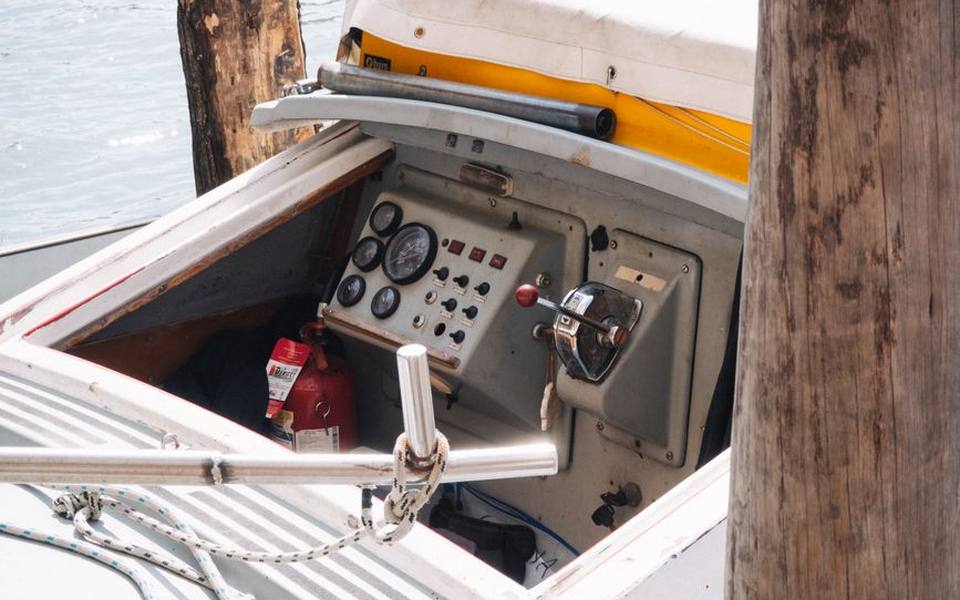
Boat Fire Extinguisher Inspection: Schedule, Checklist, and Costs
-
 Money
MoneyBoat Club Membership Costs: Initiation Fees, Monthly Dues, and Ownership Comparison
-
 Storage
Boat Winterization and Storage: Costs, Checklist, and Shrink Wrapping Guide
-
 Storage
Boat Slips and Docking Fees: How Much Does It Cost to Keep a Boat in the Water?
-
 Owning
Essential Nautical Terms and Practical Boating Knowledge: From the Helm to Harbor Life
-
 Owning
A Practical Guide to Boat Mooring: Buoys, Lines, and Technique
-
 Safety
Essential Boat Safety Gear, Marine Electronics, and Equipment Guide
-
 Service
Outboard Engine Service and Rebuild Costs: What Boat Owners Should Expect to Pay
-
 Safety
Marine Weather Forecasts and Warnings: Reading NOAA Reports and Coastal Maps
-
 Safety
Boating Safety Certification and Licensing: State Requirements and Exam Prep
-
 Service
Saltwater and Freshwater Fishing Charters: Choosing Inshore, Offshore, and Deep Sea Trips
-
 Owning
Bareboat Yacht Charters: How to Rent, Qualifications, and Cruising Preparation
-
 Buying
Pontoon & Tritoon Boats: Buying, Renting, Models, and Pricing Guide
-
 Owning
Holiday Boat Parades and Coastal Festivals: Viewing Guide and Schedules
-
 Buying
A Complete Guide to Buying Used Boats: Valuations, Inspections, and Registration
-
 Owning
Waterfront Dining and Dockside Restaurants: Boater's Guide to Dock and Dine
-
 Owning
Dockside Bait Systems, Live Bait Sourcing, and Fish Cleaning Station Setup
-
 Safety
Marine Fire Safety Inspection and Extinguisher Maintenance
-
 Storage
Complete Guide to Boat Winterization, Shrink Wrapping, and Storage Covers
-
 Buying
Electric Boat Motors and Trolling Systems: The Practical Conversion Guide
-
 Owning
A Practical Guide to Public Boat Launches, Kayak Ramps, and Water Access
-
 Owning
Marine Lithium Batteries vs AGM: Setup, Charging, and Performance
-
Service
Boat Fiberglass & Gelcoat Repair Guide: Fixing Cracks, Blisters & Scratches
-
Service
Marine Fuel Tank Cleaning and Rust Removal Guide
-
Safety
USCG Captain's License Guide: OUPV 6-Pack Requirements and Renewal
-
Buying
Boat Dinghies and Inflatables Guide: Types, Motors, and Selection
-
Service
Boat Towing Services and Marine Assistance Memberships Explained
-
Owning
Boat Lettering, Registration Numbers, and Custom Vinyl Decals
-
Service
Outboard Motor and Lower Unit Maintenance, Repair, and Marine Diesel Guide
-
Buying
Shallow Water Anchor Systems: Power-Pole vs. Minn Kota Talon & Raptor
-
 Service
Complete Guide to Marine Bottom Paint and Antifouling Application
-
Owning
Cruising America's Great Loop: Route Planning, Boat Choice, and Cruising Resources
-
Service
Boat and Fishing Charters: Complete Guide to Styles, Rates, and Booking
-
 Owning
Marine Supply Stores and Chandleries: Outfitting Your Boat
-
Safety
Marine Weather Forecasts and NOAA Wave Reports: A Practical Boater's Guide
-
Safety
USCG Boat Registration, Boater Education, and Navigational Safety Rules
-
Owning
Marine Lithium Batteries, Solar Panel Systems, and Trickle Charging Guide
-
Service
Boat Trailer Maintenance: Bearings, Replacement Kits, and Towing Prep
-
Safety
Marine VHF Radio Frequencies, Channels, and Electronics Setup
-
 Service
Complete Boat Hull Maintenance Guide: Washing, Acid Cleaners, Gelcoat Repair, and Antifouling Paint
-
Service
Fixing Inflatable Boat Leaks and Replacing Worn Bimini Top Canvas
-
Owning
Buoy Mooring Setup, Dock Lines, Cleat Hitch Knots, and Anchor Pins
-
 Owning
Boat Trim Tabs Guide: Lenco, Zipwake, Bennett, and Electric vs Hydraulic
-
Owning
Upgrading Boat Swim Platforms, Boarding Ladders, and Marine Vinyl Seating
-
Owning
Best Gifts for Boaters, Practical Marine Accessories, and Kayak Storage Racks