Expanding Usable Space with Transom Swim Decks
A stern swim deck transforms how you use your boat on the water, turning a cramped engine transom into an accessible staging zone for swimming, watersports, and boarding. Factory transoms on older runabouts and cruisers often provide only a narrow molded ledge, leaving passengers to scramble over structural bulkheads or outboard cowlings. Installing an extended platform increases usable deck square footage, keeps dripping swimmers out of the primary cockpit, and simplifies handling dock lines when tying up at your home slip or visiting marinas with transient slips along a busy channel.
Beyond everyday comfort, a dedicated swim platform acts as a protective bumper between your boat's running gear and swimmers in the water. Propellers, outdrives, and sharp trim tabs sit tucked safely underneath the extended deck overhang, drastically reducing the risk of accidental contact. When passengers re-enter the vessel from the water, they step directly onto an elevated non-skid surface rather than balancing on an outdrive lower unit or reaching awkwardly over the transom gunwale.
Choosing between different styles depends primarily on your boat's hull geometry, engine configuration, and how you tow the vessel. Inboard and sterndrive hulls allow for seamless, full-beam platforms that span the entire stern, whereas outboard configurations require notched designs or twin platforms mounted on either side of the engine splashwell. Evaluating how much extra weight your transom can comfortably carry while at rest is the critical first step before ordering materials or cutting into your boat's exterior gelcoat.
Rigid Fiberglass and Teak Aftermarket Platforms
Permanent, rigid platforms represent the gold standard for durability and integrated aesthetics on modern runabouts, cruisers, and wakeboard boats. Specialized aftermarket fabrication shops build molded fiberglass platforms that match the original hull contours, gelcoat color codes, and rub rail profiles of specific boat models. When properly fitted, these extensions look identical to original factory installations, maintaining the resale value of the boat while adding several feet of functional lounging space across the stern.
Traditional teak platforms remain a classic alternative, favored on vintage sport cruisers, downeast boats, and classic ski hulls for their natural slip resistance and timeless warmth. Teak contains natural oils that resist rot in harsh marine environments, though it demands periodic cleaning and light oiling or sealing to prevent grain weathering and mildew accumulation. Marine-grade high-density polyethylene sheets also serve as a low-maintenance, rot-free structural substrate for custom fabrications, providing structural rigidity without the ongoing upkeep of natural hardwoods.
Structural mounting requires heavy-duty marine-grade stainless steel brackets, typically formed from 316-grade alloy to resist pitting corrosion in saltwater environments. Brackets must transfer the dynamic downward loads of swimmers and gear directly into the reinforced fiberglass transom stringers. Underneath the waterline, each mounting bolt hole must be properly over-drilled, epoxy-potted, and bedded with a high-strength polyurethane marine sealant to ensure water never migrates into the structural wood or composite transom core.
Portable and Inflatable Stern Decks for Temporary Lounging
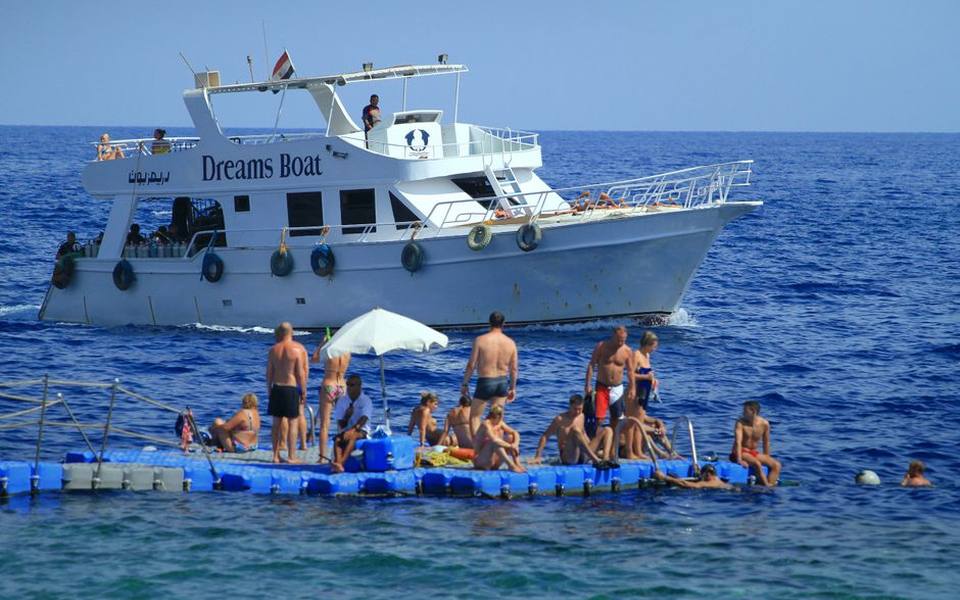
Inflatable swim platforms have rapidly grown in popularity among boaters who want extra water-level deck space without permanently drilling into their vessel's transom. Built using high-pressure drop-stitch PVC fabric identical to premium stand-up paddleboards, these platforms inflate to rock-hard rigidity at pressures typically between eight and twelve pounds per square inch. When pumped up, an inflatable deck can support multiple standing adults, coolers, and lounge chairs without flexing or bowing under load.
Versatility is the primary selling point for inflatable platforms, making them especially popular on vessels kept on trailers or stored at marina boat launch access ramps where permanent stern extensions might interfere with trailer bunks or trailering length limits. You can tether an inflatable platform directly behind the stern cleats while anchored in a calm cove, pull it alongside as an extended sun deck, or anchor it independently as a private swim island away from the vessel.
Despite their convenience, inflatable docks require thoughtful management to avoid damage from sharp oyster beds, dock pilings, or hot exhaust tips. They must be rinsed with fresh water, allowed to dry thoroughly, and packed inside a protective storage bag to prevent chafe and mildew growth during seasonal storage. Boaters navigating tidal waters or crowded anchorages must also monitor wind and chop, as a tethered inflatable can create significant drag or surge against boat cleats when conditions deteriorate.
Selecting and Mounting Telescoping Swim Ladders
A well-engineered boarding ladder is not merely a convenience; it is an essential piece of emergency safety equipment that allows an exhausted swimmer or fallen passenger to reboard without external assistance. Telescoping swim ladders constructed from polished stainless steel are the industry standard, collapsing into a compact footprint when stowed to keep stern profiles clean and hydrodynamic. The key design distinction lies between under-mount platforms that slide out from underneath the swim deck and top-mount units that fold over onto the deck surface.
Under-mount telescoping ladders keep the walking surface of your swim deck clear of hardware and tripping hazards, leaving a flush, comfortable surface for sitting and lounging. However, they must be mounted high enough above the water's resting surface to avoid dragging while the boat is on plane. Top-mount ladders are mechanically simpler to inspect and lubricate, but they require recessed mounting brackets or protective rubber clips to secure the rungs tightly against vibration while cruising at cruising speed.
Ladder depth beneath the water surface determines how easy it is to climb back aboard. A ladder with only two rungs leaves swimmers struggling to gain leverage, requiring tremendous upper-body strength to pull themselves out of deep water. Marine safety standards recommend at least three rungs, with four rungs being far superior, placing the lowest step at least twenty-four to thirty inches below the waterline so swimmers can step onto the ladder without bending their knees to their chest.
Understanding Common Marine Vinyl Failure Modes
Cockpit seats and sun pads endure some of the harshest conditions of any boat component, subjected to brutal ultraviolet radiation, drenching rain, saltwater spray, and rapid temperature swings. High temperatures accelerate the evaporation of plasticizers—the chemical additives that keep marine vinyl soft and pliable. Over several seasons in sunny climates like marinas across Florida, sun-exposed vinyl hardens, shrinks, and becomes brittle, making it prone to spiderweb cracks across heavy wear zones like forward seat bolsters.
Mechanical stress from passengers stepping on seat cushions to reach the swim platform causes seam separation long before the vinyl fabric itself degrades. Most marine cushions are assembled using bonded polyester or nylon thread, which degrades under sunlight faster than the vinyl skin. When the stitching fails along a structural seam, passenger weight pulls the surrounding vinyl taut, tearing the needle perforations into jagged, open gaps that expose the underlying cushion foam to rain and bilge moisture.
Mildew and fungal rot represent the third major threat to cockpit seating, thriving inside wet foam cores and along underside backing fabrics. When standard open-cell upholstery foam gets soaked through a punctured vinyl seam, it traps moisture against plywood or plastic substrate seat bases. Trapped dampness produces stubborn black mold stains that migrate through the vinyl from the underside, creating dark blemishes that cannot be cleaned off with surface vinyl detergents.
DIY Repair Techniques for Cuts, Burns, and Minor Seam Tears
Small punctures, single-seam splits, and minor tears can often be stabilized using DIY vinyl repair compounds before moisture ruins the interior cushion structure. Specialized marine vinyl repair kits contain liquid vinyl patch compounds, color-matching pigments, structural backing mesh, and textured grain-transfer papers. The repair process starts by cleaning the damaged area thoroughly with isopropyl alcohol to remove sunscreen residues, skin oils, and protective silicone wax coatings that prevent chemical adhesives from bonding.
For tears larger than a small puncture, you must slide a flexible backing fabric or fiberglass sub-patch underneath the torn vinyl skin using tweezers. Applying a flexible polyurethane or vinyl adhesive between the sub-patch and the underside of the vinyl bridges the gap and provides the mechanical strength needed to withstand someone sitting on the cushion. Once the structural backing cures, you apply thin layers of color-matched liquid vinyl over the surface to seal the opening flush with the surrounding material.
Chemical-cure and heat-cure repair compounds require steady hands and patience to achieve an inconspicuous cosmetic finish. Matching the sheen and texture of aged vinyl is challenging, so testing your pigment blend on an inconspicuous underside flap is always wise before applying compound to a prominent seat backrest. If a split has opened directly along an original sewn seam, using a heavy-duty curved upholstery needle with UV-resistant thread to pull the seam together before applying clear liquid vinyl sealant produces the cleanest structural fix.
When to Replace Cushion Foam and Substrate Boards
Repairing vinyl skin offers diminishing returns if the underlying foam core has degraded into waterlogged mush or crumbling powder. Open-cell standard polyurethane foam acts like a giant sponge; once water penetrates a split seam, the foam retains moisture indefinitely, creating a damp environment that smells sour and rots mounting hardware. You can check foam health by pressing firmly into the center of the cushion; if water seeps out through the seams or the foam takes several seconds to rebound, the core must be replaced.
Marine cushion replacement requires choosing the correct grade of foam suited to the cushion's location and exposure level. Reticulated open-pore foam, commonly called dry-fast foam, features large open cells that allow water to drain straight through via gravity, making it the premier choice for exterior cockpit cushions, bow sun pads, and transom loungers. For interior cabin seating or helm bolsters that rarely see standing water, high-density closed-cell or multi-layer polyurethane foam provides firmer ergonomic support without bottoming out under heavy loads.
Inspect the structural backing board whenever removing old vinyl skins from your seat frames. Older boats typically utilized exterior plywood backer boards that rot around T-nut fasteners over time, leading to loose seats and stripped mounting screws. Modern upholstery replacements should replace decaying wood backer boards with expanded PVC board or marine-grade high-density polyethylene sheets, which will never absorb water, rot, or harbor fungal growth regardless of how much spray hits the cockpit.
Custom Marine Upholstery and Cushion Replacement
Commissioning full custom cushions becomes the most cost-effective and aesthetically pleasing path when multi-panel seats suffer widespread cracking and seam failure across the entire cockpit. Custom marine canvas and upholstery fabricators pattern replacements directly from your existing seat bases or create new templates from scratch. Re-skinning entire bench seats allows you to modernize your boat's interior styling, update outdated color accents, and integrate modern multi-density ergonomic foam contours.
Quality custom cushions require specific commercial-grade marine materials to withstand years of hard marine exposure. Marine-grade vinyl typically features a four-way stretch polyester backing, integrated ultraviolet inhibitors, and an antimicrobial topical coating designed to prevent pinking stains caused by bacterial growth. Premium threads, such as expanded polytetrafluoroethylene (PTFE) thread, are practically impervious to sun degradation and chemical cleaners, ensuring that your new cushion seams will outlast the vinyl fabric itself.
Smart design details distinguish amateur cushion work from master marine craftsmanship. High-end custom boat cushions incorporate open mesh fabric or brass grommets along the underside edges to allow air circulation and fast water drainage whenever passengers sit down in wet swimsuits. Integrated hidden zippers made from non-corrosive marine plastic allow cushions to be stripped for deep laundering, foam inspection, or winter storage inside dry indoor lockers when preparing the boat for off-season lay-up.
Cleaning, UV Protection, and Ongoing Seating Maintenance
Routine care extends the lifespan of marine vinyl seating by several years, preventing premature plasticizer loss and keeping colors vibrant without damaging delicate topical coatings. The most critical rule of marine vinyl maintenance is avoiding harsh household cleaners, bleach, ammonia, and abrasive scrub pads. While chlorine bleach may temporarily whiten mildew stains, it strips away the vinyl's protective topcoat, dries out the plasticizers, and rapidly destroys the polyester threads holding the seams together.
Safe washing requires nothing more than mild marine soap, lukewarm fresh water, and a soft-bristled nylon deck brush to lift dirt out of the textured vinyl grain. For stubborn water spots and light mildew marks, use a specialized pH-balanced marine vinyl cleaner formulated with non-bleach biocides. Always rinse cushions thoroughly with clean fresh water after washing to remove surfactant residues that could attract airborne dirt, especially after returning your vessel to a dry storage rack or pulling it out at a boat launch ramp.
After every thorough cleaning, apply a marine-specific ultraviolet protectant that cures to a dry, non-greasy finish. Quality UV barrier sprays replenish lost surface oils, shield against solar radiation, and create an anti-static barrier that repels dust and pollen. Applying protectant once every three to four weeks during active summer boating keeps vinyl soft, supple, and resistant to accidental sunscreen discoloration, helping your cockpit maintain that fresh showroom appearance for the long haul.
Planning Budget and Scope Before Starting Upgrades
Before diving into a major stern platform installation or completely stripping your cockpit seating, assess the overall mechanical condition of your boat and prioritize functional safety over purely cosmetic enhancements. If you are debating between custom fabrication and factory-style aftermarket options, spending an afternoon examining different transom configurations on vessels available through boat rentals on-site can provide valuable perspective on how different platform heights and ladder placements handle in real-world swimming conditions.
Costs for swim platform upgrades typically vary widely depending on whether you opt for an inflatable model, a simple universal-fit teak shelf, or a fully custom-molded fiberglass deck integrated into the transom gelcoat. Labor costs for professional fiberglass mounting and reinforcement must also be factored in, as drilling and through-bolting below or near the dynamic waterline requires absolute precision and professional sealing techniques to safeguard the boat against structural water intrusion.
Similarly, budgeting for upholstery repairs depends on how much work you tackle yourself versus delegating to an upholstery shop. While small patch kits cost very little for minor DIY tear repairs, complete cockpit re-upholstery with high-grade marine vinyl, reticulated foam, and composite backer boards represents a significant investment. Taking a phased approach—starting with critical foam drying, sealing active tears, and replacing safety-critical boarding ladders—ensures your boat stays safe, seaworthy, and comfortable without keeping you off the water all summer.
Published 2026-09-21 · reviewed with each rebuild, last September 2026.
Find marinas near you
The directory lists 7,143 marinas by state and city — pick your state or use the “Near me” button in the header.
More guides
-
 Safety
Boat Fire Extinguisher Inspection: Schedule, Checklist, and Costs
-
 Money
MoneyBoat Club Membership Costs: Initiation Fees, Monthly Dues, and Ownership Comparison
-
 Storage
Boat Winterization and Storage: Costs, Checklist, and Shrink Wrapping Guide
-
 Storage
Boat Slips and Docking Fees: How Much Does It Cost to Keep a Boat in the Water?
-
 Owning
Essential Nautical Terms and Practical Boating Knowledge: From the Helm to Harbor Life
-
 Owning
A Practical Guide to Boat Mooring: Buoys, Lines, and Technique
-
 Safety
Essential Boat Safety Gear, Marine Electronics, and Equipment Guide
-
 Service
Outboard Engine Service and Rebuild Costs: What Boat Owners Should Expect to Pay
-
 Safety
Marine Weather Forecasts and Warnings: Reading NOAA Reports and Coastal Maps
-
 Safety
Boating Safety Certification and Licensing: State Requirements and Exam Prep
-
 Service
Saltwater and Freshwater Fishing Charters: Choosing Inshore, Offshore, and Deep Sea Trips
-
 Owning
Bareboat Yacht Charters: How to Rent, Qualifications, and Cruising Preparation
-
 Buying
Pontoon & Tritoon Boats: Buying, Renting, Models, and Pricing Guide
-
 Owning
Holiday Boat Parades and Coastal Festivals: Viewing Guide and Schedules
-
 Buying
A Complete Guide to Buying Used Boats: Valuations, Inspections, and Registration
-
 Owning
Waterfront Dining and Dockside Restaurants: Boater's Guide to Dock and Dine
-
 Owning
Dockside Bait Systems, Live Bait Sourcing, and Fish Cleaning Station Setup
-
 Safety
Marine Fire Safety Inspection and Extinguisher Maintenance
-
 Storage
Complete Guide to Boat Winterization, Shrink Wrapping, and Storage Covers
-
 Buying
Electric Boat Motors and Trolling Systems: The Practical Conversion Guide
-
 Owning
A Practical Guide to Public Boat Launches, Kayak Ramps, and Water Access
-
 Owning
Marine Lithium Batteries vs AGM: Setup, Charging, and Performance
-
Service
Boat Fiberglass & Gelcoat Repair Guide: Fixing Cracks, Blisters & Scratches
-
Service
Marine Fuel Tank Cleaning and Rust Removal Guide
-
Safety
USCG Captain's License Guide: OUPV 6-Pack Requirements and Renewal
-
Buying
Boat Dinghies and Inflatables Guide: Types, Motors, and Selection
-
Service
Boat Towing Services and Marine Assistance Memberships Explained
-
Owning
Boat Lettering, Registration Numbers, and Custom Vinyl Decals
-
Service
Outboard Motor and Lower Unit Maintenance, Repair, and Marine Diesel Guide
-
Buying
Shallow Water Anchor Systems: Power-Pole vs. Minn Kota Talon & Raptor
-
 Service
Complete Guide to Marine Bottom Paint and Antifouling Application
-
Owning
Cruising America's Great Loop: Route Planning, Boat Choice, and Cruising Resources
-
Service
Boat and Fishing Charters: Complete Guide to Styles, Rates, and Booking
-
Buying
Personal Watercraft and Jet Ski Guide: Models, Rentals, and Buying
-
 Owning
Marine Supply Stores and Chandleries: Outfitting Your Boat
-
Safety
Marine Weather Forecasts and NOAA Wave Reports: A Practical Boater's Guide
-
Safety
USCG Boat Registration, Boater Education, and Navigational Safety Rules
-
Owning
Marine Lithium Batteries, Solar Panel Systems, and Trickle Charging Guide
-
Service
Boat Trailer Maintenance: Bearings, Replacement Kits, and Towing Prep
-
Safety
Marine VHF Radio Frequencies, Channels, and Electronics Setup
-
 Service
Complete Boat Hull Maintenance Guide: Washing, Acid Cleaners, Gelcoat Repair, and Antifouling Paint
-
Service
Fixing Inflatable Boat Leaks and Replacing Worn Bimini Top Canvas
-
Owning
Buoy Mooring Setup, Dock Lines, Cleat Hitch Knots, and Anchor Pins
-
 Owning
Boat Trim Tabs Guide: Lenco, Zipwake, Bennett, and Electric vs Hydraulic
-
Owning
Best Gifts for Boaters, Practical Marine Accessories, and Kayak Storage Racks