Navigating the Pre-Owned Marketplace
Finding reliable used boats for sale requires balancing realistic budgeting against an objective assessment of vessel condition. The market typically divides between private sellers and commercial brokerages, each presenting clear tradeoffs in transparency, pricing flexibility, and convenience. Private party transactions often yield lower initial purchase prices, but they come without warranties, dealer support, or mechanical recourse if unexpected issues emerge after trailering the vessel home.
Brokers and dealership consignment lots generally handle a portion of the preliminary paperwork and title verification, yet their listing prices reflect those added administrative services. Regardless of where an ad appears, prospective buyers should first define the exact hull style suited to their regional waterways. Exploring different hull geometries or trying out boat rentals on-site can clarify whether a deep-vee center console, family bowrider, or stable deck boat matches your planned use.
Online inventory fluctuates significantly by season and location. In northern regions, late autumn often brings a surge in sellers hoping to avoid winter storage bills, whereas springtime in southern states sees high demand and firmer prices. Keeping an eye on listing duration helps buyers gauge negotiation leverage. Boats lingering on the market for several months often signal either an unrealistic asking price or hidden mechanical hurdles discovered by previous shoppers.
Determining Fair Market Worth and Appraisal Methods
Establishing an accurate used boat valuation is fundamental to avoiding overpayment or securing uncooperative financing. Traditional pricing guides offer baseline trade-in, loan, and retail figures, but these benchmarks represent broad averages rather than real-time regional sales. Local freshwater and saltwater demand swings mean an identical offshore craft in coastal centers like Florida often commands a distinct figure compared to one stored inland on a trailer.
A proper used boat appraisal accounts for engine hours, service records, installed marine electronics, and overall cosmetic maintenance. Marine appraisers and lenders look closely at the age and condition of major components like outdrives, fuel tanks, and structural stringers. Added accessories such as upgraded chartplotters, canvas enclosures, and trolling motors add some resale value, but their return on investment is typically only a small fraction of their original retail cost.
Buyers seeking bank financing or comprehensive marine insurance will almost certainly need a formal appraisal report. Comparing recent completed transaction data from multiple listing platforms provides a much firmer negotiating footing than relying on a seller's personal estimate of sentimental value. Deducting the cost of near-term maintenance, such as new tires for the trailer or an overdue manifold replacement, helps reach a defensible offer.
Decoding Hull Identification Numbers and History
Every vessel manufactured for sale in the United States since the early nineteen-seventies carries a unique twelve-character Hull Identification Number, stamped permanently into the upper starboard transom. Similar to an automotive vehicle identification number, this alphanumeric code discloses the manufacturer's identification code, the hull serial number, and the specific month and year of construction. Verifying that the transom stamping matches all paper titles is an essential step.

Conducting a thorough vessel hin lookup serves as an early defensive measure against stolen property, undisclosed salvage records, and active financial liens. Several private registry databases and marine clearinghouses aggregate government records to track whether a hull has survived total loss claims, hurricane damage, or manufacturer structural recalls. If a seller's title documents show any discrepancies with the transom code, halt negotiations immediately until the paperwork matches.
State registration authorities will inspect the hull identification code closely whenever an out-of-state vessel crosses jurisdictions. Hand-stamped or obviously altered plates warrant extreme caution, as homemade boats or rebuilt wrecks frequently require extensive safety inspections before receiving new state documentation. Taking clear, direct photographs of the transom plate during your initial showing ensures you can research the vessel's lineage from home.
Evaluating Pre-Owned Personal Watercraft
Shoppers evaluating jet skis used for recreational riding encounter distinct wear points compared to conventional outboard runabouts. Personal watercraft pack high-revving four-stroke or older two-stroke powerplants into cramped, sealed engine compartments where heat and moisture accelerate corrosion. Inspecting the exhaust manifold, cooling hoses, and supercharger clutches on high-output performance models should be the first mechanical priority, as these assemblies demand frequent scheduled maintenance.
The propulsion system requires equal scrutiny because jet pumps ingest debris, sand, and gravel from shallow shorelines. Check the intake grate underneath the hull for bent bars or gouged fiberglass, then use a flashlight to examine the stainless steel impeller and surrounding wear ring. Excessive clearance between the impeller blades and the sacrificial wear ring degrades acceleration and top-end efficiency, which typically requires pump teardown and replacement components.
Hull integrity on small watercraft is frequently compromised by aggressive beaching and trailer impacts. Deep gouges through the gelcoat into the woven fiberglass or sheet-molded compound can absorb water, adding dead weight and weakening the hull bottom. Run your hand along the underside of the craft to feel for structural delamination, and verify that the reverse bucket mechanism and steering nozzles move freely without binding cables.
Conducting the Physical Walkthrough and Sea Trial
Before scheduling a water test, perform an exhaustive dry inspection of the hull, deck, and transom. Soft spots in the cockpit fiberglass or spongy areas around pedestal seats frequently point to rotten wood coring caused by neglected screw sealant. Using a plastic mallet to lightly tap across the transom helps identify hollow, delaminated zones, while checking the bilges reveals oil residues, failed automatic pumps, or persistent standing water.
Once the dry checks pass, conduct an extended operational test on the water by launching from a boat launch ramp under conditions similar to your typical outings. Start the engine completely cold; an engine already warmed up before your arrival can disguise hard-starting issues, worn chokes, or weak compression. Monitor cold idle stability, ensure water flows steadily from the cooling indicator, and look for immediate blue or white exhaust smoke.
Underway, run the vessel through its full throttle range to verify operating temperatures remain within factory limits under heavy load. Test the mechanical trim, cycle the hydraulic steering from lock to lock, and pay close attention to any vibrations transmitted through the steering wheel or hull floor. A thorough sea trial also exposes whether the bilge pump runs continuously while off plane, which can reveal weeping thru-hull fittings or leaky bellows.
Working with Marine Surveyors and Mechanics
Hiring an accredited marine surveyor provides an objective layer of protection that often saves buyers thousands of dollars in hidden repairs. Professional surveyors utilize moisture meters, sounding hammers, and electrical testing equipment to document every system on the craft, delivering a written condition and value report accepted by marine underwriters. For expensive cruisers, high-performance center consoles, or tournament ski boats, an independent survey is practically indispensable.
In addition to a hull survey, engaging a dedicated marine engine mechanic allows for advanced engine diagnostics that go beyond visual checks. Technicians can connect factory diagnostic software to modern electronic fuel injection outboards, extracting historical fault codes, operating hours per RPM band, and documented thermal overheat events. This running history proves whether the previous owner gently cruised the boat or operated it constantly at maximum output.
Mechanics also pull gear lube and engine oil samples for laboratory spectrographic analysis, which detects microscopic concentrations of bearing metals, fuel dilution, or coolant contamination. If the seller resists third-party inspection access, consider that an immediate red flag. A legitimate owner with well-kept maintenance records will welcome a professional inspection, understanding that a clean mechanical bill of health confirms the asking price.
Understanding Official Registration Formats
Every state requires motorized watercraft operating on public waterways to display valid boat registration numbers, often referred to informally as boat rego numbers or boat reg numbers by boaters. This system allows maritime law enforcement, wildlife officers, and harbor masters to identify watercraft from a distance. The boat register numbers follow a standardized federal template consisting of a two-letter state code followed by four digits and two letters.
Securing this state-issued boat registration id is necessary whether you plan to keep your boat in a home garage or stage it at transient slips while traveling along regional river systems. Do not confuse this administrative state number boat code with the manufacturer's hull identification number. The state registration assigns administrative accountability to the current owner, while the transom number tracks the physical hull through its operational lifespan.
Requirements for non-motorized vessels, human-powered kayaks, and small tenders vary widely from one state department of natural resources to another. However, as soon as an electric trolling motor or small gas auxiliary is clamped to the transom, most jurisdictions require the craft to carry registered numbers. Reviewing your local boating division guidelines ensures you apply for the correct class based on overall vessel length.
Displaying Decals and Hull Markings Correctly
Applying bow numbers requires following precise federal and state formatting standards to avoid non-compliance citations from marine patrol units. The alphanumeric characters must be plain block letters, at least three inches in height, and rendered in a color that strongly contrasts against the background hull. Script lettering, ornate shadowed fonts, or reflective vinyl that blends into the gelcoat will typically fail harbor safety inspections.
The characters must be permanently affixed to both the port and starboard sides of the forward half of the vessel. They should read horizontally from left to right, using hyphens or spaces equal to the width of a character to separate the letter groupings from the numerals. Placing the markings too far aft, curving them over deck edges, or letting them wear away from dock fender abrasion invites scrutiny from law enforcement.
Alongside these numbers, owners must position official boat registration stickers issued by the licensing agency upon renewal. In most states, these validation decals must be placed within three inches of the bow numbers, either directly forward or directly aft depending on local statute. Because expired decals remain the primary trigger for waterway safety stops, ensure old stickers are scraped clean before attaching current tags.
Managing the Title Transfer and Paperwork Trail
Closing a transaction successfully requires meticulously completing the title, bill of sale, and any regional tax documentation. The certificate of title serves as the definitive legal proof of ownership, and the buyer must ensure that the name on the title matches the seller's government identification. Any existing liens listed on the face of the document must be formally discharged and signed off by the listed lending institution.
A detailed bill of sale should document the full purchase price, transaction date, hull identification number, engine serial numbers, and separate trailer details. In many states, boat trailers require their own individual title and registration plates through the department of motor vehicles, independent of the boat itself. Neglecting trailer paperwork can leave buyers stranded at the licensing branch unable to legally tow their newly acquired craft.
Check regional sales tax liabilities before completing payment, as states calculate taxes based on either the bill of sale price or their internal fair market schedule. Some buyers separate the value of the hull from the outboard motor and personal gear on the bill of sale to streamline tax calculations, provided local regulations allow itemization. Always retain copies of cancelled checks, signed transfer forms, and previous registrations for your permanent records.
Preparing for Transport and Commissioning
Once money and paperwork have changed hands, the work transitions to trailering safety and seasonal water readiness. Inspect the trailer's wheel bearings, hub temperatures, tire tread depth, and structural safety chains before embarking on any highway transport. Grease bearing protectors, confirm all trailer indicator lights illuminate reliably, and double-strap the stern to the trailer frame alongside the front bow winch cable.
Upon arriving home, plan a baseline mechanical commissioning prior to heading out for a full weekend on open water. Replace the water pump impeller, install fresh engine oil and lower unit gear lube, swap out fuel filters, and test all marine batteries under load. Ensuring standard safety gear—such as functional life jackets, sound devices, visual distress signals, and current marine fire extinguishers—is onboard prevents premature safety citations.
Finally, file an updated registration application with your state agency promptly to obtain your official paperwork and stickers before launching. Taking your newly purchased boat on a short shakedown cruise close to your local ramp allows you to verify that bilge pumps, gauges, and cooling lines perform as expected under real-world conditions, providing total peace of mind for the seasons ahead.
Published 2026-09-21 · reviewed with each rebuild, last September 2026.
Find marinas near you
The directory lists 7,143 marinas by state and city — pick your state or use the “Near me” button in the header.
More guides
-
 Safety
Boat Fire Extinguisher Inspection: Schedule, Checklist, and Costs
-
 Money
MoneyBoat Club Membership Costs: Initiation Fees, Monthly Dues, and Ownership Comparison
-
 Storage
Boat Winterization and Storage: Costs, Checklist, and Shrink Wrapping Guide
-
 Storage
Boat Slips and Docking Fees: How Much Does It Cost to Keep a Boat in the Water?
-
 Owning
Essential Nautical Terms and Practical Boating Knowledge: From the Helm to Harbor Life
-
 Owning
A Practical Guide to Boat Mooring: Buoys, Lines, and Technique
-
 Safety
Essential Boat Safety Gear, Marine Electronics, and Equipment Guide
-
 Service
Outboard Engine Service and Rebuild Costs: What Boat Owners Should Expect to Pay
-
 Safety
Marine Weather Forecasts and Warnings: Reading NOAA Reports and Coastal Maps
-
 Safety
Boating Safety Certification and Licensing: State Requirements and Exam Prep
-
 Service
Saltwater and Freshwater Fishing Charters: Choosing Inshore, Offshore, and Deep Sea Trips
-
 Owning
Bareboat Yacht Charters: How to Rent, Qualifications, and Cruising Preparation
-
 Buying
Pontoon & Tritoon Boats: Buying, Renting, Models, and Pricing Guide
-
 Owning
Holiday Boat Parades and Coastal Festivals: Viewing Guide and Schedules
-
 Owning
Waterfront Dining and Dockside Restaurants: Boater's Guide to Dock and Dine
-
 Owning
Dockside Bait Systems, Live Bait Sourcing, and Fish Cleaning Station Setup
-
 Safety
Marine Fire Safety Inspection and Extinguisher Maintenance
-
 Storage
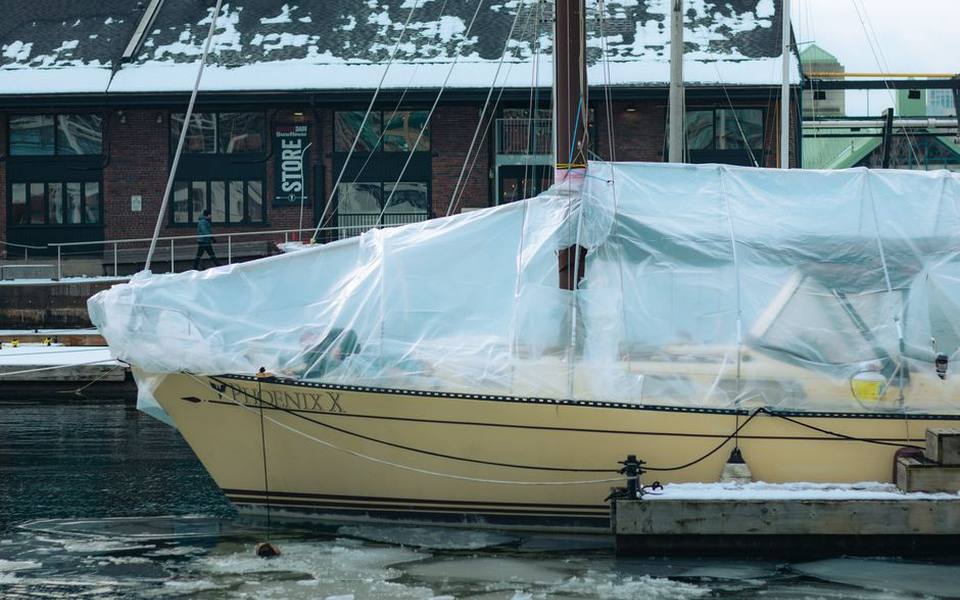
Complete Guide to Boat Winterization, Shrink Wrapping, and Storage Covers
-
 Buying
Electric Boat Motors and Trolling Systems: The Practical Conversion Guide
-
 Owning
A Practical Guide to Public Boat Launches, Kayak Ramps, and Water Access
-
 Owning
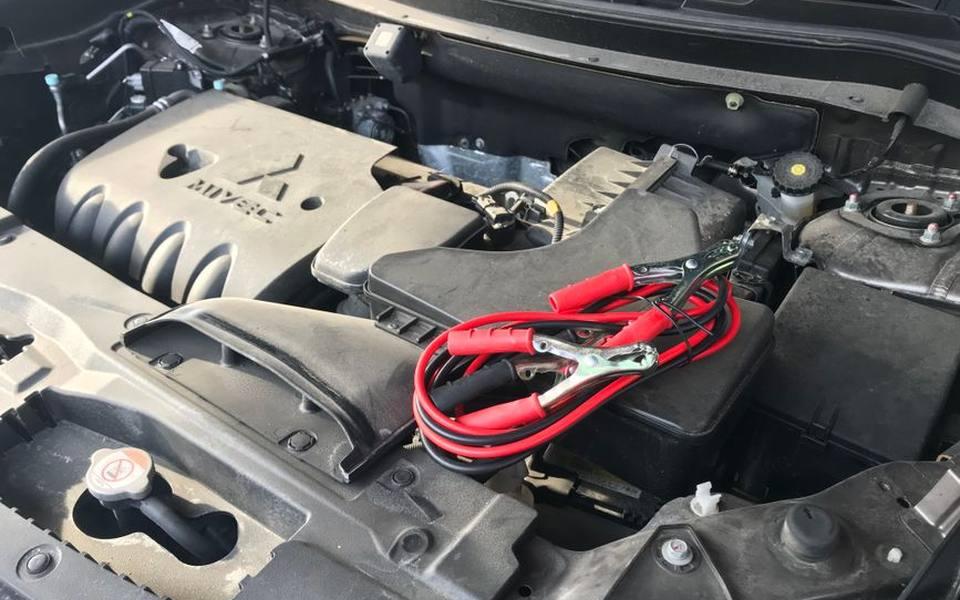
Marine Lithium Batteries vs AGM: Setup, Charging, and Performance
-
Service
Boat Fiberglass & Gelcoat Repair Guide: Fixing Cracks, Blisters & Scratches
-
Service
Marine Fuel Tank Cleaning and Rust Removal Guide
-
Safety
USCG Captain's License Guide: OUPV 6-Pack Requirements and Renewal
-
Buying
Boat Dinghies and Inflatables Guide: Types, Motors, and Selection
-
Service
Boat Towing Services and Marine Assistance Memberships Explained
-
Owning
Boat Lettering, Registration Numbers, and Custom Vinyl Decals
-
Service
Outboard Motor and Lower Unit Maintenance, Repair, and Marine Diesel Guide
-
Buying
Shallow Water Anchor Systems: Power-Pole vs. Minn Kota Talon & Raptor
-
 Service
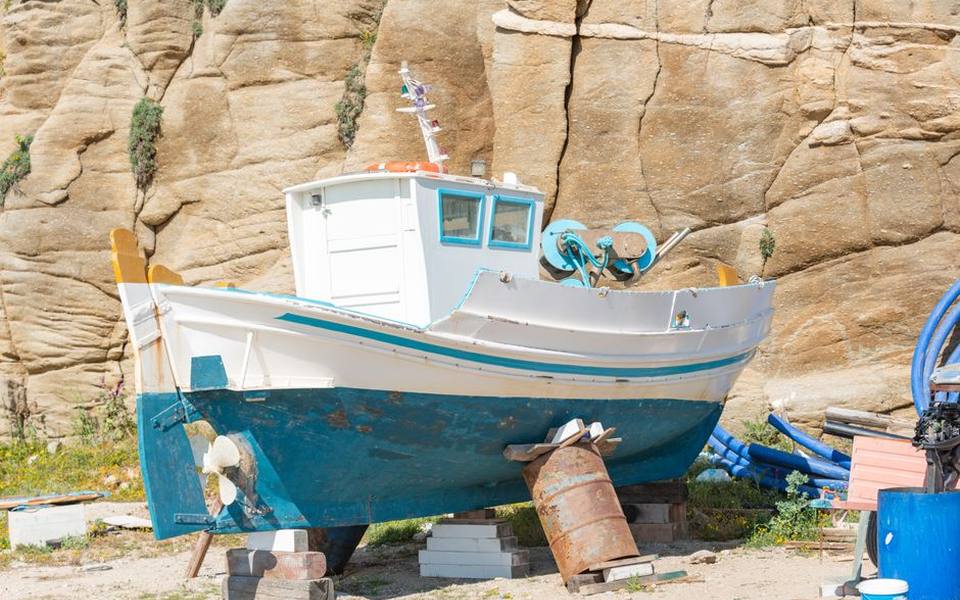
Complete Guide to Marine Bottom Paint and Antifouling Application
-
Owning
Cruising America's Great Loop: Route Planning, Boat Choice, and Cruising Resources
-
Service
Boat and Fishing Charters: Complete Guide to Styles, Rates, and Booking
-
Buying
Personal Watercraft and Jet Ski Guide: Models, Rentals, and Buying
-
 Owning
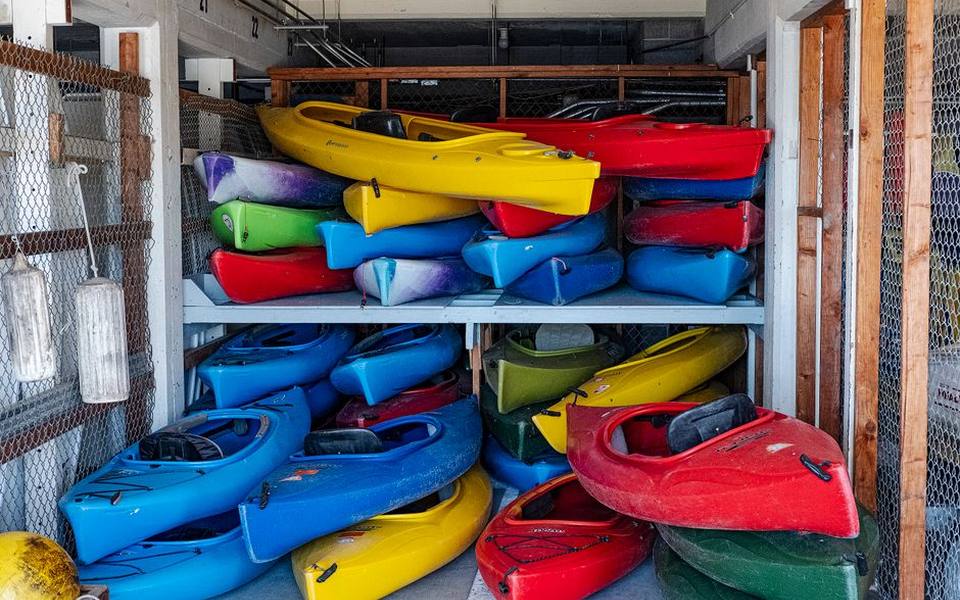
Marine Supply Stores and Chandleries: Outfitting Your Boat
-
Safety
Marine Weather Forecasts and NOAA Wave Reports: A Practical Boater's Guide
-
Safety
USCG Boat Registration, Boater Education, and Navigational Safety Rules
-
Owning
Marine Lithium Batteries, Solar Panel Systems, and Trickle Charging Guide
-
Service
Boat Trailer Maintenance: Bearings, Replacement Kits, and Towing Prep
-
Safety
Marine VHF Radio Frequencies, Channels, and Electronics Setup
-
 Service
Complete Boat Hull Maintenance Guide: Washing, Acid Cleaners, Gelcoat Repair, and Antifouling Paint
-
Service
Fixing Inflatable Boat Leaks and Replacing Worn Bimini Top Canvas
-
Owning
Buoy Mooring Setup, Dock Lines, Cleat Hitch Knots, and Anchor Pins
-
 Owning
Boat Trim Tabs Guide: Lenco, Zipwake, Bennett, and Electric vs Hydraulic
-
Owning
Upgrading Boat Swim Platforms, Boarding Ladders, and Marine Vinyl Seating
-
Owning
Best Gifts for Boaters, Practical Marine Accessories, and Kayak Storage Racks