Recognizing Outboard Running Issues Before Heading to the Shop
When an outboard engine sputters, loses top-end power, or refuses to start at the dock, tracking down the root cause starts with three fundamental systems: clean fuel delivery, solid ignition spark, and mechanical cylinder compression. Most intermittent running issues stem from degraded ethanol fuel, gummed injectors, or failing low-pressure lift pumps rather than catastrophic internal mechanical failures. Taking an orderly diagnostic path prevents owners from needlessly replacing expensive electronic modules when a clogged ten-dollar primary filter or a collapsed primer bulb is the actual culprit.
A sudden drop in operating RPM while cruising usually points to either ignition coil breakdown under load or progressive fuel starvation. If the engine bogs down exclusively when you push the throttle past mid-range, the high-pressure fuel filter inside the vapor separator tank often suffers from micro-particulate buildup. Checking spark plug electrodes provides immediate visual clues; dry black soot indicates an overly rich air-fuel ratio or weak spark, while clean, wet spark plugs usually reveal an unignited cylinder where an ignition pack or fuel injector has failed entirely.
Compression checks remain the gold standard baseline for evaluating the overall health of an outboard powerhead before investing in auxiliary repairs. A healthy motor typically shows balanced cylinder pressures within ten to fifteen percent of each other across all cylinders. A severe drop in one cylinder often signals broken piston rings, a scored sleeve from previous overheating, or blown head gaskets that allow cooling water into the combustion chamber. Addressing these symptoms early stops minor fuel delivery issues from escalating into complete internal seizures.
Lower Unit Anatomy and How Gearcases Experience Damage
The lower unit of an outboard serves as the final link in the propulsion chain, translating vertical crankshaft rotation into horizontal propeller thrust through a compact set of precision gears. Housed within a hydrodynamic aluminum casting, the gearcase contains the forward, pinion, and reverse bevel gears, along with a shifting dog clutch and needle bearing assemblies. Because this entire mechanical assembly operates fully submerged under extreme torque, any breach in the lubricating oil envelope leads rapidly to friction damage, galling, and catastrophic gear tooth failure.
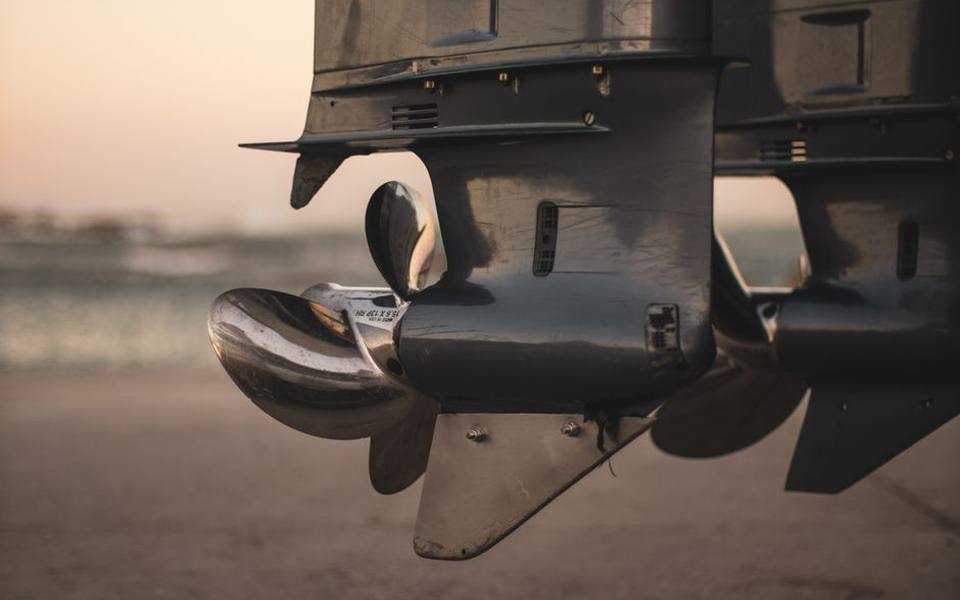
Mechanical shock remains one of the primary reasons lower units require heavy structural repair. Striking a submerged log, floating debris, or a shallow sandbar imparts violent torsional stress through the propeller shaft directly into the drive gears and bearing carrier. In severe impacts, the prop shaft can bend beyond acceptable tolerances, causing severe vibration that quickly ruins the prop shaft seals and allows raw water to flood the gearcase housing.
Corrosion and seal wear represent slower but equally destructive threats to the lower housing. Braided monofilament fishing line wrapped tightly behind the propeller hub acts like a miniature saw blade against rubber oil seals, slicing through dual-lip barriers and opening a path for water ingress. In saltwater environments, neglected galvanic anodes accelerate electrolytic pitting across the aluminum housing, ultimately eroding the sealing surfaces around the bearing carrier and draining the unit of vital gear lubricant.
Diagnosing Water Intrusion and Gearcase Lubricant Contamination
Routine inspection of lower unit lubricant is the most effective preventive measure an owner can perform. When cracking open the bottom drain plug on a vertical gearcase, the first few drops tell an unmistakable story. Fresh, healthy marine gear oil presents as clear amber, dark blue, or clean green depending on the manufacturer's dye pack. If the draining fluid appears milky, opaque, or resembles coffee with heavy cream, water has emulsified with the oil and internal components are actively at risk.
Metallic debris caught on the magnetic tip of the bottom drain screw offers another clear window into gearcase health. A fine coating of microscopic metallic slurry is generally considered normal wear from the shifting dog engaging gear dogs during routine operation. However, discovering distinct, sharp metal flakes, chunks of broken gear teeth, or curved bearing needle rollers indicates severe internal fracturing that demands an immediate teardown before the housing locks up at cruising speed.
To pinpoint the exact entry point of water into the gearcase, technicians employ pressure and vacuum testing. By threading a specialized gauge adapter into the vent port, the empty gearcase is pressurized to approximately ten to twelve pounds per square inch while soapy water is sprayed around the prop shaft, shift rod boot, and driveshaft seal underneath the water pump base. A corresponding vacuum test checks whether the lips of the oil seals pull inward correctly, verifying the unit will not ingest raw water when cooling down rapidly in cold water.
Step-by-Step Lower Unit Reseal and Impeller Overhaul
Resealing an outboard lower unit begins with detaching the entire lower gearcase from the exhaust midsection. This requires removing several perimeter mounting bolts, locating any hidden fasteners beneath the trim tab anode, and disconnecting the mechanical shift linkage if the motor uses an external link rod. Once unbolted, the lower unit drops down smoothly, exposing the vertical driveshaft, water pump housing, and the splined shifting shaft.
Overhauling the water pump assembly is standard practice whenever the gearcase is dropped, as the rubber impeller inevitably degrades, takes a permanent rotational set, or hardens over time. Technicians remove the pump housing cover, discard the worn neoprene impeller, and thoroughly inspect the stainless steel wear plate and outer cup for deep scoring or heat distortion. Underneath the water pump base sits the upper driveshaft oil seal, which must be carefully pulled and renewed to protect the top bearings of the gearcase from seawater intrusion.
Addressing the rear propeller shaft assembly involves pulling the bearing carrier out of the gearcase barrel, a task that often requires a dedicated mechanical puller if marine growth or galvanic corrosion has bound the aluminum parts together. Once extracted, the dual spring-loaded seals inside the carrier are driven out and replaced, with the inner seal facing inward to retain gear oil and the outer seal facing outward to repel water. After reassembling the shafts and torquing fasteners to specification, a final pressure test confirms the lower housing is airtight.
Repairing Damaged Gears Versus Replacing the Entire Case
When an internal inspection reveals chipped gear teeth, spun bearings, or excessive backlash, owners must weigh rebuilding the existing components against bolting on a factory remanufactured gearcase. Rebuilding a gearcase requires exceptional mechanical precision; establishing correct pinion gear depth and lash requires micrometer shims, dial indicators, and specialized gear-marking compound. If a technician lacks the specific factory alignment fixtures, the newly installed gears will whine loudly and fail prematurely under heavy hydrodynamic loads.
The financial threshold for repairing an existing housing depends heavily on the condition of the exterior aluminum casting. If a hard bottom strike bent the prop shaft and stripped gear dogs but left the outer skeg and bearing carrier housing completely undamaged, installing an internal gear set and replacement shaft is often the most economical path. Conversely, if the impact cracked the aluminum casing, stripped the internal threaded retaining ring, or warped the central driveshaft cavity, structural welding rarely provides a reliable long-term fix.
Opting for a complete remanufactured or aftermarket lower unit offers distinct advantages in turnaround time and warranty coverage. In many coastal regions, mobile mechanics and boatyards can swap an entire bolt-on lower unit in less than two hours, getting the vessel back in the water without days of bench labor. This approach provides entirely new bearings, shafts, seals, and housing threads, which is particularly valuable for aging outboards where individual internal components are becoming difficult or costly to source.
When Outboard Mechanics Step Aside for Marine Diesel Specialists
While modern high-horsepower outboard motors share electronic sensors and digital fuel injection concepts with contemporary marine engines, heavy inboard diesel powerplants operate in a distinct engineering realm. High-compression diesel cycles, mechanical governors, high-pressure common rail fuel rails, and massive internal component weights require specialized tooling and procedural knowledge that general outboard mechanics rarely carry. When troubleshooting commercial vessels, sportfishers, or large cruising yachts, securing a dedicated marine diesel technician becomes indispensable.
The physical architecture of an inboard diesel system involves intricate auxiliary plumbing that differs fundamentally from an outboard's self-contained midsection. Diesel installations rely on external raw water sea strainers, bronze seacocks, massive copper-nickel heat exchangers, and wet exhaust mixing elbows designed to handle blistering exhaust gas temperatures without melting composite hull components. Diagnosing cooling restrictions or exhaust backpressure issues on these large engines demands an intimate understanding of vessel buoyancy, water-lift mufflers, and raw water volume dynamics.
Fuel filtration and cleanliness requirements are exponentially higher in marine diesel applications due to the massive volume of fuel circulated through high-pressure injection pumps. Diesel fuel is prone to microbial proliferation, paraffin wax separation in cold conditions, and water contamination within large structural aluminum or fiberglass tanks. A certified diesel marine mechanic brings deep experience in diagnosing primary water-separating filter heads, bleeding air from intricate multi-stage fuel lines, and verifying that return fuel lines maintain proper cooling loops back to the fuel tanks.
Diagnostic Procedures and Heavy Maintenance Handled by Diesel Techs
The daily work of an experienced marine diesel engine mechanic centers on maintaining tight mechanical tolerances under brutal commercial operating cycles. One critical preventive service is adjusting valve clearances, commonly known as running the overhead, along with calibrating mechanical unit injectors to ensure precise cylinder balance. If valve lash drifts out of specification, cylinders lose compression, exhaust valves burn, and unburned diesel fuel washes down cylinder walls, leading to accelerated liner wear and premature oil degradation.
Turbocharger and aftercooler maintenance represents another primary responsibility for a qualified marine diesel tech. Marine turbochargers operate under continuous high load, using hot exhaust gas to force dense air into the combustion chamber. Over time, soot buildup on the exhaust turbine wheel or salt mist crusting on the compressor side reduces boost pressure, leading to black exhaust smoke and sluggish acceleration. Technicians regularly disassemble aftercoolers to chemically descale seawater passages and clean oily crankcase mist from cooling fins, preventing catastrophic water leaks into the intake manifold.
Modern computerized diesels also rely on proprietary electronic diagnostic software to read internal control module parameters. By analyzing real-time data such as fuel rail pressure, manifold absolute pressure, coolant temp deltas, and injector fuel-rate balancing across individual cylinders, technicians can isolate an electronic solenoid fault without tearing down mechanical assemblies. This high-level diagnostic capability separates professional engine specialists from backyard mechanics attempting to troubleshoot complex propulsion packages by guessing.
Vetting Qualified Technicians and Marine Service Providers
Finding reliable marine propulsion support requires verifying specific trade certifications rather than trusting unverified shop claims. Recognized industry credentials, such as certifications from the American Boat and Yacht Council (ABYC) or direct factory training credentials, demonstrate that a technician understands marine electrical safety, grounding standards, and engine manufacturer tolerances. Whether you need complex lower unit rebuilding or heavy diesel overhauls, asking for proof of recent factory schooling ensures the mechanic uses modern procedures.
Owners must also decide between hiring an independent mobile marine technician or hauling the boat into a full-service boatyard. Mobile technicians bring equipped utility vans directly to the slip, providing immense convenience for regular filter swaps, zinc replacements, and topside lower unit overhauls. However, severe structural work, heavy engine block extraction, and lower unit pressure testing often benefit from the overhead cranes, parts cleaning tanks, and specialized machining lathes found inside established marina repair facilities.
Always request a clear written estimate that itemizes shop labor rates, diagnostic travel fees, disposal charges, and OEM versus aftermarket parts pricing. Marine repair environments frequently uncover hidden complications, such as seized stainless bolts threaded into corroded aluminum housings. A reputable marine mechanic will pause work and notify the owner the moment estimated costs are projected to exceed baseline numbers due to frozen fasteners or broken internal gears.
Preventive Service Cycles That Prolong Marine Propulsion Life
Preventive maintenance on marine engines follows runtime hours or calendar intervals, whichever milestone arrives first. For outboard engines, the standard operating benchmark is the 100-hour or annual service, which encompasses fresh engine crankcase oil, new oil filters, fresh lower unit gear lube, spark plug replacement, and primary fuel-water separator renewal. Skipping an annual gear oil change leaves any unnoticed water contamination free to corrode expensive internal bearings through the off-season storage period.
Sacrificial zinc or aluminum anodes installed across the outboard bracket, gearcase torpedo, and internal engine cooling passages must be monitored continuously. These metal blocks intentionally sacrifice themselves to protect structural engine metals from galvanic currents present around busy docks. Once an anode degrades to roughly half its original physical size, its protective galvanic circuit breaks down, allowing corrosion to rapidly target the propeller shaft, lower unit seals, and internal aluminum cylinder jackets.
Diesel engines demand their own rigorous maintenance calendar, centered heavily around clean engine oil, cooling system descaling, and belt alignment. Diesel crankcase oil holds significant amounts of abrasive soot in suspension, requiring scheduled oil and filter changes typically every one hundred to two hundred operating hours depending on the engine model. Heat exchangers and oil coolers should be systematically pulled and flushed with mild acid baths every few seasons to strip mineral scale before cooling efficiency drops and causes an offshore overheat alarm.
Coordinating Haul-Outs, Slips, and Ramp Access for Mechanical Repairs
Completing lower unit service or pulling heavy running gear requires deliberate physical planning around marine access points. While simple maintenance like spark plug changes can easily occur at a private dock, dropping a heavy lower unit or swapping propeller shafts is safest when the vessel is securely supported on dry land. Trailering a boat out of the water provides a stable, clean environment where technicians can work without risk of dropping small tools, fasteners, or gear oil into the surrounding waterway.
Boaters planning seasonal mechanical overhauls should leverage regional marina networks to secure short-term workspaces. If your boat is kept in salt water without a dedicated trailer, booking space at marinas offering transient slips provides a secure base of operations near certified service departments. Owners who transport their own vessels can utilize public facilities featuring boat launch access to pull their boats onto a trailer quickly for dockside or driveway maintenance.
For larger cruising vessels that cannot be pulled using a conventional ramp, working with full-service boatyards featuring heavy travel lifts is necessary. Boaters navigating coastal corridors can explore directory resources covering thousands of marine facilities, such as marinas in Florida, to find facilities equipped with certified mechanics, specialized marine diesel engine mechanics, and proper haul-out wells. Planning your service stops through comprehensive directories like The Marina Atlas ensures you reach qualified technicians before minor mechanical vibrations turn into critical failures at sea.
Published 2026-09-21 · reviewed with each rebuild, last September 2026.
Find marinas near you
The directory lists 7,143 marinas by state and city — pick your state or use the “Near me” button in the header.
More guides
-
 Safety
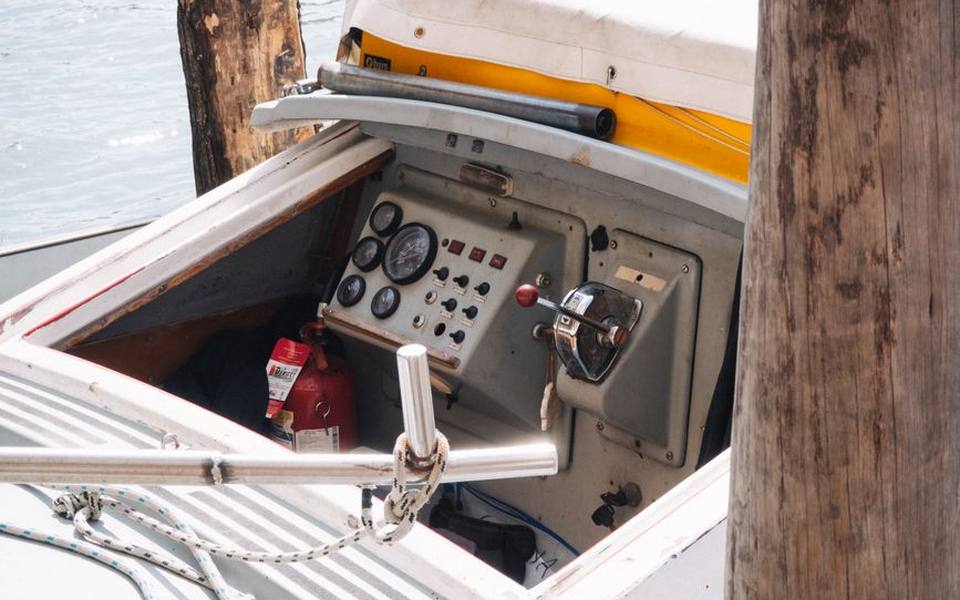
Boat Fire Extinguisher Inspection: Schedule, Checklist, and Costs
-
 Money
MoneyBoat Club Membership Costs: Initiation Fees, Monthly Dues, and Ownership Comparison
-
 Storage
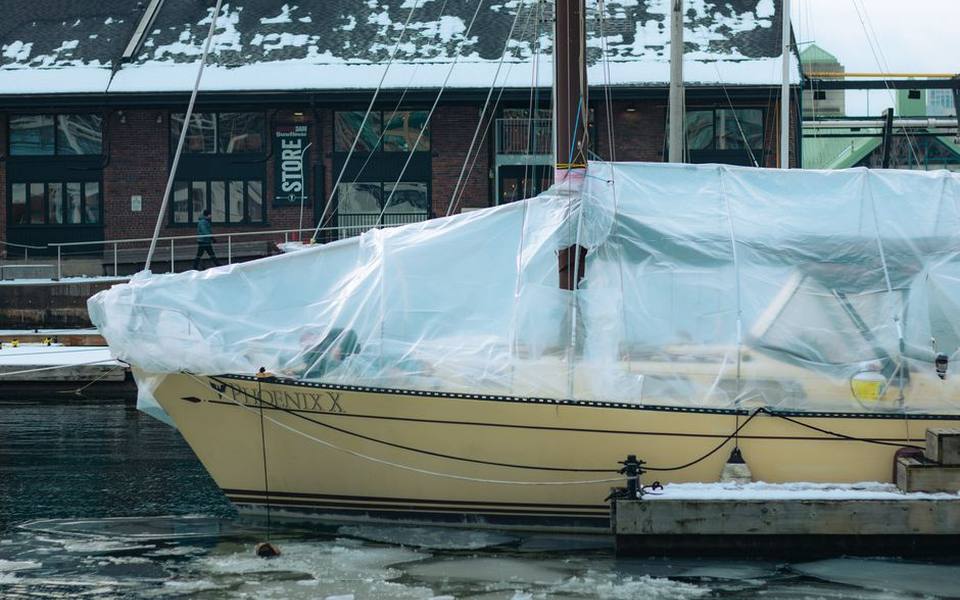
Boat Winterization and Storage: Costs, Checklist, and Shrink Wrapping Guide
-
 Storage
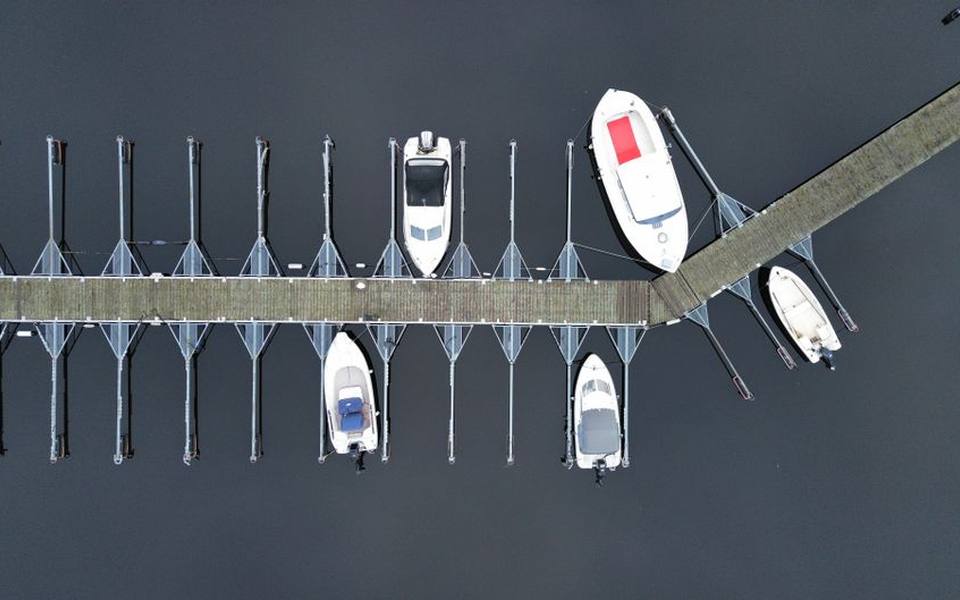
Boat Slips and Docking Fees: How Much Does It Cost to Keep a Boat in the Water?
-
 Owning
Essential Nautical Terms and Practical Boating Knowledge: From the Helm to Harbor Life
-
 Owning
A Practical Guide to Boat Mooring: Buoys, Lines, and Technique
-
 Safety
Essential Boat Safety Gear, Marine Electronics, and Equipment Guide
-
 Service
Outboard Engine Service and Rebuild Costs: What Boat Owners Should Expect to Pay
-
 Safety
Marine Weather Forecasts and Warnings: Reading NOAA Reports and Coastal Maps
-
 Safety
Boating Safety Certification and Licensing: State Requirements and Exam Prep
-
 Service
Saltwater and Freshwater Fishing Charters: Choosing Inshore, Offshore, and Deep Sea Trips
-
 Owning
Bareboat Yacht Charters: How to Rent, Qualifications, and Cruising Preparation
-
 Buying
Pontoon & Tritoon Boats: Buying, Renting, Models, and Pricing Guide
-
 Owning
Holiday Boat Parades and Coastal Festivals: Viewing Guide and Schedules
-
 Buying
A Complete Guide to Buying Used Boats: Valuations, Inspections, and Registration
-
 Owning
Waterfront Dining and Dockside Restaurants: Boater's Guide to Dock and Dine
-
 Owning
Dockside Bait Systems, Live Bait Sourcing, and Fish Cleaning Station Setup
-
 Safety
Marine Fire Safety Inspection and Extinguisher Maintenance
-
 Storage
Complete Guide to Boat Winterization, Shrink Wrapping, and Storage Covers
-
 Buying
Electric Boat Motors and Trolling Systems: The Practical Conversion Guide
-
 Owning
A Practical Guide to Public Boat Launches, Kayak Ramps, and Water Access
-
 Owning
Marine Lithium Batteries vs AGM: Setup, Charging, and Performance
-
Service
Boat Fiberglass & Gelcoat Repair Guide: Fixing Cracks, Blisters & Scratches
-
Service
Marine Fuel Tank Cleaning and Rust Removal Guide
-
Safety
USCG Captain's License Guide: OUPV 6-Pack Requirements and Renewal
-
Buying
Boat Dinghies and Inflatables Guide: Types, Motors, and Selection
-
Service
Boat Towing Services and Marine Assistance Memberships Explained
-
Owning
Boat Lettering, Registration Numbers, and Custom Vinyl Decals
-
Buying
Shallow Water Anchor Systems: Power-Pole vs. Minn Kota Talon & Raptor
-
 Service
Complete Guide to Marine Bottom Paint and Antifouling Application
-
Owning
Cruising America's Great Loop: Route Planning, Boat Choice, and Cruising Resources
-
Service
Boat and Fishing Charters: Complete Guide to Styles, Rates, and Booking
-
Buying
Personal Watercraft and Jet Ski Guide: Models, Rentals, and Buying
-
 Owning
Marine Supply Stores and Chandleries: Outfitting Your Boat
-
Safety
Marine Weather Forecasts and NOAA Wave Reports: A Practical Boater's Guide
-
Safety
USCG Boat Registration, Boater Education, and Navigational Safety Rules
-
Owning
Marine Lithium Batteries, Solar Panel Systems, and Trickle Charging Guide
-
Service
Boat Trailer Maintenance: Bearings, Replacement Kits, and Towing Prep
-
Safety
Marine VHF Radio Frequencies, Channels, and Electronics Setup
-
 Service
Complete Boat Hull Maintenance Guide: Washing, Acid Cleaners, Gelcoat Repair, and Antifouling Paint
-
Service
Fixing Inflatable Boat Leaks and Replacing Worn Bimini Top Canvas
-
Owning
Buoy Mooring Setup, Dock Lines, Cleat Hitch Knots, and Anchor Pins
-
 Owning
Boat Trim Tabs Guide: Lenco, Zipwake, Bennett, and Electric vs Hydraulic
-
Owning
Upgrading Boat Swim Platforms, Boarding Ladders, and Marine Vinyl Seating
-
Owning
Best Gifts for Boaters, Practical Marine Accessories, and Kayak Storage Racks