Mandatory Safety Equipment Required on Recreational Boats
Recreational vessels operating on navigable waters must carry specific safety gear approved by the United States Coast Guard to meet baseline legal and practical standards. At the core of these requirements is personal flotation: you must have at least one properly sized, serviceable life jacket for every individual aboard, plus a throwable Type IV flotation cushion or ring on vessels sixteen feet and longer. In most states, children under a designated age must wear an approved life jacket at all times while the vessel is underway.
Visual distress signals represent another non-negotiable legal requirement when operating on coastal waters, the Great Lakes, or territorial seas. Handheld marine flares, aerial flare signals, or electronic distress lights give nearby vessels and search crews a visible target during emergencies. Day-and-night visual signaling tools typically carry strict expiration dates stamped on their casings, so verifying those dates before launching protects you from compliance penalties and equipment failure when visibility deteriorates.
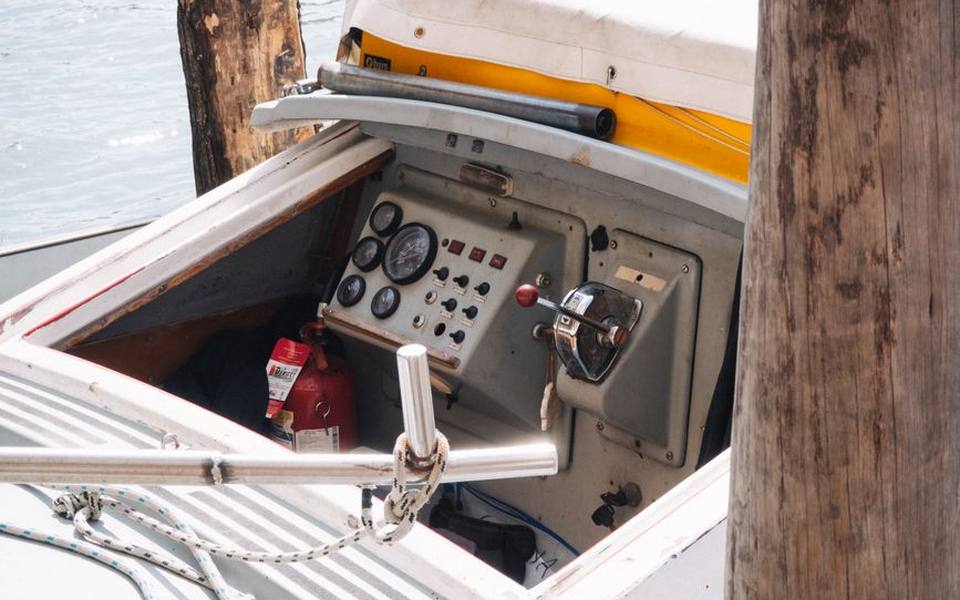
Fire suppression and audible signaling devices round out standard vessel mandates across federal and regional waterways. Inboard engines, enclosed fuel compartments, or permanent fuel tanks necessitate marine-rated portable fire extinguishers mounted in easily reachable compartments. Additionally, every vessel must carry an efficient sound-producing device, such as an audible whistle, electric horn, or compressed gas air horn, to signal navigational intentions in limited visibility or sound warning blasts in heavy channel traffic.
Understanding VHF Marine Radios and Vessel Communications
A VHF marine radio is a specialized, two-way radio transceiver operating within maritime very high frequency bands designated for bridge-to-bridge communication, port operations, and life-saving distress calls. Unlike standard consumer walkie-talkies or cellular phones, a marine VHF radio broadcasts directly to all listening vessels and coastal rescue authorities within its line-of-sight range. Channel 16 serves as the international hailing and distress frequency, monitored constantly by the Coast Guard and surrounding mariners.
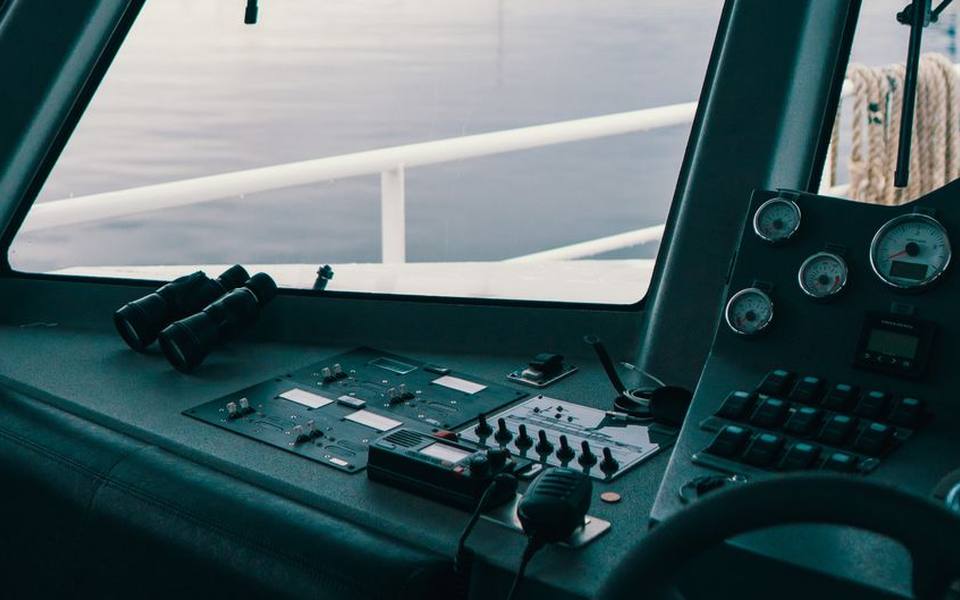
Modern VHF units integrate Digital Selective Calling, which allows the radio to transmit an automated digital distress alert at the touch of a single red button. When wired to your GPS plotter or configured with an internal positioning receiver, this emergency broadcast immediately transmits your vessel identity and coordinates. Having that reliable link is indispensable whether you operate offshore or navigate busy inland waterways where cellular tower signals frequently drop behind barrier islands and headlands.
Boaters choose between fixed-mount radios connected to tall fiberglass antennas and portable handheld VHF transceivers. Fixed-mount units deliver significantly greater transmit power, reaching up to twenty-five watts, which pushes signals much further over open water. Handheld versions operate around five to six watts, serving as handy primary devices for tenders or vital backup radios if your primary electrical system fails during a passage.
Demystifying Marine Batteries and Onboard Electrical Systems
Marine batteries differ substantially from ordinary automotive batteries because they must withstand punishing wave impact, constant engine vibration, and deep electrical discharge cycles. Standard car batteries are engineered only to deliver brief, massive bursts of amperage to turn over an engine starter before immediately recharging. Marine batteries feature heavier lead plates, rugged internal plate bonding, and reinforced outer casings to prevent internal short circuits caused by rough water pounding.
Boaters typically encounter three primary functional categories: starting batteries, deep-cycle batteries, and dual-purpose compromises. Starting batteries turn over outboard or inboard engines quickly with high cranking power. Deep-cycle batteries, by comparison, have thick solid plates designed to discharge gradually down to fifty percent or lower, powering chartplotters, livewell pumps, trolling motors, and cabin lighting over long hours without suffering premature internal degradation.
Regarding internal chemistry, owners generally weigh traditional flooded lead-acid, sealed Absorbed Glass Mat (AGM), and lithium iron phosphate (LiFePO4) options. Flooded batteries require ongoing distilled water maintenance but offer the lowest entry cost. AGM units are completely maintenance-free, spill-proof, and tolerate deep cycling well. Lithium chemistry represents a premium upgrade with rapid recharge speeds and substantial weight savings, though it requires compatible charging profiles to ensure safe operation.
Keeping Batteries Healthy with Marine Solar Chargers
A marine solar charging setup provides an excellent, silent method for keeping house banks and starting batteries properly maintained between outings. Boats resting on moorings, dry racks, or slips without shore power access gradually suffer parasitic battery drain from bilge pump sensors, memory circuits, and natural internal discharge. A reliable solar charger continually replenishes this lost amperage, preventing your batteries from sitting in a damaging, partially discharged state that encourages sulfation.
Selecting the right system depends on whether you need a basic maintenance maintainer or a full power-replenishing array. Small trickle-charging panels between ten and thirty watts keep a healthy battery topped off against standby loads while the boat sits idle. Cruising vessels running refrigerators, radar, and stereo amplifiers require substantial arrays of one hundred to four hundred watts paired with an efficient solar charge controller.
The controller between your solar panel and battery bank plays a decisive role in long-term battery lifespan. Maximum Power Point Tracking (MPPT) controllers convert excess panel voltage into usable charging amperage with remarkable efficiency, outperforming older Pulse Width Modulation (PWM) hardware in low light or overcast weather. Rigid glass panels withstand decades of UV exposure on hardtops, while semi-flexible marine panels contour cleanly across rounded cabin tops and canvas dodgers.
Using Digital Tide Charts and Navigation Applications
Coastal boating demands an accurate, real-time understanding of tidal shifts, water depth changes, and water currents before entering shallow bays or negotiating narrow inlets. Relying on paper tables has largely given way to digital tide and current applications that provide dynamic, graphical water level predictions directly on mobile devices. The most dependable applications pull their core data directly from verified hydrographic agencies like the National Oceanic and Atmospheric Administration.
Effective tide applications display interactive graphs showing high and low tide peaks, exact current velocities, slack water windows, and astronomical data like moon phases. Many offshore anglers and coastal cruisers prefer applications that offer offline caching, allowing mariners to inspect depth trends even when cruising outside cell tower range. Setting up alerts for extreme low-water cycles helps prevent accidental groundings when returning to your home slip or negotiating shallow marsh cuts.
While modern electronic charts and tide software simplify trip planning immensely, they should always be matched against visual markers and onboard depth sounders. Wind direction, atmospheric pressure, and sustained offshore weather patterns can skew actual water depths by several feet compared to theoretical chart predictions. Cross-referencing digital predictions against local soundings ensures you do not get caught aground while trailering out at a public boat launch ramp during a king tide.
Foundational Boating Courses and Waterway Safety Training
Taking a comprehensive boating safety course is the single best investment a novice boater can make prior to operating any motorized watercraft. Across the country, state marine agencies increasingly mandate boating safety certification for operators born after specific qualifying years. Recognized programs approved by the National Association of State Boating Law Administrators (NASBLA) teach foundational navigation rules, buoy systems, legal equipment standards, and safe trailering practices.
Beginners can choose between flexible self-paced online courses and immersive classroom seminars hosted by local Coast Guard Auxiliary flotillas or United States Power Squadrons. Classroom settings provide the advantage of interacting with seasoned captains who can answer questions about local hazards, prevailing current patterns, and tricky regional channels. In addition to meeting state legal requirements, completing an approved beginner course typically earns you a discount on marine insurance premiums.
Hands-on, on-water instruction represents the logical next step after acquiring classroom fundamentals. Many community sailing centers and commercial training academies offer half-day or full-day practical clinics covering low-speed docking maneuvers, spring line handling, pivot-turn controls, and emergency man-overboard recoveries. Gaining tactile confidence at the throttle with a licensed instructor aboard eliminates much of the initial docking anxiety that new boaters experience around crowded seawalls.
Evaluating Hull Designs for Saltwater Fishing Platforms
Choosing a capable saltwater fishing vessel requires matching hull architecture to your intended fishing grounds, whether you target redfish in shallow grass flats or chase pelagics miles offshore. Center console boats dominate saltwater angling due to their unobstructed, 360-degree fishability, uncluttered casting decks, and deep cockpit drainage scuppers. Dual console designs provide a practical alternative for families, combining rod holders and livewells with protective windshields and comfortable bow seating.
Hull geometry directly governs how comfortably a boat cuts through unpredictable ocean chop versus how steadily it drifts on anchor. Deep-V monohulls featuring deadrise angles between twenty and twenty-four degrees slice smoothly through heavy head seas, delivering a softer ride at cruising speed at the cost of slight rocking when drifting. Modified-V hulls with flatter aft sections offer shallower draft and exceptional stationary stability, making them ideal for protected bays and coastal inlets.
Power catamarans have also earned widespread popularity among offshore anglers seeking a remarkably smooth ride in rough water. By trapping a cushion of air between twin narrow sponsons, catamarans suppress wave slamming and provide an expansive, stable casting platform across a wide beam. Whichever layout you select, true saltwater capability requires robust self-bailing cockpits, stainless steel hardware, insulated fishboxes, and ample raw-water washdown systems to manage heavy fishing days.
Selecting the Right Personal Watercraft for Coastal and Inland Waters
Personal watercraft have evolved from modest runabouts into sophisticated, highly specialized marine machines tailored for touring, sport riding, and even coastal fishing. When researching popular lines like the Sea-Doo family, buyers will encounter distinct categories ranging from lightweight recreational models to heavy, long-distance luxury touring crafts. Clarifying whether you intend to carve tight turns on calm lakes or make ocean crossings dictates the hull size and horsepower you need.
Entry-level recreational watercraft feature lightweight polytec hulls that maximize fuel economy and nimble handling, making them exceptionally easy to trailer and launch solo. Mid-sized recreation and tow-sport crafts incorporate larger, stepped hulls that maintain reliable tracking in light chop while delivering enough low-end torque to pull wakeboarders or tubers. Touring and performance models utilize heavy, deep-V fiberglass hulls that absorb rough water smoothly and remain planted during high-speed runs.
Drivetrain architecture is another critical consideration for saltwater enthusiasts. Sea-Doo crafts utilize closed-loop cooling systems that circulate clean coolant through the engine block rather than drawing raw, corrosive ocean water directly through internal engine passages. Regardless of cooling design, operating any personal watercraft safely requires dead-man safety lanyards, variable trim systems, and intelligent braking or reverse mechanisms to navigate congested harbor entrances securely.
Boat Wrap Installation Options and Cost Expectations
Vinyl hull wraps have become one of the most popular ways to revitalize an aged gelcoat finish, apply custom graphics, or protect a new vessel from sun fading and dock rash. Unlike a complete marine paint job, which requires weeks of intensive spraying, fairing, and toxic chemical curing, a vinyl wrap can typically be installed in just a few days. The durable cast vinyl film adheres tightly to clean gelcoat, shielding the fiberglass beneath from UV degradation and minor surface scratches.
The overall cost to wrap a boat depends primarily on total square footage, hull geometry complexity, and whether you choose a simple waterline color change or an intricate printed design. For an average twenty-to-twenty-six-foot center console, a full exterior hull wrap typically ranges from two thousand to five thousand dollars, whereas large offshore cruisers or yachts naturally climb significantly higher. Partial wraps or simple accent stripes cost considerably less while still modernizing the boat's profile.
Surface preparation dictates how well a vinyl wrap holds up against water pressure and salt spray over its lifespan. Marine technicians must thoroughly degrease the hull, strip old wax residues, and smooth out gouges or peeling decals before laying the film. When applied by experienced installers who properly seal the leading edges and waterlines, a high-grade marine vinyl wrap typically lasts anywhere from four to seven years with straightforward soap-and-water maintenance.
Locating Reliable Docks, Launch Sites, and Slip Amenities
Finding the right home base for your vessel depends heavily on how you use your craft, local waterway accessibility, and required dockside support. When searching for prime dockage, look beyond raw slip dimensions to evaluate approach depth, tidal range, and the protection offered by surrounding breakwaters. A basin shielded from heavy ferry wakes and prevailing winds saves wear and tear on your dock lines, fenders, and deck cleats over an active boating season.
Traveling boaters planning coastal itineraries should prioritize facilities that maintain dedicated transient slips with dependable electrical hookups, potable water stations, and clean pumpout services. If you prefer trailering your vessel to explore different lakes or coastal bays, confirm the condition, parking capacity, and launch incline at regional ramps before setting off. Exploring a comprehensive independent marina directory helps locate dockage options tailored to your draft, beam, and utility requirements.
For boaters who prefer not to manage maintenance or storage logistics, facilities featuring boat rentals on-site offer a convenient way to get out on the water without long-term ownership commitments. Whether you are searching for high-density year-round slips in warm coastal hubs like marinas in Florida or sheltered moorings in tidal rivers, inspecting fuel dock cleanliness, security gates, and winterization services ensures a hassle-free home port.
Published 2026-09-20 · reviewed with each rebuild, last September 2026.
Find marinas near you
The directory lists 7,143 marinas by state and city — pick your state or use the “Near me” button in the header.
More guides
-
 Safety
Boat Fire Extinguisher Inspection: Schedule, Checklist, and Costs
-
 Money
MoneyBoat Club Membership Costs: Initiation Fees, Monthly Dues, and Ownership Comparison
-
 Storage
Boat Winterization and Storage: Costs, Checklist, and Shrink Wrapping Guide
-
 Storage
Boat Slips and Docking Fees: How Much Does It Cost to Keep a Boat in the Water?
-
 Owning
Essential Nautical Terms and Practical Boating Knowledge: From the Helm to Harbor Life
-
 Owning
A Practical Guide to Boat Mooring: Buoys, Lines, and Technique
-
 Service
Outboard Engine Service and Rebuild Costs: What Boat Owners Should Expect to Pay
-
 Safety
Marine Weather Forecasts and Warnings: Reading NOAA Reports and Coastal Maps
-
 Safety
Boating Safety Certification and Licensing: State Requirements and Exam Prep
-
 Service
Saltwater and Freshwater Fishing Charters: Choosing Inshore, Offshore, and Deep Sea Trips
-
 Owning
Bareboat Yacht Charters: How to Rent, Qualifications, and Cruising Preparation
-
 Buying
Pontoon & Tritoon Boats: Buying, Renting, Models, and Pricing Guide
-
 Owning
Holiday Boat Parades and Coastal Festivals: Viewing Guide and Schedules
-
 Buying
A Complete Guide to Buying Used Boats: Valuations, Inspections, and Registration
-
 Owning
Waterfront Dining and Dockside Restaurants: Boater's Guide to Dock and Dine
-
 Owning
Dockside Bait Systems, Live Bait Sourcing, and Fish Cleaning Station Setup
-
 Safety
Marine Fire Safety Inspection and Extinguisher Maintenance
-
 Storage
Complete Guide to Boat Winterization, Shrink Wrapping, and Storage Covers
-
 Buying
Electric Boat Motors and Trolling Systems: The Practical Conversion Guide
-
 Owning
A Practical Guide to Public Boat Launches, Kayak Ramps, and Water Access
-
 Owning
Marine Lithium Batteries vs AGM: Setup, Charging, and Performance
-
Service
Boat Fiberglass & Gelcoat Repair Guide: Fixing Cracks, Blisters & Scratches
-
Service
Marine Fuel Tank Cleaning and Rust Removal Guide
-
Safety
USCG Captain's License Guide: OUPV 6-Pack Requirements and Renewal
-
Buying
Boat Dinghies and Inflatables Guide: Types, Motors, and Selection
-
Service
Boat Towing Services and Marine Assistance Memberships Explained
-
Owning
Boat Lettering, Registration Numbers, and Custom Vinyl Decals
-
Service
Outboard Motor and Lower Unit Maintenance, Repair, and Marine Diesel Guide
-
Buying
Shallow Water Anchor Systems: Power-Pole vs. Minn Kota Talon & Raptor
-
 Service
Complete Guide to Marine Bottom Paint and Antifouling Application
-
Owning
Cruising America's Great Loop: Route Planning, Boat Choice, and Cruising Resources
-
Service
Boat and Fishing Charters: Complete Guide to Styles, Rates, and Booking
-
Buying
Personal Watercraft and Jet Ski Guide: Models, Rentals, and Buying
-
 Owning
Marine Supply Stores and Chandleries: Outfitting Your Boat
-
Safety
Marine Weather Forecasts and NOAA Wave Reports: A Practical Boater's Guide
-
Safety
USCG Boat Registration, Boater Education, and Navigational Safety Rules
-
Owning
Marine Lithium Batteries, Solar Panel Systems, and Trickle Charging Guide
-
Service
Boat Trailer Maintenance: Bearings, Replacement Kits, and Towing Prep
-
Safety
Marine VHF Radio Frequencies, Channels, and Electronics Setup
-
 Service
Complete Boat Hull Maintenance Guide: Washing, Acid Cleaners, Gelcoat Repair, and Antifouling Paint
-
Service
Fixing Inflatable Boat Leaks and Replacing Worn Bimini Top Canvas
-
Owning
Buoy Mooring Setup, Dock Lines, Cleat Hitch Knots, and Anchor Pins
-
 Owning
Boat Trim Tabs Guide: Lenco, Zipwake, Bennett, and Electric vs Hydraulic
-
Owning
Upgrading Boat Swim Platforms, Boarding Ladders, and Marine Vinyl Seating
-
Owning
Best Gifts for Boaters, Practical Marine Accessories, and Kayak Storage Racks