The Ship's Helm and the Mechanics of Steering
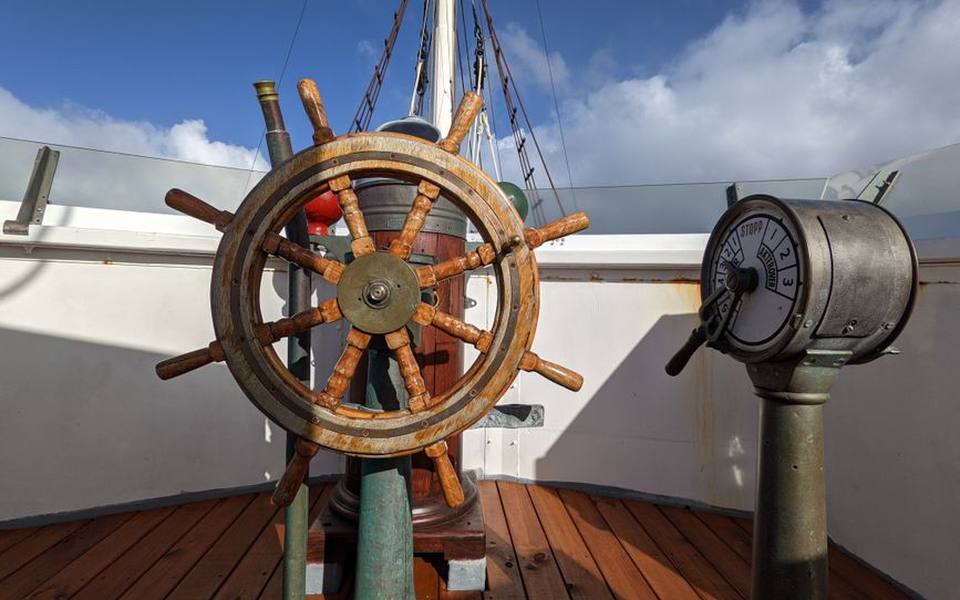
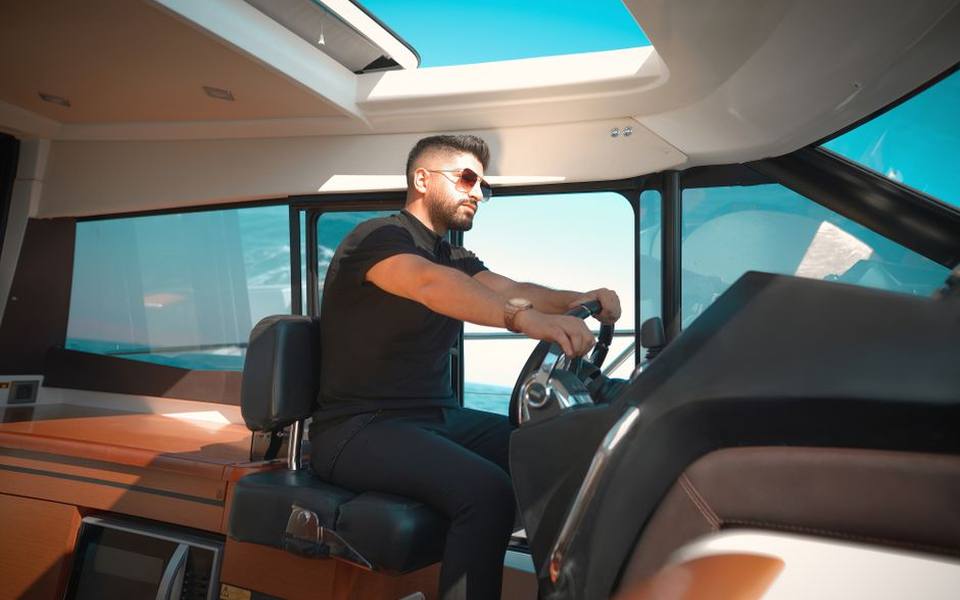
In traditional maritime terminology, the helm refers to the complete apparatus used to steer a vessel, not merely the physical wheel in the wheelhouse. Historically, this meant a wooden tiller attached directly to the rudder post. On modern craft, the helm encompasses the steering wheel or joystick, hydraulic pumps, cable linkages, electronic helm units, and the rudder angle indicators. When a captain takes the helm, they assume full navigational control over the course of the vessel.
Steering systems vary noticeably depending on the age and size of the boat. Cable-driven steering remains standard on smaller runabouts and freshwater skiffs, offering direct physical feedback at the wheel. Mid-sized cruisers and larger center consoles typically rely on sealed hydraulic steering systems or electronic drive-by-wire controls that allow fingertip maneuvering even when dealing with massive multi-outboard setups or heavy inboard rudders against rough currents.
Understanding how your helm responds in crosswinds, following seas, and harbor slips is an essential part of seamanship. Unlike cars, boats pivot from an aft point rather than tracking from front-wheel angles. That distinction means every turn at the helm swings the stern outward before moving the bow onto its new heading, making situational awareness around docks and pilings just as critical as your open-water navigation.
Defining Ports of Call and Transient Itineraries
A port of call is any intermediate stop an ocean-going ship or coastal cruising vessel makes along its scheduled voyage, excluding its home port of origin or final destination. Whether an ocean liner takes on provisions or a weekend cruiser ties up for fuel, fresh water, and overnight shore leave, that intermediary harbor operates as a designated port of call where mariners interact with local customs, port authorities, and harbor facilities.
For coastal cruisers navigating major waterways like the Atlantic Intracoastal or Great Lakes loops, mapping out reliable waypoints determines the rhythm of the entire cruise. Many cruisers seek out harbors with full-service amenities where they can rent transient slips to recharge shipboard batteries, pump out holding tanks, and reprovision dry goods before facing another open-water leg.
Modern ports of call range from quiet county-managed basins with primitive tie-ups to world-class resort hubs in sailing capitals. Along busy coastlines like those represented by hundreds of active marinas in Florida, making radio contact on VHF Channel 16 or calling the dockmaster ahead of arrival ensures your draft, beam, and electrical requirements match the available dock space before you clear the breakwater.
Maneuvering Dockside and Bow Thruster Installation
Navigating tight fairways against strong tidal currents makes even experienced skippers break a sweat. While twin engines allow for differential thrust, a single-screw cruiser or high-sided trawler frequently catches the breeze like a sail. Bow thrusters solve this problem by deploying an underwater propeller in a transverse tunnel near the front stem, pushing the bow sideways with the push of a joystick or toggle switch.
When owners evaluate bow thruster retrofits, costs vary significantly by hull material, hull thickness, and power delivery requirements. A basic electric thruster kit for a thirty-foot craft might list at modest prices for parts alone, but fiberglass cutting, tunnel glassing, fairing, gelcoat matching, and installing dedicated battery banks typically push the total investment significantly higher. In most boatyards, total installation costs run anywhere from a few thousand dollars on smaller craft to well over ten thousand on complex offshore cruisers.
Electrically powered thrusters draw intense amperage over short bursts, requiring thick battery cables, dedicated fuses, and often an auxiliary AGM battery installed right in the forward bilge. Hydraulic thrusters, on the other hand, draw power continuously from engine-mounted pumps and handle sustained duty cycles, though they require extensive plumbing runs throughout the engine compartment and keel.
Selecting Capable Vessels for Deep Ocean Fishing
Vessels engineered for offshore angling demand hull designs capable of handling steep chops, swells, and heavy wind waves without compromising safety or stability. Deep-V center consoles built with sharp entry angles and variable deadrise remain the most common choice for fast runs to offshore ledges. They split oncoming chop cleanly and provide walkaround fishability from bow to transom, which is invaluable when working large pelagic species.
For extended trips to distant bluewater canyons, express sportfishers and convertible battlewagons provide closed-cabin comfort, onboard generators, climate control, and elevated flybridges for spotting surface weed lines or feeding birds. Catamaran hulls have also carved out an aggressive share of the offshore sector; their twin hulls trap a cushion of air between them, delivering remarkably soft rides in confused head seas and wide stable platforms at drift.
Regardless of hull style, offshore dependability hinges on redundant systems. Safe ocean angling platforms require dual fuel pick-ups, isolated dual-battery banks, high-capacity automatic bilge pumps, self-bailing cockpit scuppers, and full electronics suites featuring radar, satellite communication, and secondary VHF radios to handle sudden weather fronts twenty miles beyond cell phone coverage.
Booking Coastal and Deep-Sea Fishing Charters
For anglers looking to target offshore species without the ownership overhead of a bluewater boat, professional charters provide access to experienced captains, top-tier tackle, and local waypoint intelligence. Inshore charters typically target redfish, stripers, snook, or flounder inside sheltered bays and tidal estuaries, making them suitable for casual outings and families who prefer calm water.
Deep-sea and offshore charters run much farther out, targeting tuna, dolphin, wahoo, marlin, or bottom-dwelling grouper on deep wrecks. When researching reputable charter operations, look for captains holding current United States Coast Guard merchant mariner credentials, verified commercial vessel insurance, and positive safety records. Rates generally depend on trip duration, whether booking a four-hour nearshore bottom-fishing trip or a full twelve-hour offshore run to the Gulf Stream.
Before booking, confirm what supplies are included in the charter fee. Most professional operations furnish fishing licenses, ice, live bait, high-end rods, and catch cleaning on the dock at the end of the day. Guests generally need to bring personal sun protection, non-skid deck shoes, motion-sickness remedies, and gratuity for the mate, who works hard prepping tackle and unhooking catches throughout the trip.
Renting Watercraft and Exploring Local Waters
Renting personal watercraft and small runabouts has become one of the fastest ways for vacationers and prospective buyers to experience coastal waterways. Rather than hauling a trailer across state lines, weekend boaters can locate water access points with ease. You can locate community launch points using our guide to public boat ramps, or opt for turnkey experiences directly through rental docks.
Choosing an established rental operator guarantees equipment that undergoes regular commercial safety checks and meets state marine patrol regulations. Many vacationers look for trusted boat rentals right on the water, avoiding trailering headaches altogether and getting immediate access to navigational channels, fuel docks, and safety equipment like life vests and sound signals.
Rental requirements vary by region, but most coastal operations mandate a minimum age, an imprint of a major credit card for damage deposits, and completion of a temporary state boater safety orientation. Always review the designated boundaries set by the rental livery; wandering outside approved waterways or speeding inside idle-speed zones can lead to stiff municipal fines or impounded security deposits.
Evaluating Electric Outboards and Trolling Propulsion
Electric propulsion has advanced well beyond basic lake-trolling motors. Modern high-voltage electric outboards and pod drives now provide viable, quiet, emissions-free power for tenders, dinghies, sailing auxiliaries, and small skiffs. With immediate torque output across the entire RPM range, electric systems deliver remarkable responsiveness around tight dock spaces without fumes, exhaust smoke, or pull-cord frustration.
Selecting the proper electric outboard depends on how you balance power requirements against runtime expectations. Compact units with integrated lithium batteries equivalent to three-to-five horsepower combustion outboards are ideal for dinghies and short harbor commutes. Higher-horsepower systems designed for full-size runabouts or pontoon craft require custom-installed external lithium iron phosphate banks running at forty-eight volts or higher.
While upfront purchase costs for electric powerheads and dedicated lithium packs remain higher than entry-level four-stroke engines, long-term maintenance is drastically reduced. Electric motors have no carburetors to gum up from stale fuel, no impeller changes, no crankcase oil to drain, and minimal moving parts subject to winter freeze damage, making them appealing for low-hassle seasonal storage.
Maintaining Fuel Quality and Fuel Tank Sanitation
Marine fuel tanks face an environmental challenge that automobiles never encounter: continuous exposure to high humidity, seasonal condensation, and prolonged periods of sitting idle. Ethanol-blended gasoline is particularly vulnerable to phase separation, where moisture bonds with ethanol and drops to the bottom of the tank as a corrosive, non-combustible sludge that starves outboards of lubrication and stalls injectors.
Treating fuel starts with high-grade marine stabilizers containing oxidation inhibitors and corrosion preventatives. Quality additives stop fuel varnish from settling inside carburetors and fuel rails during weeks of inactivity. If a tank has already accumulated water, gum, or particulate sediment, specialized fuel tank cleaners and enzymatic additives can help break down light gums and keep moisture emulsified until it passes safely through the engine filters.
For severe contamination, chemical cleaners alone cannot rescue the system. In cases where sludge covers the tank floor or fuel filters plug up within minutes of leaving the slip, hiring a mobile fuel-polishing service is the safest route. Fuel polishers pump the fuel out through high-volume multi-stage filtration units to remove dirt and water while scouring the tank interior before pumping pristine fuel back aboard.
Managing Blackwater Systems and Holding Tank Treatments
Marine and recreational vehicle sanitation systems operate under tight physical tolerances, where small plumbing runs, low flush volumes, and enclosed holding tanks quickly develop offensive odors if left unchecked. A functional head system requires balanced microbial chemistry inside the waste tank to digest solids and neutralize hydrogen sulfide before it seeps back past plumbing seals.
Holding tank treatments generally fall into three categories: biological enzyme formulas, nitrate-based oxidizers, and chemical biocides. Biological and enzyme treatments use live bacteria strains that consume organic waste and toilet paper naturally, keeping the tank walls clean without producing caustic vapors. Nitrate formulas introduce rapid oxygen sources that suppress odor-producing anaerobic bacteria, which is particularly effective in warm coastal climates.
Avoid chemical tank additives containing bronopol or formaldehyde if you frequently visit pump-out stations or discharge into municipal sewer stations, as many modern facilities restrict toxic biocides that kill municipal processing microbes. Routine maintenance also means periodically flushing head intake hoses with white vinegar to break down hard calcium deposits formed by salt water mixing with urine in marine plumbing loops.
Restoring and Protecting Marine Upholstery
Marine vinyl is engineered with antimicrobial coatings and ultraviolet inhibitors to survive drenching rains, intense sun, and salt spray. However, sweat, sunscreen residue, fish blood, and atmospheric pollution inevitably settle into the textured grain of boat cushions. Without consistent care, mold and mildew spores feed on these residues, staining the fabric and breaking down the seams over time.
Cleaning boat vinyl requires a gentle, deliberate approach. Harsh household chemicals like undiluted chlorine bleach or abrasive scouring pads strip away the protective clear topcoat of the marine vinyl, leaving it dry, brittle, and prone to cracking under sun exposure. Instead, use specialized marine vinyl cleaners with balanced pH levels, working the soap into the grain with a soft horsehair brush before wiping clean with damp microfiber towels.
After scrubbing away grime and mildew spots, applying a marine vinyl protectant creates a barrier against solar degradation. Premium protectants contain UV-absorbing compounds that prevent vinyl stiffening while repelling future sunscreen stains. For older interiors where mildew has worked into the thread stitching, clean the threads thoroughly and inspect the backing foam; wet foam harboring mold must be dried completely to prevent recurring discoloration.
Gifts and Practical Gear That Boaters Truly Appreciate
Finding an appreciated gift for a boat owner can be challenging because space aboard any vessel is strictly limited. Novelty items rarely make the cut, while practical, compact, and durable gear earns a permanent place aboard. High-quality waterproof storage gear, such as rugged dry bags or submersible cases for phones and paperwork, is always welcomed by skippers who know that moisture finds every unsealed corner.
Safety and navigation tools also make top-tier presents. A floating handheld VHF radio with built-in GPS and emergency distress capabilities provides an invaluable backup if the boat's primary 12-volt system ever fails. Similarly, rechargeable high-lumen marine spotlights, marine-grade multi-tools made from corrosion-resistant stainless steel, and polarized sunglasses designed for water glare rank among the most functional gifts an angler or cruiser could unwrap.
If you are unsure of specific technical needs, consumable boat care kits with premium marine washes, deck brushes, synthetic chamois towels, or a prepaid fuel card for their local marina slip offer immense everyday value. Practical gifts demonstrate that you respect the vessel and understand the ongoing dedication required to keep a boat safe, clean, and ready for the next tide.
Published 2026-09-20 · reviewed with each rebuild, last September 2026.
Find marinas near you
The directory lists 7,143 marinas by state and city — pick your state or use the “Near me” button in the header.
More guides
-
 Safety
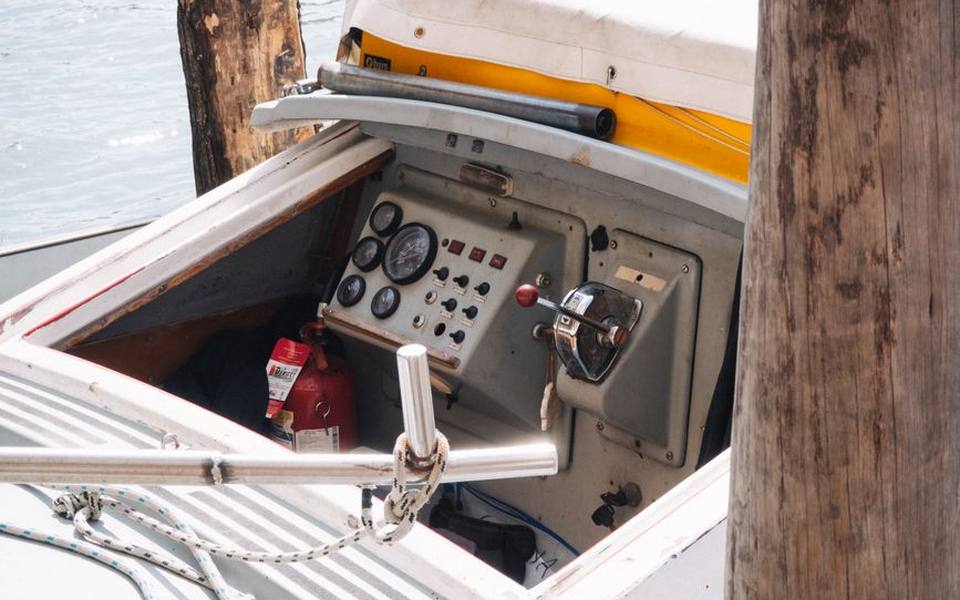
Boat Fire Extinguisher Inspection: Schedule, Checklist, and Costs
-
 Money
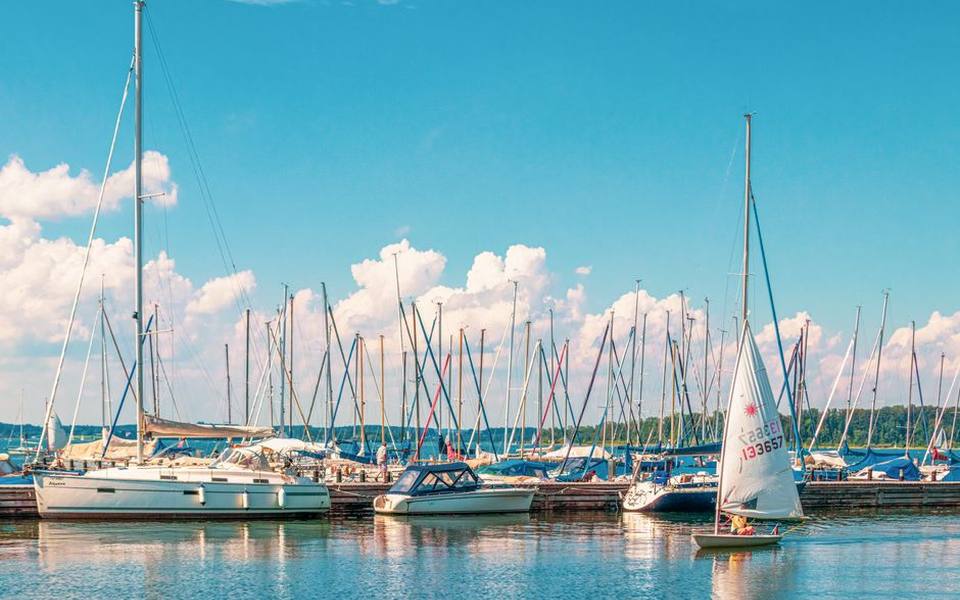
MoneyBoat Club Membership Costs: Initiation Fees, Monthly Dues, and Ownership Comparison
-
 Storage
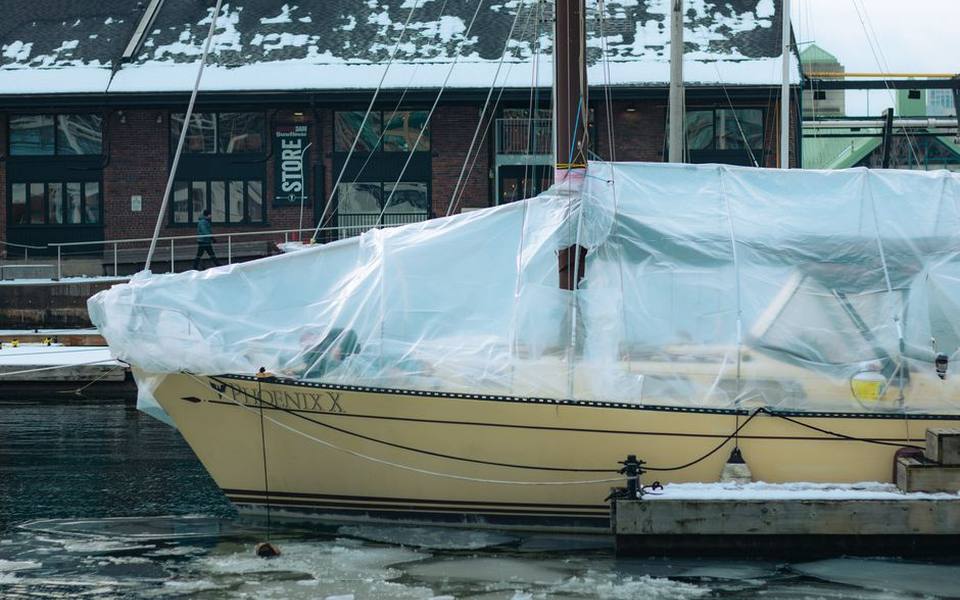
Boat Winterization and Storage: Costs, Checklist, and Shrink Wrapping Guide
-
 Storage
Boat Slips and Docking Fees: How Much Does It Cost to Keep a Boat in the Water?
-
 Owning
A Practical Guide to Boat Mooring: Buoys, Lines, and Technique
-
 Safety
Essential Boat Safety Gear, Marine Electronics, and Equipment Guide
-
 Service
Outboard Engine Service and Rebuild Costs: What Boat Owners Should Expect to Pay
-
 Safety
Marine Weather Forecasts and Warnings: Reading NOAA Reports and Coastal Maps
-
 Safety
Boating Safety Certification and Licensing: State Requirements and Exam Prep
-
 Service
Saltwater and Freshwater Fishing Charters: Choosing Inshore, Offshore, and Deep Sea Trips
-
 Owning
Bareboat Yacht Charters: How to Rent, Qualifications, and Cruising Preparation
-
 Buying
Pontoon & Tritoon Boats: Buying, Renting, Models, and Pricing Guide
-
 Owning
Holiday Boat Parades and Coastal Festivals: Viewing Guide and Schedules
-
 Buying
A Complete Guide to Buying Used Boats: Valuations, Inspections, and Registration
-
 Owning
Waterfront Dining and Dockside Restaurants: Boater's Guide to Dock and Dine
-
 Owning
Dockside Bait Systems, Live Bait Sourcing, and Fish Cleaning Station Setup
-
 Safety
Marine Fire Safety Inspection and Extinguisher Maintenance
-
 Storage
Complete Guide to Boat Winterization, Shrink Wrapping, and Storage Covers
-
 Buying
Electric Boat Motors and Trolling Systems: The Practical Conversion Guide
-
 Owning
A Practical Guide to Public Boat Launches, Kayak Ramps, and Water Access
-
 Owning
Marine Lithium Batteries vs AGM: Setup, Charging, and Performance
-
Service
Boat Fiberglass & Gelcoat Repair Guide: Fixing Cracks, Blisters & Scratches
-
Service
Marine Fuel Tank Cleaning and Rust Removal Guide
-
Safety
USCG Captain's License Guide: OUPV 6-Pack Requirements and Renewal
-
Buying
Boat Dinghies and Inflatables Guide: Types, Motors, and Selection
-
Service
Boat Towing Services and Marine Assistance Memberships Explained
-
Owning
Boat Lettering, Registration Numbers, and Custom Vinyl Decals
-
Service
Outboard Motor and Lower Unit Maintenance, Repair, and Marine Diesel Guide
-
Buying
Shallow Water Anchor Systems: Power-Pole vs. Minn Kota Talon & Raptor
-
 Service
Complete Guide to Marine Bottom Paint and Antifouling Application
-
Owning
Cruising America's Great Loop: Route Planning, Boat Choice, and Cruising Resources
-
Service
Boat and Fishing Charters: Complete Guide to Styles, Rates, and Booking
-
Buying
Personal Watercraft and Jet Ski Guide: Models, Rentals, and Buying
-
 Owning
Marine Supply Stores and Chandleries: Outfitting Your Boat
-
Safety
Marine Weather Forecasts and NOAA Wave Reports: A Practical Boater's Guide
-
Safety
USCG Boat Registration, Boater Education, and Navigational Safety Rules
-
Owning
Marine Lithium Batteries, Solar Panel Systems, and Trickle Charging Guide
-
Service
Boat Trailer Maintenance: Bearings, Replacement Kits, and Towing Prep
-
Safety
Marine VHF Radio Frequencies, Channels, and Electronics Setup
-
 Service
Complete Boat Hull Maintenance Guide: Washing, Acid Cleaners, Gelcoat Repair, and Antifouling Paint
-
Service
Fixing Inflatable Boat Leaks and Replacing Worn Bimini Top Canvas
-
Owning
Buoy Mooring Setup, Dock Lines, Cleat Hitch Knots, and Anchor Pins
-
 Owning
Boat Trim Tabs Guide: Lenco, Zipwake, Bennett, and Electric vs Hydraulic
-
Owning
Upgrading Boat Swim Platforms, Boarding Ladders, and Marine Vinyl Seating
-
Owning
Best Gifts for Boaters, Practical Marine Accessories, and Kayak Storage Racks