Experiencing Coastal Holiday Boat Parades from Water and Shore
Holiday boat parades transform working harbors and coastal bays into vibrant ribbons of moving light each December. Vessel owners invest weeks threading thousands of colored bulbs, moving displays, and holiday music systems along their rigging, cabin tops, and hulls. Watching from the water or along the waterfront is a quintessential winter ritual in coastal towns. Whether you view from a crowded pier, a shoreline park, or the deck of an idling cruiser, catching a holiday flotilla requires a mix of early preparation and nautical situational awareness.
Most coastal light parades operate along designated harbor channels, following looped routes so shoreline crowds on both sides of a bay get an unobstructed view. Processions typically run for two to four hours on weekend evenings throughout December, though multi-night celebrations span entire weeks in some popular coastal destinations. Because water conditions and tidal currents shape parade speed, flotillas generally move at a relaxed crawl between two and four knots. That deliberate pace lets onlookers absorb the intricate themes, handcrafted holiday displays, and costumed crews aboard each participating craft.
Experiencing a parade successfully depends on deciding early whether you will be an onshore spectator or a floating participant. Shoreline viewing is accessible, family-friendly, and free in many municipal parks, but parking and crowd congestion demand early arrival. Taking your own vessel into the parade or anchoring in an authorized spectator anchorage provides an unbeatable vantage point, yet it demands strict navigational vigilance in tight, dark waters alongside hundreds of other skippers.
The Newport Beach and Balboa Harbor Holiday Tradition
The Newport Beach holiday flotilla stands as one of the oldest and most famous maritime celebrations in the country, tracing its roots back more than a century. Winding through the sheltered bays and canals of Newport Harbor and looping around Balboa Island, the event features hundreds of decorated vessels ranging from small runabouts and electric duffy launches to multi-million-dollar offshore yachts. The residential docks lining the perimeter often compete in their own harbor-wide lighting competition, turning the entire perimeter of Balboa Island into an illuminated winter corridor.
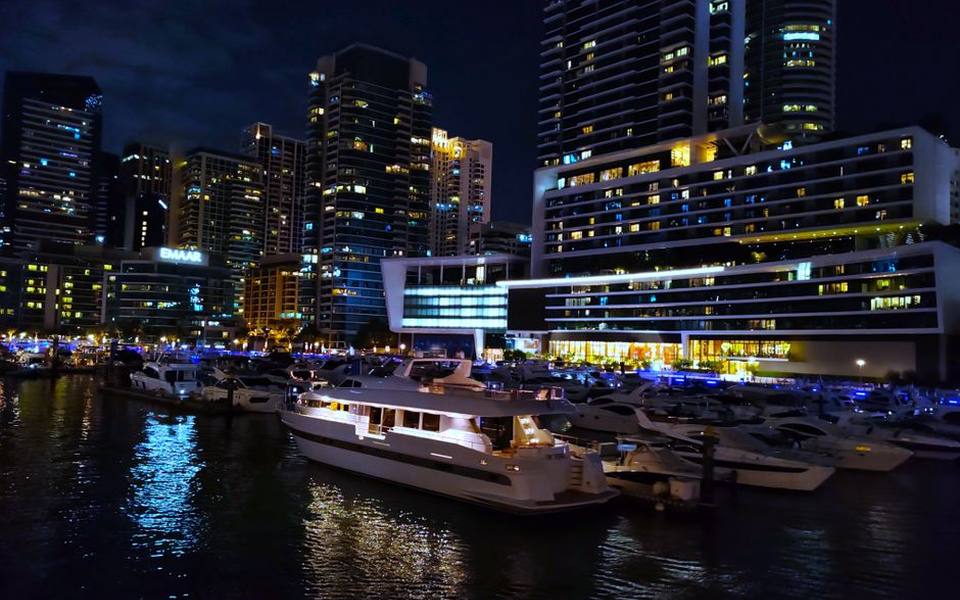
The Balboa celebration typically runs across multiple consecutive evenings in mid-December, starting shortly after dusk around the southern end of the harbor. Spectators who arrive early along the Balboa Peninsula or Balboa Island boardwalks can watch decorated boats cruise within stone's throw of the seawall. Many boaters visit marinas in California specifically to prepare their slip and join the parade route, creating an electric atmosphere as crews greet onshore spectators with holiday music and megaphone greetings across the water.
Understanding harbor geography is critical for enjoying the Newport and Balboa holiday showcase. The parade route circumvents Collins Island, Lido Isle, and the Balboa Pavilion before tracking back along the main channel. Because tidal currents squeeze through the channel near the harbor entrance, vessels maintain tight formation to prevent drift. Waterfront walkways, public piers, and village boardwalks fill up hours before the lead vessel sounds its horn, making neighborhood navigation on foot far simpler than driving once road closures take effect.
Securing Tickets and Public Viewing for Newport and Balboa
While public boardwalks and shoreline parks in Newport Harbor offer open access, ticketed spectator options provide guaranteed comfort and prime sightlines without the need to claim shoreline turf at dawn. Municipal organizers and waterfront venues frequently set up reserved bleacher seating at designated public parks along the channel. These grandstand areas typically include access to portable restrooms, hot beverage vendors, and dedicated security, which simplifies the experience significantly for families and older spectators looking to avoid standing on concrete seawalls for hours.
Ticketed venues usually open sales in late autumn, and premium seats near the Balboa Fun Zone or community marinas sell out weeks ahead of opening night. Beyond bleachers, several historic shoreline restaurants and yacht club patios offer fixed-price dinner packages with harbor-facing tables. If you plan to dine while the procession passes, book your table early in autumn, confirming whether your seat has an unobstructed exterior view or if guests share an outdoor viewing terrace once the horn announces the lead boat.
For those choosing free public viewing, arriving two to three hours before the official start time is standard practice along Balboa Island and the Newport Peninsula. Street parking on the islands becomes severely constrained by late afternoon, prompting local authorities to implement temporary traffic diversions. Smart spectators park at inland park-and-ride lots, utilize public shuttle services, or bike to the shoreline with folding camp chairs, heavy blankets, and insulated thermoses to settle in along the public street ends facing the channel.
Booking a Holiday Parade Cruise or Charter
Experiencing a holiday flotilla from inside the parade line offers a perspective that shoreline bleachers simply cannot match. Commercial tour boats, passenger catamarans, and charter companies sell individual boarding tickets throughout December, allowing everyday visitors to cruise directly among the decorated entries. Being surrounded by glittering deckhouses, lighted masts, and the sound of harbor choruses echoing off the water provides an immersive maritime perspective that draws thousands of annual ticket buyers.
Charter operators usually run multiple departures each evening during peak parade weeks. Early departures typically allow passengers to cruise the harbor canals to admire the decorated waterfront homes before merging directly into the parade queue. Later excursions may catch the final leg of the procession or cruise the open harbor as vessels disperse. When booking holiday cruise tickets, verify whether the vessel offers indoor heated salons or only open-air deck space, as cold ocean drafts off coastal waters can quickly chill unprepared passengers.
Private charters represent an attractive alternative for larger family groups or company outings. Booking a private licensed captain means you can customize your departure time and dock access without competing in ticket queues. Alternatively, some experienced boaters secure local boat rentals on-site through regional marinas, though operators often place strict rules on night navigation during festival dates. Always confirm that rental contracts and insurance endorsements specifically permit operating after dark during high-traffic harbor events.
San Diego Bay Parade of Lights and Southern California Celebrations
Further south along the Pacific coast, the San Diego Bay Parade of Lights provides an expansive saltwater theater for decorated holiday vessels. Drawing dozens of private powerboats, classic sloops, and municipal service vessels, this annual Southern California tradition typically spans two consecutive Sunday evenings in December. Unlike enclosed canal systems, San Diego Bay offers wide deep-water channels, allowing spectators to view the parade against the towering skyline of downtown San Diego and the naval silhouettes of Coronado.
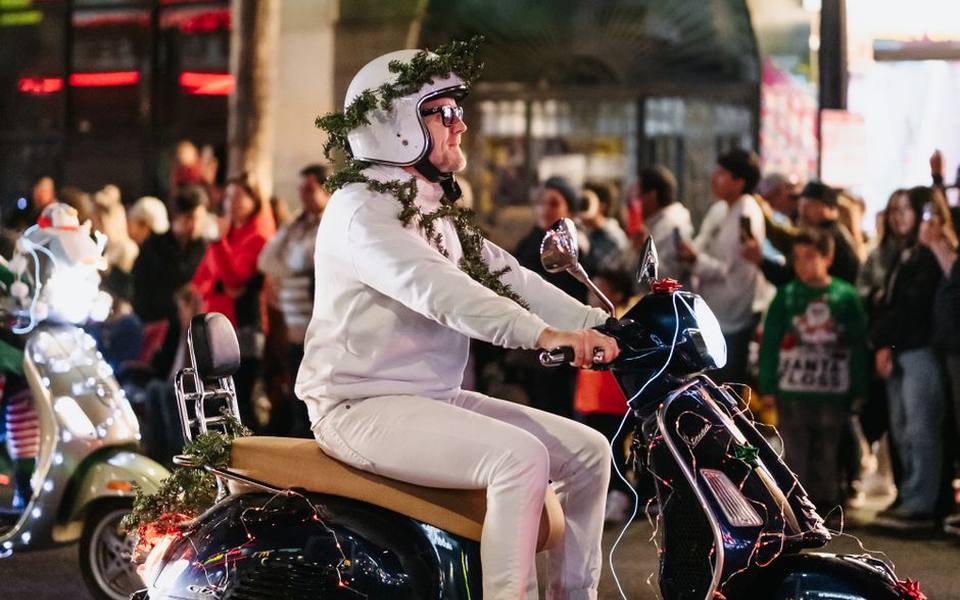
The parade route covers substantial ground, starting near Shelter Island, proceeding past Harbor Island, sweeping down the downtown Embarcadero, and crossing the channel toward the Coronado shoreline. Waterfront parks along the North Embarcadero, Broadway Pier, and the grassy expanses of Cesar Chavez Park offer expansive viewpoints that absorb large crowds comfortably. Harbor Island provides front-row parking turnouts, though vehicle spaces generally fill by mid-afternoon on parade Sundays as tailgaters unpack camp chairs and outdoor stoves.
San Diego’s viewing experience is distinct because of the size of the vessels and the open scale of the bay. Massive schooners and multi-deck sportfishers rig elaborate, animated light frames supported by onboard auxiliary generators. Because bay waters remain accessible to regular commercial traffic, local law enforcement agencies establish temporary security corridors. Spectators cruising their own boats must stay outside the moving parade convoy, anchoring only in marked anchorage basins designated by the port district.
Atlantic and Gulf Coast Holiday Flotillas
Holiday boat parades are equally cherished along the eastern seaboard and the Gulf Coast, where vast networks of protected sounds, estuaries, and the Intracoastal Waterway provide perfect natural arenas. Across marinas in Florida, cities like Fort Lauderdale, St. Augustine, and Key West host world-renowned winter flotillas. Fort Lauderdale’s Seminole Hard Rock Winterfest, frequently billed as one of the largest single-day spectator events in the state, sends decorated mega-yachts and classic runabouts along a twelve-mile inland canal route.
In northern waters, from Annapolis and the Chesapeake Bay up into the maritime harbors of New England, holiday flotillas lean heavily into working-waterfront traditions. Lighted workboats, commercial crabbers, and coastal tugs join sailing yachts, braving cold temperatures and coastal tides. The historical backdrop of brick warehouses, maritime museums, and wooden pilings gives these Atlantic parades a distinct regional charm that contrasts with the palm-lined channels of the southern circuits.
Spectator access along the Intracoastal Waterway frequently centers on public bridge crossings, municipal riverwalks, and waterfront city parks. Because many southern routes encompass long stretches of residential seawalls, municipal piers and drawbridge approaches serve as prime public vantage points. Checking the local bridge opening schedule on parade day is essential, as road crossings often lock into fixed open positions for hours to accommodate the continuous flow of illuminated masts, disrupting cross-town car travel.
Navigating Parade Night on Your Own Boat
Operating your own vessel during an active holiday parade requires heightened vigilance, flawless navigation equipment, and strict helm etiquette. Harbor basins during parade nights represent some of the most congested maritime environments a skipper will ever encounter. Blind spots multiply when thousands of high-output decorative LED lights wash out night vision on your own bridge, while unlit spectator skiffs, anchored paddlecraft, and irregular wake patterns churn the harbor into confusing chop.
Participating officially in a parade line demands compliance with event rules set by harbor masters and organizing committees. Vessels must maintain steady headway, preserve assigned spacing behind the boat ahead, and never stop dead in the fairway to stage photos. Decorative lights must not obscure official USCG-mandated navigation lights; green, red, and all-around white lights must remain visible from their statutory angles at all times. Skippers should monitor the designated parade operations VHF channel alongside Channel 16 for emergency updates.
If you are simply taking your boat out to observe from an anchorage rather than join the procession, plan your transit well before dusk. Anchor only in authorized anchor basins outside the navigation fairway, pay out adequate scope for fluctuating evening tides, and display a functioning 360-degree white anchor light continuously. Keep bridge electronics dimmed to preserve natural night vision, and enforce a strict life-jacket rule for anyone moving across damp, crowded deck surfaces in freezing night air.
Docking and Launching Logistics During Peak Festivities
Bringing a boat to a holiday festival from outside the local harbor requires meticulous advance logistics. Harbor facilities near major parade routes hit peak annual occupancy during festival weekends. Visiting cruisers hoping to dock overnight must reserve transient slips months in advance, as public and private marinas routinely maintain waiting lists for December parade dates. Dockmasters often impose minimum two-night stays during these holiday periods to manage transient turnover smoothly.
Trailering your boat in for the evening presents its own operational bottlenecks. Launching at public boat ramps requires arriving before mid-afternoon, as ramp parking lots fill rapidly with tow rigs and spectator vehicles. Returning to retrieve your boat after the parade ends can involve long queues at the docks, where dozens of cold, tired skippers attempt to winch vessels onto trailers in total darkness. Ensuring your trailer lighting, winch straps, and guide posts are in top mechanical condition minimizes ramp delays.
Fueling and staging before the event should never be left to the final hour before sundown. Harbor fuel docks experience extreme queues in the late afternoon as participating boats top off fuel tanks and pump out holding tanks. Plan to complete all fueling, water tank checks, and electrical setups early in the day. This leaves your crew relaxed and focused solely on safety briefings and bridge procedures once harbor congestion builds at twilight.
Heritage Maritime Gatherings and Classic Wooden Boat Festivals
Alongside holiday light processions, coastal communities throughout North America celebrate maritime heritage through classic wooden boat festivals. While light parades celebrate modern illumination and party atmosphere, wooden boat gatherings focus on craftsmanship, traditional naval architecture, and working waterfront preservation. Held in coastal towns from Port Townsend in the Pacific Northwest to Mystic Seaport on the Atlantic coast, these festivals draw purists who appreciate varnished teak, steam-bent oak frames, and hand-carved spars.
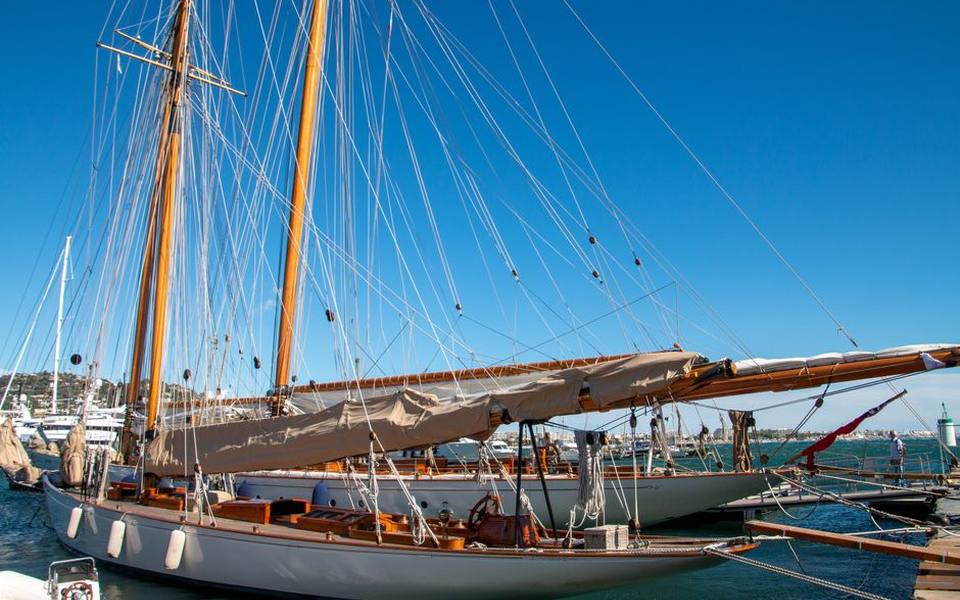
Many regional wooden boat gatherings take place during shoulder seasons or seasonal holiday weekends, featuring daytime public dock walks, maritime skill demonstrations, and classic harbor races. Visiting these heritage events gives spectators an intimate look at traditional shipwright techniques, sail-making, and vintage marine engine restoration. Unlike high-speed powerboat spectacles, wooden boat shows offer a peaceful, tactile harbor experience where visitors can speak directly with the craftsmen and custodians preserving historic vessels.
Some harbor communities bridge both worlds by staging historic wooden boat holiday pageants, where restored classic sloops and schooners illuminate their traditional stays with classic amber glow rather than modern digital strobes. Observing these historic hulls gliding through harbor mist offers a timeless link to coastal history. Checking local maritime museum calendars reveals seasonal schedules for heritage gatherings, where boarding passes, dockside tours, and daytime maritime workshops are frequently open to the public.
Essential Preparation Checklist for Harbor Spectators
Whether viewing a holiday boat parade from shore or watching from a commercial cruise deck, personal preparation determines your comfort. Coastal temperatures drop dramatically once the sun dips below the horizon, and cold maritime breezes amplify heat loss. Dressing in windproof, moisture-resistant outer shells over thermal insulating layers is standard protocol. Sturdy, non-skid footwear is vital when navigating damp docks, slippery wooden piers, and unlit shoreline park lawns.
Bringing the right gear transforms long waits into pleasant holiday memories. Pack compact camp chairs with insulated seat pads, thick wool blankets, and fully charged handheld lights or headlamps for walking back to parked vehicles. Pack portable power banks to keep mobile phones charged, as cold night temperatures quickly deplete lithium batteries just when you are trying to capture photo memories or coordinate with meeting parties in crowded waterfront districts.
Finally, practice respectful waterfront etiquette. Shoreline parks and boardwalks during holiday festivals accommodate thousands of visitors in close quarters. Keep walkways clear for families and strollers, respect private residential docks and posted harbor boundaries, and carry out all trash. By treating working waterfronts and residential harbor neighborhoods with care, spectators ensure these cherished holiday coastal traditions remain open, safe, and welcoming for generations to come.
Published 2026-09-21 · reviewed with each rebuild, last September 2026.
Find marinas near you
The directory lists 7,143 marinas by state and city — pick your state or use the “Near me” button in the header.
More guides
-
 Safety
Boat Fire Extinguisher Inspection: Schedule, Checklist, and Costs
-
 Money
MoneyBoat Club Membership Costs: Initiation Fees, Monthly Dues, and Ownership Comparison
-
 Storage
Boat Winterization and Storage: Costs, Checklist, and Shrink Wrapping Guide
-
 Storage
Boat Slips and Docking Fees: How Much Does It Cost to Keep a Boat in the Water?
-
 Owning
Essential Nautical Terms and Practical Boating Knowledge: From the Helm to Harbor Life
-
 Owning
A Practical Guide to Boat Mooring: Buoys, Lines, and Technique
-
 Safety
Essential Boat Safety Gear, Marine Electronics, and Equipment Guide
-
 Service
Outboard Engine Service and Rebuild Costs: What Boat Owners Should Expect to Pay
-
 Safety
Marine Weather Forecasts and Warnings: Reading NOAA Reports and Coastal Maps
-
 Safety
Boating Safety Certification and Licensing: State Requirements and Exam Prep
-
 Service
Saltwater and Freshwater Fishing Charters: Choosing Inshore, Offshore, and Deep Sea Trips
-
 Owning
Bareboat Yacht Charters: How to Rent, Qualifications, and Cruising Preparation
-
 Buying
Pontoon & Tritoon Boats: Buying, Renting, Models, and Pricing Guide
-
 Buying
A Complete Guide to Buying Used Boats: Valuations, Inspections, and Registration
-
 Owning
Waterfront Dining and Dockside Restaurants: Boater's Guide to Dock and Dine
-
 Owning
Dockside Bait Systems, Live Bait Sourcing, and Fish Cleaning Station Setup
-
 Safety
Marine Fire Safety Inspection and Extinguisher Maintenance
-
 Storage
Complete Guide to Boat Winterization, Shrink Wrapping, and Storage Covers
-
 Buying
Electric Boat Motors and Trolling Systems: The Practical Conversion Guide
-
 Owning
A Practical Guide to Public Boat Launches, Kayak Ramps, and Water Access
-
 Owning
Marine Lithium Batteries vs AGM: Setup, Charging, and Performance
-
Service
Boat Fiberglass & Gelcoat Repair Guide: Fixing Cracks, Blisters & Scratches
-
Service
Marine Fuel Tank Cleaning and Rust Removal Guide
-
Safety
USCG Captain's License Guide: OUPV 6-Pack Requirements and Renewal
-
Buying
Boat Dinghies and Inflatables Guide: Types, Motors, and Selection
-
Service
Boat Towing Services and Marine Assistance Memberships Explained
-
Owning
Boat Lettering, Registration Numbers, and Custom Vinyl Decals
-
Service
Outboard Motor and Lower Unit Maintenance, Repair, and Marine Diesel Guide
-
Buying
Shallow Water Anchor Systems: Power-Pole vs. Minn Kota Talon & Raptor
-
 Service
Complete Guide to Marine Bottom Paint and Antifouling Application
-
Owning
Cruising America's Great Loop: Route Planning, Boat Choice, and Cruising Resources
-
Service
Boat and Fishing Charters: Complete Guide to Styles, Rates, and Booking
-
Buying
Personal Watercraft and Jet Ski Guide: Models, Rentals, and Buying
-
 Owning
Marine Supply Stores and Chandleries: Outfitting Your Boat
-
Safety
Marine Weather Forecasts and NOAA Wave Reports: A Practical Boater's Guide
-
Safety
USCG Boat Registration, Boater Education, and Navigational Safety Rules
-
Owning
Marine Lithium Batteries, Solar Panel Systems, and Trickle Charging Guide
-
Service
Boat Trailer Maintenance: Bearings, Replacement Kits, and Towing Prep
-
Safety
Marine VHF Radio Frequencies, Channels, and Electronics Setup
-
 Service
Complete Boat Hull Maintenance Guide: Washing, Acid Cleaners, Gelcoat Repair, and Antifouling Paint
-
Service
Fixing Inflatable Boat Leaks and Replacing Worn Bimini Top Canvas
-
Owning
Buoy Mooring Setup, Dock Lines, Cleat Hitch Knots, and Anchor Pins
-
 Owning
Boat Trim Tabs Guide: Lenco, Zipwake, Bennett, and Electric vs Hydraulic
-
Owning
Upgrading Boat Swim Platforms, Boarding Ladders, and Marine Vinyl Seating
-
Owning
Best Gifts for Boaters, Practical Marine Accessories, and Kayak Storage Racks