Understanding Federal Documentation Versus State Registration
Every recreational vessel operated on public waterways must be legally registered or federally documented, but many boaters struggle to understand the difference between the two systems. State registration functions very much like titling and tagging a road vehicle through your local motor vehicle agency or department of natural resources. In contrast, federal documentation is managed at the national level through the United States Coast Guard and serves as an internationally recognized proof of nationality for larger vessels.
Generally speaking, any motorized vessel regardless of size must carry state numbers unless it holds an active federal Certificate of Documentation. To qualify for federal status, a recreational boat typically needs to measure at least five net tons in volume, which usually translates to boats measuring twenty-six feet or longer depending on hull geometry. Smaller runabouts, skiffs, and personal watercraft almost always fall under standard state registration requirements, whereas blue-water cruising vessels and large yachts frequently opt for federal papers.
Choosing federal documentation offers notable advantages if you plan to travel into international waters, cruise through foreign archipelagos, or secure marine financing. Lenders often prefer or require federal status because it allows them to record a preferred ship mortgage that protects their financial lien nationwide. However, holding federal documentation does not automatically exempt you from state sales taxes, local property taxes, or waterway user fees in the jurisdictions where you keep or moor your boat.
Working with the National Vessel Documentation Center
All federal documentation processing flows through a single centralized entity known as the National Vessel Documentation Center. Vessel owners submit initial applications, transfer bills of sale, exchange ownership records, and renew certificates through this federal agency. While private third-party documentation services advertise heavily online, boaters can interact directly with the official federal office to submit their paperwork without paying inflated commercial handling surcharges.
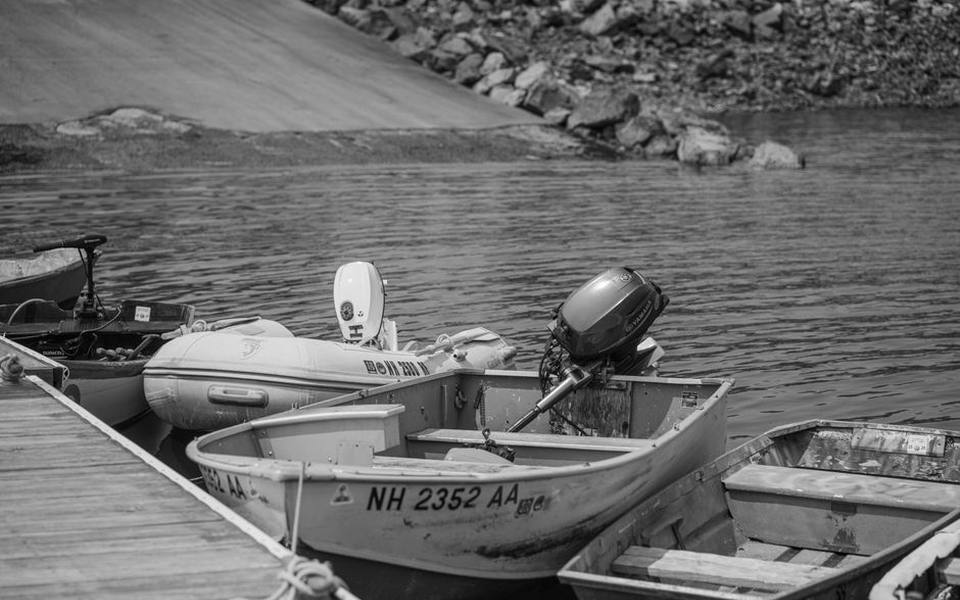
When submitting an application for an initial certificate or a change of ownership, you must provide documented evidence establishing an unbroken chain of title. This paperwork typically includes builder certifications, manufacturer statements of origin, or notarized bills of sale from previous legal owners. If an existing vessel is already titled in a particular state, that state title must be officially canceled or surrendered before federal paperwork can be issued, preventing conflicting records of legal ownership.
Renewals must be handled promptly to keep your documentation active and legally recognized during boarding inspections. Recreational vessel certificates can typically be renewed for multi-year periods depending on the current federal schedules, but letting your paperwork lapse requires a formal reinstatement process. Keeping physical copies of your current documentation certificate aboard the vessel is mandatory whenever the boat is in operation, alongside any required state compliance decals.
Boater Education Mandates and Lifetime Safety Cards
In recent decades, states across the country have steadily phased in mandatory boater education requirements to reduce accidents and enhance operator accountability. While people often refer colloquially to a boating license, most states actually issue a boater education card or safety certificate rather than a renewable driving license. In most jurisdictions, once you complete an approved course and receive your credential, it remains valid for life without requiring routine renewals or driving-style road tests.
Requirements usually depend on the operator's date of birth, with many state laws initially grandfathering older adults while requiring younger generations to complete certified training. However, several states have completed their multi-year phase-in plans and now mandate certification for all operators regardless of age when piloting motorized vessels above a certain horsepower. Personal watercraft operators are almost universally subject to the strictest education and minimum age standards due to the high-performance handling characteristics of those craft.
To ensure reciprocity between different waters, most state agencies adhere to national training standards established by the National Association of State Boating Law Administrators. When your education card bears this national recognition symbol, law enforcement agencies in neighboring jurisdictions will generally accept your credential while you are visiting their lakes or coastal sounds. This reciprocal recognition makes it simple to trailer your boat across state borders without retaking localized examinations every season.
Finding Approved Online Courses and Free Licensing Options
Completing a boater education course has never been more accessible thanks to interactive multimedia platforms that you can finish from home at your own pace. Numerous recognized organizations host comprehensive training covering navigation fundamentals, emergency equipment handling, environmental protection, and trailering safety. These self-guided digital lessons typically take anywhere from three to six hours to complete and feature multiple quizzes alongside a final cumulative examination.
Many aspiring mariners search specifically for free course options to satisfy state mandates without spending unnecessary money. While a few state wildlife agencies and non-profit marine safety foundations do provide completely free educational modules, you should always verify that the course is formally recognized in your specific home state before investing your study time. Some providers offer the coursework for free but assess an administrative processing fee to generate your physical plastic card or register your score with state authorities.
For newcomers who plan to rent vessels while traveling, education cards are equally vital. Many commercial operations providing boat rentals on-site must verify that operators meet statutory age and education requirements before handing over the keys. Completing an accredited course ahead of time saves you from scrambling through temporary dockside rental checklists and ensures you hit the water with foundational confidence.
State Highlight: Virginia Boater Credentialing Requirements
Boaters planning to navigate the Chesapeake Bay, tidal rivers, or inland reservoirs should familiarize themselves with the statutory credentialing framework enforced by the Virginia Department of Wildlife Resources. Under state law, all operators of personal watercraft and motorized boats powered by engines of ten horsepower or greater must carry verifiable proof of having completed an approved boating safety course. Unlike temporary weekend permits, this requirement applies across nearly all public waterways throughout the state.
If you are exploring the numerous marinas and working harbors across marinas in Virginia, conservation police officers and local marine patrols routinely ask to see your education card alongside standard vessel registrations. The state recognizes NASBLA-approved certificates issued by other states, meaning out-of-state visitors do not need to take a separate Virginia-specific exam as long as they hold an accredited safety credential from their home jurisdiction.
Virginia also provides allowances for newly purchased vessels, granting recent buyers a limited grace period to carry their formal bill of sale aboard before finishing the education requirement. Furthermore, individuals holding active commercial licenses from the Coast Guard or credentials from recognized military maritime programs can typically present those professional documents to satisfy the educational mandate without taking an entry-level recreational safety exam.
Deciphering Wake Restrictions and Harbor Signage
Navigating crowded channels, fuel docks, and residential canals requires a firm understanding of wake regulations. A boat's wake is the wave pattern created as the hull displaces water while pushing forward, and boat operators are legally responsible for any damage or injury their wake causes. When approaching docks, anchored vessels, swimming beaches, or fragile shorelines, minimizing displacement is both a legal mandate and a critical courtesy.
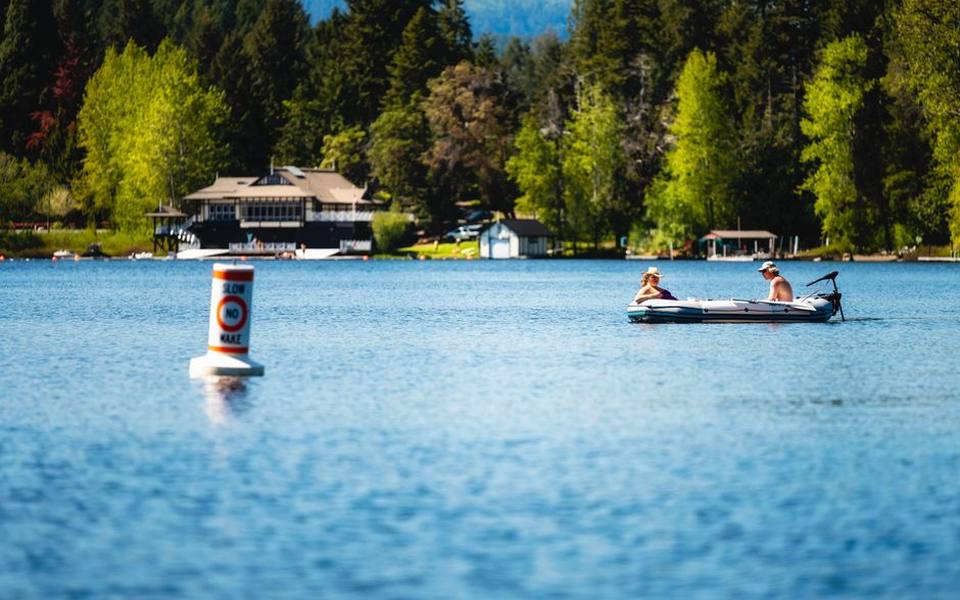
Regulatory waterways are designated by standard maritime signs and buoys, most commonly marked by an orange circle containing specific operating instructions. A circular symbol indicating slow speed or idle speed signifies that you are entering a protected zone where your vessel must make minimal progress without generating a disruptive wash. Operators should immediately throttle back to the lowest speed that still maintains steerage well before crossing the threshold marked by the sign rather than waiting until they pass the buoy.
Confusion often arises between slow speed minimum wake zones and idle speed zones, which can carry slightly different definitions depending on state marine law. In slow speed zones, your boat should be completely off plane, settling into a level displacement posture with the stern wave fully flattened. In strict idle speed areas, the engine should remain at minimum forward idle, turning just enough rpm to keep the rudder or outdrive responsive to steering inputs.
Core Right-of-Way Rules on Navigable Waters
Unlike roadways with painted lines and directional traffic signals, water navigation relies on the International and Inland Navigation Rules to govern crossing, meeting, and overtaking encounters. In any encounter between two vessels, one boat is designated the stand-on vessel while the other is designated the give-way vessel. The stand-on vessel is obligated to maintain its course and speed, while the give-way vessel must take early, substantial action to stay well clear.
In a crossing situation between two power-driven boats, the vessel that sees the other on its starboard (right) side must give way, similar to yielding at an uncontrolled four-way intersection. When two powerboats approach head-on or nearly head-on, neither vessel has the right of way; both operators are required to alter course to starboard to pass port-to-port. When overtaking any other boat from behind, the passing vessel is always the give-way craft and must stay clear until completely past.
Vessel hierarchy also dictates right of way across different types of marine traffic. Power-driven boats must generally yield to vessels with limited maneuverability, such as deep-draft freighters restricted by a narrow channel, commercial fishing vessels actively trawling nets, and sailing vessels operating under canvas alone. However, sailboats running an auxiliary engine—even with sails hoisted—are legally classified as power-driven vessels and must obey standard powerboat crossing rules.
Sound Signals and Nighttime Navigation Standards
Safe boat operation extends beyond clear daylight hours into periods of darkness, fog, and heavy precipitation when visual sightlines diminish. Between sunset and sunrise, every operating vessel must display proper navigation lights, typically consisting of red and green sidelights paired with an all-round white stern or masthead light. These colored arcs tell other mariners your vessel's rough size, heading, and orientation from great distances across open water.
Auditory signaling devices are equally mandatory under Coast Guard regulations for all motorized vessels. Boats under thirty-nine feet must carry an efficient sound-producing device, which can be an electric horn, a mouth whistle, or a compressed-gas canister horn capable of sounding a blast audible for half a nautical mile. Larger craft face stricter standards regarding the installation of permanently mounted whistles and bells for sounding alerts in confined waters.
Sound blasts communicate operational intentions during tight passing maneuvers and in restricted visibility. One short blast signals an intent to leave another vessel on your port side, while two short blasts signal a starboard-to-starboard pass. In heavy fog, power-driven vessels making headway must sound one prolonged blast every two minutes, alerting unseen craft to their presence well before radar or visual contact confirms their position.
Mandatory Coast Guard Approved Visual Distress Signals
Federal regulations mandate that all recreational vessels operating on coastal waters, the Great Lakes, territorial seas, and connected open waters carry Coast Guard approved visual distress signals. These safety devices provide a reliable method to signal for assistance if your electrical system fails, your radio loses power, or your crew faces an immediate life-threatening emergency. The exact combination of signals you must carry depends on your vessel's size and whether you operate during daylight hours or at night.
Distress signals are broadly divided into pyrotechnic devices, like aerial meteor flares and handheld red signal flares, and non-pyrotechnic alternatives. Pyrotechnic flares are typically stamped with an expiration date forty-two months from manufacture; once this date passes, they no longer count toward your legal carriage requirements even if they appear physically undamaged. Keeping expired flares aboard as secondary backups is generally permitted, but you must always carry a full contingent of unexpired devices in a dry, accessible location.
Many modern boaters now choose electronic visual distress signal devices (eVDSD) instead of chemical flares. An approved electronic distress light flashes the international Morse code SOS distress signal continuously for hours, eliminating the burn risks, chemical hazards, and frequent expiration cycles associated with traditional pyrotechnics. When paired with an approved orange daytime distress flag, a single certified electronic light satisfies both day and night federal distress carriage mandates permanently.
Launch Day Protocols: Putting Compliance and Etiquette into Practice
A successful outing begins long before your hull touches the water, starting with careful preparation in the staging area at a boat launch ramp. Staging lanes are designed for loading gear, inserting drain plugs, testing batteries, and removing tie-down straps before backing down the incline. Conducting these tasks while parked on the ramp itself creates avoidable bottlenecks and frustrates fellow mariners waiting in line during peak weekend hours.
Having reliable boat launch access requires everyone to respect localized facility rules, including posted parking restrictions for trailers and maximum mooring limits on courtesy floating docks. Courtesy docks are strictly intended for brief passenger boarding and driver pickup rather than prolonged equipment rigging or vessel cleaning. Clearing the dock quickly keeps launch traffic flowing smoothly for everyone.
If your journey involves cruising to a distant port or overnighting at a destination harbor, reserve your berth ahead of time through facilities offering transient slips. Verifying slip dimensions, power hookup amperages, and local fairway wake rules in advance ensures you dock safely without causing unnecessary disruptions to permanent marina slipholders or moored craft.
Published 2026-09-21 · reviewed with each rebuild, last September 2026.
Find marinas near you
The directory lists 7,143 marinas by state and city — pick your state or use the “Near me” button in the header.
More guides
-
 Safety
Boat Fire Extinguisher Inspection: Schedule, Checklist, and Costs
-
 Money
MoneyBoat Club Membership Costs: Initiation Fees, Monthly Dues, and Ownership Comparison
-
 Storage
Boat Winterization and Storage: Costs, Checklist, and Shrink Wrapping Guide
-
 Storage
Boat Slips and Docking Fees: How Much Does It Cost to Keep a Boat in the Water?
-
 Owning
Essential Nautical Terms and Practical Boating Knowledge: From the Helm to Harbor Life
-
 Owning
A Practical Guide to Boat Mooring: Buoys, Lines, and Technique
-
 Safety
Essential Boat Safety Gear, Marine Electronics, and Equipment Guide
-
 Service
Outboard Engine Service and Rebuild Costs: What Boat Owners Should Expect to Pay
-
 Safety
Marine Weather Forecasts and Warnings: Reading NOAA Reports and Coastal Maps
-
 Safety
Boating Safety Certification and Licensing: State Requirements and Exam Prep
-
 Service
Saltwater and Freshwater Fishing Charters: Choosing Inshore, Offshore, and Deep Sea Trips
-
 Owning
Bareboat Yacht Charters: How to Rent, Qualifications, and Cruising Preparation
-
 Buying
Pontoon & Tritoon Boats: Buying, Renting, Models, and Pricing Guide
-
 Owning
Holiday Boat Parades and Coastal Festivals: Viewing Guide and Schedules
-
 Buying
A Complete Guide to Buying Used Boats: Valuations, Inspections, and Registration
-
 Owning
Waterfront Dining and Dockside Restaurants: Boater's Guide to Dock and Dine
-
 Owning
Dockside Bait Systems, Live Bait Sourcing, and Fish Cleaning Station Setup
-
 Safety
Marine Fire Safety Inspection and Extinguisher Maintenance
-
 Storage
Complete Guide to Boat Winterization, Shrink Wrapping, and Storage Covers
-
 Buying
Electric Boat Motors and Trolling Systems: The Practical Conversion Guide
-
 Owning
A Practical Guide to Public Boat Launches, Kayak Ramps, and Water Access
-
 Owning
Marine Lithium Batteries vs AGM: Setup, Charging, and Performance
-
Service
Boat Fiberglass & Gelcoat Repair Guide: Fixing Cracks, Blisters & Scratches
-
Service
Marine Fuel Tank Cleaning and Rust Removal Guide
-
Safety
USCG Captain's License Guide: OUPV 6-Pack Requirements and Renewal
-
Buying
Boat Dinghies and Inflatables Guide: Types, Motors, and Selection
-
Service
Boat Towing Services and Marine Assistance Memberships Explained
-
Owning
Boat Lettering, Registration Numbers, and Custom Vinyl Decals
-
Service
Outboard Motor and Lower Unit Maintenance, Repair, and Marine Diesel Guide
-
Buying
Shallow Water Anchor Systems: Power-Pole vs. Minn Kota Talon & Raptor
-
 Service
Complete Guide to Marine Bottom Paint and Antifouling Application
-
Owning
Cruising America's Great Loop: Route Planning, Boat Choice, and Cruising Resources
-
Service
Boat and Fishing Charters: Complete Guide to Styles, Rates, and Booking
-
Buying
Personal Watercraft and Jet Ski Guide: Models, Rentals, and Buying
-
 Owning
Marine Supply Stores and Chandleries: Outfitting Your Boat
-
Safety
Marine Weather Forecasts and NOAA Wave Reports: A Practical Boater's Guide
-
Owning
Marine Lithium Batteries, Solar Panel Systems, and Trickle Charging Guide
-
Service
Boat Trailer Maintenance: Bearings, Replacement Kits, and Towing Prep
-
Safety
Marine VHF Radio Frequencies, Channels, and Electronics Setup
-
 Service
Complete Boat Hull Maintenance Guide: Washing, Acid Cleaners, Gelcoat Repair, and Antifouling Paint
-
Service
Fixing Inflatable Boat Leaks and Replacing Worn Bimini Top Canvas
-
Owning
Buoy Mooring Setup, Dock Lines, Cleat Hitch Knots, and Anchor Pins
-
 Owning
Boat Trim Tabs Guide: Lenco, Zipwake, Bennett, and Electric vs Hydraulic
-
Owning
Upgrading Boat Swim Platforms, Boarding Ladders, and Marine Vinyl Seating
-
Owning
Best Gifts for Boaters, Practical Marine Accessories, and Kayak Storage Racks