Understanding what mooring a boat actually means
Mooring a boat means securing a vessel to a permanent underwater anchor, heavy concrete sinker, or fixed mooring field buoy rather than docking alongside a pier or dropping a standard recreational anchor. While anchoring involves using your vessel's own ground tackle on a temporary basis, mooring attaches the boat to dedicated, heavy-duty tackle that stays in the seabed year-round. This setup allows boats to swing freely with the wind and tidal shifts in a protected cove, river, or harbor.
For many recreational boaters, swing moorings provide a budget-friendly and accessible alternative to crowded marina slips. Vessels rest away from rigid docks, eliminating the risk of boat hulls banging against wooden pilings or concrete bulkheads during high chop. However, keeping a boat on a mooring ball requires dedicated tender service or a dinghy to reach the shore, meaning your vessel must remain self-contained for days or weeks at a time.
Before choosing this style of berthing, check with the local harbor master or municipal authority regarding harbor placement permits and swing radius regulations. In crowded coastal regions, such as those found throughout marinas in Massachusetts, mooring fields require strict spacing calculations to prevent vessels from colliding during wind-against-tide conditions. Proper setup ensures your boat remains secure even when harsh squalls roll across the anchorage.
The anatomy of a mooring ball and tackle setup
A mooring ball is a buoyant, high-visibility flotation float designed to suspend the heavy underwater chains and keep the attachment hardware accessible at the surface. Below the water, a complete mooring system typically relies on a heavy mushroom anchor, a pyramid anchor, or a massive granite sinker resting securely on the seafloor. Rising from this anchor is a thick, galvanized ground chain linked to a lighter riding chain, which absorbs dynamic shocks caused by passing wakes.
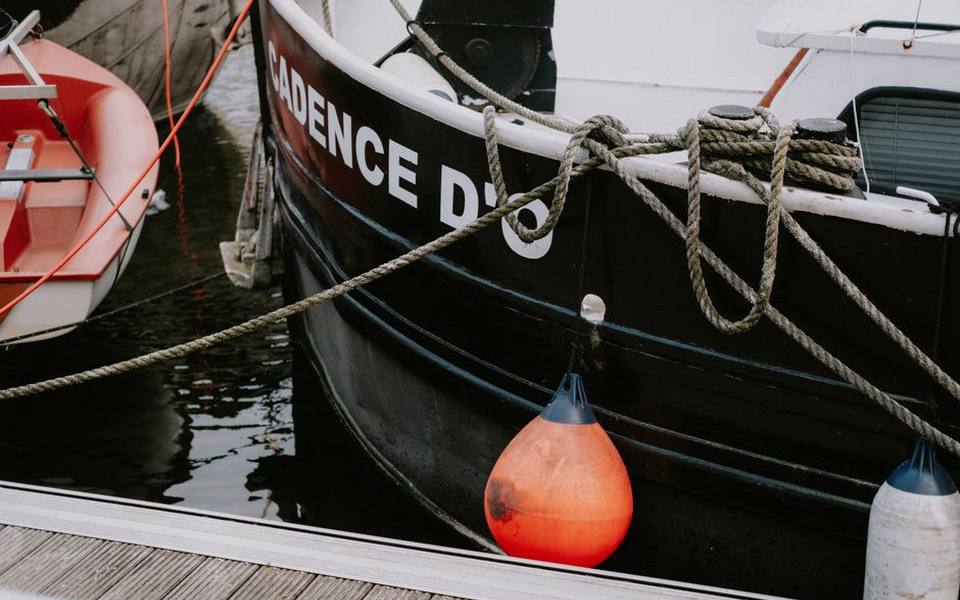
The mooring ball itself serves as the floating indicator and carries either a pass-through central pipe or an external ring where the pendant line connects. Pennants or bridles lead from the top of the mooring tackle directly to your boat's bow cleats. Without the buoy holding the hardware afloat, the heavy chains would sink directly into the mud, making it impossible to secure your boat by hand when arriving in the harbor.
Mooring floats come in various designs, from spherical molded polyethylene shells to elongated low-profile shapes equipped with pickup sticks. Choosing the right style depends heavily on local current strength and personal preference. Regardless of design, the float should always display sufficient freeboard above the waterline to remain visible in dense fog and nighttime conditions.
Choosing and rigging the right mooring line
A mooring line, often referred to on a mooring buoy as a pendant or bridle, is a heavy-duty synthetic rope that connects the vessel's bow cleats to the mooring hardware. Unlike standard dock lines used for short-term tying, dedicated mooring pendants must withstand continuous cyclic loading, severe wave action, and UV degradation. Three-strand or double-braid marine nylon is the universal standard for this application because it offers the elasticity needed to dampen sudden jerks without snapping.
Sizing your mooring lines depends heavily on the overall length, displacement, and windage of your boat. As a baseline, most skippers select lines ranging from half an inch in diameter for light runabouts to an inch or more for larger cruising yachts. Many mariners prefer rigging a primary line alongside an independent secondary safety pendant that is slightly longer, giving complete redundancy if the primary line suffers severe chafing during a storm.
Chafing gear is an absolute necessity where lines pass through bow chocks or ride over the toe rail. Reinforced heavy canvas sleeves, thick split fire hoses, or molded rubber guards prevent friction from sawing through synthetic fibers under heavy strain. Inspect your lines regularly for stiffness, internal fiber powdering, or discoloration, replacing worn pendants every two to three seasons to prevent line failure.
Approaching and catching a mooring buoy smoothly
Catching a mooring ball requires methodical boat handling, spatial awareness, and good communication between the skipper and the deck crew. Always approach the mooring field idling into the prevailing natural force—either the wind or the current, whichever is exerting the stronger pull on surrounding vessels. Observing how other anchored boats are oriented gives you an immediate indication of which angle guarantees the most controlled, neutral approach.
Bring the bow slowly up toward the buoy, easing the throttle into neutral so the boat glides to a stop just as the buoy comes alongside the forward deck. A crew member equipped with a sturdy boat hook can reach down, snag the pickup buoy or the eye of the pendant, and bring the loop over the bow cleat. Never use the boat hook as an anchor; if the vessel still has forward or reverse momentum, release the hook rather than fighting the load.
If you are operating shorthanded, consider backing down slowly into the wind toward the buoy so you can grab the pendant from the lower freeboard of the stern, walk the line forward, and cleat it off securely. Once secured, let the vessel drift back to take up slack gradually, verifying that the pendant sits properly inside the bow chocks before shutting down the engines.
Managing black water holding tanks during extended stays
Vessels kept on swing moorings do not have direct access to dockside pump-out plumbing, making proper sanitation tank management essential for health and comfort. Marine heads and portable recreational vehicle sanitation setups share identical plumbing dynamics: waste accumulates in a sealed holding tank where anaerobic bacteria can rapidly produce harsh sulfur odors. Treating waste tanks regularly prevents plumbing blockages and keeps cabins pleasant during hot summer weekends.
When shopping for the best holding tank treatment for RV or boat waste systems, skip outdated formaldehyde-based chemicals that disrupt municipal processing plants. Instead, look for advanced enzymatic or live-bacteria liquid treatments. These biological formulas digest solid waste, liquefy toilet paper, and outcompete odor-producing bacteria naturally. Many multi-use treatments formulated for camper waste tanks work seamlessly inside marine holding systems.
If your holding tank fills during an extended trip away from shore, use municipal mobile pump-out boats or motor into a facility with transient slips equipped with vacuum waste stations. Under federal clean water regulations, discharging untreated sewage within coastal waters and inland lakes is strictly prohibited, meaning a well-maintained, odor-free holding tank is vital to remaining legally compliant.
Natural and homemade holding tank odor remedies
Boaters looking for an alternative to store-bought sanitation chemicals often turn to homemade tank mixtures to manage odors and keep level sensors functional. A widely favored homemade holding tank treatment combines laundry water softener, liquid dishwashing detergent, and pine-scented cleaner. The water softener prevents waste solids from sticking to tank walls, while the detergent lubricates internal valves and breaks down surface grease deposits.
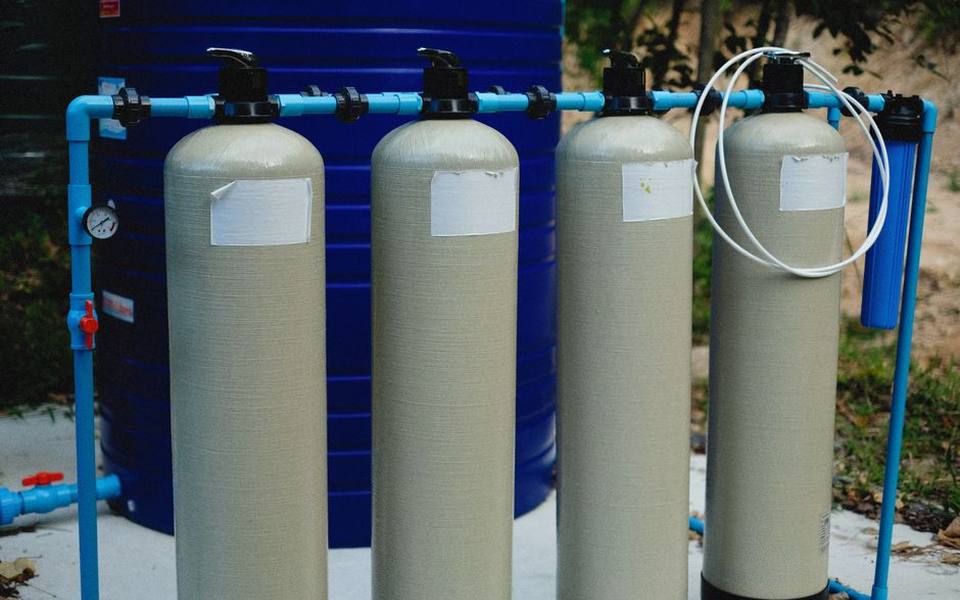
Another dependable approach involves using warm water mixed with pure sodium percarbonate or household baking soda alongside white distilled vinegar. Oxygenating the tank environment curbs foul-smelling anaerobic processes without destroying rubber pump seals or marine hoses. However, avoid dumping concentrated chlorine bleach into your marine head; bleach rapidly hardens internal rubber joker valves and dries out delicate seals in manual pump assemblies.
Whichever formula you adopt, adequate ventilation remains the single most important factor in odor control. Check your hull vent fittings to confirm the external screen is free of insect nests or salt crust. Proper airflow introduces fresh oxygen into the tank, helping beneficial aerobic microorganisms break down organic compounds far more effectively than chemical masking agents alone.
Clearing rust and corrosion from fuel tanks
Boats resting on moorings experience fluctuating day-night temperatures, which can pull moist air into fuel tank vents and cause condensation to pool along the bottom of the tank. In older boats or support equipment with mild steel or welded metal containers, this sitting water inevitably leads to internal rust flakes. If left untreated, fuel tank rust plugs filters, starves carburetors, and can ruin high-pressure marine fuel injectors.
When tackling internal scale, the best gas tank rust remover solutions utilize phosphoric acid or chelating organic chemical agents rather than aggressive muriatic acid. Phosphoric acid formulas dissolve iron oxide deposits while leaving behind a protective iron-phosphate coating that resists flash rusting. For portable outboard fuel containers or auxiliary generators, draining the bad fuel and soaking the tank with a dedicated fuel tank rust remover breaks loose stubborn debris safely.
After chemical cleaning, rinse the fuel tank thoroughly according to product specifications and dry it completely using low-pressure warm air or denatured alcohol flushes. If rust has pitted the metal deeply, seal the internal seams using a specialized, fuel-resistant epoxy lining resin. Keep tanks full during extended layups to minimize the airspace available for condensation, especially in humid regions like marinas in Florida.
Protecting exposed marine vinyl from salt and sun
Open cockpits on moored boats are continuously bombarded by direct ultraviolet rays, morning dew, and airborne salt mist. Over time, marine vinyl seats can become brittle, develop dark mildew patches, and crack along the seams if not cleaned and conditioned on a schedule. Keeping your seating surfaces supple requires marine-specific cleaning chemistry that lifts grime without stripping the material's factory plasticizers.
The best marine vinyl cleaner options are pH-neutral, non-abrasive sprays specifically formulated to break surface tension and lift organic dirt without relying on harsh petroleum solvents. Avoid household bleach or abrasive scouring pads, as they strip the protective topcoat of the vinyl, leading to premature yellowing and micro-tears. Use a soft-bristled horsehair brush to gently work the cleaner into textured vinyl grain, then wipe it clean with fresh microfiber towels.
Once clean, apply a dedicated vinyl protectant featuring powerful UV inhibitors to shield your cushions from solar radiation. Reapplying this barrier every month helps prevent pink staining, dry rot, and seam stitching deterioration. For boats kept on open moorings, installing breathable canvas seat covers provides the ultimate barrier against sun exposure and bird droppings.
Applying ceramic coatings to defend topsides and gelcoat
Gelcoat on a boat moored out on open water endures intense sun reflection, constant salt spray, and atmospheric pollution. Traditional carnauba waxes often break down after only several weeks in harsh marine environments, leaving fiberglass dull and oxidized. To reduce washing frequency and maintain high gloss, many boaters now turn to silica-based protective barriers.
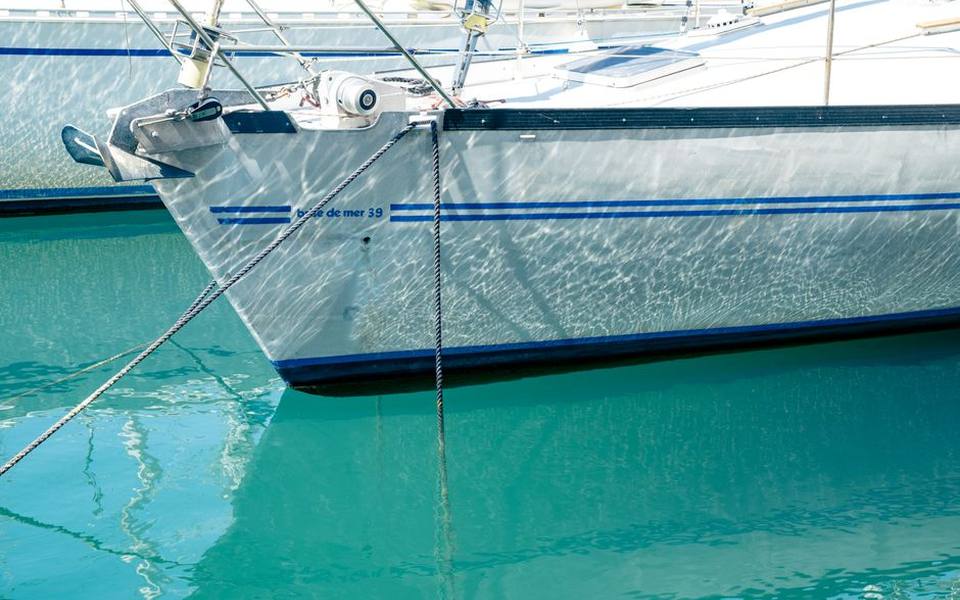
The best marine ceramic coating formulations contain high concentrations of silicon dioxide (SiO2) engineered specifically for porous fiberglass gelcoat. Unlike automotive paints, gelcoat expands and contracts noticeably with temperature swings, requiring an elastic coating that binds tightly without cracking. A quality marine ceramic creates an ultra-hydrophobic shell that repels salt scum, exhaust soot, and hard water spots.
Applying a ceramic coating requires meticulous prep work: the boat hull must be thoroughly washed, compounded to remove all chalky oxidation, polished to high clarity, and wiped down with alcohol to remove lingering polishing oils. Once cured, the slick barrier allows you to rinse away salt spray with plain fresh water when returning to public and private boat launches or marina staging docks.
Routine mooring inspections and storm preparation
Because moored boats stay unattended on the water for long stretches, regular tackle inspections are vital for preventing loss. At least once a season—and ideally twice in saltwater environments—hire an experienced diver or lift the tackle using a workboat to check the lower hardware. The bottom shackle, swivel, and lowest link of chain suffer the greatest galvanic wear and mechanical abrasion where they roll against the seabed.
Always keep extra lines, spare shackles, and fresh cotter pins aboard your vessel for unexpected replacements. When severe squalls or seasonal named storms are forecast, consider doubling up on bow pendants, ensuring the secondary line has a distinct cleat connection and its own chafe protection. Setting out chafing guards and adding snubbers significantly reduces shock loads when wind chop builds across the harbor.
If heavy weather threatens to overwhelm the local mooring field, consider trailering your boat via a nearby boat launch ramp to secure it on dry land until conditions settle. Regularly reviewing local harbor regulations and keeping insurance documentation updated ensures you are prepared if severe weather ever breaks tackle loose in the anchorage.
Published 2026-09-20 · reviewed with each rebuild, last September 2026.
Find marinas near you
The directory lists 7,143 marinas by state and city — pick your state or use the “Near me” button in the header.
More guides
-
 Safety
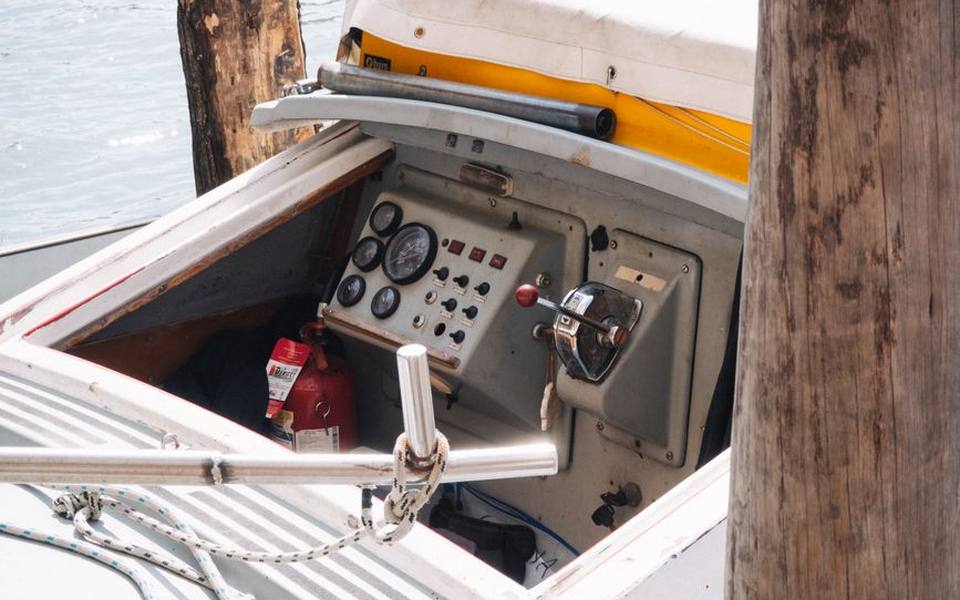
Boat Fire Extinguisher Inspection: Schedule, Checklist, and Costs
-
 Money
MoneyBoat Club Membership Costs: Initiation Fees, Monthly Dues, and Ownership Comparison
-
 Storage
Boat Winterization and Storage: Costs, Checklist, and Shrink Wrapping Guide
-
 Storage
Boat Slips and Docking Fees: How Much Does It Cost to Keep a Boat in the Water?
-
 Owning
Essential Nautical Terms and Practical Boating Knowledge: From the Helm to Harbor Life
-
 Safety
Essential Boat Safety Gear, Marine Electronics, and Equipment Guide
-
 Service
Outboard Engine Service and Rebuild Costs: What Boat Owners Should Expect to Pay
-
 Safety
Marine Weather Forecasts and Warnings: Reading NOAA Reports and Coastal Maps
-
 Safety
Boating Safety Certification and Licensing: State Requirements and Exam Prep
-
 Service
Saltwater and Freshwater Fishing Charters: Choosing Inshore, Offshore, and Deep Sea Trips
-
 Owning
Bareboat Yacht Charters: How to Rent, Qualifications, and Cruising Preparation
-
 Buying
Pontoon & Tritoon Boats: Buying, Renting, Models, and Pricing Guide
-
 Owning
Holiday Boat Parades and Coastal Festivals: Viewing Guide and Schedules
-
 Buying
A Complete Guide to Buying Used Boats: Valuations, Inspections, and Registration
-
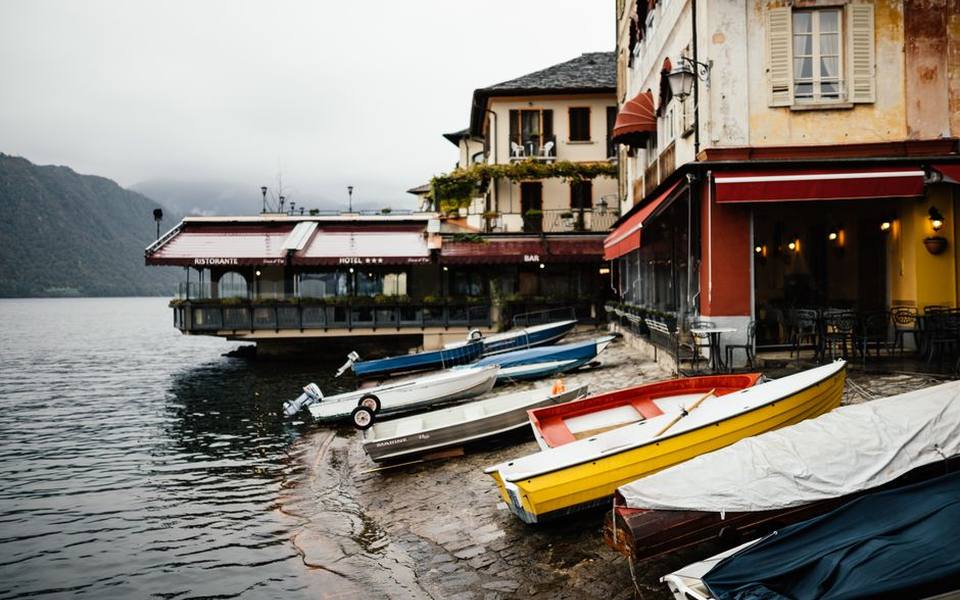 Owning
Waterfront Dining and Dockside Restaurants: Boater's Guide to Dock and Dine
-
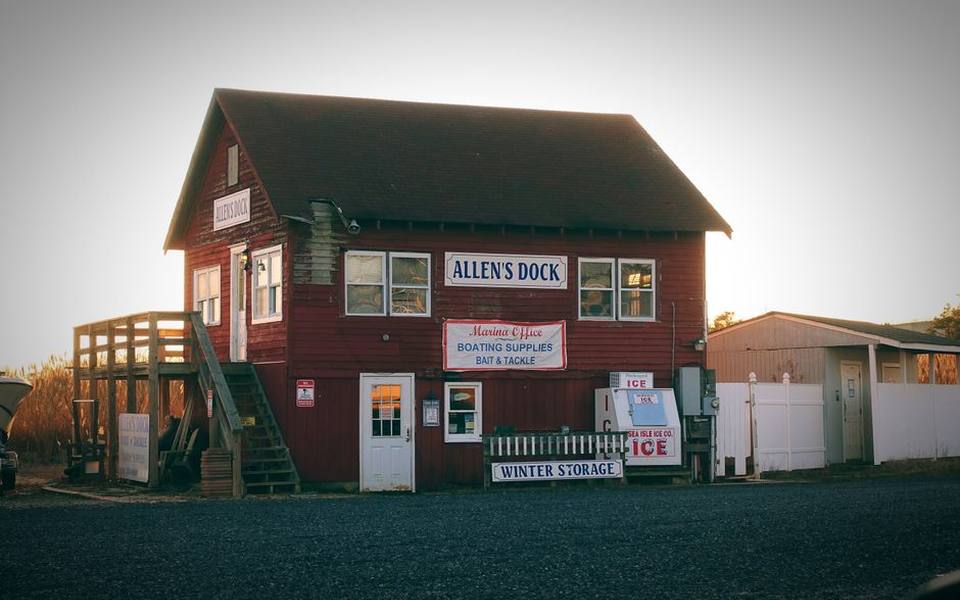 Owning
Dockside Bait Systems, Live Bait Sourcing, and Fish Cleaning Station Setup
-
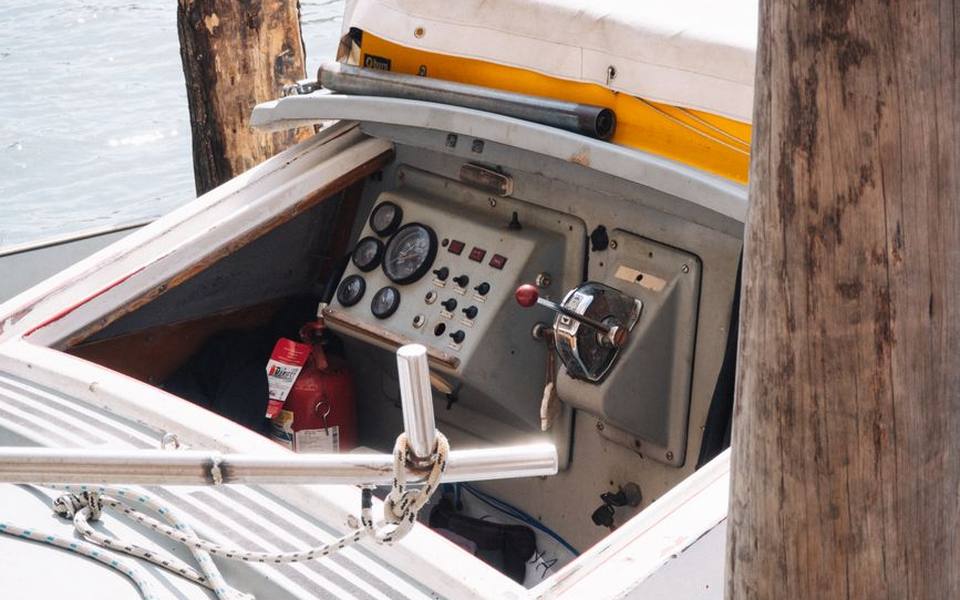 Safety
Marine Fire Safety Inspection and Extinguisher Maintenance
-
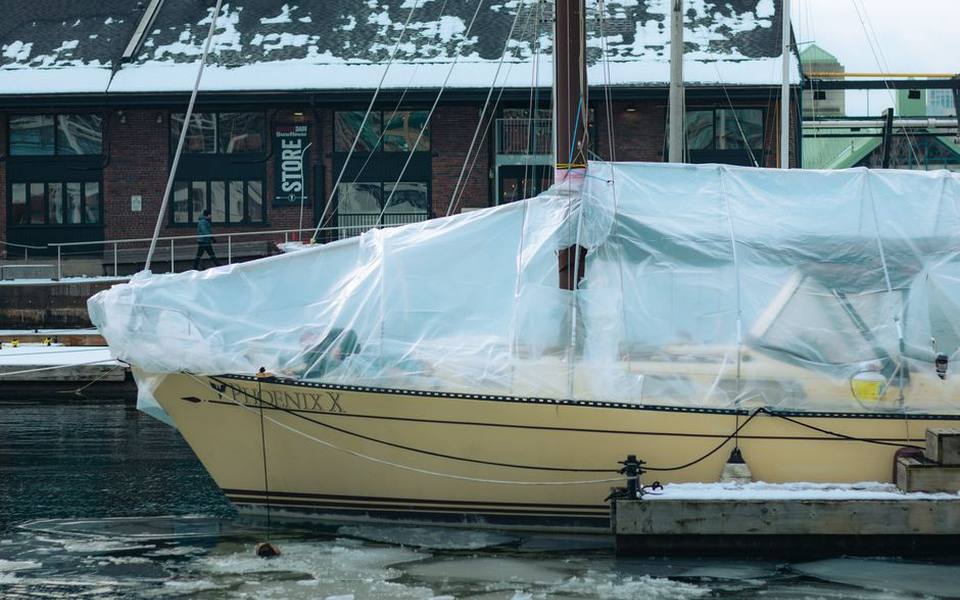 Storage
Complete Guide to Boat Winterization, Shrink Wrapping, and Storage Covers
-
 Buying
Electric Boat Motors and Trolling Systems: The Practical Conversion Guide
-
 Owning
A Practical Guide to Public Boat Launches, Kayak Ramps, and Water Access
-
 Owning
Marine Lithium Batteries vs AGM: Setup, Charging, and Performance
-
Service
Boat Fiberglass & Gelcoat Repair Guide: Fixing Cracks, Blisters & Scratches
-
Service
Marine Fuel Tank Cleaning and Rust Removal Guide
-
Safety
USCG Captain's License Guide: OUPV 6-Pack Requirements and Renewal
-
Buying
Boat Dinghies and Inflatables Guide: Types, Motors, and Selection
-
Service
Boat Towing Services and Marine Assistance Memberships Explained
-
Owning
Boat Lettering, Registration Numbers, and Custom Vinyl Decals
-
Service
Outboard Motor and Lower Unit Maintenance, Repair, and Marine Diesel Guide
-
Buying
Shallow Water Anchor Systems: Power-Pole vs. Minn Kota Talon & Raptor
-
 Service
Complete Guide to Marine Bottom Paint and Antifouling Application
-
Owning
Cruising America's Great Loop: Route Planning, Boat Choice, and Cruising Resources
-
Service
Boat and Fishing Charters: Complete Guide to Styles, Rates, and Booking
-
Buying
Personal Watercraft and Jet Ski Guide: Models, Rentals, and Buying
-
 Owning
Marine Supply Stores and Chandleries: Outfitting Your Boat
-
Safety
Marine Weather Forecasts and NOAA Wave Reports: A Practical Boater's Guide
-
Safety
USCG Boat Registration, Boater Education, and Navigational Safety Rules
-
Owning
Marine Lithium Batteries, Solar Panel Systems, and Trickle Charging Guide
-
Service
Boat Trailer Maintenance: Bearings, Replacement Kits, and Towing Prep
-
Safety
Marine VHF Radio Frequencies, Channels, and Electronics Setup
-
 Service
Complete Boat Hull Maintenance Guide: Washing, Acid Cleaners, Gelcoat Repair, and Antifouling Paint
-
Service
Fixing Inflatable Boat Leaks and Replacing Worn Bimini Top Canvas
-
Owning
Buoy Mooring Setup, Dock Lines, Cleat Hitch Knots, and Anchor Pins
-
 Owning
Boat Trim Tabs Guide: Lenco, Zipwake, Bennett, and Electric vs Hydraulic
-
Owning
Upgrading Boat Swim Platforms, Boarding Ladders, and Marine Vinyl Seating
-
Owning
Best Gifts for Boaters, Practical Marine Accessories, and Kayak Storage Racks