Understanding Charter Types and Vessel Options
Booking a private vessel lets you get on the water without the ongoing expense of slip fees, winter storage, or trailer maintenance. Whether you want to escape the office for an afternoon of playin hooky on the bay or organize a serious angling expedition, choosing the right charter starts with understanding vessel categories. Charters generally fall into two primary buckets: bareboat leases, where you operate the vessel yourself, and crewed or captained trips, where a licensed professional handles navigation, gear, and safety.
For most outings, hiring a captained vessel is the preferred route. Unlike a standard boat rental on-site where you assume full liability for shallow sandbars and engine damage, a captained charter shifts that operational burden entirely to an experienced mariner. These trips range from six-passenger sportfishers—frequently called six-packs—to larger commercial party boats carrying dozens of casual anglers sharing rail space.
Private charters give your group complete control over the itinerary, departure schedule, and music. In contrast, shared party boats offer a budget-friendly way to wet a line on nearshore reefs alongside other anglers. Deciding between a private excursion and a walk-on head boat comes down to your group's budget, maritime experience, and how much personal attention you want from the crew throughout the trip.
Sandbar Gatherings and Island Party Cruises
Not every trip requires rod holders, heavy tackle, and chum buckets. One of the fastest-growing segments in the marine industry focuses strictly on social recreation, swimming, and anchored relaxation. An island boat party charter typically takes passengers through sheltered inland waterways to popular sandbars, barrier islands, or shallow tidal flats where guests can wade in waist-deep water, mingle, and listen to music.
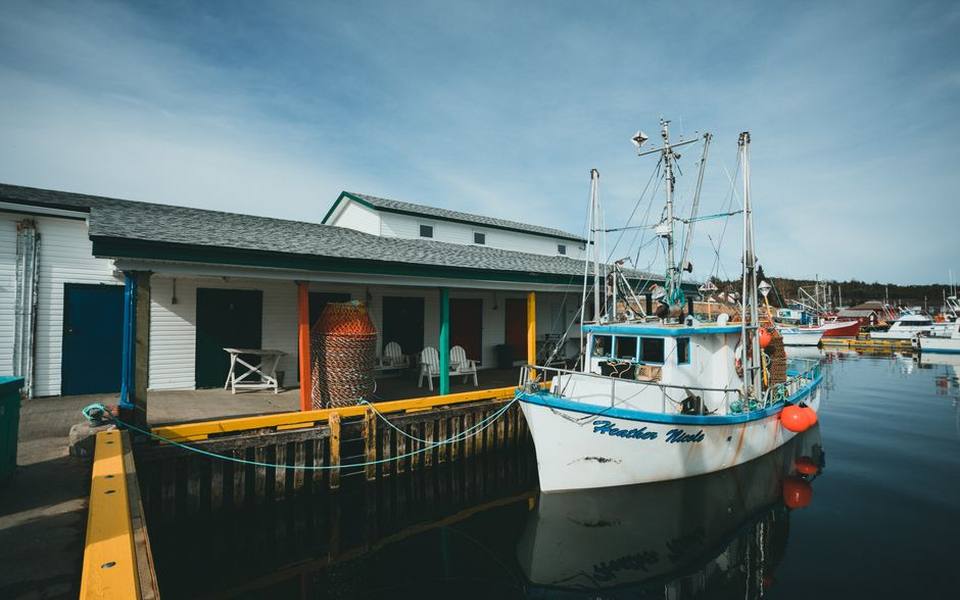
In warm coastal hubs like the Gulf Coast, specialized vessels have turned sandbar lounging into an art form. You can book an open-air crab island tiki boat or a wide-deck pontoon equipped with water slides, shaded pergolas, and built-in coolers. These outings prioritize casual entertainment, providing paddleboards, floating mats, and Bluetooth stereos while a sober, licensed captain handles anchoring and navigation among crowded sandbar fleets.
These social runs are popular for birthdays, bachelor parties, and family reunions seeking relaxed, good times charters. Reputable captains monitor tides closely because sandbars can lose depth rapidly on an outgoing tide, leaving an anchored boat stranded on hard sand. Choosing a guided service ensures you can focus on having fun while your captain manages mooring lines, bottom depth, and changing maritime conditions.
Before booking a sandbar excursion, check the operator's alcohol policies, age restrictions, and boarding guidelines. Most operations operate on a bring-your-own-beverage basis, though nearly all strictly prohibit glass containers on deck and at sandbars to prevent beach injuries. Families exploring the shallow shallows and estuaries along marinas in Florida will find hundreds of these social pontoon and catamaran operators running daily departures.
Scenic Excursions and Sunset Harbor Cruises
If you want to spend time on the water without swimming or cleaning fish, a scenic harbor cruise provides an easy, low-stress alternative. A sunset boat cruise generally runs for two to three hours during late afternoon, offering front-row views of coastal skylines, historic lighthouses, and waterfront estates bathed in evening light. These trips emphasize steady cruising, quiet engines, and scenic photo opportunities.
Sunset cruises typically use motor yachts, classic wooden schooners, or stable power catamarans that minimize hull roll. Because these cruises stick to protected harbors, intracoastal waterways, and sheltered bays, seasickness is rarely a problem compared to ocean trips. That makes evening cruises an ideal choice for multi-generational family outings, romantic dates, or visiting business associates.
Pricing for evening cruises is generally structured either as a private flat rate for the entire boat or as individual ticketed seating on larger passenger vessels. Amenities typically vary by operator; some include light hors d'oeuvres and wine service, while others let guests bring their own picnic baskets. Booking mid-week often secures calmer harbor traffic and more room to move around the deck.
Inshore and Shallow-Water Backcountry Fishing
Inshore fishing charters focus on coastal bays, mangrove creeks, saltwater marshes, and tidal estuaries. Using purpose-built flats skiffs or center-console bay boats, captains guide anglers into shallow water—sometimes less than eighteen inches deep—to hunt species like redfish, speckled trout, snook, and flounder. These trips emphasize sight casting, precise lure presentation, and light spinning or fly tackle.
Shallow-water outings appeal to anglers who dislike rough ocean swells or long runs past the horizon. Because inshore boats operate inside barrier islands and river mouths, water remains relatively calm regardless of open-ocean sea states. Inshore skiffs accommodate two to four anglers, ensuring direct hands-on instruction from the captain throughout the trip.
A specialized inshore trip, like those operated by quiet outcast charters working remote marsh banks, demands stealthy boat handling. Captains navigate silently using bow-mounted electric trolling motors or fiberglass push poles to stalk skittish gamefish without spooking them. Inshore trips are generally offered in four-hour half-day or six-hour three-quarter-day packages, making them practical for tight travel schedules.
Offshore Big Game and Pelagic Deep-Sea Trips
For anglers pursuing trophy pelagic species, deep-sea charters travel dozens of miles into the open ocean. These trips target fast-swimming gamefish including mahi-mahi, wahoo, yellowfin tuna, sailfish, and blue marlin. Offshore boats are heavy sportfishing yachts or offshore center consoles equipped with twin or triple outboards, outriggers, radar towers, and deep-dropping downriggers.
Offshore big game trips require an early morning run across coastal bars, often before sunrise, to reach deep canyons or underwater seamounts where bait schools gather. You might spend several hours trolling heavy skirts, flying fish baits, or spreader bars behind the transom waiting for a sudden reel strike. Dedicated fish monster charters focus entirely on hooking heavy apex predators that test both tackle strength and physical endurance.
Because deep-sea trips involve substantial fuel burn and hours of ocean running, they carry higher price tags than inshore outings. Expect ten- to twelve-hour full-day commitments, with total costs reflecting fuel consumption, fresh bait, heavy terminal tackle, and the work of a professional first mate. Anglers should prepare for rolling ocean swells by taking motion sickness remedies well before leaving the dock.
Targeting Bluefin Tuna and Northern Groundfish
Few saltwater experiences match the power of targeting giant bluefin tuna on the eastern seaboard. High-stakes bluefin tuna charters operate in cold North Atlantic waters, where bluefin weighing anywhere from one hundred to over eight hundred pounds gorge on herring, mackerel, and sand lances. Landing one requires heavy 80-to-130-class reels, bent-butt trolling rods, and an experienced deck crew working in unison.
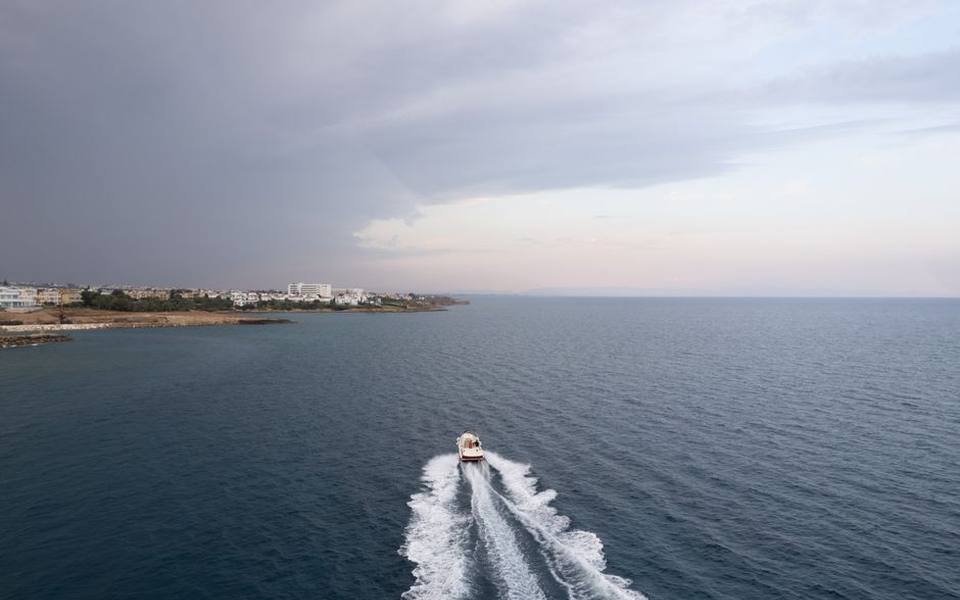
The historic fishery of fishing cape cod and the Gulf of Maine represents the epicenter of this fishery. Anglers depart from Downeast-style lobster hulls and rugged offshore express cruisers heading toward Stellwagen Bank, Peaked Hill Bar, or offshore shoals. Captains either kite-fish live mackerel, troll deep-diving plugs, or drop heavy jigs into bait balls marked on high-frequency sonar.
Before booking, understand federal fishery regulations governing giant bluefin. In many federal commercial-permitted charter categories, giant tuna over a certain length remain the legal property of the boat and can be sold by the captain on the commercial market, with passengers enjoying the thrill of the battle. Always clarify retention rules, fillet policies, and meat sharing with your captain before setting out from marinas in Massachusetts.
Mid-Atlantic Inlets and Gulf Stream Blue Water
The Mid-Atlantic coastline offers distinct sportfishing grounds where the warm, north-flowing Gulf Stream collides with cooler northern currents. Famous departure points like North Carolina's Outer Banks require traversing notoriously treacherous, shifting coastal inlets. Legendary oregon inlet charters rely on seasoned Carolina-flair sportfishers built with sharp entries and wide bows designed to shed breaking waves over shallow bar channels.
Once across the bar, boats run thirty to forty miles out to the continental shelf break. Depending on the month, anglers can encounter yellowfin tuna runs, white marlin blitzes, wahoo, and king mackerel. In bottom-fishing sectors, crews drop electric reels into deep water for tilefish, snowy grouper, and black sea bass along the edge of rocky ledges.
Weather windows in the Mid-Atlantic can change rapidly, and experienced offshore captains keep close tabs on wind shifts and tide changes that alter inlet conditions. Visitors booking trips from marinas in North Carolina should stay flexible, allowing an extra weather day in their travel schedule in case high winds scrub an ocean run.
Pacific Coast Sportfishing and Open-Party Fleets
West Coast saltwater angling runs on a completely different business model than East Coast trolling charters. Out of Southern and Central California ports, large open-party sportfishing vessels run day trips, overnight journeys, and multi-day ventures south into Mexican waters. Operations in the style of coral sea sportfishing focus on live-bait fly-lining, surface irons, and deep yo-yo jigs for yellowtail, calico bass, rockfish, and Pacific bluefin.
These larger vessels—often between sixty and ninety feet long—feature full galleys serving hot meals, bunk rooms for overnight sleeping, and spacious live-wells circulating thousands of sardines and anchovies. Deckhands provide direct coaching at the rail, tag caught fish, and fillet catches on wooden cleaning boards as the boat steams home. This open-party system lets solo anglers get into offshore waters at a fraction of a private charter's cost.
Further north in the Pacific Northwest, salmon, halibut, and lingcod dominate the saltwater scene. Captains operating coastal kingfisher charters use downriggers and mooching techniques around tidal rips and underwater pinnacles. Anglers launching out of marinas in California or the Pacific Northwest should bring warm, layered rain gear, as morning fog and ocean spray keep coastal air chilly year-round.
Understanding Charter Rates, Deposits, and Gratuities
Charter pricing depends on vessel size, engine horsepower, trip length, and regional fuel costs. Inshore four-hour half-day trips typically range from several hundred dollars, while full-day offshore marlin or tuna runs easily climb into four-figure territory. Open-party head boats, where you pay per person, remain the most accessible option, typically charging an entry fee for a half-day spot at the rail.
Always read the fine print regarding fuel surcharges. Some charter contracts establish a base rate assuming stable fuel costs, adding an extra fuel surcharge if marine diesel or gasoline exceeds specific thresholds. Bait, terminal tackle, and fishing licenses are typically covered in private charter packages, but head boats often charge extra for bait packages, rod rentals, and fish-cleaning fees.
Tipping the crew is standard maritime practice in the United States. While the captain may own the vessel, deckhands and first mates work primarily for tips, handling dock lines, rigging bait, untangling lines, and cleaning fish at the dock. Tipping typically averages 15% to 20% of the total charter price, reflecting the mate's hustle and attentiveness regardless of how actively the fish were feeding.
Vetting Captains, Licensing, and Onboard Safety
Before handing over a deposit, verify that your captain holds an active United States Coast Guard (USCG) merchant mariner credential. For vessels carrying up to six paying passengers, the operator must hold an Operator of Uninspected Passenger Vessels (OUPV) license. Boats carrying more than six passengers must be USCG-inspected vessels operated by a licensed Master with strict annual safety inspections.
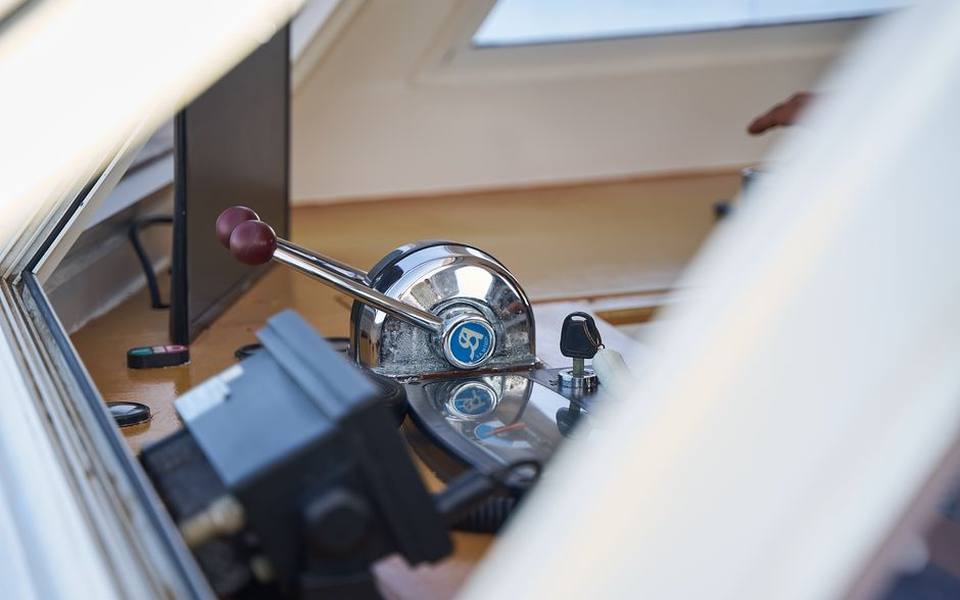
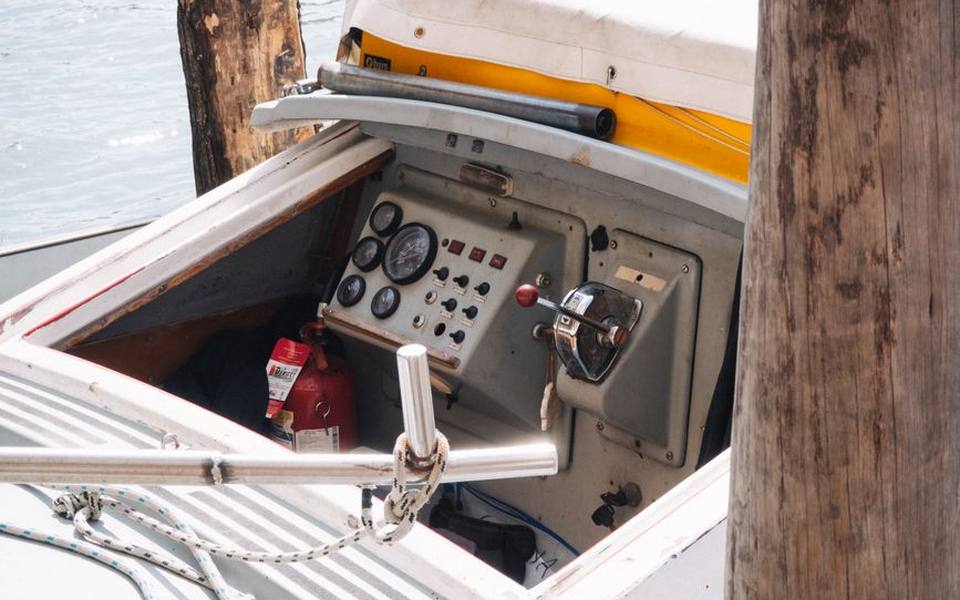
A reliable charter operation keeps safety gear visible, clean, and up to date. This includes commercial-grade life jackets for every person aboard, throwing rings, distress flares, fire extinguishers, marine VHF radios, and an emergency position indicating radio beacon (EPIRB) on offshore vessels. Don't hesitate to ask whether youth-sized life jackets are provided if you plan to bring children.
Where the boat docks also tells you a lot about the operation. Established charter fleets run out of organized marina facilities featuring secure docks, well-maintained fish-cleaning stations, and guest parking. Transient boats that secure transient slips in prominent harbors during peak seasonal runs should maintain the same safety, insurance, and licensing standards as permanent dock tenants.
Preparing for Departure: Gear, Rules, and Etiquette
Proper preparation ensures your day on the water remains comfortable and productive. Wear light, breathable clothing, a broad-brimmed hat, and light-soled, non-marking deck shoes; dark work boots leave scuff marks on white fiberglass decks that frustrate the crew. Bring a sturdy cooler filled with ice, bottled water, snacks, and lunch, but leave it in your vehicle until returning to the dock to save deck space.
Motion sickness ruins more boat trips than bad weather. If you are prone to seasickness, take medication the night before and again an hour before boarding; taking medication after you already feel nauseous rarely works. Acupressure wristbands, ginger candies, and staying outside in the fresh air looking at the horizon also help keep inner-ear balance steady while trolling.
Follow your captain and mate's instructions immediately, especially when handling gaffed fish, working near anchor lines, or moving around a pitching deck. Saltwater fishing gear features sharp hooks and heavy lead sinkers moving under tension, making attentiveness essential. Respecting boat rules, keeping decks clean, and treating the crew cordially ensures a safe trip and establishes a strong relationship for future bookings.
Published 2026-09-21 · reviewed with each rebuild, last September 2026.
Find marinas near you
The directory lists 7,143 marinas by state and city — pick your state or use the “Near me” button in the header.
More guides
-
 Safety
Boat Fire Extinguisher Inspection: Schedule, Checklist, and Costs
-
 Money
MoneyBoat Club Membership Costs: Initiation Fees, Monthly Dues, and Ownership Comparison
-
 Storage
Boat Winterization and Storage: Costs, Checklist, and Shrink Wrapping Guide
-
 Storage
Boat Slips and Docking Fees: How Much Does It Cost to Keep a Boat in the Water?
-
 Owning
Essential Nautical Terms and Practical Boating Knowledge: From the Helm to Harbor Life
-
 Owning
A Practical Guide to Boat Mooring: Buoys, Lines, and Technique
-
 Safety
Essential Boat Safety Gear, Marine Electronics, and Equipment Guide
-
 Service
Outboard Engine Service and Rebuild Costs: What Boat Owners Should Expect to Pay
-
 Safety
Marine Weather Forecasts and Warnings: Reading NOAA Reports and Coastal Maps
-
 Safety
Boating Safety Certification and Licensing: State Requirements and Exam Prep
-
 Service
Saltwater and Freshwater Fishing Charters: Choosing Inshore, Offshore, and Deep Sea Trips
-
 Owning
Bareboat Yacht Charters: How to Rent, Qualifications, and Cruising Preparation
-
 Buying
Pontoon & Tritoon Boats: Buying, Renting, Models, and Pricing Guide
-
 Owning
Holiday Boat Parades and Coastal Festivals: Viewing Guide and Schedules
-
 Buying
A Complete Guide to Buying Used Boats: Valuations, Inspections, and Registration
-
 Owning
Waterfront Dining and Dockside Restaurants: Boater's Guide to Dock and Dine
-
 Owning
Dockside Bait Systems, Live Bait Sourcing, and Fish Cleaning Station Setup
-
 Safety
Marine Fire Safety Inspection and Extinguisher Maintenance
-
 Storage
Complete Guide to Boat Winterization, Shrink Wrapping, and Storage Covers
-
 Buying
Electric Boat Motors and Trolling Systems: The Practical Conversion Guide
-
 Owning
A Practical Guide to Public Boat Launches, Kayak Ramps, and Water Access
-
 Owning
Marine Lithium Batteries vs AGM: Setup, Charging, and Performance
-
Service
Boat Fiberglass & Gelcoat Repair Guide: Fixing Cracks, Blisters & Scratches
-
Service
Marine Fuel Tank Cleaning and Rust Removal Guide
-
Safety
USCG Captain's License Guide: OUPV 6-Pack Requirements and Renewal
-
Buying
Boat Dinghies and Inflatables Guide: Types, Motors, and Selection
-
Service
Boat Towing Services and Marine Assistance Memberships Explained
-
Owning
Boat Lettering, Registration Numbers, and Custom Vinyl Decals
-
Service
Outboard Motor and Lower Unit Maintenance, Repair, and Marine Diesel Guide
-
Buying
Shallow Water Anchor Systems: Power-Pole vs. Minn Kota Talon & Raptor
-
 Service
Complete Guide to Marine Bottom Paint and Antifouling Application
-
Owning
Cruising America's Great Loop: Route Planning, Boat Choice, and Cruising Resources
-
Buying
Personal Watercraft and Jet Ski Guide: Models, Rentals, and Buying
-
 Owning
Marine Supply Stores and Chandleries: Outfitting Your Boat
-
Safety
Marine Weather Forecasts and NOAA Wave Reports: A Practical Boater's Guide
-
Safety
USCG Boat Registration, Boater Education, and Navigational Safety Rules
-
Owning
Marine Lithium Batteries, Solar Panel Systems, and Trickle Charging Guide
-
Service
Boat Trailer Maintenance: Bearings, Replacement Kits, and Towing Prep
-
Safety
Marine VHF Radio Frequencies, Channels, and Electronics Setup
-
 Service
Complete Boat Hull Maintenance Guide: Washing, Acid Cleaners, Gelcoat Repair, and Antifouling Paint
-
Service
Fixing Inflatable Boat Leaks and Replacing Worn Bimini Top Canvas
-
Owning
Buoy Mooring Setup, Dock Lines, Cleat Hitch Knots, and Anchor Pins
-
 Owning
Boat Trim Tabs Guide: Lenco, Zipwake, Bennett, and Electric vs Hydraulic
-
Owning
Upgrading Boat Swim Platforms, Boarding Ladders, and Marine Vinyl Seating
-
Owning
Best Gifts for Boaters, Practical Marine Accessories, and Kayak Storage Racks