The Evolution of Pontoon Platforms
Pontoon boats were once viewed strictly as slow, aluminum rafts outfitted with bench seats and modest outboards, built almost exclusively for calm, small inland lakes. Over recent decades, naval architecture, higher-strength alloys, and performance hydrodynamics completely transformed the category. Modern builds provide expansive deck space, high-grade marine upholstery, integrated watersports arches, and the structural integrity needed to tackle large reservoirs, bays, and coastal sounds with remarkable stability.
At the foundation of any pontoon platform are the cylindrical aluminum tubes, commonly referred to as logs, which supply buoyancy. Welded aluminum cross-members sit directly across these tubes to create an elevated subfloor. Marine-grade composite or pressure-treated plywood decking is fastened above that framework, sealed, and layered with woven vinyl or marine matting to resist rot, UV exposure, and moisture penetration across years of sun exposure.
Choosing this style of vessel comes down to lifestyle preferences on the water. While deep-V fiberglass hulls cut cleanly through chop and lean sharply into turns, pontoons offer flat, open real estate where passengers can move around without unsettling the balance of the boat. For family gatherings, casual entertaining, and swimming at sandbars, few recreational marine designs provide comparable square footage per foot of overall hull length.
Two Tubes Versus Three: When a Tritoon Makes Practical Sense
The primary mechanical distinction in this segment lies between traditional twin-tube pontoons and three-tube vessels known as tritoons. A standard two-log boat features equal buoyancy on port and starboard sides, which functions well on calm rivers and modest lakes at displacement or semi-displacement speeds. When water conditions turn choppy or passenger weight increases, twin tubes can push through waves rather than ride over them, occasionally taking spray across the forward deck.
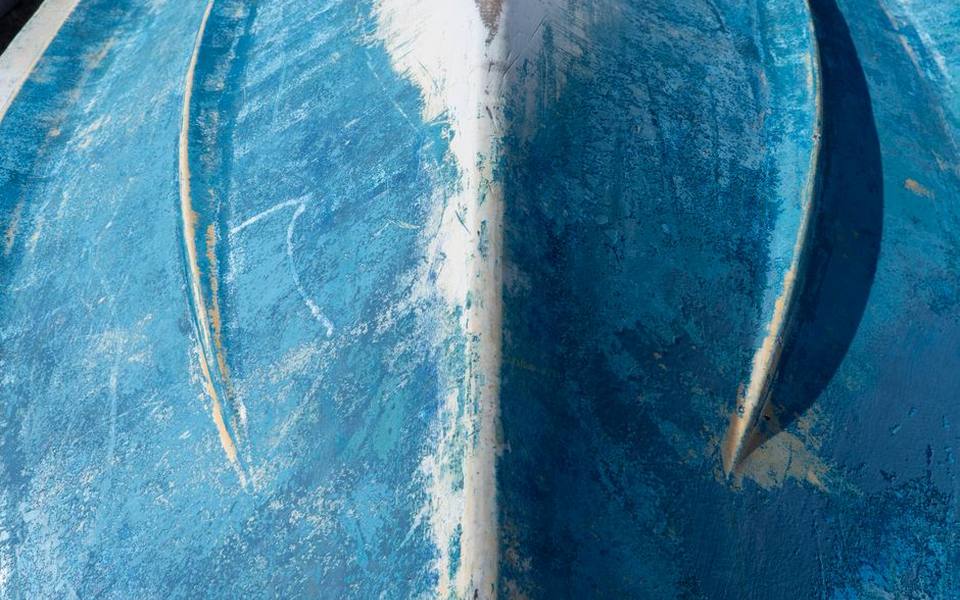
A tritoon adds a third aluminum log running down the center of the vessel, which substantially increases displacement and structural rigidity. Most center tubes feature welded lifting strakes along the bottom edge, allowing the hull to rise onto plane at higher speeds. This third tube also enables the boat to bank into tight turns like a conventional monohull rather than rolling outward, dramatically improving tracking, high-speed handling, and comfort in rough conditions.
The trade-off between the two designs comes down to weight, draft, and initial purchase cost. Tritoon configurations require heavier trailers, tow vehicles with higher ratings, and substantially larger engines to take full advantage of their hull shape. If your boating occurs primarily on small, protected waters with low speed limits, a twin-tube boat remains practical, whereas large reservoirs or open bays typically warrant the investment in three tubes.
Party Barges and Classic Multi-Purpose Deck Layouts
The classic party barge configuration pioneered decades ago by builders like the classic Sun Tracker Party Barge archetype remains a staple on American waterways. These models emphasize open perimeter seating, integrated drink holders, wide sun pads, and removable dinette tables that turn the deck into an outdoor living room. Instead of dedicated sport boat cockpits, the layout keeps the floor level and perimeter open to facilitate effortless socializing among large groups.
Many builders segment their deck plans into dedicated zones, balancing entertainment and angling. A typical hybrid layout places plush wraparound lounge seats across the bow and midship, while the stern incorporates pedestal fishing seats, an aerated livewell, and rod storage racks. Bimini tops provide essential shade over the helm and rear loungers, while forward swim platforms and stern boarding gates make swimming stops safe and accessible.
When evaluating passenger capacity, look past the certified Coast Guard maximum passenger rating plate on the console. While a 22-foot deck may be legally rated for eleven or twelve passengers, that calculation is based on average weight displacement rather than physical seating comfort. Carrying eight adults on a boat rated for ten generally allows ample room for coolers, gear bags, and natural movement without crowding the walkways.
Double Decker Pontoons, Upper Decks, and Integrated Water Slides
Double decker pontoons represent one of the most distinctive sights on tourist lakes and coastal recreation hubs. These specialized builds feature a reinforced structural arch that supports a rigid upper observation deck, frequently paired with an integrated fiberglass or molded plastic water slide fed by an electric raw-water pump. They serve as floating entertainment platforms, combining sunbathing space on the upper deck with shade and seating below.
Engineering an upper deck requires careful attention to center of gravity and total structural weight. Commercial operations, such as Double Fun Pontoon Rentals and similar coastal liveries, rely on heavy-duty tritoon foundations with wide beams to support the added leverage of passengers moving around on top. Safety railings on upper decks must meet stringent height standards, and manufacturers install heavy structural bracing to counteract twisting forces caused by wind and boat wakes.
Operating an upper-deck pontoon demands extra vigilance from the helm. The towering profile creates substantial windage, making low-speed maneuvering around tight docks, narrow canals, and crowded slips challenging during windy afternoons. Operators must also be acutely aware of fixed overhead obstacles, including low bridge clearances, low-hanging tree canopies, and covered marina roofs that could cause catastrophic structural damage.
Matching Outboard Horsepower to Your Hull and Intended Use
Because modern pontoons rely almost exclusively on outboard propulsion, matching engine displacement to your hull configuration dictates performance, fuel consumption, and long-term satisfaction. A pontoon outboard must push a broad, blunt profile through the water, meaning low-end torque matters far more than top-end racing speed. Modern four-stroke outboards dominate the market, delivering quiet idling, clean emissions, and dependable starting without the smoke associated with legacy two-stroke motors.
For relaxed cruising on a two-tube boat under 20 feet, an engine rated between 40 and 90 horsepower generally suffices for speeds between 12 and 22 miles per hour. Moving up to a 22- to 26-foot tritoon designed for towing tubers or carrying full passenger loads requires between 150 and 300 horsepower. High-performance tritoons equipped with twin outboards pushing 400 horsepower or more can exceed 50 miles per hour, though fuel burn increases exponentially at full throttle.
Steering hardware must match your selected horsepower rating. Engines up to 115 horsepower can usually be controlled with standard mechanical cable steering, though steering torque will be noticeable under acceleration. At 150 horsepower and above, hydraulic steering systems become essential to reduce helm effort, while power-assist or electronic steering is strongly advised on heavy tritoons and multi-engine platforms to maintain effortless low-speed control.
The High-End Segment: What Luxury Pontoon Boats Deliver
The luxury pontoon boat category has expanded rapidly, bridging the gap between utilitarian lake cruisers and high-end fiberglass day yachts. High-end manufacturers incorporate automotive-inspired styling, including vacuum-formed fiberglass helm pods, custom powder-coated rails, and sleek exterior panels with integrated LED docking lights. Hand-stitched marine vinyl, multi-density foam cushions, and synthetic teak flooring create an upscale ambiance comparable to premium European sport boats.
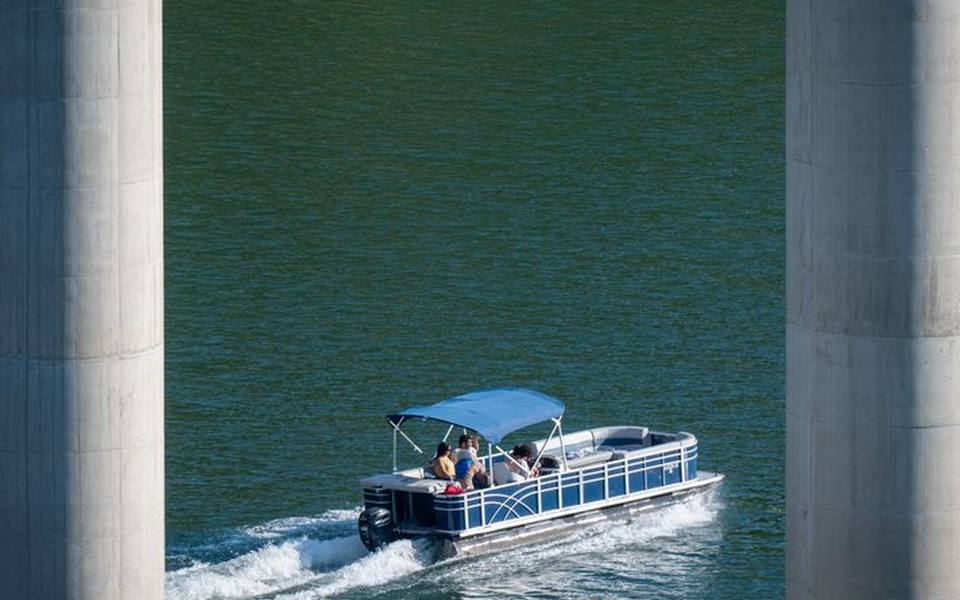
Technology plays a major role in luxury builds. Helms feature multi-function touchscreen displays that consolidate engine telemetry, GPS navigation, digital switching, and high-output stereo systems with subwoofers and zoned speaker controls. Power-folding bimini arches, electric anchor winches, joystick docking systems, and onboard refrigerated drawers eliminate manual effort, allowing the captain to operate the entire vessel with push-button simplicity.
Pricing in this segment reflects the materials and manufacturing sophistication involved. While an entry-level pontoon package with an engine might retail in the modest mid-five-figure bracket, premium luxury tritoons with high-output outboards frequently reach well into six figures. Buyers in this market prioritize comfort, dockside prestige, and cutting-edge engineering over bare-bones utility, treating the boat as a high-end entertaining venue.
Renting a Pontoon for a Day: Costs, Requirements, and Check-In
For families who want occasional lake outings without recurring storage bills, booking a pontoon rental is straightforward and accessible. Many marinas and livery operators maintain fleets of twin-tube and tritoon models available for half-day or full-day reservations. When looking for reputable operators, you can search for local facilities with boat rentals on-site to compare fleet availability, pontoon rental boat types, and location amenities.
Rental pricing typically ranges widely depending on region, day of the week, and peak seasonal demand. A standard full-day rental on an inland lake might run several hundred dollars, while high-demand holiday weekends or specialty boats like double deckers command higher daily rates. Most liveries require an upfront security deposit, charge for the exact fuel consumed during your trip, and mandate that renters carry or sign basic liability waivers.
Before departing the dock, the marina staff will conduct a walkthrough covering safety gear, life jackets, navigation bounds, and engine trim operations. Depending on state regulations, operators born after certain cutoff years must present a state-approved boater safety education certificate before taking command. Even where certificates are optional, pay close attention to depth sounders, local channel markers, and shallow sandbars to avoid costly propeller strikes.
Sandbars and High-Traffic Destinations: The Crab Island Playbook
Few locations demonstrate the appeal of pontoon culture quite like Crab Island in Destin, Florida. This underwater sandbar inside East Pass attracts hundreds of recreational boaters daily who anchor in waist-deep emerald water to socialize, swim, and relax. As a result, Crab Island pontoon rentals represent one of the largest seasonal boat-rental markets in the country, drawing both experienced boaters and first-time visitors looking to explore coastal shallows.
Navigating crowded sandbars requires sound anchoring practices and situational awareness. When planning a trip through Marinas in Florida, operators should secure both a bow anchor and a stern anchor to keep the pontoon from swinging into adjacent boats as tides turn. Propellers must be trimmed completely up whenever swimmers are in the water, and engines should remain shut off while anchored to eliminate the risk of carbon monoxide exposure or propeller injuries.
Timing your visit around the tidal cycle is crucial in coastal passes. The clearest water at Crab Island arrives on the high incoming tide, when clean Gulf currents flood the bay. During outgoing tides, currents can become surprisingly swift, making it difficult for swimmers to return to their boarding ladders. Understanding these tidal changes helps prevent grounding your pontoons on falling tides or fighting exhausting currents while swimming.
Trailering, Launching, and Storing a Wide-Deck Vessel
Transporting a pontoon presents unique challenges compared to standard V-hull boats due to its broad deck and aerodynamic drag. Pontoons are commonly moved using either float-on bunk trailers or crank-up scissor trailers. Scissor trailers sit between the tubes, making them ideal for shallow launching and tight yard maneuvers, whereas bunk trailers cradle the outside of the tubes, providing superior stability for long-distance highway travel.
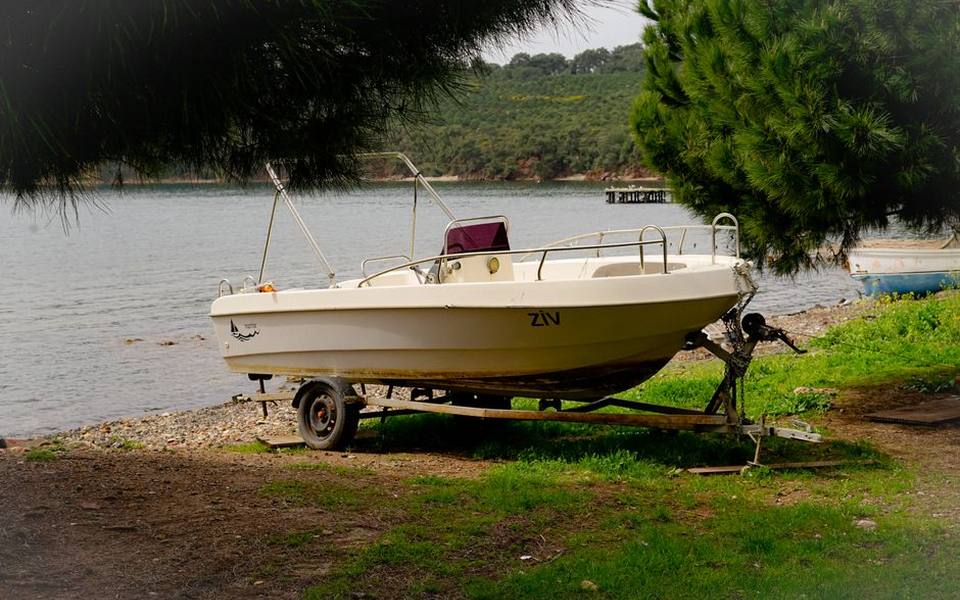
Backing down a boat launch ramp requires patience because pontoon crosswinds exert strong lateral pressure on the high fencing. When launching or retrieving, having guide-on posts on your trailer helps center the logs even when current or crosswinds push against the hull. Once launched, securing dockage at marinas offering transient slips simplifies overnight stays during regional lake trips.
Long-term storage demands careful moisture management. Leaving aluminum tubes in saltwater or stagnant freshwater without protective bottom paint or anti-fouling coatings can cause severe pitting and biological growth that degrades fuel efficiency. Mooring covers must be properly supported with adjustable tent poles to prevent rain from pooling on the vinyl fabric, which can stretch seams and foster mildew inside upholstery cushions.
Ownership Economics, Used Market Checks, and Ongoing Care
Deciding between renting and purchasing requires honest accounting of annual usage and maintenance expenses. Ownership involves recurring costs for insurance, seasonal launch fees, winterization, covered storage, and engine service. If your family logs fewer than fifteen to twenty hours on the water per year, renting often proves more economical; if you spend nearly every summer weekend on the lake, ownership provides unmatched flexibility and spontaneous access.
When shopping for a used pontoon, inspect the aluminum logs closely for deep gouges, poorly executed patch welds, or signs of water penetration inside the chambers. Check the transom pod holding the outboard for cracks or stress fatigue around engine mounting bolts. Older wooden deck floors should be checked from underneath to confirm cross-members remain tight and that marine plywood shows no soft spots, delamination, or dry rot.
Routine maintenance preserves resale value and ensures trouble-free seasons on the water. Wash the woven vinyl flooring with mild marine soap to prevent sunscreen and food oils from baking into the surface. Periodically inspect sacrificial zinc or aluminum anodes attached to the motor bracket and pontoons, replacing them when worn to shield expensive aluminum logs from galvanic corrosion.
Published 2026-09-21 · reviewed with each rebuild, last September 2026.
Find marinas near you
The directory lists 7,143 marinas by state and city — pick your state or use the “Near me” button in the header.
More guides
-
 Safety
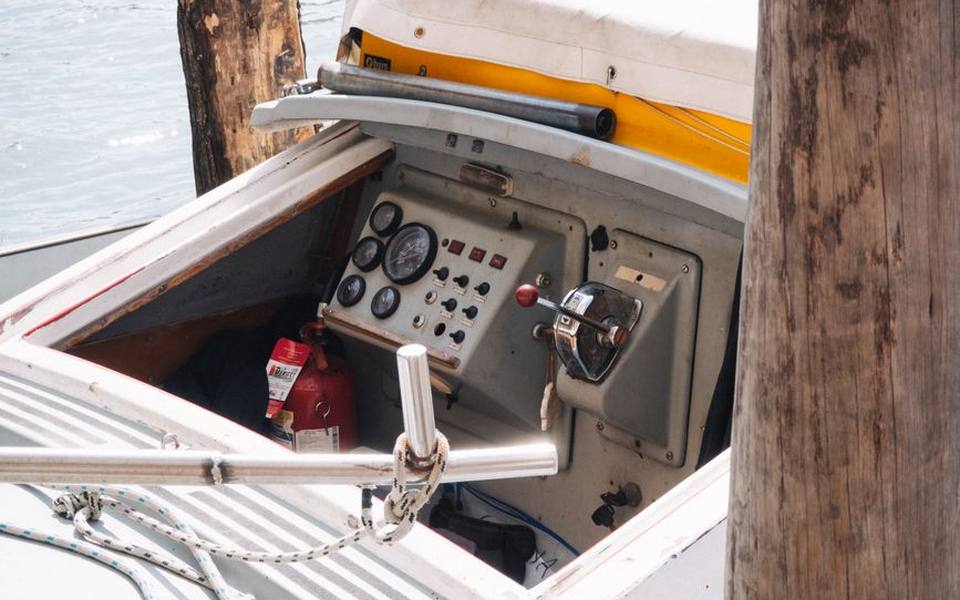
Boat Fire Extinguisher Inspection: Schedule, Checklist, and Costs
-
 Money
MoneyBoat Club Membership Costs: Initiation Fees, Monthly Dues, and Ownership Comparison
-
 Storage
Boat Winterization and Storage: Costs, Checklist, and Shrink Wrapping Guide
-
 Storage
Boat Slips and Docking Fees: How Much Does It Cost to Keep a Boat in the Water?
-
 Owning
Essential Nautical Terms and Practical Boating Knowledge: From the Helm to Harbor Life
-
 Owning
A Practical Guide to Boat Mooring: Buoys, Lines, and Technique
-
 Safety
Essential Boat Safety Gear, Marine Electronics, and Equipment Guide
-
 Service
Outboard Engine Service and Rebuild Costs: What Boat Owners Should Expect to Pay
-
 Safety
Marine Weather Forecasts and Warnings: Reading NOAA Reports and Coastal Maps
-
 Safety
Boating Safety Certification and Licensing: State Requirements and Exam Prep
-
 Service
Saltwater and Freshwater Fishing Charters: Choosing Inshore, Offshore, and Deep Sea Trips
-
 Owning
Bareboat Yacht Charters: How to Rent, Qualifications, and Cruising Preparation
-
 Owning
Holiday Boat Parades and Coastal Festivals: Viewing Guide and Schedules
-
 Buying
A Complete Guide to Buying Used Boats: Valuations, Inspections, and Registration
-
 Owning
Waterfront Dining and Dockside Restaurants: Boater's Guide to Dock and Dine
-
 Owning
Dockside Bait Systems, Live Bait Sourcing, and Fish Cleaning Station Setup
-
 Safety
Marine Fire Safety Inspection and Extinguisher Maintenance
-
 Storage
Complete Guide to Boat Winterization, Shrink Wrapping, and Storage Covers
-
 Buying
Electric Boat Motors and Trolling Systems: The Practical Conversion Guide
-
 Owning
A Practical Guide to Public Boat Launches, Kayak Ramps, and Water Access
-
 Owning
Marine Lithium Batteries vs AGM: Setup, Charging, and Performance
-
Service
Boat Fiberglass & Gelcoat Repair Guide: Fixing Cracks, Blisters & Scratches
-
Service
Marine Fuel Tank Cleaning and Rust Removal Guide
-
Safety
USCG Captain's License Guide: OUPV 6-Pack Requirements and Renewal
-
Buying
Boat Dinghies and Inflatables Guide: Types, Motors, and Selection
-
Service
Boat Towing Services and Marine Assistance Memberships Explained
-
Owning
Boat Lettering, Registration Numbers, and Custom Vinyl Decals
-
Service
Outboard Motor and Lower Unit Maintenance, Repair, and Marine Diesel Guide
-
Buying
Shallow Water Anchor Systems: Power-Pole vs. Minn Kota Talon & Raptor
-
 Service
Complete Guide to Marine Bottom Paint and Antifouling Application
-
Owning
Cruising America's Great Loop: Route Planning, Boat Choice, and Cruising Resources
-
Service
Boat and Fishing Charters: Complete Guide to Styles, Rates, and Booking
-
Buying
Personal Watercraft and Jet Ski Guide: Models, Rentals, and Buying
-
 Owning
Marine Supply Stores and Chandleries: Outfitting Your Boat
-
Safety
Marine Weather Forecasts and NOAA Wave Reports: A Practical Boater's Guide
-
Safety
USCG Boat Registration, Boater Education, and Navigational Safety Rules
-
Owning
Marine Lithium Batteries, Solar Panel Systems, and Trickle Charging Guide
-
Service
Boat Trailer Maintenance: Bearings, Replacement Kits, and Towing Prep
-
Safety
Marine VHF Radio Frequencies, Channels, and Electronics Setup
-
 Service
Complete Boat Hull Maintenance Guide: Washing, Acid Cleaners, Gelcoat Repair, and Antifouling Paint
-
Service
Fixing Inflatable Boat Leaks and Replacing Worn Bimini Top Canvas
-
Owning
Buoy Mooring Setup, Dock Lines, Cleat Hitch Knots, and Anchor Pins
-
 Owning
Boat Trim Tabs Guide: Lenco, Zipwake, Bennett, and Electric vs Hydraulic
-
Owning
Upgrading Boat Swim Platforms, Boarding Ladders, and Marine Vinyl Seating
-
Owning
Best Gifts for Boaters, Practical Marine Accessories, and Kayak Storage Racks