How Boating Club Membership Pricing Works
A boat club membership typically replaces the large capital outlay of buying a vessel with a two-part fee structure: a one-time entry fee followed by ongoing monthly dues. Instead of securing a marine loan, paying for slip space, and managing mechanical upkeep, members pay to reserve boats from an established fleet. When evaluating the overall boat club membership cost, you are primarily purchasing shared access rather than equity, which eliminates depreciation risk while shifting routine maintenance responsibilities entirely to the club operator.
The baseline formula across nearly all national and independent operations involves an initiation charge, monthly recurring billing, and the direct cost of fuel burned during each outing. In most markets, the entry tier you select dictates your access level, such as unlimited weekend reservations versus weekday-only outings. Boaters frequently discover that how much boating clubs cost over a full season depends heavily on how many times they untie from the dock, making personal usage frequency the critical deciding metric.
Beyond the primary fees, regional clubs structure their terms around local boating seasons. In warm-water regions where outings happen twelve months a year, monthly billing remains constant through all seasons. In northern climates where waterways freeze, clubs often offer adjusted off-season rates or pause monthly payments while vessels are hauled for winter storage. Understanding these baseline mechanics is essential before comparing individual club brands or evaluating private ownership alternatives.
Upfront Entry Fees and Tiered Initiation Charges
The initiation fee is almost always the single largest hurdle for new club members. Depending on the fleet quality, regional demand, and whether the club operates single or multi-location access, this one-time buy-in typically ranges from around three thousand dollars to well over eight thousand dollars. Premium locations in dense metropolitan areas or coastal hubs routinely command higher initiation rates because local marina slip availability is severely constrained.

Most operators offer tier structures based on vessel categories or booking privileges. A basic plan might restrict you to family pontoon boats or deck boats during Monday-through-Thursday hours, carrying a significantly discounted initiation price. Conversely, unlimited memberships covering offshore center consoles, cabin cruisers, and weekend peak holidays sit at the top of the pricing spectrum. When evaluating a boat club membership price, always ask whether that initiation payment is non-refundable, as virtually no major club returns entry capital if you resign.
Promotional discounts occasionally reduce these entry hurdles during local boat shows, late-season sign-ups, or family add-on campaigns. Certain clubs also offer regional transferability, allowing your initiation investment to carry over if you relocate to another state. Comparing entry fees against the standard down payment required on a newly financed boat reveals why many boaters choose clubs to minimize their upfront cash outlays.
Monthly Dues Across Seasons and Regions
Monthly dues cover operational overhead, including marina slips, comprehensive fleet insurance, scheduled engine maintenance, safety equipment, and vessel depreciation. In most coastal and lake markets, monthly dues typically range between two hundred and fifty dollars to more than six hundred dollars per month. These ongoing payments remain mandatory regardless of whether you take a vessel out five times in a given month or zero times.
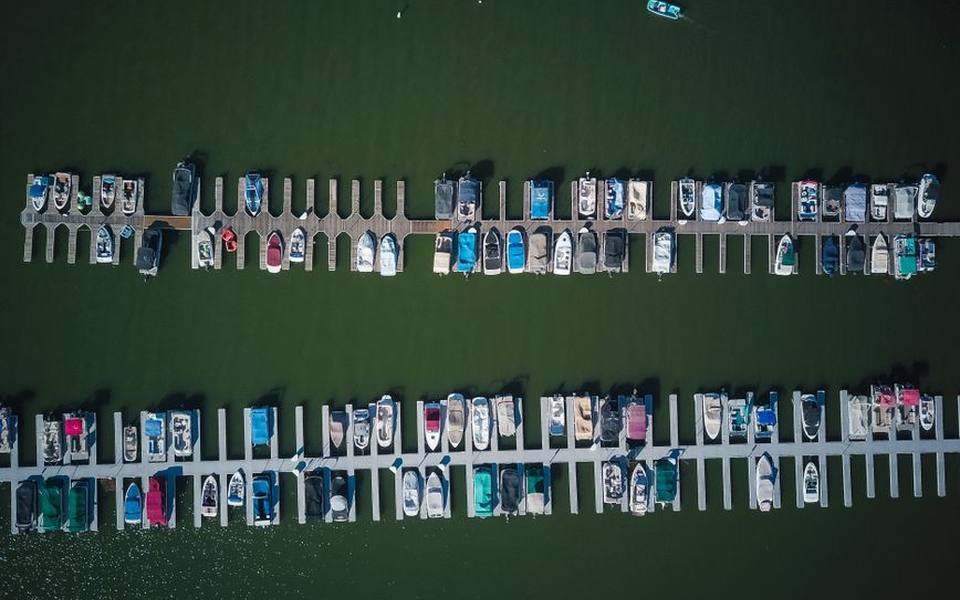
Geography plays a decisive role in what you will pay every thirty days. Year-round facilities, such as marinas in Florida, generally charge uniform monthly dues through all twelve months because fleet operations never wind down. In contrast, northern operators located along inland lakes or coastal New England frequently feature a split billing schedule, collecting regular dues during the active boating months and significantly discounted maintenance dues while boats sit wrapped in winter storage.
Commitment lengths also shape recurring expenses. The vast majority of clubs mandate an initial twelve-month contract, preventing boaters from signing up in June and terminating in August once summer concludes. After fulfilling the primary annual agreement, many clubs transition members to month-to-month terms or continuous annual renewals that require thirty to sixty days advance written notice for contract termination.
Comparing Major Club Networks and Regional Fleets
Examining specific networks illustrates how market position affects your bottom line. For example, a Freedom Boat Club membership cost generally reflects its extensive national network, where an entry fee often falling between four thousand and seven thousand dollars grants reciprocal booking privileges at hundreds of corporate and franchise marinas nationwide. That reciprocating benefit carries measurable financial value for frequent travelers who boat in varied regions throughout the year.
Other operators emphasize different fleet profiles and service models. Evaluating a Nautical Boat Club membership cost often highlights their inclusion of high-end wakeboard and surf boats paired with water toys, which appeals directly to watersports enthusiasts who want specialized ballasted craft without the heavy maintenance overhead. Meanwhile, exploring Your Boat Club membership cost trends across the Upper Midwest reveals diverse pricing models structured around local lake hubs, tiered boat classes, and distinct seasonal access packages.
Independent, single-location clubs based out of private marinas provide an alternative to large corporate networks. These standalone clubs usually set lower entry fees because they lack national reciprocity, making them cost-effective for families who boat exclusively on one specific body of water. Assessing whether you require multi-state access or simply a reliable pontoon on your local lake keeps you from paying for network perks you will never utilize.
Incidental Expenses and Out-of-Pocket Trip Costs
While monthly dues cover insurance, slips, and mechanical service, you remain responsible for certain recurring operational expenses on every trip. The primary day-to-day cost is fuel. When you conclude an outing, the dock staff checks the engine hours and fuel gauge, charging your credit card on file for the exact gallons consumed during your reservation, often at standard marina fuel dock rates.
Damage policies represent another critical financial variable that requires careful scrutiny. Every reputable club includes hull and liability insurance, but members are typically subject to an insurance deductible that can range from five hundred to several thousand dollars per incident. Minor mishaps—such as spinning a prop on a sandbar, scouring gelcoat on a rough pylon, or tearing cockpit upholstery—are frequently billed directly to the member if they fall below the formal insurance deductible threshold.
Additional incidental fees may include late return penalties, pet cleaning surcharges, or cancellation fees if you forfeit a reserved slot on short notice. When factoring these routine line items into the true cost of Freedom Boat Club or similar operations, most active boaters budget an extra seventy-five to two hundred dollars per trip to account for marine fuel and dock gratuities.
Direct Comparison: Boat Club vs. Private Ownership
Comparing a club membership against purchasing a personal boat requires accounting for the hidden holding costs that accompany a title. Buying a mid-tier center console or family runabout typically involves a significant down payment, monthly financing payments, title registration, and annual personal property taxes. On paper, loan installments alone often equal or exceed monthly club dues before factoring in a single dollar of maintenance.
Storage fees represent one of the steepest ongoing ownership expenses. Private owners must budget for wet slips, dry stack racks, or specialized trailer storage if their home community restricts recreational vehicles. Along bustling coastal waterways or at popular marinas in Texas, securing private moorage can easily surpass four hundred to eight hundred dollars monthly, an expense that club members never encounter directly.
Routine maintenance also tilts the financial equation. Traditional owners shoulder all oil changes, lower-unit lubricants, water-pump impellers, and cosmetic detailing out of pocket. For boaters who spend fewer than thirty days on the water each calendar year, joining a club almost universally provides better financial efficiency by eliminating fixed storage, off-season winterization, and mechanical repair risks.
Tow Vehicle and Trailer Maintenance Liabilities
Owning a trailered vessel introduces secondary mechanical expenses that club members completely bypass. Storing a trailer at home requires a capable tow vehicle, which experiences accelerated wear and tear on its transmission, braking components, and hydraulic systems. For example, towing heavy marine loads places tremendous thermal stress on vehicle steering and braking equipment, necessitating accelerated fluid changes and mechanical servicing.
When managing a tow vehicle, routine maintenance procedures quickly compound overall boating expenses. A standard automotive power steering fluid replacement cost typically ranges from ninety to one hundred and eighty dollars at most general repair facilities. If neglected fluid becomes oxidized or contaminated from repeated heavy towing cycles, a complete power steering fluid flush cost can easily reach one hundred and fifty to two hundred and fifty dollars depending on shop labor rates and vehicle specifications.
Trailers themselves demand consistent financial attention, including periodic wheel bearing repacking, replacement of submerged LED lighting harnesses, and new tires every three to five years. Launching at public facilities via a boat launch ramp also brings parking fees, ramp permit charges, and the time-consuming stress of navigating crowded weekend launch queues, whereas club boats sit pre-docked and waiting.
Personal Watercraft and Jet Ski Cost Trade-Offs
Boaters looking for lower entry barriers often evaluate purchasing a personal watercraft rather than joining a full-size boat club. A brand-new jet ski price typically ranges from roughly six thousand dollars for lightweight rec-lite models up to twenty thousand dollars or more for high-horsepower performance vessels with audio systems and luxury seating. Pre-owned machines lower that acquisition figure, but older two-stroke or aging four-stroke engines carry significant reliability risks.
Calculating the true jet ski cost requires factoring in specialized personal watercraft trailers, registration fees, dedicated marine insurance, and winterization supplies. While fuel consumption on smaller watercraft remains modest, personal watercraft expose riders to weather and lack the seating capacity required for family day-cruising, fishing excursions, or entertaining large groups on the water.
Certain club networks maintain small fleets of personal watercraft alongside their pontoons and bowriders, allowing members to enjoy high-speed riding without buying a machine. If your primary goal is occasional solo thrill-riding on local bays, acquiring a personal watercraft may make economic sense. However, if your recreational plans center on hosting friends or relaxing with family, a multi-boat club membership delivers vastly superior utility.
Rentals and Peer-to-Peer Charters as Lower-Commitment Options
If committing to multi-thousand-dollar initiation fees and year-long contracts feels excessive, casual day rentals provide an alternative path to the water. Choosing boat rentals on-site directly at local marinas allows you to pay purely for the hours you spend navigating, with zero ongoing obligations once the keys are handed back to the dockmaster.
Rental rates generally fluctuate based on location, seasonal demand, and vessel size, often ranging from three hundred to eight hundred dollars for a four-hour half-day or full-day pontoon reservation. For families who get out on the water only three or four times per summer, paying direct rental fees is considerably more economical than covering twelve months of membership dues plus an initiation investment.
The cross-over point between rentals and club membership typically sits around eight to ten outings per year. Boaters exceeding that threshold find that club memberships offer substantial savings per outing, higher vessel standards, superior reservation systems, and far better availability during prime holiday weekends like Memorial Day and the Fourth of July.
Regional Slip Logistics and Harbor Accessibility
Where you plan to boat has a massive impact on whether a club delivers practical value. In high-demand metropolitan waters, finding open wet slips or high-and-dry indoor rack storage is virtually impossible without years spent lingering on marina waiting lists. Boat clubs lease blocks of slips long-term, effectively granting members instant slip access in premium harbors where private boat slips simply cannot be secured at any price.
Furthermore, club fleets are strategically positioned in prime waterways near coastal inlets, navigable river channels, and inland reservoirs. Whether you are navigating tidal bays in search of transient slips for an afternoon lunch run or cruising large multi-county lake systems, having dock staff manage tying up, freshwater hull rinsing, and daily engine checks removes the most labor-intensive aspects of marine recreation.
Conversely, if your region features cheap private slips and readily accessible public docks, the value equation tilts slightly back toward owning. Always assess the physical footprint of club harbors within a reasonable driving distance from your residence before signing an agreement, as a club with only one harbor forty miles away quickly leads to underutilized memberships.
Determining If a Boat Club Fits Your Lifestyle
Deciding between a boat club and alternative boating paths ultimately hinges on how you prioritize time, financial flexibility, and customization. If your goal is hassle-free day cruising, effortless family sandbar trips, and predictable monthly leisure spending, club life delivers an exceptional return on your investment by taking routine maintenance and depreciation off your plate.
However, memberships come with real operational boundaries that do not suit every mariner. You cannot embark on spontaneous multi-day offshore journeys, install custom fishing electronics, leave personal gear aboard overnight, or modify the vessel to your personal tastes. You are bound by the reservation portal, fleet checkout guidelines, and strict evening return hours enforced by the harbor staff.
Take an honest inventory of your schedule before committing. Calculate your projected outings, evaluate your willingness to spend weekends wrenching on outboards or trailering on crowded highways, and compare the cumulative boat club membership price against full ownership liabilities. For thousands of modern boaters, the simplicity of stepping onto a clean, fueled boat and walking away at the end of the day makes the membership model worth every penny.
Published 2026-09-20 · reviewed with each rebuild, last September 2026.
Find marinas near you
The directory lists 7,143 marinas by state and city — pick your state or use the “Near me” button in the header.
More guides
-
 Safety
Boat Fire Extinguisher Inspection: Schedule, Checklist, and Costs
-
 Storage
Boat Winterization and Storage: Costs, Checklist, and Shrink Wrapping Guide
-
 Storage
Boat Slips and Docking Fees: How Much Does It Cost to Keep a Boat in the Water?
-
 Owning
Essential Nautical Terms and Practical Boating Knowledge: From the Helm to Harbor Life
-
 Owning
A Practical Guide to Boat Mooring: Buoys, Lines, and Technique
-
 Safety
Essential Boat Safety Gear, Marine Electronics, and Equipment Guide
-
 Service
Outboard Engine Service and Rebuild Costs: What Boat Owners Should Expect to Pay
-
 Safety
Marine Weather Forecasts and Warnings: Reading NOAA Reports and Coastal Maps
-
 Safety
Boating Safety Certification and Licensing: State Requirements and Exam Prep
-
 Service
Saltwater and Freshwater Fishing Charters: Choosing Inshore, Offshore, and Deep Sea Trips
-
 Owning
Bareboat Yacht Charters: How to Rent, Qualifications, and Cruising Preparation
-
 Buying
Pontoon & Tritoon Boats: Buying, Renting, Models, and Pricing Guide
-
 Owning
Holiday Boat Parades and Coastal Festivals: Viewing Guide and Schedules
-
 Buying
A Complete Guide to Buying Used Boats: Valuations, Inspections, and Registration
-
 Owning
Waterfront Dining and Dockside Restaurants: Boater's Guide to Dock and Dine
-
 Owning
Dockside Bait Systems, Live Bait Sourcing, and Fish Cleaning Station Setup
-
 Safety
Marine Fire Safety Inspection and Extinguisher Maintenance
-
 Storage
Complete Guide to Boat Winterization, Shrink Wrapping, and Storage Covers
-
 Buying
Electric Boat Motors and Trolling Systems: The Practical Conversion Guide
-
 Owning
A Practical Guide to Public Boat Launches, Kayak Ramps, and Water Access
-
 Owning
Marine Lithium Batteries vs AGM: Setup, Charging, and Performance
-
Service
Boat Fiberglass & Gelcoat Repair Guide: Fixing Cracks, Blisters & Scratches
-
Service
Marine Fuel Tank Cleaning and Rust Removal Guide
-
Safety
USCG Captain's License Guide: OUPV 6-Pack Requirements and Renewal
-
Buying
Boat Dinghies and Inflatables Guide: Types, Motors, and Selection
-
Service
Boat Towing Services and Marine Assistance Memberships Explained
-
Owning
Boat Lettering, Registration Numbers, and Custom Vinyl Decals
-
Service
Outboard Motor and Lower Unit Maintenance, Repair, and Marine Diesel Guide
-
Buying
Shallow Water Anchor Systems: Power-Pole vs. Minn Kota Talon & Raptor
-
 Service
Complete Guide to Marine Bottom Paint and Antifouling Application
-
Owning
Cruising America's Great Loop: Route Planning, Boat Choice, and Cruising Resources
-
Service
Boat and Fishing Charters: Complete Guide to Styles, Rates, and Booking
-
Buying
Personal Watercraft and Jet Ski Guide: Models, Rentals, and Buying
-
 Owning
Marine Supply Stores and Chandleries: Outfitting Your Boat
-
Safety
Marine Weather Forecasts and NOAA Wave Reports: A Practical Boater's Guide
-
Safety
USCG Boat Registration, Boater Education, and Navigational Safety Rules
-
Owning
Marine Lithium Batteries, Solar Panel Systems, and Trickle Charging Guide
-
Service
Boat Trailer Maintenance: Bearings, Replacement Kits, and Towing Prep
-
Safety
Marine VHF Radio Frequencies, Channels, and Electronics Setup
-
 Service
Complete Boat Hull Maintenance Guide: Washing, Acid Cleaners, Gelcoat Repair, and Antifouling Paint
-
Service
Fixing Inflatable Boat Leaks and Replacing Worn Bimini Top Canvas
-
Owning
Buoy Mooring Setup, Dock Lines, Cleat Hitch Knots, and Anchor Pins
-
 Owning
Boat Trim Tabs Guide: Lenco, Zipwake, Bennett, and Electric vs Hydraulic
-
Owning
Upgrading Boat Swim Platforms, Boarding Ladders, and Marine Vinyl Seating
-
Owning
Best Gifts for Boaters, Practical Marine Accessories, and Kayak Storage Racks