What routine outboard service actually costs
A standard annual outboard motor service typically costs between $250 and $500 for small to mid-range single engines, while high-horsepower outboards or multi-engine offshore configurations often run from $800 to well over $1,500 per motor. Most certified technicians base this routine work around the manufacturer-recommended 100-hour or annual maintenance schedule. This baseline service covers crankcase oil replacement, lower unit gear lube, new oil and fuel filters, fresh spark plugs, and a comprehensive inspection of fuel lines, steering links, and sacrificial zinc anodes.
Labor rates account for a significant portion of this price tag. Marine mechanics typically charge between $110 and $190 per hour, depending on the region, shop overhead, and certification level. A standard 100-hour service on an inline four-cylinder engine generally requires two to three billable hours of labor plus parts. If the shop also services the water pump impeller or runs computerized diagnostic health checks to pull running hours and fault codes, expect an additional hour of billable technician time.
Neglecting these baseline fluid and filter changes almost always leads to compounding expenses later in the season. Old lower unit gear lube can hide water intrusion caused by fishing line tangled in the prop shaft seal, which quietly destroys planetary gear sets and bearings. Routine service catches microscopic metallic shavings and emulsified milky oil early, allowing a mechanic to replace a modest twenty-dollar seal before the entire lower gear housing demands an overhaul.
The financial reality of major engine rebuilds
When an outboard suffers catastrophic mechanical failure, such as a thrown connecting rod, dropped valve, or severe cylinder scuffing from overheating, the rebuild cost typically ranges between $3,500 and $9,000. For modern, complex high-output four-stroke outboards, a complete teardown and rebuild can easily climb higher, occasionally matching the depreciated market value of the motor itself. The total expenditure depends largely on whether the internal block can be bored out and fitted with oversized pistons or if the entire powerhead assembly requires replacement.
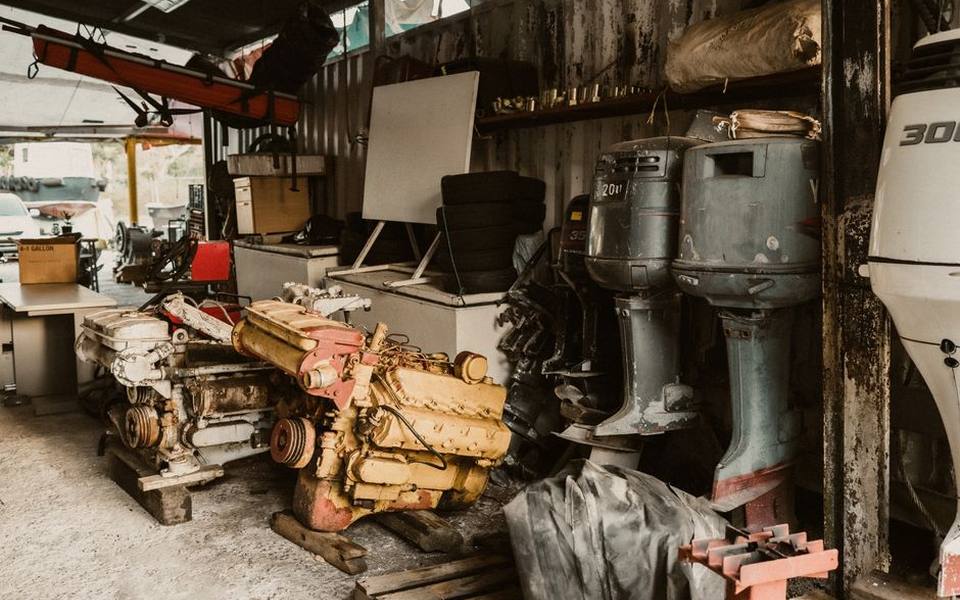
Machine shop labor makes up a substantial fraction of rebuild invoices. Cylinder boring, deck resurfacing, crankshaft polishing, and ultrasonic cleaning of fuel delivery rails cannot be performed in an open marina slip; the engine must be pulled, stripped down to bare aluminum, and sent out to specialized machinists. Once parts return, a marine tech spends ten to twenty hours reassembling the rotating assembly, setting timing chains or belts, and torquing hardware to precise factory tolerances before conducting water tank run-ins.
Before approving an extensive teardown, boat owners should weigh the cost of a factory-remanufactured dressed powerhead against a local rebuild. Remanufactured assemblies often come with nationwide limited warranties that local machine shops cannot match. If the motor is older than fifteen years, corrosion inside cooling passages or frozen mounting bolts may drive labor hours so high that repowering with a new or clean pre-owned outboard represents the sounder financial move.
Regional labor variances and shipyard logistics
Service rates are not uniform across the United States, varying widely between coastal resort centers and inland freshwater lakes. In high-demand coastal regions, such as service facilities found among marinas in Florida, shop rates frequently trend toward the top of the spectrum due to intense year-round boating schedules and severe saltwater corrosion demands. Conversely, freshwater shops in the Midwest often experience extreme seasonal compressions, where rates might be slightly lower but schedule backlogs in early spring can stretch six weeks out.
Logistical handling also affects your final invoice. If your boat is kept in a wet slip and requires mechanical work, you must budget for haul-out charges, travel-lift operation, or blocking fees if the work cannot be finished on the water. Many owners choose to transport their vessels directly using a boat launch ramp to avoid marina yard lifting surcharges, hauling the vessel on a trailer straight to an independent service facility.
Clear communication with your service writer protects you against unexpected yard expenses. Always establish a written 'not-to-exceed' cap that forbids technicians from continuing diagnostic teardowns or replacing non-essential hardware without your express approval. Ask specifically whether quoted rates include shop supplies, hazardous waste disposal fees, and consumable fluids, as these ancillary charges typically add five to ten percent to the bottom line of any repair bill.
Protecting the lower unit through proper docking technique
A surprising percentage of costly lower unit and gearcase rebuilds do not stem from internal mechanical fatigue, but from sudden impact damage during slow-speed maneuvering around slips and pilings. Striking a submerged piling brace or concrete bulkhead with the skeg can bend the prop shaft, crack the gearcase casting, and ruin internal bearing alignment. Mastering smooth, controlled vessel handling at idle speed remains the most cost-effective preventive maintenance habit an owner can develop.
Understanding basic vessel control begins with ditching the habit of using continuous forward throttle. Instead, approach docking slips using short, calculated clicks in and out of idle gear, letting wind and surface current carry the hull toward the target berth. The rudder effect of an outboard occurs strictly when water flows past the lower unit; turning the wheel prior to bumping the throttle allows the vessel to pivot neatly without carrying excess momentum into unforgiving pilings.
If you encounter crosswinds or strong crosscurrents when entering unfamiliar slips, establish secure spring lines first before shutting down your engines. For cruisers touring distant waterways and reserving overnight berths at transient slips, inspecting the dock water depth and piling protection prior to tying off ensures your skeg and propeller blades remain completely safe from bottom contact during unexpected low tide swings.
Fuel system maintenance and dockside fuel pricing
Modern fuel-injected outboards rely on precision electronic injectors and multiple high-pressure pumps that are exceptionally sensitive to contaminated gasoline. Water intrusion and phase separation caused by ethanol-blended street fuel represent the leading causes of mid-season outboard running troubles. Routine fuel filter replacements, including the low-pressure inline filter, high-pressure vapor separator tank element, and external water-separating canister, are critical service items that typically cost between $80 and $220 in parts.
Dockside fuel at waterborne fuel docks regularly carries a noticeable price premium, often running fifty cents to two dollars per gallon higher than nearby street stations. Many owners naturally search for local waterfront fuel pricing to gauge whether filling up on the water is worth the expense. While the price per gallon is higher, marina pumps almost universally dispense ethanol-free marine rec-90 gasoline, which drastically reduces internal varnish, fuel line degradation, and water absorption inside marine fuel cells.
If you must use standard road fuels to keep costs manageable, you should religiously dose your tank with marine-grade fuel stabilizers and install a ten-micron water-separating filter bracket before the engine's primary filter. Draining the vapor separator tank during routine annual winterization takes only minutes but eliminates the possibility of stale fuel gumming up internal float needles and high-pressure fuel pumps over prolonged lay-up periods.
Servicing onboard plumbing and related systems
While technicians have your boat hauled for engine maintenance, it is common practice to inspect and service auxiliary plumbing networks. Marine plumbing repair costs typically range from $150 for minor hose or seacock valve servicing to $800 or more when replacing macerator pumps, livewell circulation assemblies, or head discharge hardware. Because plumbing failures can directly compromise vessel buoyancy, inspecting every below-waterline thru-hull fitting is as critical as monitoring engine fluids.
Raw-water washdown and livewell pumps operate in harsh, moist environments where corrosion on electrical terminals and mechanical impeller wear are frequent issues. Replacing a failed livewell aerator pump cartridge usually costs under one hundred dollars in hardware and can often be completed by a handy owner in less than an hour. However, replacing cracked bronze ball valves or seized stainless seacocks demands skilled installation to guarantee leak-free operation below the water line.
Freshwater plumbing systems aboard center consoles and cabin boats require methodical seasonal attention to avoid cracked manifold blocks and split lines. Winterizing these lines by pumping non-toxic marine antifreeze through freshwater washdowns, head fixtures, and transom showers safeguards expensive fixtures against sub-freezing structural damage, saving hundreds of dollars in springtime plumbing repairs.
Upgrading marine electrical systems with lithium batteries
Modern outboard setups place heavy demands on 12-volt electrical networks, supporting high-draw multifunction displays, powerful sonar transducers, shallow-water anchors, and bow-mounted trolling motors. Many boaters are replacing traditional lead-acid or AGM banks with lithium iron phosphate (LiFePO4) power cells. While initial outlays are higher, lithium batteries provide continuous voltage output, cut battery weight by roughly sixty percent, and deliver several times the usable cycle life of lead alternatives.
For trolling motor applications, a dedicated 12V 100Ah lithium deep-cycle battery has quickly become the operational benchmark. These units provide steady thrust output across long tournament days without the severe voltage drop typical of lead-acid units under continuous load. Prices for a reliable 100Ah marine lithium battery typically range from $350 to $850, depending on internal cell quality, water resistance ratings, and whether the battery includes an integrated Bluetooth battery management system.
Integrating lithium technology with your outboard charging circuit requires care. Most modern outboards feature alternators designed around the internal resistance curves of traditional lead batteries; connecting a lithium house battery directly to an engine alternator can cause alternator overheating or prompt the battery management system to disconnect abruptly, causing voltage spikes. Installing a proper DC-to-DC charger ensures your outboard charges the lithium auxiliary bank safely without frying the motor's internal voltage regulator.
Ownership maintenance versus boat club memberships
When faced with escalating engine maintenance invoices, haul-out fees, insurance premiums, and storage charges, many prospective and current boat owners re-examine the economics of outright ownership. Entering a boat club model, where members pay a one-time initiation fee followed by ongoing monthly dues, shifts the burden of mechanical maintenance, winterization, and major engine rebuilds entirely onto the operating company.
Joining an established organization like a nationwide boat club typically entails an entry cost between $3,000 and $7,000, paired with recurring monthly fees that generally fall between $250 and $600, depending on tier level, location, and weekend reservation privileges. While these fees represent a substantial ongoing cash commitment, they effectively cap personal exposure to mechanical liability; a blown powerhead or damaged lower unit on a club vessel does not come out of your personal pocket.
For boaters who log fewer than thirty to forty hours on the water per season, membership programs or booking occasional outings through boat rentals on-site often proves significantly cheaper than shouldering annual slip fees, routine outboard service, and depreciation. Conversely, avid anglers who run offshore every weekend usually find that personal boat ownership, even with periodic mechanical repairs, yields greater scheduling freedom and vessel customization.
Preventive habits to reduce lifetime service bills
The single most effective way to keep your outboard service costs predictable is adopting a rigorous post-trip maintenance routine. Saltwater and brackish mineral buildup inside cooling jackets will quietly ruin cylinder heads and corrode thermostats long before mechanical components wear out. Flushing your engine with fresh water for ten to fifteen minutes after every single outing dissolves crusty salt rings and preserves the rubber blades of your water pump impeller.
Visual inspections performed while washing down the boat take seconds but head off massive service bills. Checking the propeller hub for wrapped monofilament fishing line prevents damaged shaft seals that let water corrupt the gearcase. Similarly, monitoring the sacrificial zinc anodes bolted to the transom bracket and lower unit ensures that stray electrical current attacks cheap, replaceable metal rather than your engine's aluminum drive housing.
Keep a detailed service log documenting every hour milestone, oil change, spark plug replacement, and lower unit fluid refresh. When the time comes to sell or trade in the motor, a comprehensive maintenance binder gives buyers confidence, commands top dollar on the used market, and demonstrates that the outboard was maintained professionally throughout its operational lifespan.
How to schedule and manage a service visit
Approaching a marine service department requires clear preparation to get accurate quotes and prompt turnarounds. When calling to book your service, have your engine's exact model number, serial number, and estimated running hours ready. Standard outboards receive regular engineering updates across model years, and mechanics need precise serial designations to order correct gaskets, water pump kits, and software updates before your boat arrives on the yard lot.
Document specific mechanical symptoms rather than attempting to diagnose the failure yourself. Tell the service technician exactly when a symptom occurs—such as a stumbling idle only after the engine warms up, or a high-rpm vibration under heavy acceleration—rather than asking them to replace a specific sensor. This direct observational information saves hours of expensive diagnostic troubleshooting time and prevents unnecessary parts swapping.
Finally, review your completed invoice line by line alongside the technician prior to towing away your vessel. Ask to see the old spark plugs, fuel filters, or replaced impellers; reputable marine mechanics gladly display worn components to show the owner what failed and explain why replacement was necessary. Taking this collaborative approach builds a trusting relationship with your local service shop, ensuring better support whenever urgent mechanical problems arise.
Published 2026-09-20 · reviewed with each rebuild, last September 2026.
Find marinas near you
The directory lists 7,143 marinas by state and city — pick your state or use the “Near me” button in the header.
More guides
-
 Safety
Boat Fire Extinguisher Inspection: Schedule, Checklist, and Costs
-
 Money
MoneyBoat Club Membership Costs: Initiation Fees, Monthly Dues, and Ownership Comparison
-
 Storage
Boat Winterization and Storage: Costs, Checklist, and Shrink Wrapping Guide
-
 Storage
Boat Slips and Docking Fees: How Much Does It Cost to Keep a Boat in the Water?
-
 Owning
Essential Nautical Terms and Practical Boating Knowledge: From the Helm to Harbor Life
-
 Owning
A Practical Guide to Boat Mooring: Buoys, Lines, and Technique
-
 Safety
Essential Boat Safety Gear, Marine Electronics, and Equipment Guide
-
 Safety
Marine Weather Forecasts and Warnings: Reading NOAA Reports and Coastal Maps
-
 Safety
Boating Safety Certification and Licensing: State Requirements and Exam Prep
-
 Service
Saltwater and Freshwater Fishing Charters: Choosing Inshore, Offshore, and Deep Sea Trips
-
 Owning
Bareboat Yacht Charters: How to Rent, Qualifications, and Cruising Preparation
-
 Buying
Pontoon & Tritoon Boats: Buying, Renting, Models, and Pricing Guide
-
 Owning
Holiday Boat Parades and Coastal Festivals: Viewing Guide and Schedules
-
 Buying
A Complete Guide to Buying Used Boats: Valuations, Inspections, and Registration
-
 Owning
Waterfront Dining and Dockside Restaurants: Boater's Guide to Dock and Dine
-
 Owning
Dockside Bait Systems, Live Bait Sourcing, and Fish Cleaning Station Setup
-
 Safety
Marine Fire Safety Inspection and Extinguisher Maintenance
-
 Storage
Complete Guide to Boat Winterization, Shrink Wrapping, and Storage Covers
-
 Buying
Electric Boat Motors and Trolling Systems: The Practical Conversion Guide
-
 Owning
A Practical Guide to Public Boat Launches, Kayak Ramps, and Water Access
-
 Owning
Marine Lithium Batteries vs AGM: Setup, Charging, and Performance
-
Service
Boat Fiberglass & Gelcoat Repair Guide: Fixing Cracks, Blisters & Scratches
-
Service
Marine Fuel Tank Cleaning and Rust Removal Guide
-
Safety
USCG Captain's License Guide: OUPV 6-Pack Requirements and Renewal
-
Buying
Boat Dinghies and Inflatables Guide: Types, Motors, and Selection
-
Service
Boat Towing Services and Marine Assistance Memberships Explained
-
Owning
Boat Lettering, Registration Numbers, and Custom Vinyl Decals
-
Service
Outboard Motor and Lower Unit Maintenance, Repair, and Marine Diesel Guide
-
Buying
Shallow Water Anchor Systems: Power-Pole vs. Minn Kota Talon & Raptor
-
 Service
Complete Guide to Marine Bottom Paint and Antifouling Application
-
Owning
Cruising America's Great Loop: Route Planning, Boat Choice, and Cruising Resources
-
Service
Boat and Fishing Charters: Complete Guide to Styles, Rates, and Booking
-
Buying
Personal Watercraft and Jet Ski Guide: Models, Rentals, and Buying
-
 Owning
Marine Supply Stores and Chandleries: Outfitting Your Boat
-
Safety
Marine Weather Forecasts and NOAA Wave Reports: A Practical Boater's Guide
-
Safety
USCG Boat Registration, Boater Education, and Navigational Safety Rules
-
Owning
Marine Lithium Batteries, Solar Panel Systems, and Trickle Charging Guide
-
Service
Boat Trailer Maintenance: Bearings, Replacement Kits, and Towing Prep
-
Safety
Marine VHF Radio Frequencies, Channels, and Electronics Setup
-
 Service
Complete Boat Hull Maintenance Guide: Washing, Acid Cleaners, Gelcoat Repair, and Antifouling Paint
-
Service
Fixing Inflatable Boat Leaks and Replacing Worn Bimini Top Canvas
-
Owning
Buoy Mooring Setup, Dock Lines, Cleat Hitch Knots, and Anchor Pins
-
 Owning
Boat Trim Tabs Guide: Lenco, Zipwake, Bennett, and Electric vs Hydraulic
-
Owning
Upgrading Boat Swim Platforms, Boarding Ladders, and Marine Vinyl Seating
-
Owning
Best Gifts for Boaters, Practical Marine Accessories, and Kayak Storage Racks