Sourcing Live Bait Near Your Launch Point
Finding reliable bait before dawn is often the most critical hurdle of a fishing morning. While inland anglers might rely on gas station coolers, coastal and big-water boaters need healthy, lively forage suited to target species. Checking marina directories and water access guides can quickly point you to a dedicated live fish bait store situated along your route, eliminating tedious detours. Many harbors operate dedicated bait docks where you can pull your boat straight alongside a slip to buy live shrimp, minnows, or bunker without trailering back and forth.
When scouting for where to buy live bait closest to me, paying attention to local delivery schedules pays dividends. Independent bait shops receive fresh shipments on specific days of the week, often timed right ahead of busy tournament weekends. Calling ahead or asking harbor staff lets you confirm whether incoming tanker trucks have delivered fresh stock or if current inventories are running low. Nothing ruins an offshore trip faster than arriving at sunrise only to discover the local holding pens ran dry the night before.
Quality varies significantly between roadside storefronts and waterfront operations. Dedicated bait dealers who pump clean harbor or river water through their systems usually offer hardier fish than shops holding stock in static, treated municipal tap water. If you frequent a public marina or a boat launch ramp, verify whether the local tackle shack maintains floating pen systems or dockside flow-through wells, as these environments acclimate the forage to ambient water chemistry long before you hook them.
Round-the-Clock Access and After-Hours Bait Procurement
Tides and feeding windows rarely align with standard retail business hours. When launching at three in the morning for a tournament run, traditional bait houses will almost certainly have their doors locked. To solve this problem, a growing number of fishing hubs now feature 24 hours live bait and tackle setups. These solutions range from automated, climate-controlled vending machines stocking worms and nightcrawlers to after-hours marina lockboxes where slipholders can collect pre-ordered aerated buckets using a keycode or pad combination.
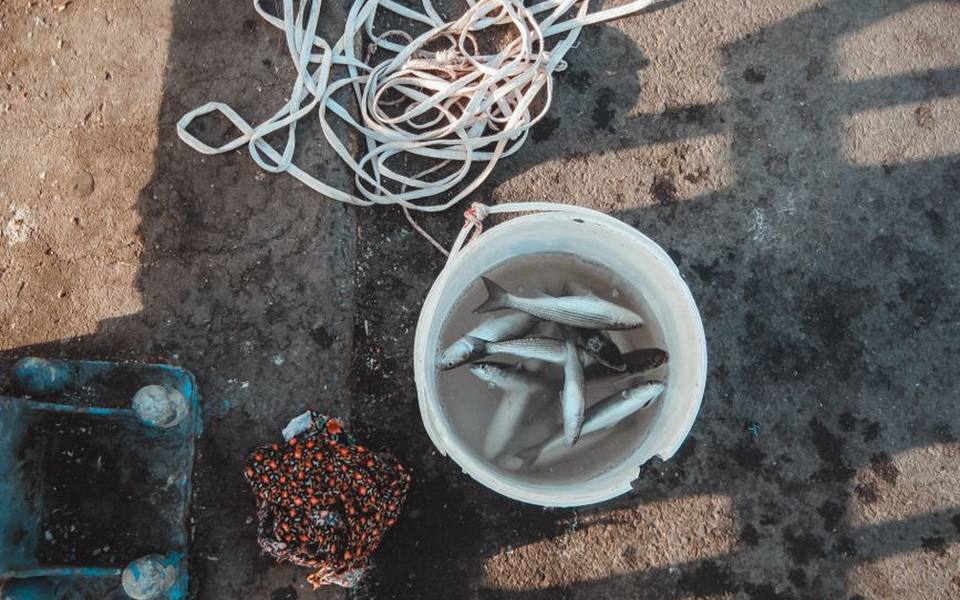
In major angling regions like the Gulf Coast or the Atlantic bays, select commercial shacks maintain round-the-clock walk-up windows during peak runs. Anglers traveling through Marinas in Florida frequently encounter waterfront shacks with live shrimp tanks running continuously under staff supervision. Knowing which ports support non-stop bait operations saves valuable daylight and keeps you from scrambling for frozen alternatives when the target species demands lively, kicking baitfish.
If your immediate port lacks 24-hour service, establishing a relationship with dockmasters or local bait runners is the best workaround. Many private bait suppliers will bag and oxygenate forage the evening before if you give adequate notice. By keeping those sealed, oxygen-injected bags in a chilled, shaded cooler overnight, you can maintain near-perfect bait survival rates until you untie lines in the predawn darkness.
Handling Live Forage with Dip Nets and Proper Transfer Gear
Keeping bait alive starts the moment forage leaves the retail holding vat. Rough handling, dropped fish, and dry hands strip off protective slime coats, inviting rapid bacterial infection and stress that causes bait to roll over in your boat well. Selecting a soft, rubber-coated or knotless dip net live bait and tackle setup ensures you can scoop bait without scraping away vital scales or splitting fragile tails during daily dock transfers.
Mesh size on your dip net must match your target species. Coarse nylon netting works fine for hard-scaled species like pinfish or croakers, but fragile schooling bait such as menhaden, pilchards, or anchovies require knotless micro-mesh. When netting bait from a dock pen, avoid lifting dozens of fish at once. Scooping small quantities minimizes crushing forces and prevents panic runs against the perimeter of the holding tank, preserving their energy for your fishing spread.
Water-to-water transfers represent the gold standard for bait longevity. Rather than scooping bait high into the air and dropping it into your onboard livewell, use a transfer bucket with water or dip the rim of your net beneath the surface of both containers. Minimizing the time bait spends exposed to open air prevents respiratory shock, particularly in warm summer months when atmospheric oxygen quickly dries sensitive gill filaments.
Plumbing Dockside Bait Tanks for Long-Term Storage
Slipholders who fish several days a week often install dedicated dockside bait tanks rather than relying on daily commercial purchases. A proper shore-based system requires a continuous raw-water pump or an efficient recirculating loop with robust mechanical and biological filtration. Drawing clean water from deep below the dock surface keeps holding temperatures stable and pulls dissolved oxygen directly from the surrounding natural water body, mimicking open-water habitats.
Flow dynamics inside the tank determine survival rates just as much as water volume. Cylindrical or oval tanks prevent bait from crowding into sharp corners where fish naturally bunch up, suffocate, and bruise their noses. Directing the incoming water nozzle along the tank wall creates a gentle circular current. Pelagic baitfish instinctively orient into this flow, swimming smoothly in place rather than exhausting themselves by bumping erratically against the tank walls.
Plumbing must also account for waste removal and water overflow. A bottom-draining standpipe pulls ammonia-heavy fish waste and settled detritus off the tank floor while maintaining a constant water level near the top rim. If you keep a boat at private slips or book transient slips for extended coastal stops, check dock utility rules, as some facilities restrict continuous raw-water pumping to prevent electrical overload and dockside runoff.
Managing Water Quality, Temperature, and Aeration
Dissolved oxygen levels can plummet rapidly in stationary tanks, especially during midsummer heat waves. Warm water holds significantly less dissolved gas than cold water, while the metabolic rate of held fish increases simultaneously. Installing a marine-grade aeration stone powered by a high-output diaphragm air pump prevents sudden die-offs. In areas like Marinas in Texas, summer sun can turn shallow marina basins into hot pools, requiring shaded tank covers and auxiliary oxygen diffusers to keep bait lively.
Salinity and runoff shifts present another hidden danger for dockside holding pens. Heavy inland rainfall can dump millions of gallons of freshwater into tidal estuaries, dropping salinity levels overnight. Forage species like mullet or killifish handle brackish swings easily, but offshore bait such as goggle-eyes or greenies die quickly in low-salinity runoff. Monitoring specific gravity with a simple refractometer helps you decide whether to run flow-through pumps or isolate the tank on recirculating saltwater.
Ammonia buildup from concentrated waste is the silent killer in closed dockside systems. Even with good aeration, uncycled biological filters cannot convert fish waste rapidly enough if tanks are overcrowded. A reliable guideline is to keep no more than one pound of forage per five to ten gallons of water in closed setups. Regular partial water exchanges using clean harbor water collected at high slack tide keep water parameters safe without shocking the fish.
Essential Features of a Functional Fish Cleaning Station
A well-planned fish cleaning station turns an exhausting end-of-trip chore into an efficient, hygienic routine. Whether at a private dock or a busy municipal marina, the best setups provide continuous high-pressure washdown water, dedicated drainage, rigid work surfaces, and adequate overhead lighting. Anglers returning after twilight require marine-grade LED floodlights positioned directly above the cutting zone to ensure safe filleting and prevent accidental slips with sharp boning knives.
Freshwater availability is non-negotiable for stations handling coastal catches. While raw saltwater works well for initial slime removal and board rinsing, rinsing fillets in clean municipal water—or packing them dry on ice without tap water contact—requires dependable hose connections. A spring-loaded spray nozzle prevents wasted water and keeps hoses off the wet dock boards where they can become dangerous tripping hazards for passing crew members.
Station placement along the dock walkway must balance accessibility with cleanliness. Locating the cutting area near deep, free-flowing water ensures that washed slime and scales disperse naturally rather than collecting in stagnant shallows. Facilities offering boat rentals on-site often place cleaning stations near fuel piers or boat wash pads, allowing returning renters to process fish without crowding transient slip walkways or launch lanes.
Choosing the Right Fish Cleaning Table and Work Surface
The centerpiece of any cleaning pad is the fishing cleaning table itself. Work surfaces generally come in three distinct materials: high-density polyethylene, marine-grade stainless steel, and poured concrete. Commercial dock operations often prefer heavy concrete for permanence, but high-density polyethylene, frequently referred to in the marine industry as King Starboard, provides the ideal knife-friendly surface for dockside filleting without dulling precision blades.
A well-built fish cleaning table features thoughtful ergonomic details that save your back during long cleaning sessions. Tables should stand at a comfortable waist height, typically between 36 and 40 inches above the dock planking. Flat perimeters with routed juice grooves direct blood and slime toward a single collection corner or integrated drain trough, preventing oily waste from pooling around your arms or spilling down the table legs onto your boat shoes.
Portability versus permanent mounting depends on your dock arrangement. Private slipholders who rent dock space often opt for clamp-on tables that attach directly to dock pilings or standard rod holders. These compact units can be removed and stowed when tropical storms threaten the coast. For permanent dock installations, heavy-gauge anodized aluminum or 316 stainless steel legs bolted through structural stringers withstand severe wake action and corrosive salt spray year after year.
Responsible Carcass Disposal and Environmental Guidelines
Handling fish scrap responsibly protects marina water quality and deters aggressive wildlife. In closed marina basins with low tidal exchange, dumping whole carcasses off the dock creates decomposing piles that deplete benthic oxygen, release sulfurous odors, and attract sharks, pelicans, or alligators. Modern stations frequently feature integrated disposal chutes that drop waste directly into submerged grinder units, processing scraps into fine chum that disperses harmlessly on outward tides.
Where mechanical macerators are absent, marinas usually provide sealed, heavy-duty trash receptacles marked specifically for fish scraps. These containers are hauled away daily to commercial composting sites or landfills. When cleaning fish at remote boat ramps lacking disposal bins, state conservation laws typically require anglers to transport intact carcasses home in coolers or discard them in deep offshore waters well away from public swimming beaches and navigation channels.
Local environmental regulations vary significantly across regional waterways. Some state wildlife agencies enforce strict rules prohibiting dockside dumping of game fish remains to combat scavenger congregation at public access ramps. Understanding your local harbor rules prevents steep environmental fines and preserves safe, pleasant dock conditions for fellow boaters sharing the water.
Station Hygiene, Sanitation, and Cutting Board Upkeep
Neglected cleaning tables quickly turn rancid under direct sunlight, harboring harmful bacteria that ruin prime fillets. Proper sanitation begins before you make your first cut: thoroughly rinse the board with fresh water to dislodge bird droppings and harbor dust. Once your fish are processed and bagged, immediately scrub the entire surface using a stiff bristle brush and biodegradable marine soap to break down stubborn fish oils and protein films.
Periodic deep sanitization prevents stains and microbial buildup inside deep knife cuts. While polyethylene boards resist moisture absorption, years of heavy filleting produce micro-grooves where bacteria can thrive. Applying a diluted solution of non-chlorine sanitizing rinse or food-grade hydrogen peroxide neutralizes odors without leaving toxic residues that could taint tomorrow's fresh catch. Avoid using harsh pool chlorine or toxic solvents that can run into the marina basin.
Restoring heavily scored boards is straightforward with basic workshop tools. When polyethylene cutting boards become deeply scarred from serrated knives and cleavers, you do not need to replace the entire table. Running a handheld power planer or orbital sander over the tabletop shaves off the top layer of damaged polymer, leaving a silky smooth, sterile work surface that resists fish slime and cleans up like new for another busy season.
Integrating Bait Staging and Fish Processing into Marina Life
Organizing your dock space for fishing efficiency makes every voyage more enjoyable from departure to washdown. When live bait storage, landing nets, tackle rigging areas, and cleaning stations work in harmony, you spend less time hunting for equipment and more time on the water. Boaters who plan their slip setups thoughtfully can pull up to their berths, transfer leftover live bait into aerated holding tanks, process the day's catch, and hose down their gear in one fluid sequence.
Marina etiquette plays a major role in keeping shared fishing amenities open and operational. Public cleaning tables and marina bait stations survive only when every user cleans up thoroughly after themselves. Taking the extra five minutes to scrape scale residue off the table, coil the washdown hose neatly on its hanger, and double-bag filleted carcasses keeps dock neighbors happy and preserves public facilities for the next angling crew arriving at the launch.
Whether you are setting up a private dock or navigating access points across marinas nationwide, prioritizing water flow, sanitation, and durable materials pays off every time you head offshore. Reliable bait keeps your hooks baited with the liveliest forage possible, while a clean, ergonomic filleting setup ensures the table fare you bring home is handled with the culinary respect it deserves.
Published 2026-09-21 · reviewed with each rebuild, last September 2026.
Find marinas near you
The directory lists 7,143 marinas by state and city — pick your state or use the “Near me” button in the header.
More guides
-
 Safety
Boat Fire Extinguisher Inspection: Schedule, Checklist, and Costs
-
 Money
MoneyBoat Club Membership Costs: Initiation Fees, Monthly Dues, and Ownership Comparison
-
 Storage
Boat Winterization and Storage: Costs, Checklist, and Shrink Wrapping Guide
-
 Storage
Boat Slips and Docking Fees: How Much Does It Cost to Keep a Boat in the Water?
-
 Owning
Essential Nautical Terms and Practical Boating Knowledge: From the Helm to Harbor Life
-
 Owning
A Practical Guide to Boat Mooring: Buoys, Lines, and Technique
-
 Safety
Essential Boat Safety Gear, Marine Electronics, and Equipment Guide
-
 Service
Outboard Engine Service and Rebuild Costs: What Boat Owners Should Expect to Pay
-
 Safety
Marine Weather Forecasts and Warnings: Reading NOAA Reports and Coastal Maps
-
 Safety
Boating Safety Certification and Licensing: State Requirements and Exam Prep
-
 Service
Saltwater and Freshwater Fishing Charters: Choosing Inshore, Offshore, and Deep Sea Trips
-
 Owning
Bareboat Yacht Charters: How to Rent, Qualifications, and Cruising Preparation
-
 Buying
Pontoon & Tritoon Boats: Buying, Renting, Models, and Pricing Guide
-
 Owning
Holiday Boat Parades and Coastal Festivals: Viewing Guide and Schedules
-
 Buying
A Complete Guide to Buying Used Boats: Valuations, Inspections, and Registration
-
 Owning
Waterfront Dining and Dockside Restaurants: Boater's Guide to Dock and Dine
-
 Safety
Marine Fire Safety Inspection and Extinguisher Maintenance
-
 Storage
Complete Guide to Boat Winterization, Shrink Wrapping, and Storage Covers
-
 Buying
Electric Boat Motors and Trolling Systems: The Practical Conversion Guide
-
 Owning
A Practical Guide to Public Boat Launches, Kayak Ramps, and Water Access
-
 Owning
Marine Lithium Batteries vs AGM: Setup, Charging, and Performance
-
Service
Boat Fiberglass & Gelcoat Repair Guide: Fixing Cracks, Blisters & Scratches
-
Service
Marine Fuel Tank Cleaning and Rust Removal Guide
-
Safety
USCG Captain's License Guide: OUPV 6-Pack Requirements and Renewal
-
Buying
Boat Dinghies and Inflatables Guide: Types, Motors, and Selection
-
Service
Boat Towing Services and Marine Assistance Memberships Explained
-
Owning
Boat Lettering, Registration Numbers, and Custom Vinyl Decals
-
Service
Outboard Motor and Lower Unit Maintenance, Repair, and Marine Diesel Guide
-
Buying
Shallow Water Anchor Systems: Power-Pole vs. Minn Kota Talon & Raptor
-
 Service
Complete Guide to Marine Bottom Paint and Antifouling Application
-
Owning
Cruising America's Great Loop: Route Planning, Boat Choice, and Cruising Resources
-
Service
Boat and Fishing Charters: Complete Guide to Styles, Rates, and Booking
-
Buying
Personal Watercraft and Jet Ski Guide: Models, Rentals, and Buying
-
 Owning
Marine Supply Stores and Chandleries: Outfitting Your Boat
-
Safety
Marine Weather Forecasts and NOAA Wave Reports: A Practical Boater's Guide
-
Safety
USCG Boat Registration, Boater Education, and Navigational Safety Rules
-
Owning
Marine Lithium Batteries, Solar Panel Systems, and Trickle Charging Guide
-
Service
Boat Trailer Maintenance: Bearings, Replacement Kits, and Towing Prep
-
Safety
Marine VHF Radio Frequencies, Channels, and Electronics Setup
-
 Service
Complete Boat Hull Maintenance Guide: Washing, Acid Cleaners, Gelcoat Repair, and Antifouling Paint
-
Service
Fixing Inflatable Boat Leaks and Replacing Worn Bimini Top Canvas
-
Owning
Buoy Mooring Setup, Dock Lines, Cleat Hitch Knots, and Anchor Pins
-
 Owning
Boat Trim Tabs Guide: Lenco, Zipwake, Bennett, and Electric vs Hydraulic
-
Owning
Upgrading Boat Swim Platforms, Boarding Ladders, and Marine Vinyl Seating
-
Owning
Best Gifts for Boaters, Practical Marine Accessories, and Kayak Storage Racks