Understanding Boat Slips and Wet Storage Options
Keeping a boat in the water typically costs between several hundred and several thousand dollars per season, depending heavily on vessel length, geographical region, and marina amenities. A boat slip is an assigned parking space on the water, bounded on two or three sides by finger piers, pilings, or catwalks. Unlike an open dock wall where boats tie up parallel in a single row, a designated slip allows secure mooring from multiple angles, preventing wave surges from tossing your vessel against neighboring hulls.
Boat slips generally come in two primary configurations: open slips and covered slips. Open slips expose your deck and canvas directly to the elements, while covered slips feature a roof overhead that shields gelcoat, vinyl seats, and helm electronics from intense sun and rainfall. Covered wet storage typically commands a substantial premium over open berths and is especially popular along freshwater inland lakes, rivers, and southern waterways where ultraviolet exposure degrades materials quickly.
When choosing between wet slips and dry rack storage, wet docking provides instant water access without the hassle of scheduling fork-truck splash times or waiting in queue at public ramps. However, keeping a vessel submerged continuously introduces ongoing hull maintenance concerns, underwater growth risks, and the need for regular mechanical inspections that trailer boaters rarely have to manage on a monthly basis.
How Slip Pricing and Docking Calculations Work
Marina slip fees are almost universally billed on a per-foot basis, calculated either by the overall length of the vessel (LOA) or the length of the slip itself, whichever is greater. Length overall typically includes bow pulpits, anchor rollers, outboard brackets, swim platforms, and dinghy davits. If your boat is registered as twenty-six feet long but extends to thirty feet with an anchor and twin outboards tilted up, most dockmasters will bill you for thirty feet of dock space.
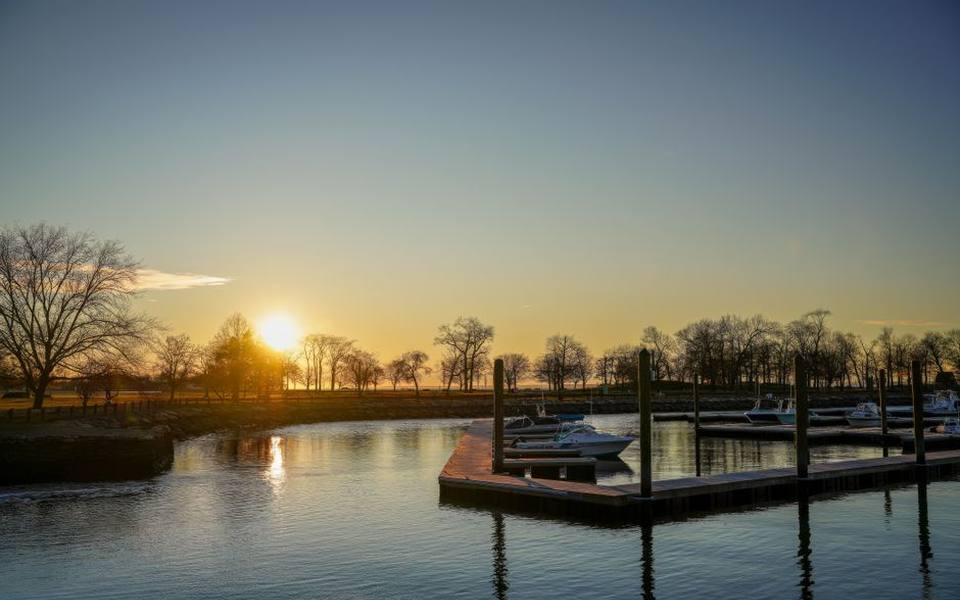
Annual and seasonal slip rates vary considerably across different bodies of water. In quiet inland reservoirs or small coastal creeks, a standard slip might cost around fifty to eighty dollars per foot annually, whereas popular coastal harbors or premier resort basins can easily exceed two hundred to four hundred dollars per foot. A typical thirty-foot cruiser might cost between two thousand dollars a year in a modest municipal basin and over ten thousand dollars annually in an upscale private yacht club.
Billing cycles depend on your local climate and whether boating is year-round or seasonal. In northern regions, slips are usually contracted for a six-month summer season running from May through October, after which vessels must be hauled out for winter storage. In warmer southern latitudes, marinas typically favor twelve-month annual agreements billed either upfront, biannually, or through recurring monthly marina drafts.
Short-Term Mooring and Transient Slip Costs
Boaters traveling between ports or planning weekend getaways frequently rely on temporary docking rather than long-term slip contracts. Across popular cruising corridors, marinas maintain dedicated spaces for visiting vessels, commonly known as transient slips, which can be reserved for single nights, extended holiday weekends, or several weeks at a time without requiring an annual commitment.
Daily transient rates typically range from two to six dollars per foot per night, depending on the marina location, peak holiday demand, and available shore amenities. A forty-foot yacht stopping overnight in an urban downtown harbor might pay between one hundred twenty and two hundred forty dollars per night, often with an added utility fee for shore power hookups. During major events or regattas, transient docking prices can surge or require multi-night minimum bookings.
Weekly and monthly transient docking provides a more economical compromise for cruising families or seasonal visitors testing out a new waterway. Monthly rates are typically discounted compared to day-by-day accumulation, often working out to thirty to seventy dollars per foot per month. Booking transient slips well in advance is essential during midsummer holidays like Memorial Day and the Fourth of July, as popular cruising harbors fill up weeks ahead.
Regional Differences in Slip Rental Rates Across the Country
Geographic demand plays the single largest role in what you will pay for water storage. High-density maritime hubs like the Long Island Sound, Southern California, and South Florida feature long waiting lists where prime slips rarely sit vacant for long. In coastal markets such as marinas in California, slips in well-sheltered harbors often require years on a waitlist and command premium rental rates that reflect high coastal property values and year-round cruising weather.
In contrast, boater-heavy southern hubs like marinas in Florida feature extensive marine infrastructure with hundreds of facilities, though pricing swings wildly between quiet inland canals and bustling coastal intracoastal hubs. While rural river slips in the Panhandle might remain relatively affordable, berths along Miami, Fort Lauderdale, or Naples can reach astonishing monthly figures due to intense competition from superyachts and sportfishing fleets.
Freshwater lakes in the Midwest, Appalachia, and the Great Lakes offer very different pricing structures. Great Lakes marinas deal with strict seasonal restrictions, freezing ice shelves, and spring haul-out schedules, which compresses annual slip revenue into four to five active boating months. In these regions, municipal harbors often balance out expensive private resort docks, providing residents with fair lottery systems for well-maintained public docks.
Hull Protection and Bottom Painting Expenses
Leaving a boat in the water permanently requires protecting the fiberglass bottom from invasive biological growth. Without protection, barnacles, tube worms, algae, and slime adhere to the gelcoat within weeks, severely degrading fuel economy, reducing top speed, and causing permanent cosmetic blister damage. Applying marine bottom paint, or antifouling paint, is a mandatory recurring cost for nearly any vessel kept in a wet slip.
The overall boat bottom painting cost typically depends on boat length, beam width, and the current condition of the hull. Professional yards usually charge between twenty-five and fifty dollars per foot for standard haul-out, pressure washing, light sanding, and applying two coats of ablative or hard antifouling paint. For a twenty-eight-foot boat, owners can typically expect to spend between eight hundred and fifteen hundred dollars every one to two seasons.
If an older hull suffers from heavy paint buildup, cracking, or osmotic gelcoat blisters, the boat bottom paint cost rises dramatically. Stripping old layers down to bare fiberglass via soda blasting or chemical peel, applying an epoxy barrier coat, and laying down fresh primer can easily push the project past seventy to one hundred dollars per foot. While expensive upfront, a proper epoxy barrier seal protects the hull structure from water intrusion for years.
Cosmetic Care: Detailing and Ceramic Coating
In-water storage exposes your boat to harsh sunlight, bird droppings, acid rain, and dock grime around the clock. Maintaining gelcoat and topside vinyl requires regular professional cleaning or hours of manual elbow grease. When researching boat detailing prices near me, most boaters find that basic wash and wax packages typically start around fifteen to twenty-five dollars per foot, while multi-stage compound buffing to restore oxidized, chalky gelcoat can reach forty to sixty dollars per foot.
For owners looking to minimize continuous waxing, modern marine coatings offer an advanced protective layer. The typical boat ceramic coating cost ranges from sixty to one hundred twenty dollars per foot, depending on the paint or gelcoat surface correction needed before application. Because ceramic coatings bond chemically with the gelcoat pores, the surface must be meticulously compounded and polished beforehand to eliminate scratches and swirl marks.
A professionally installed ceramic application creates a hydrophobic barrier that repels water spots, saltwater scum lines, and diesel soot around the transom. While the initial investment for a thirty-foot boat might reach two thousand to four thousand dollars, the slick finish dramatically reduces wash-down times and eliminates the need for quarterly paste wax applications for two to three seasons.
Running Gear Maintenance and Propeller Repairs
Wet-slipped vessels are prone to underwater hazards around docks, including submerged mooring chains, stray floating timber, and shallow basin silt during exceptionally low tides. Striking debris or grounding in a shallow slip can bend blades, shear drive pins, or compromise the driveshaft. Addressing running gear damage promptly prevents engine vibration that ruins cutlass bearings and transmission seals.
A typical boat prop repair cost depends largely on propeller material, diameter, and blade count. Repairing a standard three-blade aluminum outboard or sterndrive prop typically runs between eighty and one hundred fifty dollars to straighten bent blades, weld nicked edges, and balance the pitch. Stainless steel propellers require specialized hydraulic presses and heat treatment, pushing typical repair charges to one hundred seventy-five to three hundred fifty dollars per wheel.
Beyond propeller tuning, wet storage demands constant monitoring of sacrificial zinc anodes attached to outdrives, rudders, and trim tabs. Stray electrical currents in crowded marinas can cause rapid galvanic corrosion, eating through underwater metal components in months if zincs are depleted. Replacing zincs annually during spring haul-out or paying a marina diver thirty to fifty dollars per month to clean the running gear and inspect anodes is cheap insurance.
Comparing Slip Rentals to Boat Club Memberships
Many aspiring mariners weigh the long-term commitment of leasing a wet slip against joining a fractional boat club. When calculating total boat club cost, members typically pay a one-time initiation fee ranging roughly from three thousand to eight thousand dollars, followed by recurring monthly membership dues between two hundred fifty and six hundred dollars, depending on vessel tiers and weekend reservation privileges.
At first glance, club dues might seem comparable to standard slip rental fees, but the club model eliminates insurance premiums, winterization bills, bottom painting, engine servicing, and depreciation. For boaters who only spend ten to twenty days on the water each summer, club memberships often represent substantial financial savings compared to the total carrying cost of private hull ownership combined with dock fees.
Conversely, boat clubs come with notable restrictions, including reservation blackout dates, strict return hours, and limits on overnight voyages. If you enjoy spur-of-the-moment sunset cruises, keeping your personal gear onboard, or customizing your helm setup, having your own vessel berthed in an assigned slip provides unmatched freedom that shared fleets cannot replicate, though some owners simply bridge the gap by utilizing boat rentals on-site during peak holiday weekends.
Trailer Storage and Ramp Launches as Alternatives
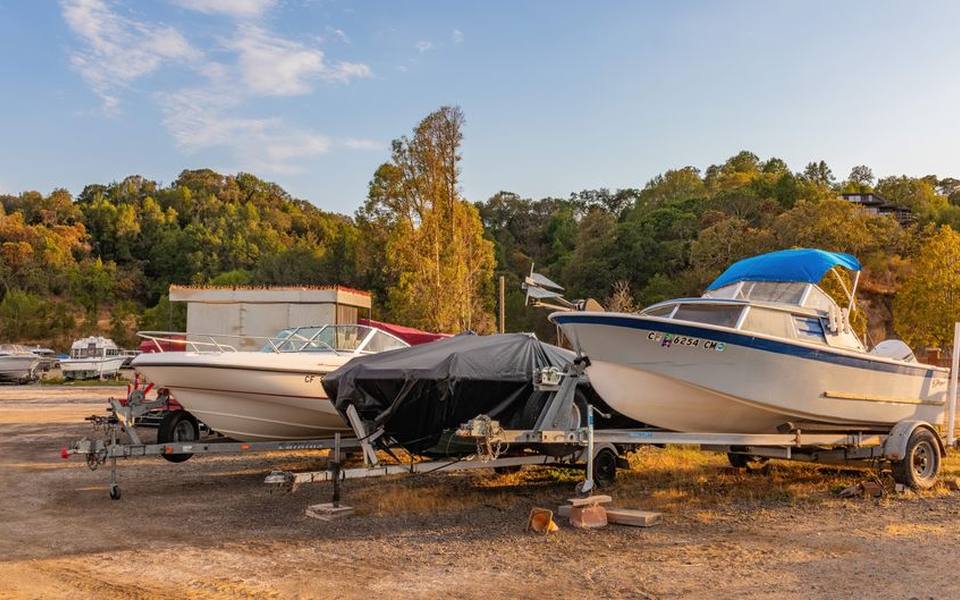
If local slip prices stretch your seasonal budget or marina waitlists extend years into the future, dry trailering remains the most economical path to boat ownership. Storing a trailerable boat in your driveway or an outdoor gravel storage yard eliminates wet slip fees entirely, protects the hull from marine fouling, and bypasses the necessity for costly bottom paint jobs.
Trailer boaters trade dockside convenience for road logistics, utilizing a public or private boat launch ramp whenever they want to take to the water. Modern ramp facilities often charge daily launch fees between ten and twenty-five dollars, or offer annual municipal passes ranging from seventy-five to two hundred dollars, which is a tiny fraction of seasonal slip rental expenses.
Furthermore, utilizing marinas with convenient boat launch access allows owners to explore diverse lakes, rivers, and coastal bays in a single season instead of being tied down to one home harbor. For vessels under twenty-six feet that are easily towed behind standard half-ton trucks or SUVs, trailer storage balances affordability with regional flexibility.
Hidden Marina Expenses and Budgeting for Dock Life
When signing a seasonal or annual slip agreement, the base per-foot docking rate is rarely the final number on the marina invoice. Shore power is one of the most common additional line items. While smaller dayboats charging basic house batteries may pay a flat monthly utility fee of twenty to forty dollars, larger cruisers running twin air conditioning compressors and hot water heaters typically have metered thirty-amp or fifty-amp pedestals billed by the kilowatt-hour.
Other routine marina charges include environmental disposal fees, parking passes for secondary vehicles, dinghy dock storage, and marine holding tank pump-outs. Some private facilities charge a pump-out fee of five to twenty dollars per service unless included in full-service slip packages, while dock boxes and Wi-Fi boosters may also carry modest seasonal surcharges.
Finally, marinas mandate proof of comprehensive marine liability insurance before letting a boat tie off at the dock. Most commercial facilities require a minimum of three hundred thousand to one million dollars in liability protection, with the marina named as an additional insured party on the policy. When tallying base slip rent, utilities, insurance riders, and seasonal upkeep, budgeting an extra twenty to thirty percent above the advertised slip fee provides a realistic operating picture.
Published 2026-09-20 · reviewed with each rebuild, last September 2026.
Find marinas near you
The directory lists 7,143 marinas by state and city — pick your state or use the “Near me” button in the header.
More guides
-
 Safety
Boat Fire Extinguisher Inspection: Schedule, Checklist, and Costs
-
 Money
MoneyBoat Club Membership Costs: Initiation Fees, Monthly Dues, and Ownership Comparison
-
 Storage
Boat Winterization and Storage: Costs, Checklist, and Shrink Wrapping Guide
-
 Owning
Essential Nautical Terms and Practical Boating Knowledge: From the Helm to Harbor Life
-
 Owning
A Practical Guide to Boat Mooring: Buoys, Lines, and Technique
-
 Safety
Essential Boat Safety Gear, Marine Electronics, and Equipment Guide
-
 Service
Outboard Engine Service and Rebuild Costs: What Boat Owners Should Expect to Pay
-
 Safety
Marine Weather Forecasts and Warnings: Reading NOAA Reports and Coastal Maps
-
 Safety
Boating Safety Certification and Licensing: State Requirements and Exam Prep
-
 Service
Saltwater and Freshwater Fishing Charters: Choosing Inshore, Offshore, and Deep Sea Trips
-
 Owning
Bareboat Yacht Charters: How to Rent, Qualifications, and Cruising Preparation
-
 Buying
Pontoon & Tritoon Boats: Buying, Renting, Models, and Pricing Guide
-
 Owning
Holiday Boat Parades and Coastal Festivals: Viewing Guide and Schedules
-
 Buying
A Complete Guide to Buying Used Boats: Valuations, Inspections, and Registration
-
 Owning
Waterfront Dining and Dockside Restaurants: Boater's Guide to Dock and Dine
-
 Owning
Dockside Bait Systems, Live Bait Sourcing, and Fish Cleaning Station Setup
-
 Safety
Marine Fire Safety Inspection and Extinguisher Maintenance
-
 Storage
Complete Guide to Boat Winterization, Shrink Wrapping, and Storage Covers
-
 Buying
Electric Boat Motors and Trolling Systems: The Practical Conversion Guide
-
 Owning
A Practical Guide to Public Boat Launches, Kayak Ramps, and Water Access
-
 Owning
Marine Lithium Batteries vs AGM: Setup, Charging, and Performance
-
Service
Boat Fiberglass & Gelcoat Repair Guide: Fixing Cracks, Blisters & Scratches
-
Service
Marine Fuel Tank Cleaning and Rust Removal Guide
-
Safety
USCG Captain's License Guide: OUPV 6-Pack Requirements and Renewal
-
Buying
Boat Dinghies and Inflatables Guide: Types, Motors, and Selection
-
Service
Boat Towing Services and Marine Assistance Memberships Explained
-
Owning
Boat Lettering, Registration Numbers, and Custom Vinyl Decals
-
Service
Outboard Motor and Lower Unit Maintenance, Repair, and Marine Diesel Guide
-
Buying
Shallow Water Anchor Systems: Power-Pole vs. Minn Kota Talon & Raptor
-
 Service
Complete Guide to Marine Bottom Paint and Antifouling Application
-
Owning
Cruising America's Great Loop: Route Planning, Boat Choice, and Cruising Resources
-
Service
Boat and Fishing Charters: Complete Guide to Styles, Rates, and Booking
-
Buying
Personal Watercraft and Jet Ski Guide: Models, Rentals, and Buying
-
 Owning
Marine Supply Stores and Chandleries: Outfitting Your Boat
-
Safety
Marine Weather Forecasts and NOAA Wave Reports: A Practical Boater's Guide
-
Safety
USCG Boat Registration, Boater Education, and Navigational Safety Rules
-
Owning
Marine Lithium Batteries, Solar Panel Systems, and Trickle Charging Guide
-
Service
Boat Trailer Maintenance: Bearings, Replacement Kits, and Towing Prep
-
Safety
Marine VHF Radio Frequencies, Channels, and Electronics Setup
-
 Service
Complete Boat Hull Maintenance Guide: Washing, Acid Cleaners, Gelcoat Repair, and Antifouling Paint
-
Service
Fixing Inflatable Boat Leaks and Replacing Worn Bimini Top Canvas
-
Owning
Buoy Mooring Setup, Dock Lines, Cleat Hitch Knots, and Anchor Pins
-
 Owning
Boat Trim Tabs Guide: Lenco, Zipwake, Bennett, and Electric vs Hydraulic
-
Owning
Upgrading Boat Swim Platforms, Boarding Ladders, and Marine Vinyl Seating
-
Owning
Best Gifts for Boaters, Practical Marine Accessories, and Kayak Storage Racks