What happens when your boat breaks down on the water
When an engine dies, fuel runs out, or steering fails on the water, your situation shifts immediately from leisure to navigation management. Unlike roadside breakdowns where you can simply pull onto a shoulder and wait, a disabled boat remains vulnerable to wind drift, tidal currents, and passing wake. The first priority is assessing immediate physical safety, dropping anchor if water depth and bottom conditions allow, and determining your exact geographic coordinates before contacting a dedicated marine dispatch service.
On-water assistance providers operate regional dispatch centers that track working support vessels across coastal inlets, tidal rivers, and inland reservoirs. When you place a call via a mobile application, cell phone, or VHF marine radio channel 16, a dispatcher logs your vessel specifications, passenger count, draft, and coordinates. They assign the closest available assist vessel, which will establish contact to confirm your status and estimate an arrival window based on distance and sea state.
Response times typically vary depending on weather conditions, seasonal holiday traffic, and how far offshore you are sitting. On busy summer weekends, assist captains often run back-to-back calls across popular cruising grounds, meaning wait times can stretch from thirty minutes in protected bays to a couple of hours in remote reaches. Maintaining situational awareness while waiting ensures you do not drift into commercial channels or shallow shoals.
How marine towing memberships work
A marine towing membership functions as a prepaid service agreement designed to protect recreational boaters from substantial operational bills during non-emergency breakdowns. Programs like those managed through national fleets maintain licensed captains on call throughout the boating season. Instead of paying portal-to-portal commercial marine rates when trouble arises, an active member simply presents their account details to receive standard on-water assistance covered under their plan guidelines.
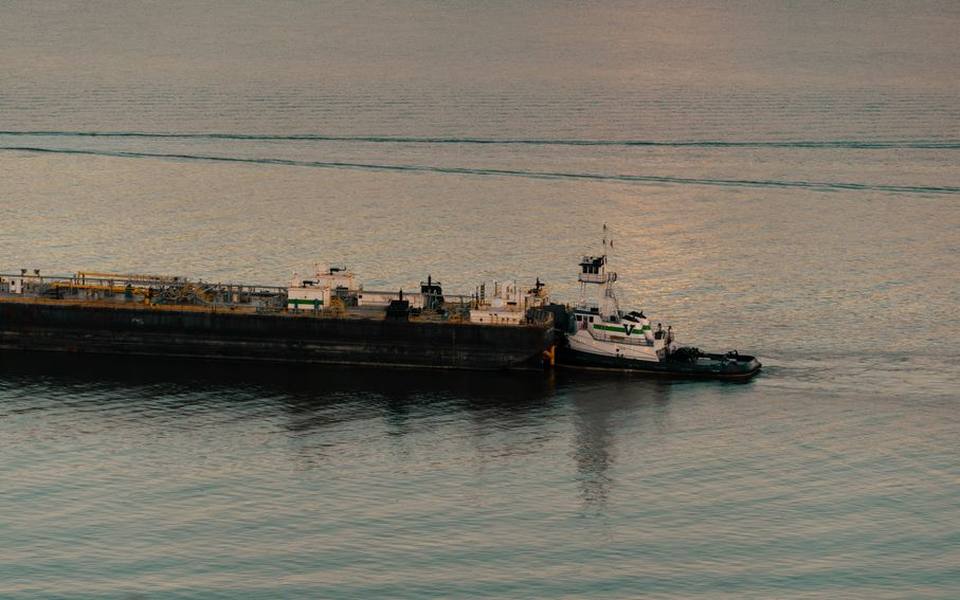
These membership plans are generally structured around where and how you operate your craft. Freshwater packages typically cater to lakes and non-tidal river basins, covering standard tows back to a local dock or ramp. Saltwater packages extend coverage to coastal waters, sounds, and offshore areas up to a specified mileage boundary, which is typically twenty-five to forty miles offshore depending on regional fleet capabilities and local navigational hazards.
The primary benefit is predictability for your seasonal operating budget. A single unexpected breakdown without a membership can result in an invoice that rivals an entire season of fuel expenses. Having a standing membership shifts that risk to an annual subscription model, giving family boaters peace of mind whenever they drop their dock lines.
Comparing membership benefits with out-of-pocket costs
Boaters often wonder whether an annual membership fee is justified if they maintain their vessel meticulously and rarely venture far from their home port. However, marine service companies bill on a portal-to-portal basis when working without membership agreements. This means billing starts the minute the assist vessel unties from its home slip, runs to your coordinates, conducts the tow, and returns back to its home station, accumulating heavy hourly charges.
Out-of-pocket commercial rates typically range anywhere from several hundred dollars per hour, and after-hours runs or offshore dispatches can climb even higher depending on fuel prices and conditions. An uneventful tow covering just ten nautical miles can easily tally four billable hours once transit time is accounted for. In contrast, an annual membership generally costs less than a single billable hour of commercial towboat operation.
Beyond basic towing, standard membership packages often include secondary services that resolve common nuisances without pulling your boat all the way back to shore. Jump-starts for dead house batteries, emergency fuel delivery if you miscalculate consumption, and ungrounding assistance when lightly stuck on soft sand bars are frequently wrapped into standard membership privileges at no extra charge.
The critical difference between routine towing and marine salvage
A common point of confusion among boaters is the legal and operational distinction between standard towing and marine salvage. Routine towing applies to vessels in no immediate peril, such as a runabout with a dead alternator floating calmly in benign weather. Standard assistance memberships cover these non-perilous events completely, delivering the vessel to a repair yard, marina, or launch ramp without salvage claims.
Marine salvage, governed by federal maritime law, applies whenever a boat faces imminent marine peril or active structural damage. If your boat is actively taking on water, hard aground on sharp granite rocks with hull breach potential, or stranded in heavy surf, the responding captain must initiate emergency salvage procedures. Salvage operations require complex dewatering pumps, specialized rigging, and substantial risk to the recovery crew and equipment.
Standard membership plans do not cover salvage awards or complex recovery operations under their routine dispatch provisions. In these high-stakes events, billing is determined either by negotiated salvage contracts or through maritime arbitration based on the fair market value of the saved vessel. Boaters must review their marine insurance policies to ensure they carry adequate salvage coverage alongside their on-water assistance membership.
Rules and risks when a private boat tows another boat
Good Samaritan traditions run deep across boating culture, and seeing another recreational craft stranded often tempts skippers to offer a tow. While lending a hand is admirable, recreational boats are rarely engineered for towing heavy loads in open water. Hardware such as stern cleats, tow rings, and transoms on everyday powerboats are designed for mooring lines and light water sports, not the tremendous dynamic strain of a displacement hull in rolling seas.
If you attempt to assist a fellow boater, you must assess wind, current, and vessel weight before passing a line. Towing a boat of equal or greater displacement can compromise your own vessel's maneuverability, overheat your cooling system under heavy throttle loads, and create severe steering pull if the trailing boat shears off course. The person offering the tow can also assume legal liability if property damage occurs during the maneuver.
When an informal tow is unavoidable in calm inland waters, proper rigging is essential to prevent cleat tear-out. Never tie a towline directly to a single stern cleat; instead, construct a bridle across both stern cleats to distribute kinetic loads evenly across your transom. Use braided nylon lines that provide natural elasticity, keep distances generous, and ensure both crews have sharp knives ready to sever lines immediately if an emergency develops.
How commercial towboats are built and equipped
Commercial assistance vessels may share recognizable hull shapes with recreational craft, but underneath the gelcoat lies industrial-grade reinforcement. Purpose-built tow vessels feature heavily reinforced stringers, internal bulkhead bracing, and specialized towing bitts mounted directly through the structural spine of the hull. This architecture distributes thousands of pounds of static and dynamic line tension safely throughout the hull structure without risking structural delamination.
Deck layouts prioritize work efficiency and crew safety during adverse sea conditions. These vessels carry commercial-grade polyurethane fendering systems around their entire perimeters, allowing them to come alongside disabled craft in chop without causing hull impact damage. High-output commercial engines provide exceptional low-end torque, paired with four-blade or heavy-cup propellers designed for towing thrust rather than high top-end cruising speeds.
Onboard gear lockers contain high-capacity gasoline dewatering pumps, multiple battery jump packs, commercial grounding bridles, and heavy hawser lines with calibrated breaking strengths. High-output floodlights and specialized navigation radar permit operations in thick fog, heavy downpours, and complete darkness, ensuring recovery crews can locate distressed boaters across open bays and offshore corridors.
What to inspect if considering a retired towboat for sale
Retired commercial towboats occasionally enter the recreational market, appealing to buyers looking for exceptionally rugged utility craft, work tenders, or harbor support platforms. While these hulls offer legendary durability, prospective buyers must recognize that commercial assistance craft live demanding lives. Engines accumulate thousands of operating hours, often subjected to prolonged idling punctuated by full-throttle pulls against heavy displacement vessels.
A thorough pre-purchase marine survey is vital before making any commitment on a surplus assist hull. Surveyors must scrutinize the structural integrity around the tow bitt mountings, engine beds, transom corners, and stringer grids. Stress cracking, wet core material in stringers, and structural fatigue from years of snatch loads on heavy towlines can turn an apparently sturdy bargain into a major fiberglass restoration project.
Mechanical systems also demand deep inspection, particularly transmissions, shaft alignments, and cooling passages. Commercial duty cycles often run gearboxes hard under high thermal stress, so fluid analysis and compression checks are non-negotiable steps. If the hull passes structural review, a retired assist vessel can serve reliably as an offshore dive platform, heavy-weather commuter, or private mooring tender.
Destinations, ramps, and marina logistics during a breakdown
When an assist captain takes your boat under tow, the ultimate destination depends on your membership agreement, sea conditions, and local maritime infrastructure. Standard towing agreements provide transport back to your home slip, regular mooring, or the launch facility where your trailer is parked. If you are cruising far from home, coverage generally covers delivery to the nearest commercial repair yard capable of resolving your issue.
For trailered vessels, captains frequently deliver disabled craft directly to a public boat ramp where recovery onto a trailer can occur immediately. Assist crews excel at guiding disabled vessels directly between trailer bunks even in tidal currents, sparing frustrated owners from wrestling a dead motor in wind. Knowing the depth and access parameters of nearby ramps simplifies communication with the dispatch center.
When traveling along coastal passages, you might find yourself towed into an unfamiliar harbor late in the day. Many boaters find it helpful to search for local facilities with transient slips where their vessel can stay securely tied while waiting for mobile mechanics or replacement parts. Having access to regional marine directories helps you choose viable safe harbors before dispatch crews drop your tow line.
How to prepare your boat for an incoming assist vessel
Once you confirm that an assistance vessel is en route, you can take several steps to make the rendezvous smooth, controlled, and safe. First, ensure that every passenger on board puts on an approved life jacket, regardless of age or swimming capability. Being towed alters how a vessel handles incoming wake and chop, significantly raising the risk of unexpected balance loss or slips across open decks.
Clear your foredeck of loose gear, lines, beach towels, and drink coolers so the assist crew has unhindered access to your bow cleats. If your anchor is deployed to stop drift, be prepared to haul it up only when the captain directs you to do so; pulling it too early can cause you to drift into dangerous shoals before lines are passed. Turn off loud stereos and engines so you can hear verbal instructions clearly.
Keep your VHF radio tuned to the working channel designated by dispatch, typically shifting off channel 16 once initial contact is confirmed. The captain will assess your bow hardware and pass their own heavy-duty towline, often finished with a chafe guard and bridle. Always follow the assist captain's instructions regarding trim, engine tilting, and wheel alignment during transit.
Selecting regional coverage for your typical cruising waters
Choosing an appropriate marine towing package requires looking realistically at how and where you use your vessel. Boaters who confine their outings to inland impoundments, freshwater rivers, or local reservoirs generally find basic freshwater memberships sufficient. These plans cover fuel delivery, battery jumps, and tows back to public launches or regional marinas without paying for unused offshore coastal infrastructure.
Conversely, boaters who navigate tidal waters, coastal bays, or open ocean need robust saltwater assistance packages. Navigating challenging regions such as tidal inlets around marinas in Florida or complex coastal channels near marinas in New York introduces shoaling, aggressive currents, and offshore distances that exceed standard freshwater parameters. Saltwater coverage ensures you have access to specialized high-power vessels capable of offshore transit.
Additionally, many assistance providers offer roadside trailer assistance add-ons for boaters who travel by highway. Trailer break-downs, flat tires, and bearing seizures can strand your rig on an interstate shoulder long before reaching the water. Adding trailer support provides roadside flatbed transport or tire changes, giving you comprehensive coverage from your driveway all the way to open water.
Published 2026-09-21 · reviewed with each rebuild, last September 2026.
Find marinas near you
The directory lists 7,143 marinas by state and city — pick your state or use the “Near me” button in the header.
More guides
-
 Safety
Boat Fire Extinguisher Inspection: Schedule, Checklist, and Costs
-
 Money
MoneyBoat Club Membership Costs: Initiation Fees, Monthly Dues, and Ownership Comparison
-
 Storage
Boat Winterization and Storage: Costs, Checklist, and Shrink Wrapping Guide
-
 Storage
Boat Slips and Docking Fees: How Much Does It Cost to Keep a Boat in the Water?
-
 Owning
Essential Nautical Terms and Practical Boating Knowledge: From the Helm to Harbor Life
-
 Owning
A Practical Guide to Boat Mooring: Buoys, Lines, and Technique
-
 Safety
Essential Boat Safety Gear, Marine Electronics, and Equipment Guide
-
 Service
Outboard Engine Service and Rebuild Costs: What Boat Owners Should Expect to Pay
-
 Safety
Marine Weather Forecasts and Warnings: Reading NOAA Reports and Coastal Maps
-
 Safety
Boating Safety Certification and Licensing: State Requirements and Exam Prep
-
 Service
Saltwater and Freshwater Fishing Charters: Choosing Inshore, Offshore, and Deep Sea Trips
-
 Owning
Bareboat Yacht Charters: How to Rent, Qualifications, and Cruising Preparation
-
 Buying
Pontoon & Tritoon Boats: Buying, Renting, Models, and Pricing Guide
-
 Owning
Holiday Boat Parades and Coastal Festivals: Viewing Guide and Schedules
-
 Buying
A Complete Guide to Buying Used Boats: Valuations, Inspections, and Registration
-
 Owning
Waterfront Dining and Dockside Restaurants: Boater's Guide to Dock and Dine
-
 Owning
Dockside Bait Systems, Live Bait Sourcing, and Fish Cleaning Station Setup
-
 Safety
Marine Fire Safety Inspection and Extinguisher Maintenance
-
 Storage
Complete Guide to Boat Winterization, Shrink Wrapping, and Storage Covers
-
 Buying
Electric Boat Motors and Trolling Systems: The Practical Conversion Guide
-
 Owning
A Practical Guide to Public Boat Launches, Kayak Ramps, and Water Access
-
 Owning
Marine Lithium Batteries vs AGM: Setup, Charging, and Performance
-
Service
Boat Fiberglass & Gelcoat Repair Guide: Fixing Cracks, Blisters & Scratches
-
Service
Marine Fuel Tank Cleaning and Rust Removal Guide
-
Safety
USCG Captain's License Guide: OUPV 6-Pack Requirements and Renewal
-
Buying
Boat Dinghies and Inflatables Guide: Types, Motors, and Selection
-
Owning
Boat Lettering, Registration Numbers, and Custom Vinyl Decals
-
Service
Outboard Motor and Lower Unit Maintenance, Repair, and Marine Diesel Guide
-
Buying
Shallow Water Anchor Systems: Power-Pole vs. Minn Kota Talon & Raptor
-
 Service
Complete Guide to Marine Bottom Paint and Antifouling Application
-
Owning
Cruising America's Great Loop: Route Planning, Boat Choice, and Cruising Resources
-
Service
Boat and Fishing Charters: Complete Guide to Styles, Rates, and Booking
-
Buying
Personal Watercraft and Jet Ski Guide: Models, Rentals, and Buying
-
 Owning
Marine Supply Stores and Chandleries: Outfitting Your Boat
-
Safety
Marine Weather Forecasts and NOAA Wave Reports: A Practical Boater's Guide
-
Safety
USCG Boat Registration, Boater Education, and Navigational Safety Rules
-
Owning
Marine Lithium Batteries, Solar Panel Systems, and Trickle Charging Guide
-
Service
Boat Trailer Maintenance: Bearings, Replacement Kits, and Towing Prep
-
Safety
Marine VHF Radio Frequencies, Channels, and Electronics Setup
-
 Service
Complete Boat Hull Maintenance Guide: Washing, Acid Cleaners, Gelcoat Repair, and Antifouling Paint
-
Service
Fixing Inflatable Boat Leaks and Replacing Worn Bimini Top Canvas
-
Owning
Buoy Mooring Setup, Dock Lines, Cleat Hitch Knots, and Anchor Pins
-
 Owning
Boat Trim Tabs Guide: Lenco, Zipwake, Bennett, and Electric vs Hydraulic
-
Owning
Upgrading Boat Swim Platforms, Boarding Ladders, and Marine Vinyl Seating
-
Owning
Best Gifts for Boaters, Practical Marine Accessories, and Kayak Storage Racks