Coast Guard Fire Extinguisher Regulations Explained
Carrying functioning fire suppression equipment on the water is both standard common sense and federal law. Recent updates from the United States Coast Guard established clearer rules regarding how old a marine fire extinguisher can be before it must be taken out of service. On recreational vessels, disposable extinguishers typically cannot be older than twelve years from their stamped date of manufacture. Once that twelve-year threshold passes, the unit must be replaced, regardless of whether the pressure needle rests comfortably in the green zone.
Carriage requirements depend heavily on the length of your boat and whether it features permanently installed fuel tanks, enclosed living spaces, or hidden compartments where flammable vapors can gather. Vessels under twenty-six feet generally need at least one 5-B rated portable extinguisher onboard. Boats between twenty-six and forty feet typically require either two 5-B units or one 20-B unit. Larger recreational craft stretching from forty to sixty-five feet usually need three 5-B extinguishers or one 20-B combined with a 5-B model.
Keep in mind that if your vessel has an approved fixed fire extinguishing system installed in the engine space, Coast Guard regulations usually allow you to carry one fewer portable unit. However, having extra suppression gear onboard never hurts when an open-water emergency develops. If you are venturing out through coastal waterways or exploring destinations like marinas in Florida, local harbor patrols and maritime law enforcement officers will regularly check manufactured dates and bracket security during routine vessel safety checks.
Disposable Versus Rechargeable Marine Extinguishers
Recreational boaters generally encounter two main categories of portable extinguishers: disposable non-rechargeable models and commercial-grade rechargeable cylinders. Disposable units usually feature composite or lightweight aluminum valves, plastic trigger handles, and an integral pressure gauge. They are designed to be purchased, mounted in an accessible location, visually checked each month, and thrown away either twelve years after production or immediately following any discharge, even if only a brief test burst was fired.
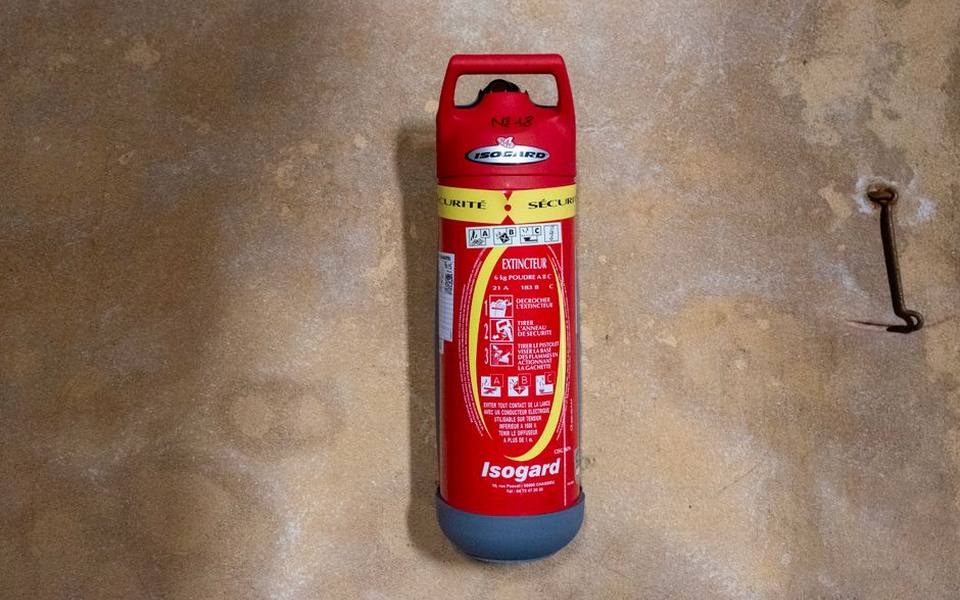
Rechargeable models, by comparison, are engineered with heavy-duty brass valves, metal head assemblies, and ruggedized steel or heavy aluminum shells. While their upfront purchase price runs higher than disposable alternatives, rechargeable extinguishers are built to last for decades if properly maintained. Instead of discarding them after a dozen years or after use, owners can have them emptied, pressure tested, refilled, and recertified by certified technicians, making them an economical choice over long ownership periods.
Regardless of the cylinder type you select, marine fire extinguishers must be explicitly rated for marine use and secured in an approved marine mounting bracket. A standard household bracket made of flimsy plastic will not survive the continuous pounding, vibration, and slamming loads of offshore chop. Marine brackets incorporate heavy strapping mechanisms or quick-release metal clamps that keep the canister locked in position during rough seas while allowing instant access should smoke appear.
Monthly Fire Extinguisher Maintenance Routines
Hands-on extinguisher maintenance does not require specialized mechanical training, but it does require disciplined consistency from every boat captain. At least once a month, you should physically remove every extinguisher from its bulkhead bracket to conduct a thorough visual and physical review. Storing an extinguisher out of sight in a deep cockpit locker often leads to out-of-sight, out-of-mind neglect, which can prove disastrous if an unexpected engine backfire occurs.
Begin your routine fire extinguisher maintenance by examining the pressure indicator gauge on the neck. The needle must rest solidly within the operable green quadrant; if it points to either undercharged or overcharged, the cylinder must be serviced or replaced immediately. Verify that the safety pin remains firmly inserted through the handle assembly and that the tamper-evident plastic seal is intact. A broken seal or missing pin means someone may have partially discharged the unit or tampered with the trigger mechanism.
Next, inspect the discharge nozzle or hose for blockages caused by mud daubers, salt encrustation, spiders, or debris that commonly accumulate in marine environments. Wipe the exterior clean with a damp rag, paying close attention to the bottom seam of the cylinder where trapped moisture can foster rust and structural pitting. Many marine surveyors also recommend gently inverting dry-chemical cylinders and tapping the base with a rubber mallet to keep the internal extinguishing powder from caking together under engine vibrations.
Understanding the Role of a Tagged Fire Extinguisher
If you operate a commercial charter boat, carry paying passengers, or moor in a facility requiring commercial-grade compliance, you will inevitably hear surveyors discuss the necessity of a tagged fire extinguisher. A service tag attached by wire to the neck of a cylinder serves as legal documentation that a certified technician has examined the unit, weighed the chemical agent, verified internal pressure, and determined it meets current fire safety codes.
This inspection tag typically lists the servicing company name, the technician license number, the date the service occurred, and the month and year when the next mandatory review is due. In commercial marine environments, this tag is valid for twelve months from the date punched or stamped onto the card. For recreational owners, having a tagged unit is not always federally mandated if disposable units are within their twelve-year window, but private yacht clubs and commercial moorings often enforce tagged standards across all resident vessels.
When insurance underwriters survey a boat for policy renewal, seeing current tags on all suppression gear immediately signals responsible vessel ownership. An expired tag or an illegible label can result in safety inspection failures or even delayed claim approvals after a casualty event. When pulling up to temporary docks or arranging berthing at transient slips, harbor masters may ask to verify that your safety gear and extinguisher inspections are up to date.
Selecting Fire Extinguisher Servicing Companies
When rechargeable extinguishers reach their mandatory service intervals or lose pressure, owners must turn to certified fire extinguisher servicing companies rather than attempting amateur repairs. Fire suppression equipment contains internal pressures ranging typically from one hundred to nearly two hundred pounds per square inch, making professional handling essential. Specialized facilities have the hydro-testing equipment, nitrogen charging manifolds, and calibrated scales needed to safely dismantle and recharge these cylinders.
Qualified technicians perform two primary levels of recurring service on rechargeable marine equipment: an internal teardown maintenance and hydrostatic pressure testing. In most cases, dry chemical extinguishers require an internal examination every six years, where the dry chemical is recovered, the valve is rebuilt with fresh O-rings, and the cylinder shell is inspected for interior oxidation. Hydrostatic testing, which evaluates the structural strength of the cylinder walls under intense hydraulic pressure, is typically performed every twelve years.
When choosing a service provider, ensure the company is certified by the National Fire Protection Association or local state fire marshals and carries specific familiarity with marine equipment. Marine environments subject valves to galvanic corrosion and harsh salt fog that industrial onshore facilities might overlook. Many harbor service centers in coastal hubs, such as marinas in California, can either handle cylinder recertification on-site or partner with mobile servicing contractors who inspect and tag equipment directly at the dock.
Automatic Engine Room Suppression Systems
Inboard motor yachts, cruisers, and sportfish boats frequently rely on built-in automatic fire suppression canisters suspended directly inside the machinery space. Because gasoline and diesel engine rooms house multiple ignition sources alongside pressurized fuel rails and electrical components, an enclosed fire can escalate within seconds. Fixed clean-agent systems are engineered to flood the compartment with gaseous chemical suppression agents the moment ambient temperatures hit thermal trigger levels, starving the fire without damaging electrical components.
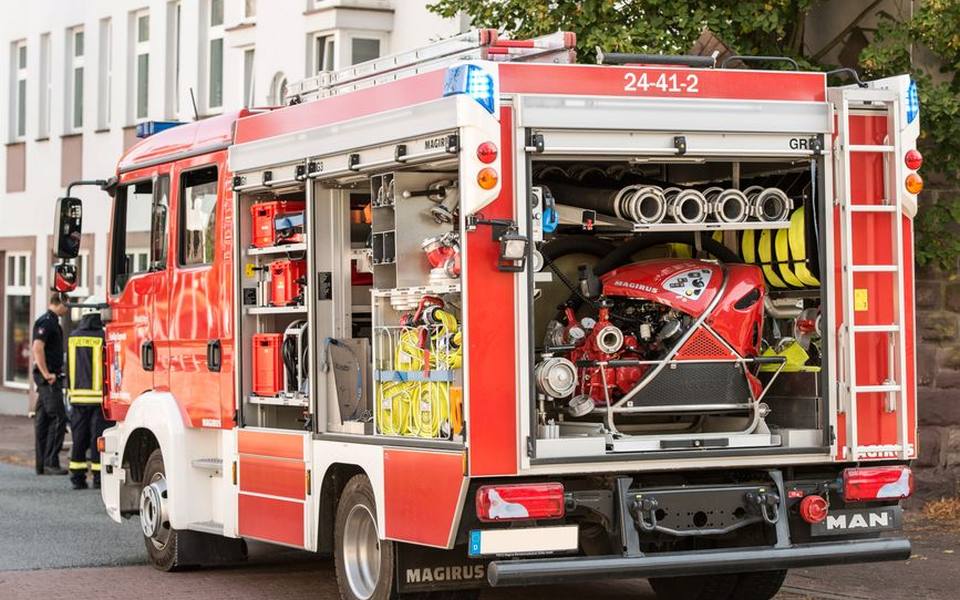
Inspecting an automatic engine room extinguisher requires careful attention to its mounting hardware, visual pressure indicators, and thermal sensor bulbs. Technicians check that the bracket bolts have not vibrated loose from stringers or bulkheads and that the manual discharge cable runs smoothly without kinks or binding. Many fixed clean-agent systems also incorporate automatic engine shutdown relays; these circuits instantly cut power to blowers and main propulsion engines so incoming air cannot feed the flame or purge the extinguishing gas.
Like portable rechargeable cylinders, these automatic marine canisters require professional examination intervals that depend on manufacturer specifications. Weighing the cylinder on a calibrated scale remains the primary method for confirming that no extinguishing agent has seeped past the discharge seal over time. If a fixed system registers even a minor loss in total weight, typically around five percent of its designated chemical charge, the cylinder must be removed and sent out for professional servicing.
Visual Distress Signals and Marine Flares
Alongside onboard extinguishers, emergency visual distress devices represent the other mandatory pillar of marine safety gear under federal regulations. Traditional pyrotechnic marine flares—including handheld red flares, floating orange smoke canisters, and aerial meteor rockets—provide critical day and night signaling capabilities when an emergency strikes miles from land. The Coast Guard requires most vessels operating in coastal waters, the Great Lakes, or territorial seas to carry a minimum of three approved visual distress signals.
The critical vulnerability of pyrotechnic marine flares lies in their strict expiration schedule. Pyrotechnic chemical mixtures degrade quickly in moist marine air, meaning standard flares expire exactly forty-two months from their manufacturing date. Boaters must regularly inspect flare storage containers to verify that every tube is well within its active service window. Carrying expired flares can lead to citations during Coast Guard boardings, although keeping them onboard alongside fresh flares as secondary backups is an accepted practice among many mariners.
In recent years, the Coast Guard has approved electronic visual distress signals, commonly known as electronic flares, as compliant alternatives to handheld pyrotechnics. These battery-powered, floating strobe devices flash the international Morse code SOS distress signal continuously for hours. Choosing an electronic distress beacon eliminates the fire hazards, burns, and hot slag associated with lighting chemical flares on a fiberglass deck while ending the endless cycle of replacing pyrotechnics every three years.
Conducting a Comprehensive Fire Equipment Inspection
A truly robust fire equipment inspection extends far beyond glancing at the extinguisher bracket on your console. A full vessel safety audit examines all potential fire risks, starting with fuel supply lines, hose clamps, and fuel tank grounding wires. Flexible fuel lines degrade over time due to ethanol exposure, developing hairline cracks that weep vapors into the bilge. Every fuel connection must be secured with marine-grade stainless steel hose clamps, and tanks should be inspected for weeping fittings or scent traces.
Electrical wiring accounts for a substantial percentage of boat fires, making battery banks, fuse blocks, and high-amperage switches essential inspection points. Check battery terminals for corrosion, loose nuts, or missing terminal boots that could spark if metal tools drop across them. Examine bilge blowers to confirm the exhaust fans actually spin freely and exhaust fumes through hull cowlings before every engine ignition. Bilge sniffer sensors, which alert the skipper to gasoline vapor concentrations, should also be tested regularly using manufacturer test procedures.
Consider supplementing your mandatory suppression equipment with additional non-mandated safety tools. In galley areas, mounting a simple fiberglass fire blanket provides an effortless way to smother grease pan fires without blasting corrosive chemical powder across clean surfaces and cooking equipment. Place portable smoke alarms and carbon monoxide detectors in all sleeping berths and enclosed salon spaces, testing their battery reserves at the beginning and middle of every boating season.
Pre-Launch Safety Checks at the Ramp and Marina
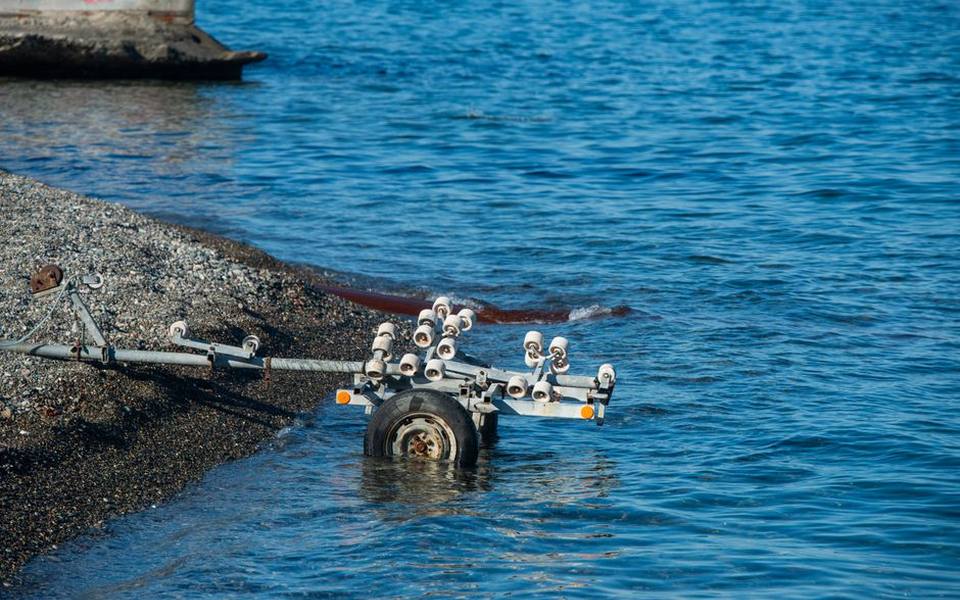
The best time to catch an unpressurized cylinder or an expired flare is on dry land before backing down a boat launch ramp into the water. Establishing a pre-trip safety checklist prevents the frustration of scrubbing a day on the lake because local law enforcement officers discovered your safety equipment out of date. Before loading guests, confirm that all life jackets, sound devices, distress signals, and extinguishers are properly staged and immediately reachable.
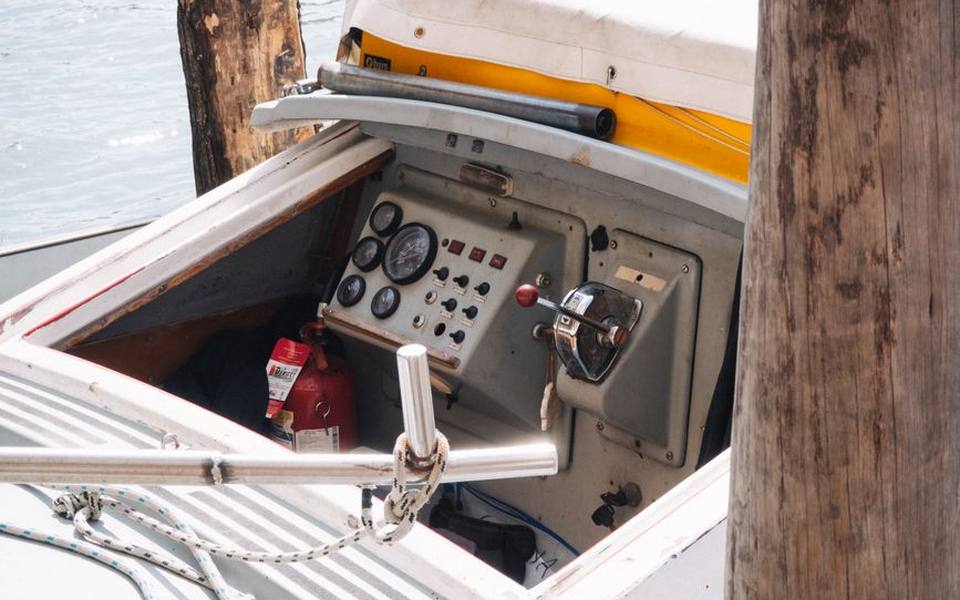
Store your portable fire extinguishers in spots where they can be reached in three seconds or less without moving coolers, tackle bags, or water skis out of the way. If a fire starts in the engine bay or behind the helm console, you cannot afford to rummage through a padlocked hatch or an overloaded storage bin. Make sure all adult passengers understand where the safety gear lives and how to remove canisters from their locking mounting brackets in a hurry.
If you discover that your primary portable extinguisher is discharged, expired, or showing an empty gauge while launching, do not gamble on an uneventful trip. Take the time to visit a local marine chandlery or hardware supplier to purchase an approved replacement. Boaters can also browse comprehensive regional resources on the state-by-state marina directory to find waterfront facilities with marine supply stores, pump-outs, and certified service centers near their destination.
Emergency Fire Procedures on the Water
If smoke or fire breaks out while underway, immediate and decisive action from the skipper is essential to protect the crew and vessel. First, throttle back, bring the vessel to a stop, and position the boat so that the wind blows the flames and toxic fumes away from the helm and passenger seating areas. Shut down engines, auxiliary generators, and ventilation blowers immediately to starve the fire of incoming forced draft air and cut off fuel pump pressure.
Send out an immediate distress call over VHF channel 16, stating your position, the nature of the emergency, the number of people aboard, and whether you are preparing to abandon ship. Ensure every person onboard has donned a life jacket, as fiberglass boats can burn down to the waterline with astonishing speed once structural resins ignite. Never hesitate to make the call early; canceling a rescue effort is far simpler than trying to radio for help once flames engulf the helm console.
When attacking a small fire with a portable cylinder, remember the standard PASS technique: Pull the pin, Aim at the base of the fire, Squeeze the trigger, and Sweep across the burning area from side to side. If the fire is inside an enclosed engine hatch, never open the lid wide, as introducing a blast of fresh oxygen can cause a dangerous flash fire. Instead, discharge the extinguisher through a designated inspection port or crack the hatch only an inch to flood the compartment while keeping yourself protected.
Published 2026-09-21 · reviewed with each rebuild, last September 2026.
Find marinas near you
The directory lists 7,143 marinas by state and city — pick your state or use the “Near me” button in the header.
More guides
-
 Safety
Boat Fire Extinguisher Inspection: Schedule, Checklist, and Costs
-
 Money
MoneyBoat Club Membership Costs: Initiation Fees, Monthly Dues, and Ownership Comparison
-
 Storage
Boat Winterization and Storage: Costs, Checklist, and Shrink Wrapping Guide
-
 Storage
Boat Slips and Docking Fees: How Much Does It Cost to Keep a Boat in the Water?
-
 Owning
Essential Nautical Terms and Practical Boating Knowledge: From the Helm to Harbor Life
-
 Owning
A Practical Guide to Boat Mooring: Buoys, Lines, and Technique
-
 Safety
Essential Boat Safety Gear, Marine Electronics, and Equipment Guide
-
 Service
Outboard Engine Service and Rebuild Costs: What Boat Owners Should Expect to Pay
-
 Safety
Marine Weather Forecasts and Warnings: Reading NOAA Reports and Coastal Maps
-
 Safety
Boating Safety Certification and Licensing: State Requirements and Exam Prep
-
 Service
Saltwater and Freshwater Fishing Charters: Choosing Inshore, Offshore, and Deep Sea Trips
-
 Owning
Bareboat Yacht Charters: How to Rent, Qualifications, and Cruising Preparation
-
 Buying
Pontoon & Tritoon Boats: Buying, Renting, Models, and Pricing Guide
-
 Owning
Holiday Boat Parades and Coastal Festivals: Viewing Guide and Schedules
-
 Buying
A Complete Guide to Buying Used Boats: Valuations, Inspections, and Registration
-
 Owning
Waterfront Dining and Dockside Restaurants: Boater's Guide to Dock and Dine
-
 Owning
Dockside Bait Systems, Live Bait Sourcing, and Fish Cleaning Station Setup
-
 Storage
Complete Guide to Boat Winterization, Shrink Wrapping, and Storage Covers
-
 Buying
Electric Boat Motors and Trolling Systems: The Practical Conversion Guide
-
 Owning
A Practical Guide to Public Boat Launches, Kayak Ramps, and Water Access
-
 Owning
Marine Lithium Batteries vs AGM: Setup, Charging, and Performance
-
Service
Boat Fiberglass & Gelcoat Repair Guide: Fixing Cracks, Blisters & Scratches
-
Service
Marine Fuel Tank Cleaning and Rust Removal Guide
-
Safety
USCG Captain's License Guide: OUPV 6-Pack Requirements and Renewal
-
Buying
Boat Dinghies and Inflatables Guide: Types, Motors, and Selection
-
Service
Boat Towing Services and Marine Assistance Memberships Explained
-
Owning
Boat Lettering, Registration Numbers, and Custom Vinyl Decals
-
Service
Outboard Motor and Lower Unit Maintenance, Repair, and Marine Diesel Guide
-
Buying
Shallow Water Anchor Systems: Power-Pole vs. Minn Kota Talon & Raptor
-
 Service
Complete Guide to Marine Bottom Paint and Antifouling Application
-
Owning
Cruising America's Great Loop: Route Planning, Boat Choice, and Cruising Resources
-
Service
Boat and Fishing Charters: Complete Guide to Styles, Rates, and Booking
-
Buying
Personal Watercraft and Jet Ski Guide: Models, Rentals, and Buying
-
 Owning
Marine Supply Stores and Chandleries: Outfitting Your Boat
-
Safety
Marine Weather Forecasts and NOAA Wave Reports: A Practical Boater's Guide
-
Safety
USCG Boat Registration, Boater Education, and Navigational Safety Rules
-
Owning
Marine Lithium Batteries, Solar Panel Systems, and Trickle Charging Guide
-
Service
Boat Trailer Maintenance: Bearings, Replacement Kits, and Towing Prep
-
Safety
Marine VHF Radio Frequencies, Channels, and Electronics Setup
-
 Service
Complete Boat Hull Maintenance Guide: Washing, Acid Cleaners, Gelcoat Repair, and Antifouling Paint
-
Service
Fixing Inflatable Boat Leaks and Replacing Worn Bimini Top Canvas
-
Owning
Buoy Mooring Setup, Dock Lines, Cleat Hitch Knots, and Anchor Pins
-
 Owning
Boat Trim Tabs Guide: Lenco, Zipwake, Bennett, and Electric vs Hydraulic
-
Owning
Upgrading Boat Swim Platforms, Boarding Ladders, and Marine Vinyl Seating
-
Owning
Best Gifts for Boaters, Practical Marine Accessories, and Kayak Storage Racks