The modern boat outfitting landscape
Every boat owner eventually faces the reality that ordinary home-improvement stores cannot supply what a vessel needs to survive on the water. Outfitting a craft requires parts engineered to withstand relentless vibration, corrosive salt spray, and extreme ultraviolet exposure. Boaters today source equipment through several distinct channels, ranging from traditional waterfront chandleries and full-service marine supply shops to national big-box retailers and weekend swap meets. Choosing where to shop depends largely on how quickly you need the component and how specialized the repair is.
A dedicated marine supply shop differs fundamentally from a general hardware retailer. Staff at a specialized maritime counter typically understand the functional differences between brass, silicon bronze, and multiple grades of stainless steel. They know why standard automotive electrical wire corrodes into green powder behind a damp bulkhead, and they stock tinned copper wire engineered specifically to resist moisture intrusion. While internet retailers offer convenience, walking into a physical supply house allows you to test hose fits, verify thread pitches, and match old gaskets before leaving the dock.
Understanding your local supply network saves critical cruising days during short boating seasons. Knowing where to locate urgent mechanical spares, where to find bulk dock line, and where to pick up bargain fittings can drastically lower your annual ownership costs. Seasoned mariners usually develop relationships with several vendors, relying on regional specialty houses for mechanical rebuilding components, national retail storefronts for off-the-shelf consumables, and swap meets for hard-to-find vintage fixtures.
Big-box marine retailers versus independent chandleries
When an unexpected breakdown happens right before a holiday weekend, searching for the nearest national marine supply storefront is often the most practical move. Large retail chains offer standardized inventory, extended evening hours, and reliable return policies across hundreds of coastal and lakefront locations. If you need standard oil change filters, basic life jackets, Coast Guard-approved flare packs, or common trailer lighting kits, a big-box retail outlet almost always has what you need in stock on the shelf ready to go.
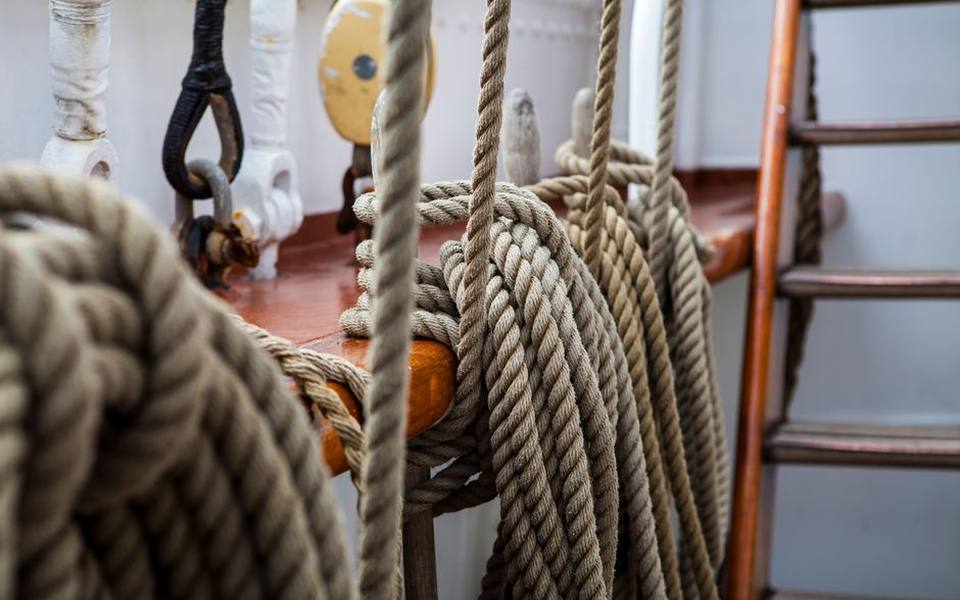
However, independent ship chandleries offer a level of technical depth that corporate retail chains rarely match. Traditional chandlers have served commercial fishermen, workboat operators, and blue-water cruisers for generations. Their shelves often carry heavy-duty industrial fasteners, specialty rigging blocks, raw raw-water pump rebuild kits, and commercial-grade coatings that standard recreational stores do not bother to stock. The clerks in these independent shops are frequently former marine tradespeople who can look at a worn-out component and immediately identify the underlying failure.
Pricing can vary significantly between corporate marine retailers and independent chandlers. Big-box chains often set prices according to standard regional markups, though many offer loyalty discount clubs or price-matching policies if you show competitive listings. Independent supply shops might appear pricier on basic consumer accessories, but they often sell heavy fasteners, bulk rope, and specialized plumbing fittings at far more competitive per-foot or per-pound rates. Visiting both types of businesses gives you a realistic benchmark of local market pricing.
Essential safety and legal gear to buy before launch
Before trailering down to boat launch access points or untying from your slip, your vessel must carry specific safety equipment mandated by state and federal regulations. Outfitting begins with properly fitted personal flotation devices for every soul on board, plus a throwable cushion or ring buoy on vessels sixteen feet and longer. You must also verify that your marine fire extinguishers meet current manufacturing date thresholds, as marine safety standards have phased out older disposable models.
Signaling equipment represents another primary purchase category at your local marine supply shop. For daytime and nighttime distress signaling, vessels operating on coastal waters need unexpired visual distress signals, which may include pyrotechnic aerial flares, handheld signals, or approved electronic distress beacons. A sound-producing device, such as an electric horn or a loud pea-less whistle, is mandatory on virtually all recreational craft. Retail staff can help verify whether your gear meets the compliance checklist for your specific hull size.
Do not overlook basic dewatering and mooring equipment when preparing your craft for legal operation. A manual bilge pump or sturdy bailing bucket provides vital backup should your primary 12-volt bilge pump experience electrical failure. You will also need suitable dock lines sized appropriately to your boat length, along with fenders capable of cushioning your topsides against rough pilings. Investing in high-quality double-braided nylon lines pays long-term dividends over stiff, cheap polypropylene alternatives.
Marine-grade hardware versus standard hardware store goods
One of the costliest mistakes an amateur boater can make is substituting household fasteners from a domestic home center for genuine marine-grade hardware. Standard hardware stores typically sell 304-grade stainless steel, often labeled generically as stainless. While 304 steel resists tarnishing in benign household conditions, it rapidly pits, rusts, and experiences catastrophic crevice corrosion in marine air. Real marine supply operations stock 316-grade stainless steel, which contains molybdenum to dramatically improve resistance to chlorides.
Underwater through-hull fittings demand an even higher standard of material integrity. Installing brass plumbing fittings below the waterline is a recipe for disaster because the zinc leaches out of brass in saltwater, leaving behind a brittle, porous copper matrix that can snap under light pressure. Chandlers stock certified marine bronze fittings or engineered fiberglass-reinforced composite sea-valves designed specifically to endure decades below the water's surface without degrading or conducting stray electrical currents.
Marine electrical wiring also follows strict manufacturing guidelines that separate it from domestic residential cabling. ABYC standards call for stranded, tinned copper conductors, where each individual wire strand is plated with tin prior to twisting. This plating keeps moisture from wicking up inside the insulation jacket and corroding the connection terminal. Ordinary non-tinned copper wire might function for a few months, but it quickly corrodes into high-resistance joints that generate heat and cause sudden equipment failure on the water.
Dockside ship stores and marina fuel docks
When traveling away from your home port and pulling into transient slips along unfamiliar rivers or sounds, you rely heavily on dockside marina stores. These small waterfront retail hubs cater directly to the immediate needs of cruising mariners. While they generally lack deep aisles of spare engine parts, they provide vital necessities like non-ethanol marine fuel, engine oil, fuel filters, electrical adapter cords, potable water hoses, and holding-tank treatment chemicals.
Convenience pricing is typical at waterfront marina counters due to high dock maintenance overhead and seasonal business cycles. Expect to pay a modest premium for consumables like outboard lower-unit lubricants, two-stroke oil, or marine toilet paper. However, paying extra for an emergency impeller or fuel-water separator filter right at the fuel dock is far cheaper than losing an entire weekend of boating or calling for commercial towing assistance out on the bay.
Marina stores also serve as community intelligence hubs for visiting skippers. The staff running the registers generally know the local shoaling patterns, bridge opening schedules, and dependable mobile mechanics working the local basin. If you need a specialized repair beyond the scope of their shelf stock, dock attendants can usually direct you to the nearest full-service marine supply store or commercial yard up the creek.
Bargain hunting at marine flea markets and swap meets
For budget-conscious boaters and retro-fitters, a weekend marine flea market offers unbeatable opportunities to purchase rugged hardware at a fraction of retail cost. Waterfront communities, yacht clubs, and maritime museums frequently host these swap meets during early spring and late autumn. Vendors gather in parking lots with folding tables stacked high with salvaged bronze cleats, vintage navigation compasses, spare anchors, outboard cowlings, and slightly used sails looking for a second life.

Navigating a marine swap meet requires a discerning eye and strict technical discipline. Used ground tackle represents one of the safest and most economical categories to buy second-hand; a cast galvanized steel anchor or heavy galvanized chain rarely wears out unless severely pitted or deformed. Similarly, heavy bronze portlights, stainless stanchions, and manual winches can often be cleaned, re-greased, and returned to service for decades of trouble-free performance at minimal expense.
Conversely, certain items should be inspected with extreme caution or avoided entirely at flea markets. Used safety equipment such as expired flare guns, second-hand inflatable life jackets with unknown bladder integrity, and uncertified fire extinguishers pose serious safety liabilities. Outboard lower units and electronic chartplotters also carry hidden risks; unless the seller can prove internal gear condition or bench-test navigation displays on site, you could be purchasing an expensive piece of water-damaged scrap metal.
Routine maintenance supplies to keep on board
Every vessel needs a dedicated inventory of maintenance supplies stowed securely in dry lockers for mid-season upkeep. Sacrificial anodes, commonly made of zinc for salt water or aluminum for brackish and fresh water, are essential items that every boater must monitor closely. Purchasing replacement anodes from your local marine supply shop before corrosion consumes more than half of the existing metal protects your shafts, struts, and sterndrives from devastating galvanic corrosion.
Fluid maintenance requires specialized formulas that meet distinct maritime warranty specifications. Modern marine engines run under sustained high loads compared to road vehicles, demanding oils fortified with specialized rust inhibitors and shear-stable polymers. Keep spare fuel filters, secondary water separators, and fresh marine-rated spark plugs aboard. If you frequently tow your craft, keep spare grease cartridges filled with high-temp marine wheel-bearing grease right inside your vehicle toolbox.
Sealants and bedding compounds represent another critical category that belongs in every vessel's maintenance kit. Standard household silicone caulks have no place on a boat's hull; they peel away under exposure to fuel vapors and salt. Chandleries stock heavy-duty polyurethane adhesives for structural bonding below the water line, as well as flexible polysulfide and polyether sealants designed to bed deck hardware, seal hatch frames, and remain waterproof under harsh thermal expansion cycles.
Outfitting electronics and navigation gear
Modern marine electronics have transformed navigation, yet outfitting a helm station requires careful planning before spending thousands at the electronics display. Marine supply stores generally carry working demonstration consoles where you can compare multi-function displays, sonar transducers, and radar overlays side by side. Evaluating screen glare, menu responsiveness, and button layouts while wearing sunglasses in person is far more reliable than reading spec sheets on a smartphone screen.
Fixed-mount VHF radios and rugged marine antennas represent the backbone of offshore safety communications. When purchasing marine communication equipment, prioritize quality marine-grade coaxial cable and solder-on or premium compression connectors over cheap push-on fittings. Salt air degrades antenna connections rapidly, diminishing broadcast range when you need emergency assistance the most. Experienced chandlery technicians can guide you toward antenna gain ratings suited to your specific hull type and cruising grounds.
Backup navigation gear remains indispensable despite the ubiquity of satellite touchscreens. A traditional magnetic compass correctly mounted, adjusted, and illuminated at the helm station does not depend on vessel electrical power or satellite signal availability. In addition, carrying updated paper charts of your cruising territory, along with basic plotting dividers and parallel rulers, ensures you can navigate safely even if a lightning strike or blown main fuse disables your primary multi-function display.
Sourcing supplies along popular coastal and inland waterways
The density of marine retail stores closely mirrors regional boating activity. Cruisers operating near marinas in Florida benefit from one of the highest concentrations of specialty rigging shops, outboard speed centers, and mega-chandleries in the world. Whether you need an obscure European metric hose clamp or custom canvas hardware, the extensive coastal infrastructure in the Southeast allows you to find nearly any marine part within a short drive.
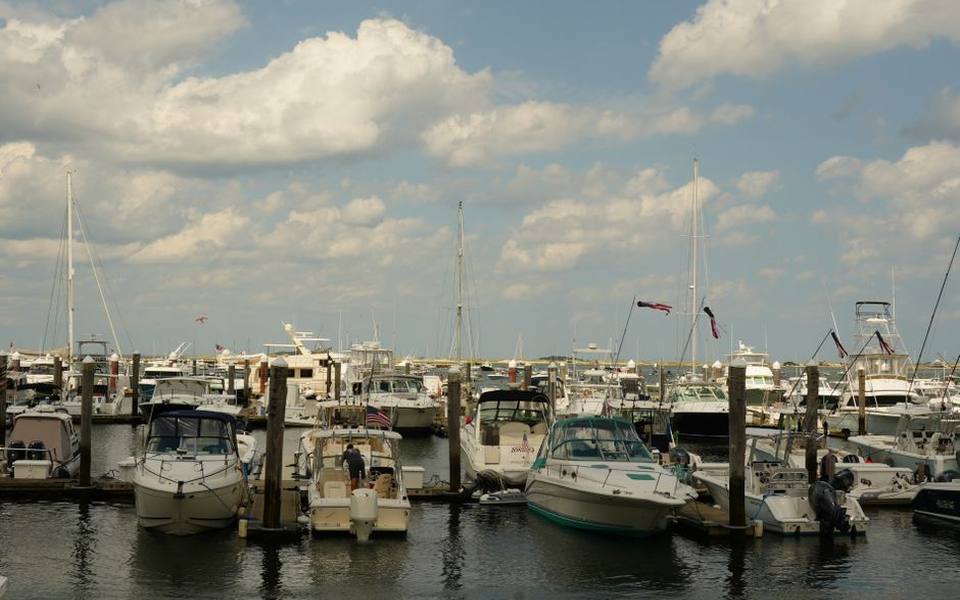
On the West Coast, boaters patronizing marinas in California encounter well-equipped regional chandleries catering to long-range Pacific passage-makers as well as coastal sports fishermen. These supply houses carry heavy blue-water gear, advanced solar and lithium charging systems, and heavy-duty mooring snubbers engineered for strong Pacific ocean swell. Knowing the operating hours of regional marine supply stores along your planned cruising itinerary prevents unnecessary delays during extended passages.
Inland and Great Lakes boaters must plan around shorter seasonal operating calendars. When trailering between fresh waterways and utilizing a boat launch ramp, ensure your trailer bearings, winches, and tie-down straps are serviced before remote rural journeys where big marine stores are absent. Sourcing critical spare parts in advance keeps a minor mechanical hiccup from ending a long-planned family fishing trip or lake excursion.
Smart provisioning and managing marine inventory
Building an effective shipboard parts inventory is a balance between being prepared and avoiding dangerous clutter. Overloading lockers with redundant hardware adds dead weight, degrades fuel economy, and exposes sensitive components to damp storage conditions. The goal is to assemble a thoughtful critical spares kit consisting of items that would halt your voyage immediately if they broke: spare alternator belts, raw-water pump impellers, fuel filters, and replacement fuses.
Organizing your spares requires heavy-duty waterproof storage cases labeled clearly by system. Keep electrical components like spare crimp terminals, heat-shrink tubing, and relays sealed inside airtight cases with moisture-absorbing desiccant packs. Mechanical spares such as spare bronze propellers, shaft zincs, and steel hose clamps should be coated in a light film of corrosion-inhibiting oil before long-term stowage in bilge lockers.
Before shopping for the upcoming season, audit your current inventory to prevent wasteful duplicate purchases. Boaters frequently repurchase expensive cans of specialty wax, teak oil, or tubes of marine bedding compound simply because older partially used containers were hidden under deck clutter. Maintaining an organized equipment logbook helps track maintenance intervals, record part numbers, and identify exactly what supplies you genuinely need to buy before setting sail.
Published 2026-09-21 · reviewed with each rebuild, last September 2026.
Find marinas near you
The directory lists 7,143 marinas by state and city — pick your state or use the “Near me” button in the header.
More guides
-
 Safety
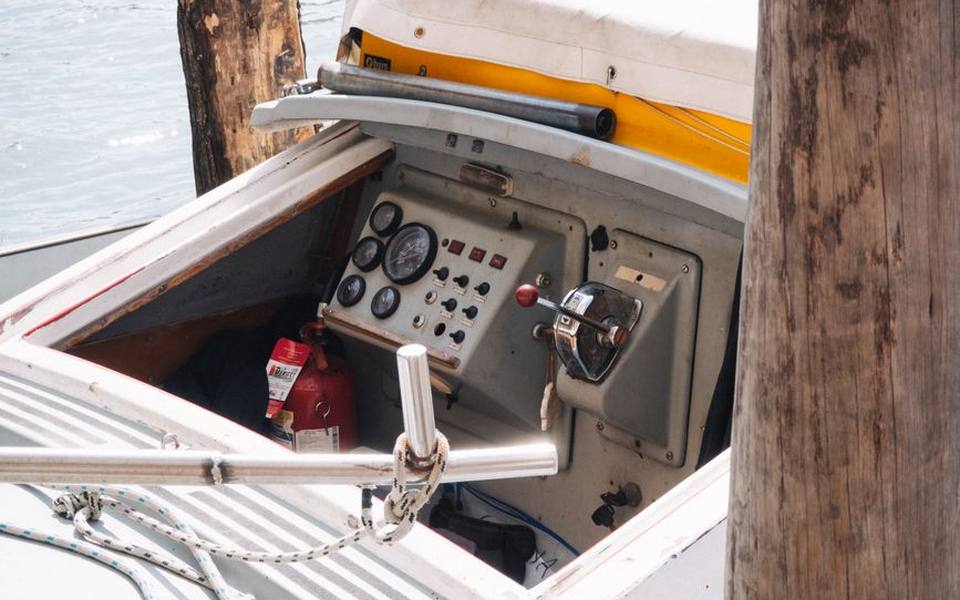
Boat Fire Extinguisher Inspection: Schedule, Checklist, and Costs
-
 Money
MoneyBoat Club Membership Costs: Initiation Fees, Monthly Dues, and Ownership Comparison
-
 Storage
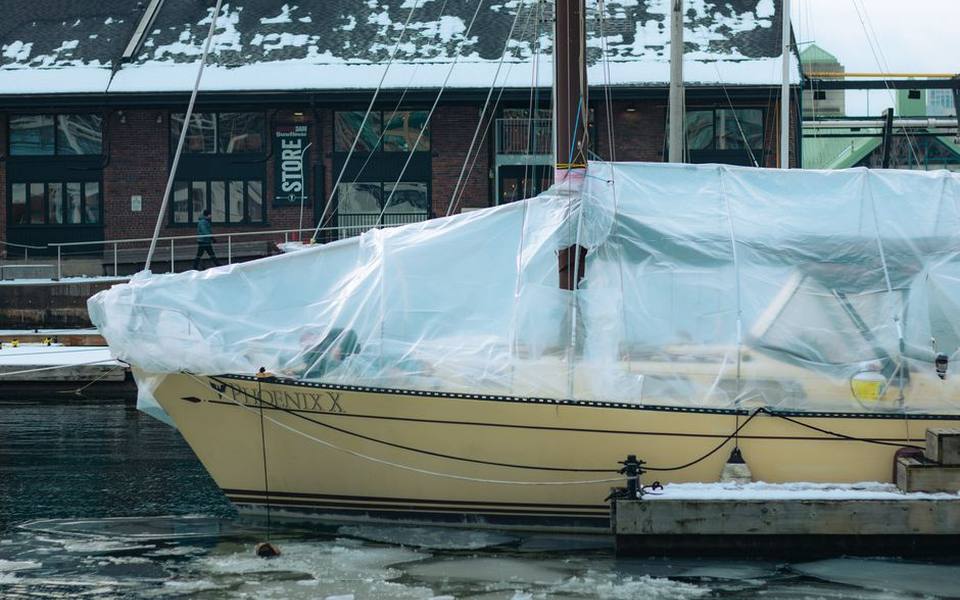
Boat Winterization and Storage: Costs, Checklist, and Shrink Wrapping Guide
-
 Storage
Boat Slips and Docking Fees: How Much Does It Cost to Keep a Boat in the Water?
-
 Owning
Essential Nautical Terms and Practical Boating Knowledge: From the Helm to Harbor Life
-
 Owning
A Practical Guide to Boat Mooring: Buoys, Lines, and Technique
-
 Safety
Essential Boat Safety Gear, Marine Electronics, and Equipment Guide
-
 Service
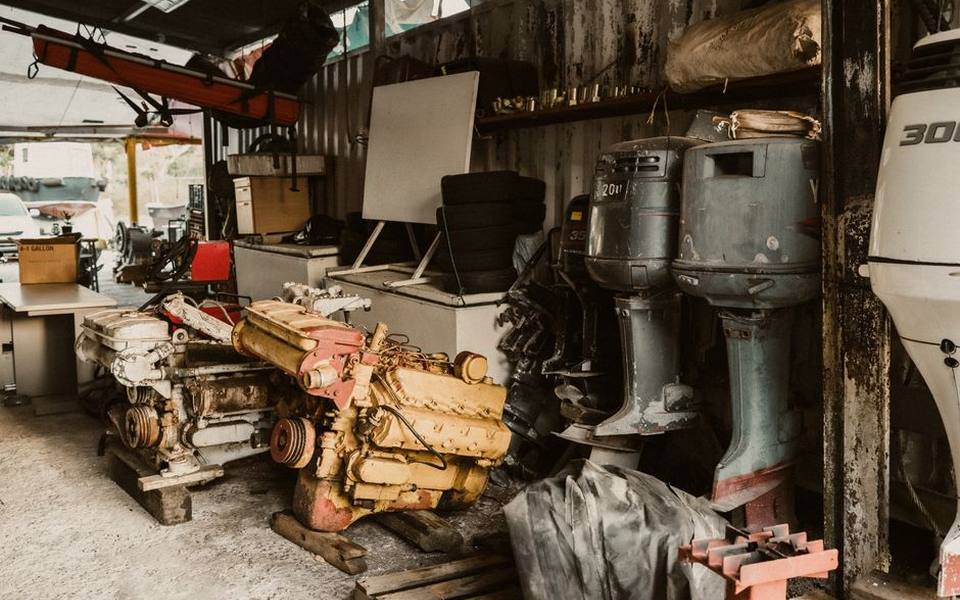
Outboard Engine Service and Rebuild Costs: What Boat Owners Should Expect to Pay
-
 Safety
Marine Weather Forecasts and Warnings: Reading NOAA Reports and Coastal Maps
-
 Safety
Boating Safety Certification and Licensing: State Requirements and Exam Prep
-
 Service
Saltwater and Freshwater Fishing Charters: Choosing Inshore, Offshore, and Deep Sea Trips
-
 Owning
Bareboat Yacht Charters: How to Rent, Qualifications, and Cruising Preparation
-
 Buying
Pontoon & Tritoon Boats: Buying, Renting, Models, and Pricing Guide
-
 Owning
Holiday Boat Parades and Coastal Festivals: Viewing Guide and Schedules
-
 Buying
A Complete Guide to Buying Used Boats: Valuations, Inspections, and Registration
-
 Owning
Waterfront Dining and Dockside Restaurants: Boater's Guide to Dock and Dine
-
 Owning
Dockside Bait Systems, Live Bait Sourcing, and Fish Cleaning Station Setup
-
 Safety
Marine Fire Safety Inspection and Extinguisher Maintenance
-
 Storage
Complete Guide to Boat Winterization, Shrink Wrapping, and Storage Covers
-
 Buying
Electric Boat Motors and Trolling Systems: The Practical Conversion Guide
-
 Owning
A Practical Guide to Public Boat Launches, Kayak Ramps, and Water Access
-
 Owning
Marine Lithium Batteries vs AGM: Setup, Charging, and Performance
-
Service
Boat Fiberglass & Gelcoat Repair Guide: Fixing Cracks, Blisters & Scratches
-
Service
Marine Fuel Tank Cleaning and Rust Removal Guide
-
Safety
USCG Captain's License Guide: OUPV 6-Pack Requirements and Renewal
-
Buying
Boat Dinghies and Inflatables Guide: Types, Motors, and Selection
-
Service
Boat Towing Services and Marine Assistance Memberships Explained
-
Owning
Boat Lettering, Registration Numbers, and Custom Vinyl Decals
-
Service
Outboard Motor and Lower Unit Maintenance, Repair, and Marine Diesel Guide
-
Buying
Shallow Water Anchor Systems: Power-Pole vs. Minn Kota Talon & Raptor
-
 Service
Complete Guide to Marine Bottom Paint and Antifouling Application
-
Owning
Cruising America's Great Loop: Route Planning, Boat Choice, and Cruising Resources
-
Service
Boat and Fishing Charters: Complete Guide to Styles, Rates, and Booking
-
Buying
Personal Watercraft and Jet Ski Guide: Models, Rentals, and Buying
-
Safety
Marine Weather Forecasts and NOAA Wave Reports: A Practical Boater's Guide
-
Safety
USCG Boat Registration, Boater Education, and Navigational Safety Rules
-
Owning
Marine Lithium Batteries, Solar Panel Systems, and Trickle Charging Guide
-
Service
Boat Trailer Maintenance: Bearings, Replacement Kits, and Towing Prep
-
Safety
Marine VHF Radio Frequencies, Channels, and Electronics Setup
-
 Service
Complete Boat Hull Maintenance Guide: Washing, Acid Cleaners, Gelcoat Repair, and Antifouling Paint
-
Service
Fixing Inflatable Boat Leaks and Replacing Worn Bimini Top Canvas
-
Owning
Buoy Mooring Setup, Dock Lines, Cleat Hitch Knots, and Anchor Pins
-
 Owning
Boat Trim Tabs Guide: Lenco, Zipwake, Bennett, and Electric vs Hydraulic
-
Owning
Upgrading Boat Swim Platforms, Boarding Ladders, and Marine Vinyl Seating
-
Owning
Best Gifts for Boaters, Practical Marine Accessories, and Kayak Storage Racks