The Reality of Switching to Electric Marine Power
Switching a small watercraft or fishing hull to electric propulsion requires matching motor thrust, hull resistance, and battery capacity rather than simply hunting for peak speed. Modern electric boat motors produce instant low-end torque without exhaust fumes, winterization rituals, or noise, making them ideal for shallow water, strict reservoir rules, and stealthy angling. However, electric setups trade continuous wide-open cruising speed for efficiency. Understanding your typical run time, wind exposure, and payload helps you build a system that works reliably every weekend on the water.
Unlike internal combustion units rated strictly in horsepower, an electric drive is commonly sized by thrust in pounds or continuous electrical wattage in kilowatts. A lightweight displacement hull moves easily with modest thrust, while a wide recreational boat fighting river currents demands higher voltage. Boaters making this conversion generally find that cruising at partial throttle dramatically expands operational range. Running at full throttle can drain an energy bank in under an hour, whereas easing back to three-quarter throttle frequently triples your distance.
Before investing in a dedicated boat engine electric setup, inspect your boat layout to ensure you have space for energy storage and safe cable runs. Modern modular systems allow you to place batteries in forward hatches or under center seats to maintain balanced trim. Taking time to map out motor mounting points, circuit breaker locations, and wiring conduits prevents costly retrofits later, giving you a clean, low-maintenance power plant that starts instantly with a switch.
Mounting Options and Power Needs for Kayaks
Rigging a trolling motor for kayak angling has transformed small-craft navigation, letting paddlers reach distant honey holes without exhausting themselves against oncoming tides. Anglers choose between three main setup styles: transom clamp mounts, bow brackets, and integrated rudder or drop-in pod systems. Bow-mounted motors pull the kayak through water, offering superior tracking in crosswinds, but they require remote foot or hand steering controls. Stern mounts push the craft efficiently and stay out of your casting lane, though reaching behind your seat to adjust steering can prove awkward without a linked foot-pedal line.

Selecting the right kayak motor comes down to finding a balance between overall weight, motor thrust, and physical hull stability. Compact units delivering 30 to 45 pounds of thrust usually provide ample speed for a standard single fishing kayak without overwhelming the transom. Pushing beyond 55 pounds of thrust rarely yields noticeable top-end speed gains due to kayak displacement limits; instead, excess power merely squanders battery reserve and can pull the stern dangerously low during sudden acceleration bursts.
Steering mechanisms deserve careful attention during any kayak refit. Cable-steered systems connected to standard foot pedals offer precise control while leaving both hands free to handle fishing tackle. Hand-tiller extensions work well for simple open cockpits, provided the handle does not obstruct your paddling stroke if backup manual power becomes necessary. Always rig an easily accessible quick-disconnect kill switch lanyard, ensuring that if you accidentally tumble overboard, the kayak does not motor away across open water.
Rigging Canoes with Stable Electric Mounts
Equipping a canoe with an auxiliary power plant lets solo paddlers and family campers cover large lakes without battling afternoon headwinds. Most paddlers rely on trolling motors for a canoe clamped to an offset bracket or mounted directly to a square-stern transom. Square-stern canoes accommodate small clamp-on outboards directly against the wood or composite transom plate, keeping the motor centered along the keel. Double-ended canoes require a sturdy transverse crossbar that locks across the gunwales just behind the rear seat, placing the motor shaft slightly to one side.
Choosing an appropriate canoe electric motor mount is essential for safety, as an offset motor applies strong twisting torque to the gunwales. Heavy-duty aluminum or hardwood clamp bars distribute that rotational force across both sides of the hull rather than stressing a single fiberglass or aluminum edge. When fabricating or buying a bracket, verify that the clamp jaw accommodates the thickness of your gunwale trim without gouging soft wood or crimping thin vinyl rails under maximum throttle.
Trim balance plays an enormous role in how an electrified canoe behaves in choppy chop. Because the motor sits at the stern, placing a heavy lead or lithium battery box in the rear compartment causes the bow to point skyward, catching wind like a sail. Running extended marine-grade copper cables forward allows you to secure the battery box in the center or slightly forward of the midpoint, leveling your draft and restoring steady tracking across open water.
Electrifying Pedal Boats and Casual Craft
Small resort ponds, homeowner association waterways, and private coves frequently see conversions where owners motorize leisure craft. Adding a pedal boat electric conversion turns an exhausting leg workout into a relaxing cruise around the shoreline. These low-displacement paddlewheel hulls create substantial drag, meaning they respond best to broad-bladed, high-torque props rather than high-speed outboard lower units. A simple clamp bracket mounted to the center grab handle or custom stern bridge provides sufficient drive to cruise smoothly.
Weight management is particularly sensitive on pedal craft and small tender shells. Most twin-hull pedal boats carry thin fiberglass or rotationally molded polyethylene structures that flex under heavy point loads. Distributing mechanical stress with wide backing plates prevents cracking around mounting bolt holes. Furthermore, placing electrical components inside dry utility compartments protects wiring harnesses from constant foot splashes and water dripping off wet swimsuits during warm summer outings.
When planning a leisure craft conversion, aim for simplicity and corrosion resistance above pure performance. Sealed waterproof connectors, marine-grade toggle switches, and corrosion-resistant hardware prevent the constant nuisance of oxidized terminals. Because these crafts are often operated by children or casual guests, installing a clear battery state-of-charge display and a mechanical throttle limiter helps ensure the vessel is not stranded in the center of the lake with depleted reserves.
Selecting Modern Lithium Battery Systems
The evolution of deep-cycle energy storage has revolutionized electric marine travel, with lithium iron phosphate chemistry replacing traditional flooded batteries. Upgrading to a dedicated li ion trolling motor battery slashes system weight by roughly seventy percent while delivering flat voltage delivery throughout the discharge cycle. Traditional lead-acid batteries suffer from voltage sag under heavy load, causing motor thrust to taper off noticeably as the day wears on, whereas lithium cells maintain brisk performance until the battery management system cuts off power.
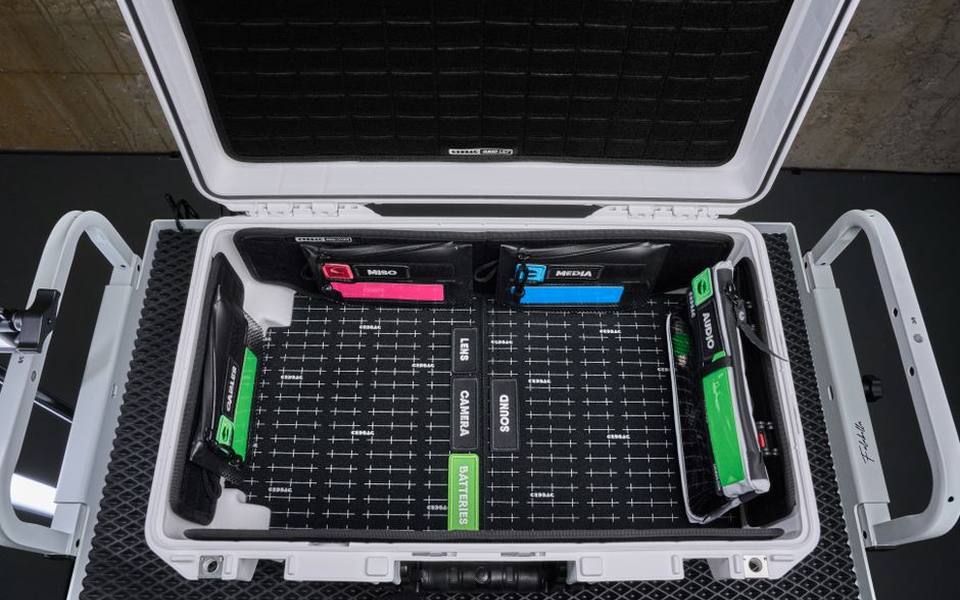
Usable capacity is another major advantage of modern lithium packs. A standard lead-acid deep-cycle bank should not routinely be drawn below fifty percent of its rated capacity without suffering permanent plate degradation. In contrast, lithium iron phosphate chemistry safely yields eighty to ninety percent of its rated amp-hour capacity through thousands of recharge cycles. Although the upfront purchase cost remains substantially higher, the extended lifespan and lack of maintenance typically make lithium the more economical long-term investment.
Proper charging infrastructure is mandatory when outfitting your vessel with advanced chemistries. You cannot simply use an outdated automotive battery charger, as lithium cells demand precise constant-current and constant-voltage charging profiles without equalization spikes. Investing in an onboard marine-rated charger equipped with dedicated lithium algorithms protects the internal battery management system, balances cell voltages automatically, and ensures your pack is safely replenished overnight between outings on the water.
Equipping Larger Fishing Hulls and Skiffs
Serious anglers operating aluminum bass boats, flats skiffs, and deep-V walleye hulls demand sophisticated electric trolling motors for boats to handle boat control under harsh conditions. Bow-mounted trolling systems equipped with internal GPS modules, heading sensors, and digital spot-lock capabilities have fundamentally changed bottom fishing. Rather than deploying physical anchors that can spook fish or break loose in deep water, an angler taps a foot pedal or handheld remote to hold the hull within feet of a GPS coordinate.
Converting a full-sized fishing boat electric platform requires choosing between standard 12-volt, 24-volt, or 36-volt architectures. Boats measuring sixteen to eighteen feet generally perform best with 24-volt setups delivering seventy to eighty pounds of thrust, providing enough reserve power to fight stiff river currents. Hulls stretching nineteen feet or longer, especially those carrying tall windscreens and heavy livewells, almost always demand 36-volt systems to maintain station-keeping during blustery days without overheating the motor windings.
Rigging heavy trolling setups demands meticulous electrical wiring practices. Pulling sixty amps through a long run of undersized cable causes voltage drop, poor motor performance, and potential fire hazards. Boaters should run heavy gauge, tinned marine wire, install a marine-rated manual-reset circuit breaker within inches of the battery terminal, and use heavy-duty quick-release plugs at the bow deck to allow easy removal of the motor for winter storage or maintenance.
Integrated High-Power Outboards and Pods
Beyond positioning motors, many boaters now replace gas outboards entirely with self-contained, high-output electric outboards. Engineered platforms like torqeedo electric motors integrate the motor, planetary gearbox, power electronics, and GPS-linked range computers into a streamlined transom unit. These systems run on dedicated high-voltage or 48-volt lithium architectures, turning large-diameter, high-pitch propellers that maximize hydrodynamic efficiency at displacement and semi-planing speeds across sheltered bays and inland waters.
Choosing between an outboard and a pod drive depends on hull design and steering preference. Pod drives mount cleanly through the hull bottom or attach under the stern swim platform, saving valuable transom space on small catamarans, daysailers, and custom runabouts. High-power electric outboards, conversely, mount to conventional transom brackets, tilt up clear of shallow flats, and integrate directly with standard cable or hydraulic steering helms found on everyday utility skiffs.
The primary advantage of these integrated systems is real-time communication between the motor throttle, battery bank, and digital helm display. Built-in microprocessors calculate current draw against GPS ground speed, giving the operator an exact countdown of remaining runtime and nautical range at any throttle position. This transparent data eliminates the anxiety of battery depletion, letting skippers confidently explore coastal bays, inland rivers, and quiet waterways without guessing their return margins.
Calculating Thrust, Voltage, and Shaft Length
A common mistake during an electric conversion is miscalculating shaft length, which leads to ventilation in choppy water or bottom impacts in the shallows. To find the correct shaft measurement for a bow-mounted motor, measure the distance from the top of the bow deck to the water line while the boat is loaded. You must then add roughly sixteen to twenty inches to that measurement to ensure the propeller remains submerged by at least twelve inches when the bow rises over passing waves.

Thrust requirements depend directly on your boat's fully loaded displacement rather than bare hull weight alone. A proven baseline rule among marine riggers is providing at least two pounds of thrust for every one hundred pounds of gross vessel weight, including fuel, gear, batteries, and passengers. If you routinely fish in areas characterized by heavy tidal currents, shallow river flows, or exposed reservoirs subject to high sustained winds, increasing that baseline by thirty percent prevents motor strain.
Voltage determines how efficiently your electrical system delivers that required thrust. While a 12-volt motor is economical and simple for light craft, drawing high amperage creates heat inside the cabling. Stepping up to 24 or 48 volts cuts current flow in half for the same mechanical output, allowing cooler running temperatures, longer component life, and less energy lost as resistance. Carefully balancing voltage with available battery storage space guarantees reliable, efficient power delivery across full days on the water.
Sourcing Hardware and Inspecting Listings
When browsing electric trolling motors for sale, prospective buyers must evaluate both new inventory and pre-owned gear with a critical eye. Used motors can offer substantial cost savings, but composite shaft integrity, lower-unit seals, and electrical armature health require thorough physical verification before purchase. A motor that has ingested water through a compromised prop shaft seal will quickly corrode from the inside out, leading to intermittent power cuts and expensive motor housing replacements.
Always inspect the lower unit housing for hairline cracks, severe rock gouges, or signs of skeg bending. Remove the prop nut to look for tangled monofilament line wrapped around the propeller shaft, which is the leading cause of seal failure on electric drives. Test the steering tension collar, depth adjustment clamps, and stow-and-deploy release levers to ensure moving metal parts glide smoothly without binding, galling, or exhibiting severe galvanic corrosion.
If you are considering pre-packaged boat setups, touring local yards or finding boats that already have electric conversions installed can provide valuable insight. Many community basins and commercial docks with boat rentals on-site feature small utility skiffs or pontoon craft that demonstrate practical mounting ideas, wiring runs, and onboard charging hardware. Seeing functional setups in active commercial service helps you identify durable brackets and clean wiring methods that hold up over years of exposure.
Launch Preparations and Navigation Rules
Electrifying any paddle craft or rowing skiff typically shifts its legal status under state recreational boating laws. In most states, adding an electric motor of any size to a kayak, canoe, or paddle craft legally turns it into a motorized vessel. This classification requires registering the hull with your local wildlife or motor vehicle agency, displaying registration numbers and validation decals, and carrying mandatory safety gear such as a whistle, life jacket, and night navigation lights.
Launching your newly converted craft requires checking site-specific conditions and infrastructure before trailering out. Access points range from unimproved shoreline slips to paved concrete paths equipped with a boat launch ramp, where backing down a trailer or dollied small craft is straightforward. Many recreational basins offer organized boat launch access, giving skippers protected staging areas, docks to tie off during vehicle parking, and calm water to check motor trim and battery connections before venturing into main channels.
For boaters planning multi-day trips across broader waterways, verifying charging access is vital. Coastal marinas and lake ports featuring dedicated transient slips frequently offer dockside pedestal power compatible with onboard smart chargers. Finding quality infrastructure across major boating centers like Marinas in Florida ensures you can recharge battery banks overnight, run safety checks, and keep your electric drive performing at its peak across every journey.
Published 2026-09-21 · reviewed with each rebuild, last September 2026.
Find marinas near you
The directory lists 7,143 marinas by state and city — pick your state or use the “Near me” button in the header.
More guides
-
 Safety
Boat Fire Extinguisher Inspection: Schedule, Checklist, and Costs
-
 Money
MoneyBoat Club Membership Costs: Initiation Fees, Monthly Dues, and Ownership Comparison
-
 Storage
Boat Winterization and Storage: Costs, Checklist, and Shrink Wrapping Guide
-
 Storage
Boat Slips and Docking Fees: How Much Does It Cost to Keep a Boat in the Water?
-
 Owning
Essential Nautical Terms and Practical Boating Knowledge: From the Helm to Harbor Life
-
 Owning
A Practical Guide to Boat Mooring: Buoys, Lines, and Technique
-
 Safety
Essential Boat Safety Gear, Marine Electronics, and Equipment Guide
-
 Service
Outboard Engine Service and Rebuild Costs: What Boat Owners Should Expect to Pay
-
 Safety
Marine Weather Forecasts and Warnings: Reading NOAA Reports and Coastal Maps
-
 Safety
Boating Safety Certification and Licensing: State Requirements and Exam Prep
-
 Service
Saltwater and Freshwater Fishing Charters: Choosing Inshore, Offshore, and Deep Sea Trips
-
 Owning
Bareboat Yacht Charters: How to Rent, Qualifications, and Cruising Preparation
-
 Buying
Pontoon & Tritoon Boats: Buying, Renting, Models, and Pricing Guide
-
 Owning
Holiday Boat Parades and Coastal Festivals: Viewing Guide and Schedules
-
 Buying
A Complete Guide to Buying Used Boats: Valuations, Inspections, and Registration
-
 Owning
Waterfront Dining and Dockside Restaurants: Boater's Guide to Dock and Dine
-
 Owning
Dockside Bait Systems, Live Bait Sourcing, and Fish Cleaning Station Setup
-
 Safety
Marine Fire Safety Inspection and Extinguisher Maintenance
-
 Storage
Complete Guide to Boat Winterization, Shrink Wrapping, and Storage Covers
-
 Owning
A Practical Guide to Public Boat Launches, Kayak Ramps, and Water Access
-
 Owning
Marine Lithium Batteries vs AGM: Setup, Charging, and Performance
-
Service
Boat Fiberglass & Gelcoat Repair Guide: Fixing Cracks, Blisters & Scratches
-
Service
Marine Fuel Tank Cleaning and Rust Removal Guide
-
Safety
USCG Captain's License Guide: OUPV 6-Pack Requirements and Renewal
-
Buying
Boat Dinghies and Inflatables Guide: Types, Motors, and Selection
-
Service
Boat Towing Services and Marine Assistance Memberships Explained
-
Owning
Boat Lettering, Registration Numbers, and Custom Vinyl Decals
-
Service
Outboard Motor and Lower Unit Maintenance, Repair, and Marine Diesel Guide
-
Buying
Shallow Water Anchor Systems: Power-Pole vs. Minn Kota Talon & Raptor
-
 Service
Complete Guide to Marine Bottom Paint and Antifouling Application
-
Owning
Cruising America's Great Loop: Route Planning, Boat Choice, and Cruising Resources
-
Service
Boat and Fishing Charters: Complete Guide to Styles, Rates, and Booking
-
Buying
Personal Watercraft and Jet Ski Guide: Models, Rentals, and Buying
-
 Owning
Marine Supply Stores and Chandleries: Outfitting Your Boat
-
Safety
Marine Weather Forecasts and NOAA Wave Reports: A Practical Boater's Guide
-
Safety
USCG Boat Registration, Boater Education, and Navigational Safety Rules
-
Owning
Marine Lithium Batteries, Solar Panel Systems, and Trickle Charging Guide
-
Service
Boat Trailer Maintenance: Bearings, Replacement Kits, and Towing Prep
-
Safety
Marine VHF Radio Frequencies, Channels, and Electronics Setup
-
 Service
Complete Boat Hull Maintenance Guide: Washing, Acid Cleaners, Gelcoat Repair, and Antifouling Paint
-
Service
Fixing Inflatable Boat Leaks and Replacing Worn Bimini Top Canvas
-
Owning
Buoy Mooring Setup, Dock Lines, Cleat Hitch Knots, and Anchor Pins
-
 Owning
Boat Trim Tabs Guide: Lenco, Zipwake, Bennett, and Electric vs Hydraulic
-
Owning
Upgrading Boat Swim Platforms, Boarding Ladders, and Marine Vinyl Seating
-
Owning
Best Gifts for Boaters, Practical Marine Accessories, and Kayak Storage Racks