The Core Choice: LiFePO4 vs AGM on the Water
Upgrading marine power often comes down to choosing between modern lithium iron phosphate (LiFePO4) cells and traditional absorbed glass mat (AGM) units. In short, lithium marine batteries deliver roughly twice the usable energy, weigh less than half as much, and maintain consistent voltage until nearly depleted, while AGM marine batteries offer lower upfront acquisition costs and straightforward compatibility with legacy charging gear. The best option depends on how you run your electronics, your available onboard charging systems, and how frequently you venture away from dockside power.
Traditional lead-based AGM units hold an electrolyte suspended in glass fiber mats, making them spill-proof, resistant to vibration, and generally maintenance-free compared to flooded cells. They have served recreational vessels well for decades because they handle high starter cranking currents and moderate cycling without fuss. However, drawing an AGM bank below half its rated capacity on a regular basis accelerates sulfation and shortens its operating lifespan significantly, leaving boaters with less usable energy than the label indicates.
Deep cycle lithium ion batteries designed for marine use rely on LiFePO4 chemistry, which is inherently stable and resistant to thermal runaway. These packs include a built-in battery management system (BMS) that actively monitors individual cell voltages, temperature, and current flow. Because a marine lithium battery can routinely discharge eighty to ninety percent of its capacity without degradation, a single pack often replaces multiple heavy AGM cases in tight vessel compartments.
Usable Capacity and Voltage Sag Under Load
A major operational difference between these two battery types lies in how voltage behaves under heavy continuous loads. Lead-acid batteries, including high-grade AGM units, suffer from Peukert’s effect, meaning their effective storage drops noticeably when high current is drawn by items like electric downriggers, livewell aerators, or high-thrust trolling motors. As the state of charge decreases, voltage gradually drops from over twelve volts down into the mid-elevens, causing electronics to flicker or trolling motors to lose their top-end speed.
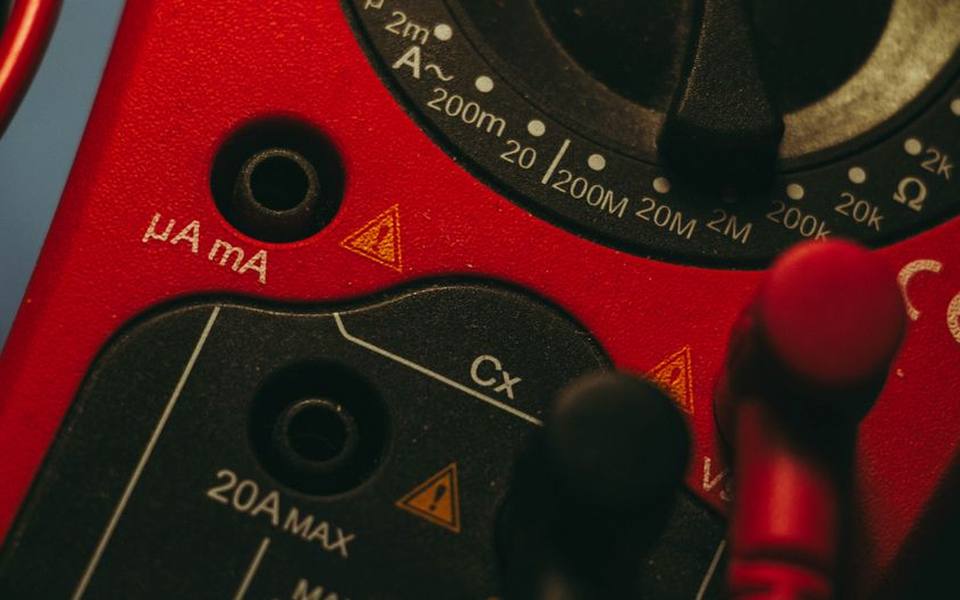
In contrast, a deep-cycle LiFePO4 trolling motor battery holds a remarkably flat voltage curve across its entire discharge cycle. A twelve-volt lithium pack generally stays between 12.8 and 13.2 volts until roughly ninety percent of its energy is spent, providing constant motor thrust and clean power to sensitive navigation screens. Anglers running through heavy chop or current will find their gear works with identical vigor at late afternoon as it did right after launching at the local boat launch ramp in early morning.
Usable depth of discharge also shifts the value equation between the chemistries. If you buy a hundred-amp-hour AGM battery, practical marine guidelines suggest consuming only fifty amp-hours before recharging to avoid premature failure. With high-grade lithium batteries for boats, that same hundred-amp-hour rating offers eighty to ninety-five amp-hours of real, usable energy. Consequently, matching your vessel's electrical budget with lithium often allows for a physically smaller bank than an equivalent AGM configuration.
Weight Savings and Transom Dynamics
Boaters often overlook the dramatic influence battery mass has on vessel trim, draft, and fuel economy. A group thirty-one AGM battery typically weighs between sixty-five and seventy-five pounds, meaning a dedicated thirty-six-volt bank of three units adds well over two hundred pounds into the hull. Placing that concentrated mass in the stern or under bow compartments alters running attitude, makes the boat draft deeper in shallow water, and can noticeably reduce top-end speed on planing hulls.
Lithium alternatives tip the scales at roughly twenty-five to thirty pounds for a similar physical footprint, cutting total battery storage weight by sixty percent or more. This reduction translates into quicker hole shots for bass boats, reduced draft when stalking fish in shallow backwaters, and lighter towing tongue weight on the highway. For smaller vessels or flats skiffs where every hundred pounds directly affects hull responsiveness, shedding battery mass improves everyday handling on the water.
Commercial fleets and recreational cruisers also benefit from weight reductions across extended cruising routes. Less dead weight in the hull means engines do not have to work as hard to maintain cruising velocity, leading to measurable fuel savings over an entire boating season. Even sailors appreciate how dropping ballast from deep battery lockers reduces rolling motion in swell, keeping the craft more balanced under canvas or light auxiliary motoring.
Charging Profiles and Onboard Marine Chargers
You cannot simply drop lithium packs into a vessel and rely on a legacy charger designed for lead-acid chemistry. AGM batteries require a three-stage charging profile involving bulk, absorption, and a prolonged float stage typically sitting around 13.2 to 13.8 volts. Lithium chemistries, however, do not want prolonged trickle floating; they need a constant-current, constant-voltage profile that reaches roughly 14.4 to 14.6 volts before terminating the charge once cells balance.
Modern multi-bank marine units, such as a modern yacht battery charger or units built by established manufacturers like ProMariner, feature selectable charging profiles on each individual bank. This flexibility allows an owner to run an AGM cranking battery on bank one while directing an optimized LiFePO4 algorithm to trolling banks two and three. Charging a lithium bank with an incompatible profile risks undercharging the cells or triggering the battery management system to shut down due to excessive voltage during absorption.
Dockside infrastructure also plays a role in how rapidly you can replenish spent banks. Many marinas featuring dedicated transient slips provide thirty-amp or fifty-amp shore power hookups capable of handling heavy charger draws. Because lithium batteries accept higher continuous charge currents without overheating, a compatible high-amperage onboard charger can often replenish an empty LiFePO4 bank in two to four hours, whereas an AGM bank demands six to twelve hours to fully absorb top-end energy.
Alternator Protection and Dual-Chemistry Wiring
Connecting a high-capacity lithium house bank directly to an engine alternator requires careful planning to prevent equipment damage. Standard marine alternators depend on internal resistance to govern current flow, but deep-cycle lithium packs have extremely low internal resistance and will attempt to pull every available amp from the charging circuit. Under sustained low-RPM cruising, this excessive load can quickly overheat and burn out a standard outboard or inboard alternator.

A sudden disconnect by the battery's internal management system presents another serious hazard known as alternator load dump. If the battery management system shuts off due to high voltage or thermal protection while the alternator is charging at full output, the sudden voltage spike can instantly destroy the alternator’s diodes and damage onboard electronics. Marine electricians routinely install smart DC-to-DC chargers between the starter battery and the lithium bank to limit alternator draw and isolate the charging paths safely.
In a dual-battery or multi-bank arrangement, the most reliable blueprint retains a rugged AGM battery for engine cranking while routing house and accessory demands through lithium. The engine alternator replenishes the starter AGM naturally through standard boat wiring, while a compact DC-to-DC converter siphons off a safe, controlled current to replenish the lithium house bank during transit. This configuration protects factory warranties on outboards while delivering the benefits of deep-cycle lithium storage.
Trolling Motor Systems: 12V, 24V, and 36V Setups
Modern electric bow motors demand substantial electrical power, especially when equipped with GPS spot-locking capabilities that run continuously in wind and current. When designing thirty-six-volt trolling motor batteries, anglers traditionally wire three separate twelve-volt AGM units in series. While functional, this approach requires multiple interconnect cables, three battery trays, and precise maintenance to ensure all three units degrade at an equal pace over seasons of use.
Drop-in lithium solutions have expanded to include dedicated single-case thirty-six-volt and twenty-four-volt batteries alongside classic twelve-volt series groupings. High-performance units from specialty suppliers like Dakota Lithium or Monster Marine Lithium provide a single thirty-six-volt terminal output with one integrated management system. Opting for a single high-voltage battery eliminates inter-battery series jumper cables, reducing potential points of corrosion and resistance in damp forward bilge compartments.
If you choose to wire three independent twelve-volt lithium batteries in series to achieve thirty-six volts, ensure the manufacturer specifically supports series wiring. Some entry-level battery management systems cannot tolerate the voltage spikes experienced when multiple units are wired in series. Furthermore, multi-bank charging remains essential for series-connected twelve-volt lithiums to prevent cell drift, ensuring each twelve-volt pack receives balanced charging voltage independent of its neighbors.
Safety, Cold Temperatures, and BMS Functions
Safety concerns surrounding marine lithium ion batteries are largely mitigated by the widespread adoption of lithium iron phosphate chemistry. Unlike early lithium-cobalt designs common in consumer laptops, LiFePO4 cells are chemically stable and release no oxygen if pierced or overcharged, virtually eliminating spontaneous combustion hazards on vessels. Nevertheless, marine electrical codes established by the American Boat and Yacht Council mandate proper overcurrent protection, vapor-tight installations, and secure battery tie-downs.
The battery management system acts as the protective brain inside every modern li ion boat battery. The management board continuously monitors cell equilibrium, low-voltage thresholds, excessive current draw, and internal temperature. If a short circuit occurs or voltage dips into dangerous territory, the internal circuit opens to isolate the cells, preventing irreversible physical damage. This automatic disconnect is a crucial safeguard, though it reinforces why critical systems like engine starters should not share unmonitored lithium circuits.
Temperature extremes introduce specific operational constraints that every boater must understand, particularly in northern climates like Michigan waterways where early spring outings bring freezing ambient temperatures. LiFePO4 batteries can safely discharge in sub-freezing conditions, but attempting to charge them below thirty-two degrees Fahrenheit can cause permanent lithium plating on the anodes. Quality marine lithium packs now incorporate internal heating elements that warm the cells using incoming charger current before allowing energy into the storage plates.
Service Life and Total Cost of Ownership
Evaluating battery systems purely on showroom price tags creates a misleading picture of true marine operating costs. A high-quality marine AGM battery might carry a purchase price that feels comfortable, but typical recreational cycling yields roughly three hundred to five hundred charge cycles before capacity degrades past acceptable thresholds. For frequent boaters or tournament anglers, an AGM set may require complete replacement every two to three seasons.

Premium lithium marine batteries cost significantly more upon initial purchase, yet they routinely offer two thousand to five thousand full charge cycles while retaining over eighty percent of original capacity. When broken down to cost per delivered kilowatt-hour over a five-to-ten-year span, lithium frequently matches or beats lead alternatives. In commercial charter operations and seasonal programs, such as coastal boat rental fleets, the longevity and zero-maintenance nature of lithium easily justifies the initial expenditure.
Warranty coverage also reflects these distinct engineering lifespans. Standard AGM marine warranties usually extend from twelve to thirty-six months, with many prorated after the initial year of service. Conversely, recognized marine lithium manufacturers commonly back their products with non-prorated eight-to-eleven-year warranties, reflecting confidence in solid-state chemistry. Factoring in avoided labor, fewer trailering hassles, and reliable dockside turnaround times, the financial ledger tilts toward lithium for anyone keeping their hull long term.
Practical Installation and Marine Wiring Standards
Executing a clean installation requires strict adherence to marine wiring best practices, regardless of which battery chemistry sits in your bilge. Marine-grade tinned copper cabling is mandatory to resist saltwater corrosion, and conductors must be sized appropriately to minimize voltage drops across longer runs. Because lithium systems can discharge continuous high currents without voltage sagging, undersized conductors run a genuine risk of overheating under sustained electrical loads.
Fusing must be installed within seven inches of the positive battery post, or within forty inches if the conductor is enclosed in a protective sheath, according to standard marine protocols. High-capacity lithium packs require heavy-duty Class-T or terminal-mounted MRBF fuses with adequate interrupting capacity. Standard automotive blade fuses or basic glass cylinders are incapable of cleanly breaking the sudden, massive fault currents that a modern lithium bank can discharge during a direct terminal short.
Proper ventilation and mounting hardware complete the physical setup. Although AGM and LiFePO4 batteries do not release explosive hydrogen gas during standard cycling like flooded lead-acid units, they still require secure mounting trays capable of withstanding heavy impact loads in rough waters. Loose batteries sliding in a compartment will fracture terminals, loosen cable lugs, and create severe short-circuit hazards that jeopardize vessel safety.
Choosing the Right Setup for Your Boating Style
Selecting between AGM and lithium ultimately hinges on your specific boating lifestyle, mechanical comfort, and budget horizons. If your boat sees occasional weekend service, sits on a mooring without electrical hookups, or features an older outboard with a basic charging circuit, quality AGM batteries remain a sensible, worry-free choice. They install without electrical retrofits, behave predictably with standard marine chargers, and handle engine cranking demands effortlessly.
For avid anglers running heavy multi-screen electronics, offshore cruisers demanding substantial house power away from port, or owners looking to maximize vessel performance, lithium is the superior modern investment. The combination of sustained voltage under load, rapid shore charging, massive weight savings, and extensive cycle life outweighs the initial upgrade hassle. Ensuring your charger profiles, alternator protections, and wiring safety standards are properly aligned guarantees years of dependable power wherever you cruise.
Published 2026-09-21 · reviewed with each rebuild, last September 2026.
Find marinas near you
The directory lists 7,143 marinas by state and city — pick your state or use the “Near me” button in the header.
More guides
-
 Safety
Boat Fire Extinguisher Inspection: Schedule, Checklist, and Costs
-
 Money
MoneyBoat Club Membership Costs: Initiation Fees, Monthly Dues, and Ownership Comparison
-
 Storage
Boat Winterization and Storage: Costs, Checklist, and Shrink Wrapping Guide
-
 Storage
Boat Slips and Docking Fees: How Much Does It Cost to Keep a Boat in the Water?
-
 Owning
Essential Nautical Terms and Practical Boating Knowledge: From the Helm to Harbor Life
-
 Owning
A Practical Guide to Boat Mooring: Buoys, Lines, and Technique
-
 Safety
Essential Boat Safety Gear, Marine Electronics, and Equipment Guide
-
 Service
Outboard Engine Service and Rebuild Costs: What Boat Owners Should Expect to Pay
-
 Safety
Marine Weather Forecasts and Warnings: Reading NOAA Reports and Coastal Maps
-
 Safety
Boating Safety Certification and Licensing: State Requirements and Exam Prep
-
 Service
Saltwater and Freshwater Fishing Charters: Choosing Inshore, Offshore, and Deep Sea Trips
-
 Owning
Bareboat Yacht Charters: How to Rent, Qualifications, and Cruising Preparation
-
 Buying
Pontoon & Tritoon Boats: Buying, Renting, Models, and Pricing Guide
-
 Owning
Holiday Boat Parades and Coastal Festivals: Viewing Guide and Schedules
-
 Buying
A Complete Guide to Buying Used Boats: Valuations, Inspections, and Registration
-
 Owning
Waterfront Dining and Dockside Restaurants: Boater's Guide to Dock and Dine
-
 Owning
Dockside Bait Systems, Live Bait Sourcing, and Fish Cleaning Station Setup
-
 Safety
Marine Fire Safety Inspection and Extinguisher Maintenance
-
 Storage
Complete Guide to Boat Winterization, Shrink Wrapping, and Storage Covers
-
 Buying
Electric Boat Motors and Trolling Systems: The Practical Conversion Guide
-
 Owning
A Practical Guide to Public Boat Launches, Kayak Ramps, and Water Access
-
Service
Boat Fiberglass & Gelcoat Repair Guide: Fixing Cracks, Blisters & Scratches
-
Service
Marine Fuel Tank Cleaning and Rust Removal Guide
-
Safety
USCG Captain's License Guide: OUPV 6-Pack Requirements and Renewal
-
Buying
Boat Dinghies and Inflatables Guide: Types, Motors, and Selection
-
Service
Boat Towing Services and Marine Assistance Memberships Explained
-
Owning
Boat Lettering, Registration Numbers, and Custom Vinyl Decals
-
Service
Outboard Motor and Lower Unit Maintenance, Repair, and Marine Diesel Guide
-
Buying
Shallow Water Anchor Systems: Power-Pole vs. Minn Kota Talon & Raptor
-
 Service
Complete Guide to Marine Bottom Paint and Antifouling Application
-
Owning
Cruising America's Great Loop: Route Planning, Boat Choice, and Cruising Resources
-
Service
Boat and Fishing Charters: Complete Guide to Styles, Rates, and Booking
-
Buying
Personal Watercraft and Jet Ski Guide: Models, Rentals, and Buying
-
 Owning
Marine Supply Stores and Chandleries: Outfitting Your Boat
-
Safety
Marine Weather Forecasts and NOAA Wave Reports: A Practical Boater's Guide
-
Safety
USCG Boat Registration, Boater Education, and Navigational Safety Rules
-
Owning
Marine Lithium Batteries, Solar Panel Systems, and Trickle Charging Guide
-
Service
Boat Trailer Maintenance: Bearings, Replacement Kits, and Towing Prep
-
Safety
Marine VHF Radio Frequencies, Channels, and Electronics Setup
-
 Service
Complete Boat Hull Maintenance Guide: Washing, Acid Cleaners, Gelcoat Repair, and Antifouling Paint
-
Service
Fixing Inflatable Boat Leaks and Replacing Worn Bimini Top Canvas
-
Owning
Buoy Mooring Setup, Dock Lines, Cleat Hitch Knots, and Anchor Pins
-
 Owning
Boat Trim Tabs Guide: Lenco, Zipwake, Bennett, and Electric vs Hydraulic
-
Owning
Upgrading Boat Swim Platforms, Boarding Ladders, and Marine Vinyl Seating
-
Owning
Best Gifts for Boaters, Practical Marine Accessories, and Kayak Storage Racks