The Fundamental Differences Between Inshore, Offshore, and Deep Sea Trips
Choosing the right fishing charter comes down to water depth, travel time, target species, and personal tolerance for open swells. Inshore trips stay within sheltered bays, sounds, mangrove estuaries, and tidal flats, rarely losing sight of land. Because these waters remain relatively calm, inshore excursions are typically ideal for beginners, families with younger children, or anglers prone to severe motion sickness. Trips generally last four to six hours, maximizing actual fishing time rather than burning half the day traveling to distant fishing grounds.
Offshore and deep sea trips venture well past coastal barrier islands into open ocean territory, often reaching depths between one hundred and several thousand feet. Offshore runs typically push anywhere from ten to sixty miles off the coastline, requiring heavy-duty vessels built to handle unpredictable chop. While offshore journeys focus on reefs, wrecks, and bluewater current edges, dedicated deep sea excursions target pelagic predators and deep-dwelling bottom feeders around underwater canyons, continental shelf drop-offs, and artificial structures.
Travel time represents the most significant operational difference between these styles of fishing. A flats or bay guide can often put you on schools of fish within twenty minutes of clearing the marina basin. By contrast, an offshore bluewater run may require two to three hours of steady cruising each way before lines enter the water. Deciding how much time you want to spend running versus actively casting determines which charter style fits your personal goals.
Inshore and Backwater Charters for Light Tackle Action
Inshore charters prioritize precision casting, light tackle action, and sight fishing across shallow coastal environments. Guides typically operate flats skiffs or shallow-draft bay boats between eighteen and twenty-four feet in length. These specialized crafts can slip across sandbars and oyster reefs where larger craft cannot float. Anglers target species like red drum, speckled seatrout, snook, flounder, and striped bass, frequently using light spinning outfits or fly rods that make every hookset feel lively.
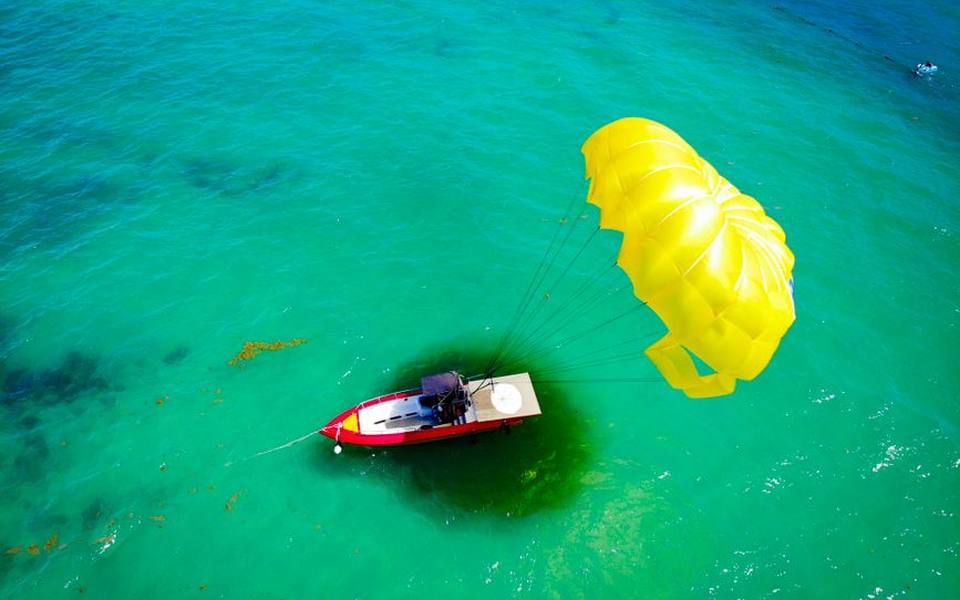
Regional geography shapes the exact character of inshore trips along different coastlines. Lowcountry waterways, such as the marsh estuaries found across the Carolinas and Georgia, revolve around tidal swings that pull gamefish into creek drains and Spartina grass flats. Many experienced guides launch directly from neighborhood launch points or municipal slips listed among boat ramps to access secluded estuaries away from commercial shipping channels. In Florida and the Gulf Coast, inshore runs often mean working mangrove shorelines, bridge pilings, and grass flats under sunny skies.
Because backwater ecosystems are protected from heavy open-ocean rollers, sea conditions remain manageable even when offshore winds kick up whitecaps. If a member of your group worries about seasickness, inshore fishing provides an active day on the water with virtually zero risk of heavy rolling swells. You spend your morning casting toward structure, working artificial lures, or watching live shrimp drift beneath popping corks while watching coastal wading birds and marine wildlife.
Offshore and Bluewater Sportfishing for Pelagic Giants
Venturing into offshore waters shifts the focus toward heavy tackle, specialized trolling spreads, and powerful pelagic gamefish. Target species in these depths include yellowfin tuna, mahi-mahi, wahoo, sailfish, and blue marlin. Unlike inshore fishing, where anglers sight-cast to individual targets, bluewater sportfishing involves trolling skirted ballyhoo, cedar plugs, and plastic teasers behind outriggers to raise predators from the deep blue or scanning sonar displays for schools suspended around thermal breaks.
Gulf Coast charters operating out of ports like Louisiana and coastal Texas face distinct offshore terrain defined by the Mississippi River outflow and deep-sea energy infrastructure. Charter boats run past the green river water into blue oceanic depths, targeting massive tuna, amberjack, and cobia stacked around floating oil platforms and underwater salt domes. Many anglers researching these high-intensity runs seek experienced bluewater operators from commercial harbors and Texas marinas capable of staging fifty-foot sportfishers for extended runs.
Offshore fishing requires patience during the transit and setup phases, but hookups can turn the deck into controlled chaos in seconds. Landing a hundred-pound tuna or a blistering wahoo tests physical endurance, requiring harness systems and coordinated teamwork between the captain, deckhand, and angler. Because these outings demand significant fuel consumption, specialized heavy tackle, and long running times, offshore charters represent a higher financial investment that demands a full day commitment.
Targeting Pacific Halibut and Cold-Water Groundfish
Saltwater charter options on northern coastlines offer a distinct, physically demanding style of fishing centered on bottom-dwelling groundfish. In the Pacific Northwest and coastal Alaska, halibut fishing is a premier draw for anglers seeking massive white-meat table fare. Charters depart protected harbors to work underwater banks, gravel plateaus, and deep trenches where these flatfish congregate to feed on herring, cod, and crab along strong tidal currents.
Halibut fishing requires specialized heavy rods, stout braided lines, and lead weights that can exceed two pounds simply to hold bottom in sweeping currents. Anglers drop large spreader rigs or whole-fish baits hundreds of feet down, patiently waiting for the distinctive tap-tap of a feeding halibut before executing a deliberate hookset. Pulling a forty- to eighty-pound flatfish from several hundred feet down against heavy water resistance demands sustained physical effort from the angler.
Weather along northern saltwater coastlines can change rapidly, meaning that charter vessels working out of Washington marinas and Puget Sound are built with enclosed, heated cabins. These heavy-gauge aluminum or rugged fiberglass hulls protect guests from cold spray, fog, and rain during long runs. In addition to halibut, these excursions frequently produce limits of rockfish, lingcod, and coastal salmon, filling private coolers with prized fillets.
Freshwater Charters and Great Lakes Walleye Trolling
Charter fishing is not limited to saltwater coastlines; North America's inland lakes and rivers support world-class guided fishing operations. The Great Lakes, particularly Lake Erie and Lake Huron, host specialized trolling fleets dedicated to walleye fishing. Walleye charters leverage sophisticated marine electronics, directional planer boards, downriggers, and precisely tuned crankbaits to locate and harvest roaming schools across open freshwater basins.
A typical walleye excursion feels completely different from a saltwater expedition. The vessel cruises across lake trenches while the captain and mate deploy a spread of six to ten lines staggered across planer boards that run wide of the boat. When a walleye strikes, the board releases or dips back, signaling the angler to step up, lift the rod from the gunwale holder, and reel the fish across open freshwater to the awaiting landing net.
Freshwater charters out of ports listed among Michigan marinas provide consistent, high-yield table fare without requiring extreme physical battles. Lake conditions can still get choppy when northern frontal systems cross shallow basins, but freshwater runs are generally shorter, often twenty to forty minutes from harbor mouth to active trolling grids. For anglers interested in learning seasonal migration patterns, bait presentations, and electronic sonar interpretation, freshwater guides offer an accessible masterclass.
Private Six-Pack Charters Versus Headboats and Party Boats
When planning a guided fishing trip, choosing between a private charter and a shared party boat fundamentally impacts your experience and your budget. Private charters, often called six-pack vessels because they carry a maximum of six paying passengers under standard coast guard licensing, offer customized itineraries. You and your handpicked crew have exclusive access to the boat, the captain, and the mate, allowing you to target specific species, adjust the schedule, or return early if desired.
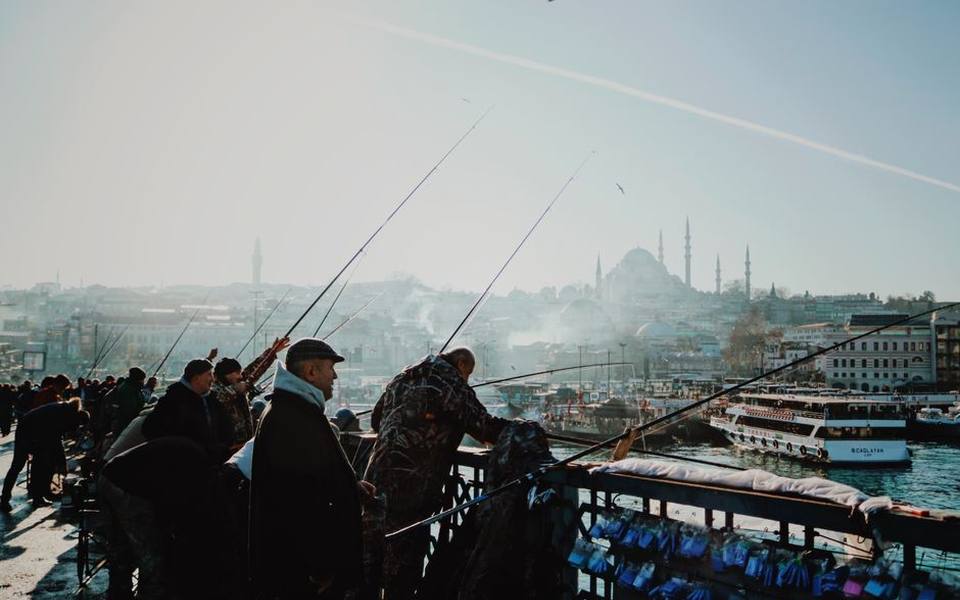
Party boat fishing, also known as headboat fishing, charges on a per-person ticket basis and carries between twenty and eighty passengers on a large commercial vessel. These sixty- to ninety-foot boats operate on fixed departure schedules and anchor over reefs, wrecks, or rock piles for bottom fishing. Deckhands circulate to distribute cut bait, untangle cross-lines, and assist with landing catches, but individual instruction is limited compared to private boats.
Headboats represent an economical way to get out on the water, making them popular for solo travelers, casual vacationers, and first-time saltwater anglers. However, fishing shoulder-to-shoulder along a shared rail can lead to frequent tangled lines when currents swing the boat. A private charter costs noticeably more overall, but the personalized attention, tailored tactics, and elbow room make it the preferred option for dedicated anglers or close family groups.
Evaluating Offshore Fishing Boats and Vessel Amenities
The vessel underneath your feet dictates your comfort, range, and safety during an offshore trip. Modern offshore fishing boats fall broadly into two designs: large multi-engine center consoles and convertible sportfishing yachts. Center consoles ranging from thirty-two to forty-five feet feature three or four high-horsepower outboards, delivering blistering cruising speeds that cut long travel times in half. They allow anglers three-hundred-and-sixty-degree walkaround fishability, which proves invaluable when chasing active surface-feeding pelagics.
Convertible sportfishers, typically powered by twin inboard diesel engines, offer a traditional luxury platform for full-day and multi-day blue water voyages. These heavy vessels cut smoothly through head seas, providing an air-conditioned enclosed salon, full galley, comfortable seating, and an enclosed marine toilet. If your group includes non-anglers, older relatives, or children who need a cool place to rest out of the sun during a ten-hour voyage, an enclosed sportfisher is significantly more forgiving than an open center console.
Always confirm the bathroom situation before booking any vessel for a long trip. While sportfishers have full heads, smaller center consoles and bay boats may only offer a basic portable toilet tucked inside a cramped console hatch or no head facilities at all. Inquire in advance about shade cover, deck seating, livewell capacity, and onboard cooler storage so everyone in your group knows what to expect during their hours on the water.
Licensing, Keep Regulations, and Fish Cleaning Services
Navigating recreational fishing licenses and harvest limits can be confusing, but chartered trips simplify the administrative burden. In most coastal states, saltwater charter captains carry a commercial blanket license that covers all paying passengers aboard their vessel. In contrast, freshwater guided trips often require each individual angler to purchase their own state fishing license and relevant stamps before stepping on the boat. Always confirm license requirements directly with your guide when booking.
Every species is governed by strictly enforced minimum size limits, bag limits, and seasonal closures that vary by state and federal water boundaries. Professional captains track daily regulatory shifts and monitor federal fish tags. While sportfishing charters encourage the catch-and-release of billfish and protected species, captains are delighted to help you harvest legal limits of delicious food fish such as snapper, mahi-mahi, grouper, and walleye.
Dockside fish cleaning is typically provided by the first mate at the end of the trip. The mate fillets, skins, and bags your catch in plastic bags at dedicated cleaning stations located along the docks. Although this service is standard on most private charters, it is customary to tip the mate for their hard work with the fillet knife. Bring a clean, ice-filled cooler in your vehicle so your fresh fillets stay chilled for the drive home.
Weather Windows, Deposits, and Captain Credentials
Safety on the open water begins with verified captain credentials. Legitimate charter operators hold a valid license issued by the United States Coast Guard, which verifies their sea time, maritime drug screenings, basic medical qualifications, and navigation training. Reputable services operate fully insured commercial vessels equipped with current safety gear, including commercial life jackets, EPIRB distress beacons, flares, and marine VHF radios.
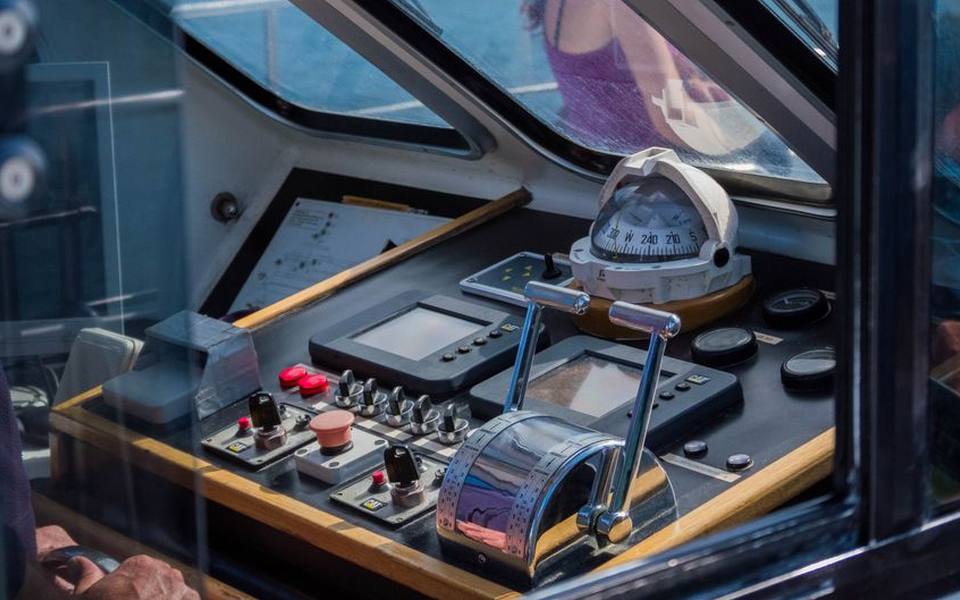
Weather is the one variable no captain can control, and offshore safety requires respecting rough seas. Professional guides monitor marine forecasts closely, tracking wave height, wind velocity, and approaching thunderstorm squalls. If conditions exceed safe operating thresholds, the captain retains full discretion to cancel or shorten the trip. In most cases, operations allow guests to reschedule for an open date or receive a refund of their initial booking deposit.
Before finalizing a reservation, review the operator's cancellation policy regarding weather versus client-initiated dropouts. Most captains require a credit card deposit to lock in a charter date on their calendar. If you decide to cancel on short notice due to personal reasons, deposits are typically non-refundable because the captain turned away other paying clients for that slip on the schedule.
Preparing for Departure and What to Bring Aboard
A successful charter trip starts with proper personal preparation before stepping onto the dock. Dress in light, breathable layers that protect against intense sun exposure, and choose non-marking, rubber-soled deck shoes that maintain traction on a wet, moving deck. Quality polarized sunglasses are essential, not just to cut glare, but to allow you to see fish cruising beneath the surface. Bring broad-spectrum sunscreen, but avoid aerosol sprays, which leave slick, dangerous residue across fiberglass decks.
Motion sickness can ruin an otherwise spectacular day, and prevention must happen before you board. If you suspect you are sensitive to ocean swells, take preventative motion sickness medication the night before and again an hour before departure, following package instructions. Staying well-hydrated, avoiding heavy alcohol consumption the evening prior, and keeping your eyes fixed on the horizon while breathing fresh air helps maintain equilibrium.
Pack your food, drinks, and personal items in a soft-sided tote rather than a bulky hard cooler, which can slide around the cockpit and clutter limited fishing space. Most charter boats supply all necessary rods, reels, tackle, bait, and cold storage for the day's catch while on the water. For travelers planning broader boating holidays, pairing a day charter with nearby transient slips or family boat rentals on-site can round out a complete coastal vacation.
Published 2026-09-21 · reviewed with each rebuild, last September 2026.
Find marinas near you
The directory lists 7,144 marinas by state and city — pick your state or use the “Near me” button in the header.
More guides
-
 Safety
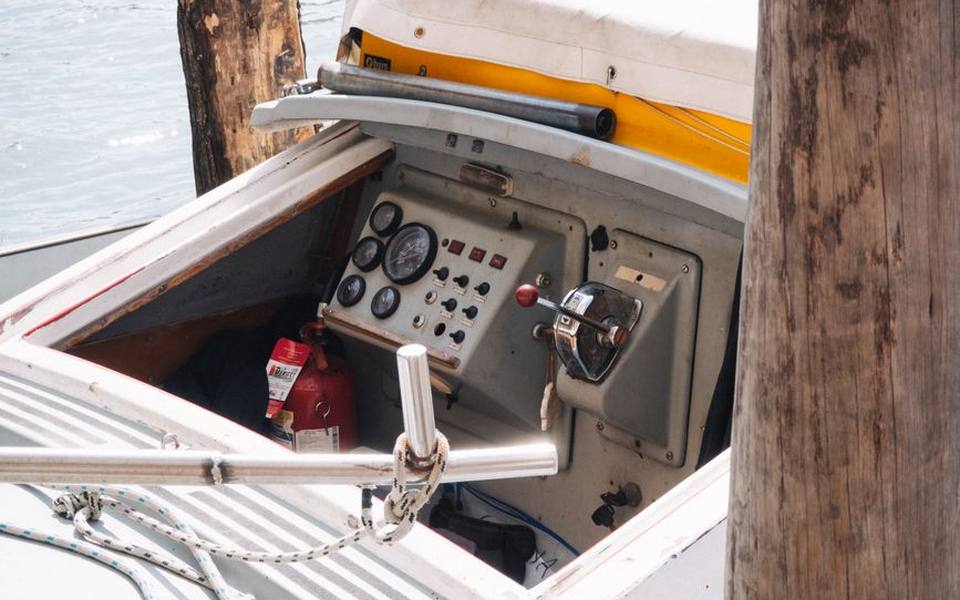
Boat Fire Extinguisher Inspection: Schedule, Checklist, and Costs
-
 Money
MoneyBoat Club Membership Costs: Initiation Fees, Monthly Dues, and Ownership Comparison
-
 Storage
Boat Winterization and Storage: Costs, Checklist, and Shrink Wrapping Guide
-
 Storage
Boat Slips and Docking Fees: How Much Does It Cost to Keep a Boat in the Water?
-
 Owning
Essential Nautical Terms and Practical Boating Knowledge: From the Helm to Harbor Life
-
 Owning
A Practical Guide to Boat Mooring: Buoys, Lines, and Technique
-
 Safety
Essential Boat Safety Gear, Marine Electronics, and Equipment Guide
-
 Service
Outboard Engine Service and Rebuild Costs: What Boat Owners Should Expect to Pay
-
 Safety
Marine Weather Forecasts and Warnings: Reading NOAA Reports and Coastal Maps
-
 Safety
Boating Safety Certification and Licensing: State Requirements and Exam Prep
-
 Owning
Bareboat Yacht Charters: How to Rent, Qualifications, and Cruising Preparation
-
 Buying
Pontoon & Tritoon Boats: Buying, Renting, Models, and Pricing Guide
-
 Owning
Holiday Boat Parades and Coastal Festivals: Viewing Guide and Schedules
-
 Buying
A Complete Guide to Buying Used Boats: Valuations, Inspections, and Registration
-
 Owning
Waterfront Dining and Dockside Restaurants: Boater's Guide to Dock and Dine
-
 Owning
Dockside Bait Systems, Live Bait Sourcing, and Fish Cleaning Station Setup
-
 Safety
Marine Fire Safety Inspection and Extinguisher Maintenance
-
 Storage
Complete Guide to Boat Winterization, Shrink Wrapping, and Storage Covers
-
 Buying
Electric Boat Motors and Trolling Systems: The Practical Conversion Guide
-
 Owning
A Practical Guide to Public Boat Launches, Kayak Ramps, and Water Access
-
 Owning
Marine Lithium Batteries vs AGM: Setup, Charging, and Performance
-
Service
Boat Fiberglass & Gelcoat Repair Guide: Fixing Cracks, Blisters & Scratches
-
Service
Marine Fuel Tank Cleaning and Rust Removal Guide
-
Safety
USCG Captain's License Guide: OUPV 6-Pack Requirements and Renewal
-
Buying
Boat Dinghies and Inflatables Guide: Types, Motors, and Selection
-
Service
Boat Towing Services and Marine Assistance Memberships Explained
-
Owning
Boat Lettering, Registration Numbers, and Custom Vinyl Decals
-
Service
Outboard Motor and Lower Unit Maintenance, Repair, and Marine Diesel Guide
-
Buying
Shallow Water Anchor Systems: Power-Pole vs. Minn Kota Talon & Raptor
-
 Service
Complete Guide to Marine Bottom Paint and Antifouling Application
-
Owning
Cruising America's Great Loop: Route Planning, Boat Choice, and Cruising Resources
-
Service
Boat and Fishing Charters: Complete Guide to Styles, Rates, and Booking
-
Buying
Personal Watercraft and Jet Ski Guide: Models, Rentals, and Buying
-
 Owning
Marine Supply Stores and Chandleries: Outfitting Your Boat
-
Safety
Marine Weather Forecasts and NOAA Wave Reports: A Practical Boater's Guide
-
Safety
USCG Boat Registration, Boater Education, and Navigational Safety Rules
-
Owning
Marine Lithium Batteries, Solar Panel Systems, and Trickle Charging Guide
-
Service
Boat Trailer Maintenance: Bearings, Replacement Kits, and Towing Prep
-
Safety
Marine VHF Radio Frequencies, Channels, and Electronics Setup
-
 Service
Complete Boat Hull Maintenance Guide: Washing, Acid Cleaners, Gelcoat Repair, and Antifouling Paint
-
Service
Fixing Inflatable Boat Leaks and Replacing Worn Bimini Top Canvas
-
Owning
Buoy Mooring Setup, Dock Lines, Cleat Hitch Knots, and Anchor Pins
-
 Owning
Boat Trim Tabs Guide: Lenco, Zipwake, Bennett, and Electric vs Hydraulic
-
Owning
Upgrading Boat Swim Platforms, Boarding Ladders, and Marine Vinyl Seating
-
Owning
Best Gifts for Boaters, Practical Marine Accessories, and Kayak Storage Racks